

Hot Keyword:
Author:YISEN Pouch Packing Machine Manufacturer TIME:2026-08-21
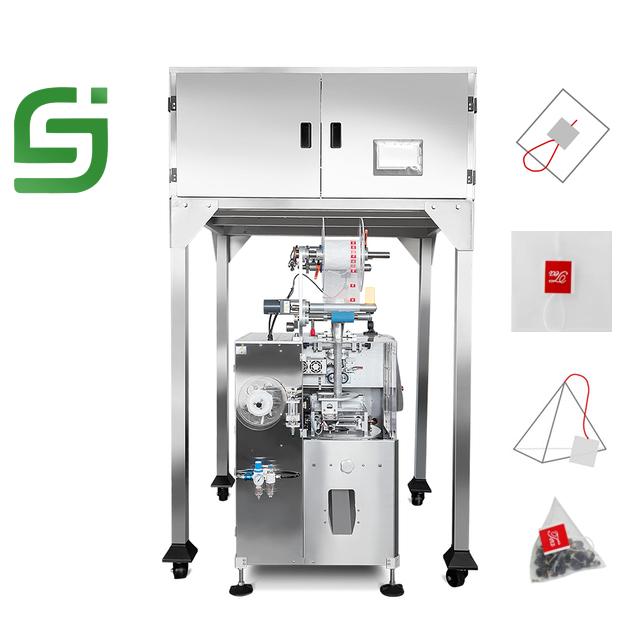
Improve precision and efficiency on a triangle tea packaging machine by finding where variation and loss enter the process, then correcting that station under controlled conditions. Tea dose, pyramid shape, seal position, thread or tag placement, outer-envelope quality, and accepted output should be measured separately. Raising machine speed before stabilizing tea feed, material tracking, and sealing usually creates more rejects. The effective sequence is baseline, root-cause evidence, one controlled change, and a repeated production trial.
Precision is not one accuracy number. The tea quantity must meet the producer's approved net-content method; the mesh must form a stable pyramid; seals need the intended position and integrity; cuts should separate without frayed or open edges; and optional thread, tag, or outer envelope must remain correctly presented. Coding and final count may add further checks.
Create a specification for each product-pack code. Include tea type and cut, target quantity, triangle dimensions, mesh or filter material, seal references, thread length or tag location where used, envelope material, print registration, and case presentation. State the sampling method and who releases output.
A triangle tea packaging machine should be evaluated against that complete pack. A stable dose cannot compensate for an open corner, and attractive geometry cannot compensate for excessive giveaway. Separate measures reveal the real improvement priority.
Observe a representative run and classify every interruption or rejected pack by station. Useful categories include tea starvation, dose variation, mesh tracking, forming faults, tea in the seal, weak seals, cut defects, thread or tag errors, envelope misfeeds, coding faults, and downstream accumulation. Record stops, interventions, and the packages affected after restart.
Keep time order. A cluster of low doses after hopper refill points toward feeding, while seal defects after a pause may reflect thermal or restart conditions. Randomly combining all rejects hides those relationships. Lane or station identity is important when the machine has repeated mechanisms.
Choose the largest controllable loss first, provided quality and safety gates remain protected. An improvement that saves a few seconds at one station has little value if it causes more material waste later. The loss map should distinguish planned cleaning and changeover from abnormal downtime.
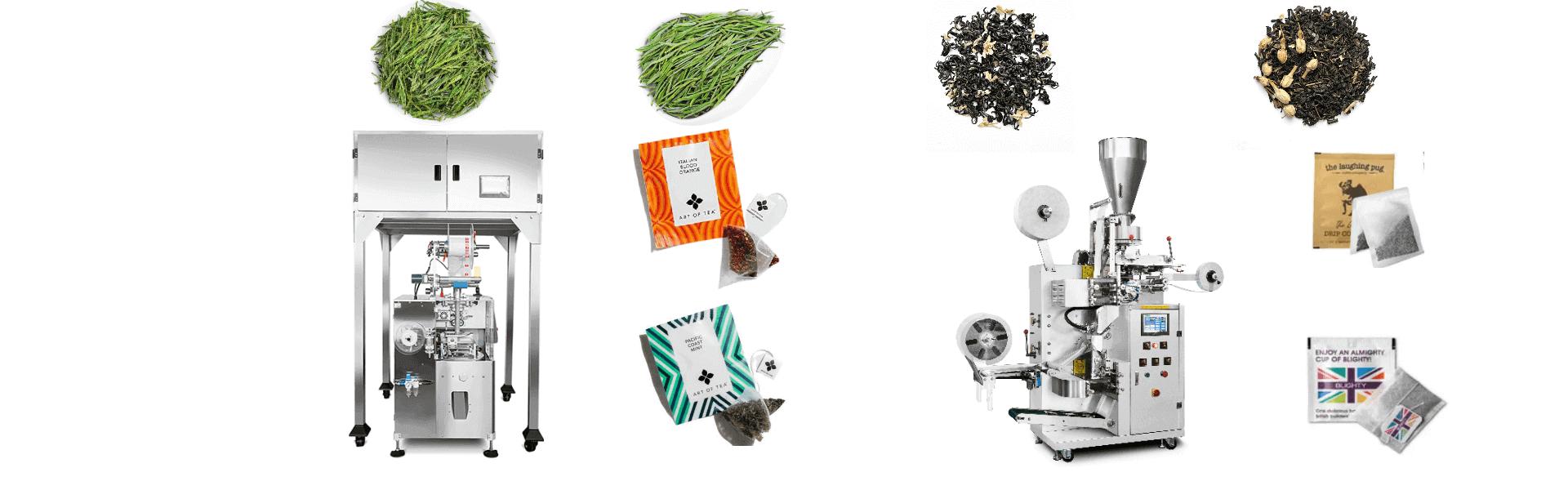
Tea leaves, fannings, flowers, stems, and blended inclusions differ in density, shape, static, dust, and tendency to bridge. Product supply should present a consistent level to the dosing device without breaking leaves or separating a blend. Evaluate the hopper, feeder, weighing or volumetric mechanism, and transfer chute as one path.
Collect consecutive dose results through startup, stable operation, refill, low level, and restart. If the average is offset but variation remains tight, a controlled calibration may be appropriate. If results scatter, investigate product flow, residue, feed distribution, vibration, air, or mechanical wear before changing the setpoint.
Compare the composition of blended tea in finished bags where required. Correct total weight can still hide segregation. The producer should define how leaf condition and mixture distribution are judged after the full transfer route.
Mesh or filter material must unwind and track without excessive tension, slack, curl, or static. Guide cleanliness, roll alignment, brake or drive response, forming parts, and seal surfaces influence the pyramid shape. A material change can alter friction and forming even when nominal dimensions remain the same.
Use the intended production roll, including printed marks if present. Check the material supplier's width, thickness, sealing layer, and tolerance against the machine setup. Record approved roll loading, threading, registration, and forming references. Operators should not need to rediscover alignment after every replacement.
Inspect the triangle on multiple sides. Look for distorted corners, unequal panels, tea trapped near seams, tension marks, and inconsistent internal volume. Package geometry should be reviewed with the dose because an overfull bag can look like a forming defect.
Sealing depends on compatible material, clean interfaces, aligned tooling, and controlled heat, pressure, and dwell. Tea fragments across the seam can create channels. Product drop should finish and clear the closing area before the sealing action. Increasing heat does not reliably repair contamination.
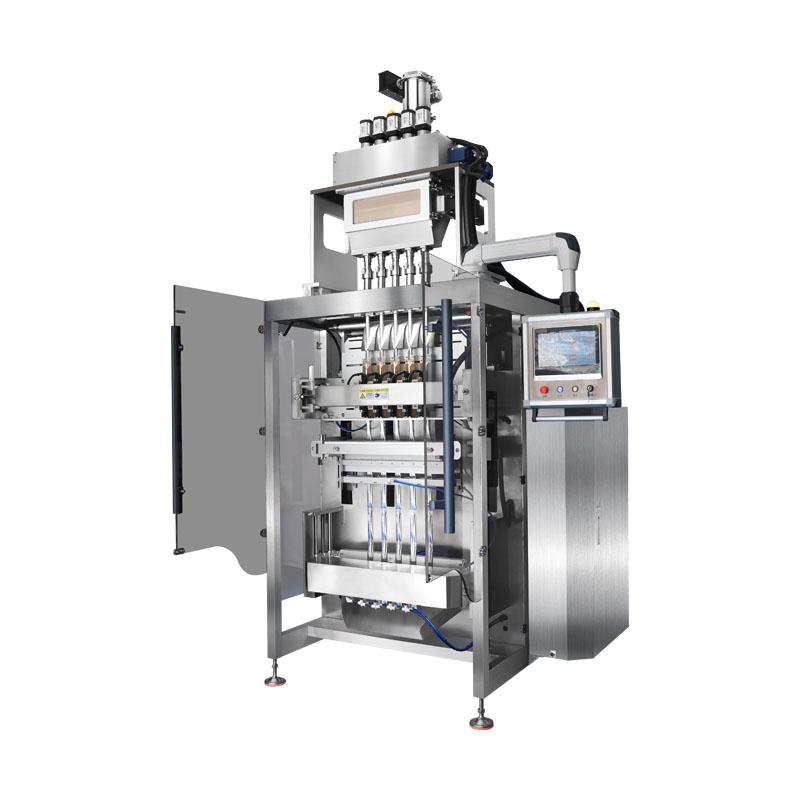
Check heater and temperature-sensor condition, jaw cleanliness, pressure distribution, alignment, and wear. Cutting tools should separate the intended point without pulling mesh into the seal. Trend defects by position; a repeated weak corner can reveal a local mechanical condition.
| Observed loss | Evidence to collect | Improvement direction |
|---|---|---|
| Dose spread rises after refill | Ordered weights, hopper level, and feed behavior | Stabilize replenishment before recalibration |
| Pyramid shape varies by roll | Material lot, tension, tracking, and forming references | Control incoming material and web setup |
| Weak seal repeats at one corner | Defect map, jaw surface, pressure, and alignment | Correct the local mechanism within the seal window |
| Clean bag but damaged cut | Knife condition, timing, and material movement | Restore cutting condition and approved reference |
| Output falls during product change | Complete changeover steps and first-off failures | Standardize parts, recipes, and release checks |
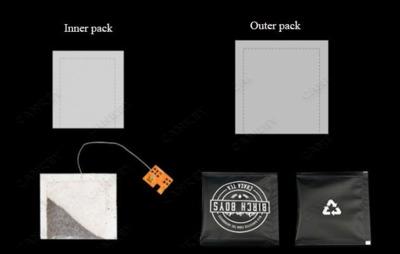
Optional components add quality points and can become the limiting station. Thread should feed with controlled tension and attach or place as designed. Tags need correct orientation, print, position, and separation. Outer envelopes must open, receive the inner bag, track, seal, and cut without folding the tag or trapping thread in the wrong area.
Treat each material as a controlled input. Paper, thread, tag stock, adhesive where relevant, and envelope film can change machine behavior. Use final printed materials during trials and preserve approved specifications. A plain substitute cannot validate registration or retail appearance.
When a fault occurs, retain both inner and outer components. A displaced tag may originate at thread handling, transfer timing, envelope insertion, or sealing. Evidence from the complete package prevents adjustment of the wrong station.
A tea or format change may involve emptying the hopper, cleaning the dosing route, replacing or adjusting forming components, loading another material, setting thread and tag, changing envelope stock, selecting a recipe, and approving first packs. Measure the complete interval from last accepted old pack to first accepted new pack.
Recipes should carry product and package codes and reference physical parts. Protect quality-critical values with access levels. Clear labels and storage prevent similar formers, guides, or cutter parts from being mixed. After setup, verify identity, dose, geometry, seals, cut, tag, envelope, and code.
Schedule compatible products in practical campaigns where quality rules allow it. Reduced change frequency can improve accepted output without pushing the machine faster. The producer's quality team remains responsible for cleaning and cross-contamination release.
Repeat the baseline with the same tea family, materials, dose, format, sampling, and normal events. Include refill, material replenishment, a controlled stop, restart, and any common operator task. Count accepted finished packages, not only machine indexes. Record reject categories and intervention time.
Change one significant factor at a time where practical. If several engineering changes are necessary together, document the package and compare it as a controlled revision. Preserve before-and-after settings, samples, and limitations. A short run that avoids the original failure condition does not prove improvement.
Adopt the change only when quality remains inside the approved criteria and the result is repeatable by the intended operators. Update setup documents, preventive checks, and training. Improvement becomes sustainable when the new method is a controlled baseline rather than specialist knowledge.
Review improvement after a full tea campaign, not only during the clean acceptance run. Fibers, dust, leaf fragments, static, and adhesive or film residue can accumulate gradually and alter feed, sensing, sealing, or cutting. Compare the end-of-run defect map with the initial period, inspect known retention points, and set cleaning or condition checks from evidence. A change that performs for a short sample but loses control as residue builds has not solved the shift requirement.
Material lots also belong in the improvement record. When efficiency changes after a new mesh, tag, thread, or envelope delivery, compare the incoming specification and machine response before moving mechanical references. This protects a stable setup from being adjusted to compensate for an unapproved material variation.
Give every adopted improvement an owner and review date. Sustained results should remain visible after the original technician and trial materials are no longer present.
Should speed be increased first when output is low?
No. Identify dosing, material, seal, tag, envelope, changeover, and stop losses first. Faster indexing can amplify an unstable station.
How should tea-dose precision be checked?
Use consecutive samples and the producer's approved measurement method through startup, refill, stable running, and restart.
Why can a new mesh roll change pyramid shape?
Thickness, friction, curl, width, tension response, and sealing behavior can differ even when the material description appears similar.
What is the best efficiency measure?
Use accepted finished tea bags over a representative period, with rejects, planned changes, and operator interventions visible.
When is an improvement ready for production?
After it repeats under the original operating challenge, maintains all quality gates, and can be reproduced from controlled instructions.
Precision and efficiency improve together when the tea line is treated as a measured sequence. Define every finished-pack requirement, map losses by station, stabilize tea and material supply, protect forming and seals, and standardize changeover. A matched before-and-after trial then shows whether the change creates more accepted packages without weakening dose, pyramid geometry, tag, envelope, or consumer presentation.

YISEN MACHINERY - The ONE-STOP VFFS PACKING MACHINE SOLUTION SUPPLIER
 Tel: +8617350750975
 Email: info@vffspackingmachinery.com
 MP/WhatsApp: +8617350750975
 Manufacturer Address:Meixi Road, Tongan District, Xiamen,Fujian,China