

Hot Keyword:
Author:YISEN Pouch Packing Machine Manufacturer TIME:2025-03-19
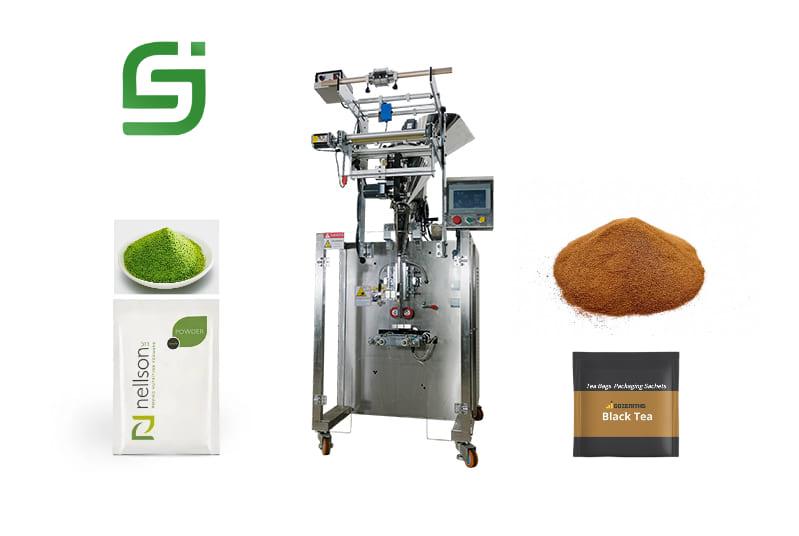
Choose tea powder packing equipment by first defining powder behavior, dose range, package, dust and hygiene controls, accepted output, and factory resources; then compare suppliers on sample evidence and a normalized scope. Fine tea, instant tea, matcha-like products, and blended drink powders can differ sharply in density, aeration, cohesion, color carryover, and moisture sensitivity. The right supplier should identify those risks before quoting and demonstrate the proposed filler and package with representative material rather than rely on broad powder experience.
Describe product name and intended use, but add loose and settled bulk density where relevant, particle size, flow, cohesion, dust, static, aeration, moisture sensitivity, oil or flavor content, abrasiveness, temperature, and expected batch variation. State whether upstream transfer compacts or aerates the powder.
List target quantities, bag or sachet dimensions, material specification, code, demand by shift, product-change sequence, cleaning method, utilities, room conditions, and downstream equipment. Separate mandatory launch formats from future options. Provide enough product and packaging material for meaningful trials.
A tea powder packing machine should be scoped around the difficult normal powder, not a convenient substitute. If the final product is not available, record which flow, dust, density, and cleaning evidence remains open.
Auger fillers can suit many powders when screw geometry, tube, agitation, and drive range match the product. Another weighing or volumetric method may suit a different material, but no principle is universal. Fine cohesive tea can bridge; aerated powder can change density after refill; free-flowing product may continue moving after cutoff.
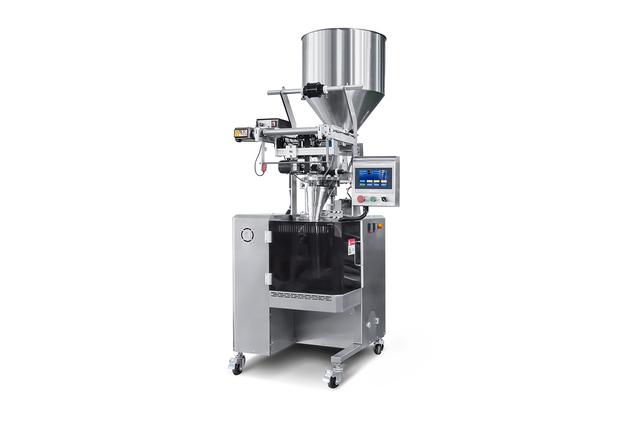
Check the smallest and largest dose. A large filler operating at a tiny movement can have poor usable resolution, while a small filler may need excessive time or exceed volume at the top. Ask which screws, tubes, gates, or other parts belong to each product-format code.
Collect ordered samples through startup, hopper refill, stable production, and restart. An average alone is insufficient. Variation and trend reveal whether feed and density remain controlled. Check package volume at the same time because low-density powder may crowd the seal even at correct mass.
The tea producer and packaging supplier should establish moisture, oxygen, aroma, light, strength, compatibility, and distribution requirements. The packaging machine forms or handles and seals the selected material; it does not independently prove shelf life. Printed artwork, code area, tear feature, and consumer dispensing also belong in the specification.
Rollstock equipment may form sachets, sticks, or bags within its configuration. Premade-pouch systems can support approved converter-made features. Each route has different material handling. Use the commercial film or pouch in testing because thickness, stiffness, friction, curl, registration, and sealant affect operation.
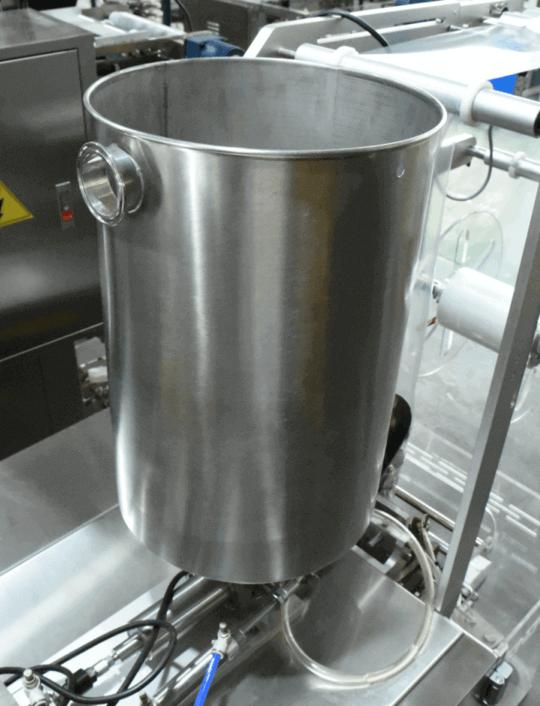
Headspace and dust control protect the closing region. The powder stream should clear before jaws close. Increasing temperature cannot reliably seal through tea powder trapped between film layers.
Fine tea powder can coat sensors, enter enclosures, contaminate seals, increase housekeeping, and expose operators. Limit free fall, use a suitable fill tube, and evaluate local extraction under the site's safety assessment. Extraction should not remove an uncontrolled amount from the dose.
Inspect hopper, agitator, auger, tube, forming area, guards, jaws, and frame ledges for access. Match product-contact materials and seals to the powder and approved cleaning agents. Matcha-like colors, flavors, allergens, or sweetened blends can make carryover visible or unacceptable.
| Selection area | Buyer provides | Supplier must demonstrate |
|---|---|---|
| Powder dosing | Representative product, density, flow, and dose range | Stable ordered quantities through refill and restart |
| Package | Final material, drawing, barrier, and presentation criteria | Tracking or pouch handling, clean seals, and coding |
| Dust and hygiene | Safety, cleaning, and carryover requirements | Controlled product path, access, and clean restart |
| Line output | Accepted shift demand and normal operating events | Finished-pack count with rejects and interventions visible |
| Lifecycle support | Local skills, language, and spare strategy | Documents, training, parts, backups, and escalation scope |
Ask the supplier to demonstrate component removal and reassembly, not only describe it. The producer's quality team validates the final sanitation and release procedure.
Two quotations can use the same machine name while including different boundaries. Identify product infeed, buffer hopper, filler, packaging frame, coder, gas or extraction where specified, discharge conveyor, inspection selected by the owner, rejects, spares, installation, training, and documentation.
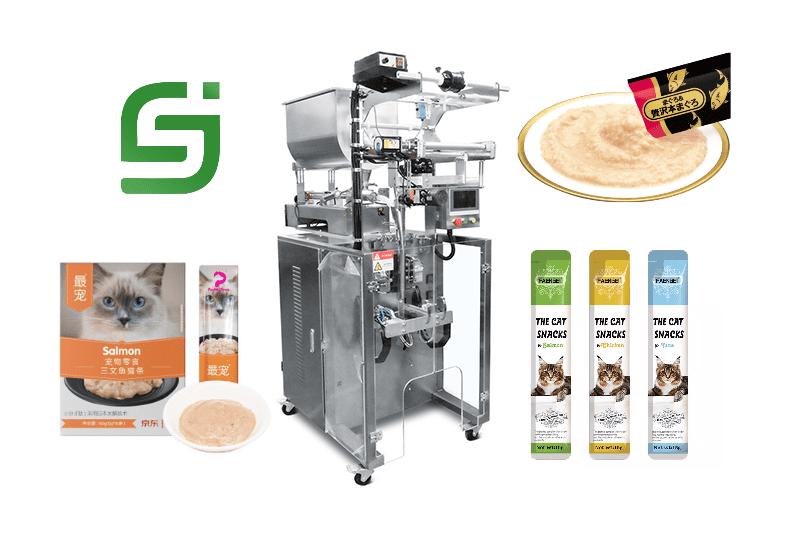
Define interfaces and control signals. Low product should produce a known response. Filling should be inhibited when a valid package is absent. A downstream stop should not allow powder to spill or bags to remain in an uncertain seal state. Identify who owns integration among separately purchased machines.
Confirm utilities and floor layout. Include service doors, roll loading, hopper removal, cleaning zones, control-cabinet access, and operator routes. A machine can fit its marked footprint while remaining impossible to maintain in the proposed space.
A capable supplier should ask about powder behavior, target quantities, package, materials, dust, cleaning, product supply, accepted output, utilities, factory environment, and downstream process. A quote issued from weight and bag size alone carries unresolved assumptions.
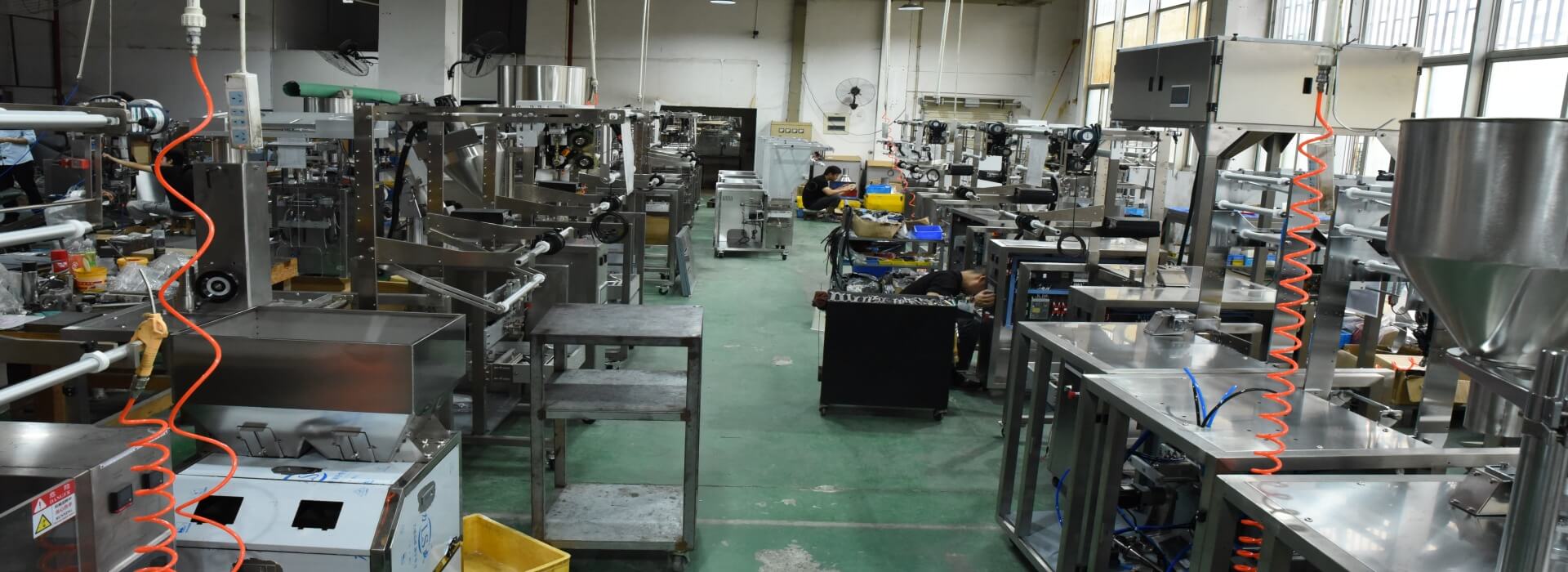
Request evidence from relevant powder and package applications without treating another customer's result as a guarantee. Review the proposed filler details, sample-test method, machine drawings, control sequence, material references, format matrix, change parts, and exclusions. Factory photos are useful context but do not replace your product trial.
Check change control. The final order should identify the delivered model, options, components, software or recipe baseline, documents, and test conditions. Substitutions need review before shipment, particularly for product-contact, control, sealing, and safety-related parts.
Use the lowest-density or poorest-flow normal tea powder, intended packaging material, and demanding dose-format combinations. Supply enough product for startup, refill, continuous operation, stop, restart, and cleanup. Agree on quantity sampling, dust observation, seal tests, coding, bag dimensions, rejects, and accepted output.
Keep samples in order and link them to hopper events. Inspect product accumulation after the run. Demonstrate a product or format change and first-off release. If manual feeding or substitute film is used, state how site acceptance will close the difference.
Record settings, physical parts, product and material lots, interventions, open points, and retained samples where permitted. Performance statements become useful only when their conditions are preserved.
Review lead time and payment against drawings, sample approval, shipment, installation, and acceptance milestones. Compare freight scope, packing, taxes or import responsibilities with qualified advice, site preparation, consumables, change parts, spare stock, training, and internal labor. Do not invent a universal payback.
Assess configuration-specific manuals, electrical and pneumatic drawings, parts lists, software and recipe backup, troubleshooting, maintenance schedule, language, and training. Define remote and onsite support, response process, information required, and responsibility after warranty.
Use a weighted decision after mandatory safety, product, package, and acceptance gates pass. Score evidence quality, technical fit, scope clarity, cleaning, operation, maintenance, documentation, parts, delivery risk, and support. Keep unresolved assumptions visible before selection.
Link payment and delivery milestones to objective project evidence where commercial practice allows: approved drawings, completed sample trial, resolved critical factory-acceptance actions, shipment documents, received condition, installation, and site acceptance. The contract should state what happens when buyer product or material is late and what happens when the supplied configuration does not meet an agreed gate.
Include production, quality, maintenance, engineering, and procurement in the final review. Production sees replenishment and changeover work; quality evaluates powder and package controls; maintenance judges access and parts; engineering closes utilities and interfaces; procurement normalizes terms. A low price or impressive trial should not override an unowned dust, cleaning, integration, or support risk.
After selection, lock the baseline that earned the score. Record models, filler parts, contact materials, controls, options, tests, documents, spares, and exclusions. Any later substitution or cost reduction should be checked against the original evidence before approval.
Plan a post-installation review after representative campaigns. Compare powder giveaway, dust cleanup, package waste, alarms, changeover, accepted output, and support response with the purchasing assumptions. Use the findings to refine maintenance and training without silently expanding the approved product range.
Is an auger always required for tea powder?
No. It is common for many powders, but product flow, density, dose, dust, and package determine the appropriate metering method.
Can one filler handle matcha and instant tea?
Possibly with proven setups, but density, cohesion, dust, color carryover, and cleaning may require different components and recipes.
Why must hopper refill be included in the test?
Replenishment can change aeration, product head, flow, and several following doses, revealing instability hidden during a short run.
What is the strongest supplier evidence?
A controlled trial with your representative powder and material, documented settings, ordered results, defects, changes, and explicit limitations.
How should quotations be compared fairly?
Normalize product feed, filler, packer, coding, discharge, testing, documents, installation, training, spares, and support before comparing totals.
Tea powder equipment and supplier selection should follow the material from bulk supply to an accepted sealed package. Characterize the powder, choose a stable filler, qualify the package, control dust and cleaning, and normalize the complete line. Suppliers can then be compared through representative test evidence and a clear lifecycle scope rather than generic powder claims or headline price.

YISEN MACHINERY - The ONE-STOP VFFS PACKING MACHINE SOLUTION SUPPLIER
 Tel: +8617350750975
 Email: info@vffspackingmachinery.com
 MP/WhatsApp: +8617350750975
 Manufacturer Address:Meixi Road, Tongan District, Xiamen,Fujian,China