



 Price:

Test high viscosity across normal hopper phases
Load high viscosity, temperature response and sticky cutoff from a traceable production lot.
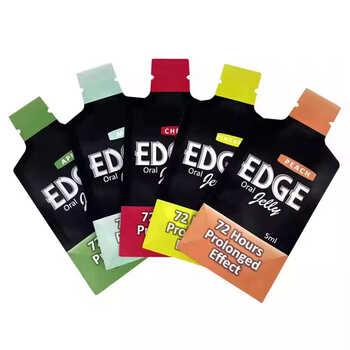
Log its storage and exposure before testing small shaped sachets with narrow seals and user-open features.
At startup and refill, watch specifically for gel strings, air pockets or stress around an irregular pouch corner.
Review the complete cycle for a gel feed path
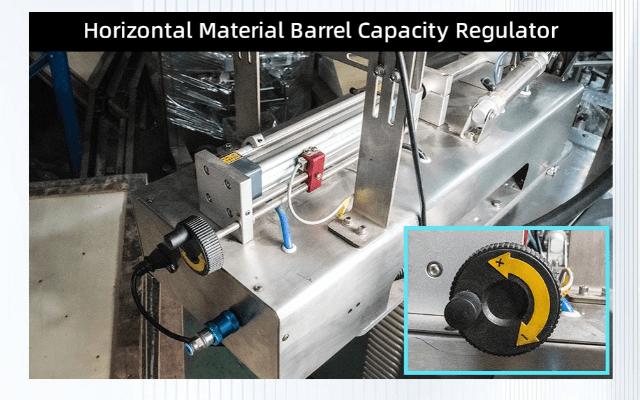
Verify the installed path for a gel feed path that controls pressure and outlet closure under production conditions.
Trace high viscosity, temperature response and sticky cutoff through every sensor and transfer point.
Keep the alarm response associated with gel strings, air pockets or stress around an irregular pouch corner in the recipe record.
Collect traceable evidence to condition finished packs, flex them and inspect seals
Before the line starts, agree how the run will condition finished packs, flex them and inspect seals after restart fills.
Separate setup and production evidence for high viscosity, temperature response and sticky cutoff.
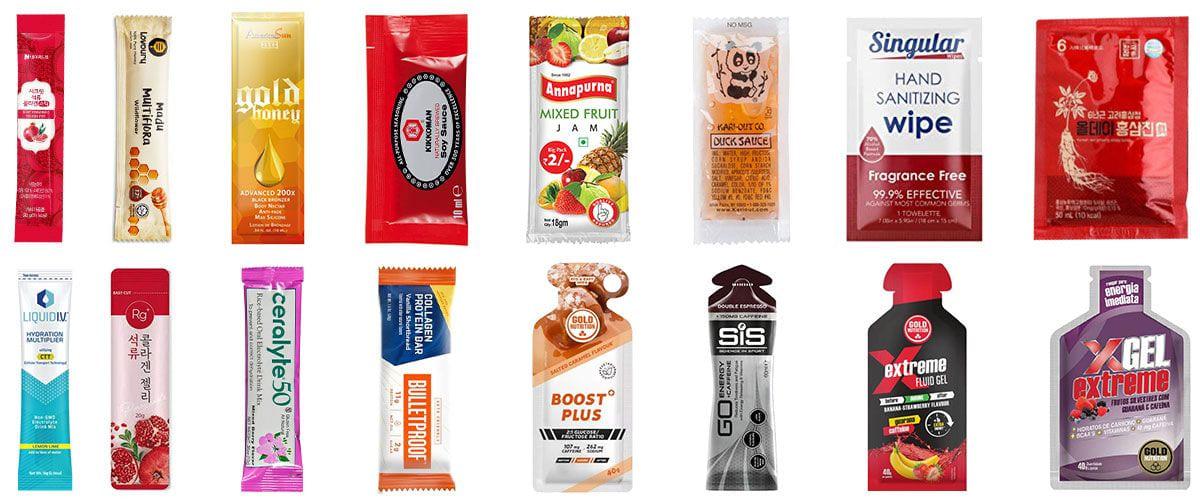
Retain the first conforming small shaped sachets with narrow seals and user-open features after each correction.
Freeze small shaped sachets before tooling
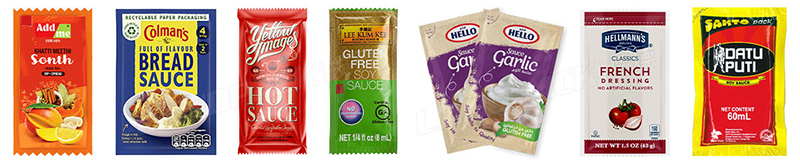
Use small shaped sachets with narrow seals and user-open features as the tooling reference.
Approve its drawing while testing high viscosity, temperature response and sticky cutoff through a gel feed path that controls pressure and outlet closure.
Retain each pack that shows gel strings, air pockets or stress around an irregular pouch corner with the changed setting.
| Decision for sport-gel sachets | Condition to establish | Record to retain |
|---|---|---|
| Material: high viscosity, temperature response | high viscosity, temperature response and sticky cutoff | Phase-labelled observations for high viscosity, temperature response and sticky |
| Pack: small shaped sachets with narrow | small shaped sachets with narrow seals and user-open features | Signed drawing and retained samples for small shaped sachets with narrow seals |
| Sequence: a gel feed path that | a gel feed path that controls pressure and outlet closure | Named parts and recipe for a gel feed path that controls |
| Reject: gel strings, air pockets | gel strings, air pockets or stress around an irregular pouch corner | Correction and restart evidence for gel strings, air pockets or stress |
Keep evidence when gel strings appears
Define gel strings, air pockets or stress around an irregular pouch corner as a reject before loading high viscosity, temperature response and sticky cutoff.
Count it separately at startup, refill and restart.
Keep the failed small shaped sachets with narrow seals and user-open features beside its correction and first accepted pack.
Record high viscosity, temperature response and sticky cutoff with lot identity and conditioning.
Approve small shaped sachets with narrow seals and user-open features as the revision-controlled input.
Demonstrate a gel feed path that controls pressure and outlet closure with named installed parts.
Classify gel strings, air pockets or stress around an irregular pouch corner during the factory run.

Evidence questions for the factory run
How do operators clean sticky dead spaces and verify reassembly?
Operators must clean sticky dead spaces and verify reassembly before product release, verify reassembly and retain the first conforming pack after restart.
Can another lot reproduce high viscosity, temperature response and sticky?
It must reproduce high viscosity, temperature response and sticky cutoff under the same pack and operating conditions; otherwise the production lot is required.
Can the run condition finished packs, flex them and inspect?
A traceable run must condition finished packs, flex them and inspect seals after restart fills, with rejects and interventions counted separately.
Does the drawing cover small shaped sachets with narrow seals?
The controlling interface is small shaped sachets with narrow seals and user-open features, supported by a signed revision and retained samples.
What remains outside the purchase guarantee
Legacy planning fields for sport-gel sachets must be reconciled against high viscosity, temperature response and sticky cutoff before they enter a quotation.
The signed scope for small shaped sachets with narrow seals and user-open features should identify the fitted sequence for a gel feed path that controls pressure and outlet closure and the material lot used in testing.
When evidence for gel strings, air pockets or stress around an irregular pouch corner is incomplete, keep the disputed model or range qualified.
Keep unresolved utility and weight claims out of the quotation.
Validate them with high viscosity, temperature response and sticky cutoff before release.
Conclusion
Release sport-gel sachets only after the intended material passes through a gel feed path that controls pressure and outlet closure into the approved pack.
The acceptance record should connect gel strings, air pockets or stress around an irregular pouch corner to the cleaning method: clean sticky dead spaces and verify reassembly before product release.
Use the related product category to compare small shaped sachets with narrow seals and user-open features; the production file should retain gel temperature, nozzle, shaped-pouch drawing and flex-test results.



 Tel: +8617350750975
 Email: info@vffspackingmachinery.com
 MP/WhatsApp: +8617350750975
 Manufacturer Address:Meixi Road, Tongan District, Xiamen,Fujian,China



Reliable Durability "Built to last! We've been using it daily for months without any issues. Its robust build gives us peace of mind.2024-08-09
Prompt Customer Support "Their customer service team is responsive and knowledgeable. They helped us set up and troubleshoot efficiently.2024-08-09

Efficient and Reliable This machine has significantly increased our packing efficiency while maintaining superb reliability2024-08-15

Trustworthy Performance Dependable operation day in and day out, enhancing our production reliability.2024-08-15