


 Price:

Start with the candy surface and damage limit
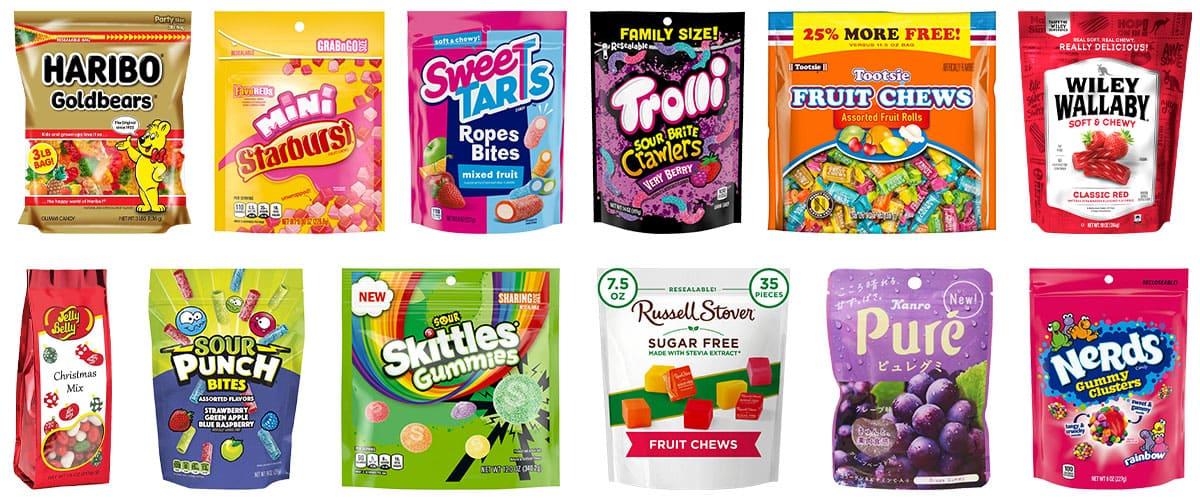
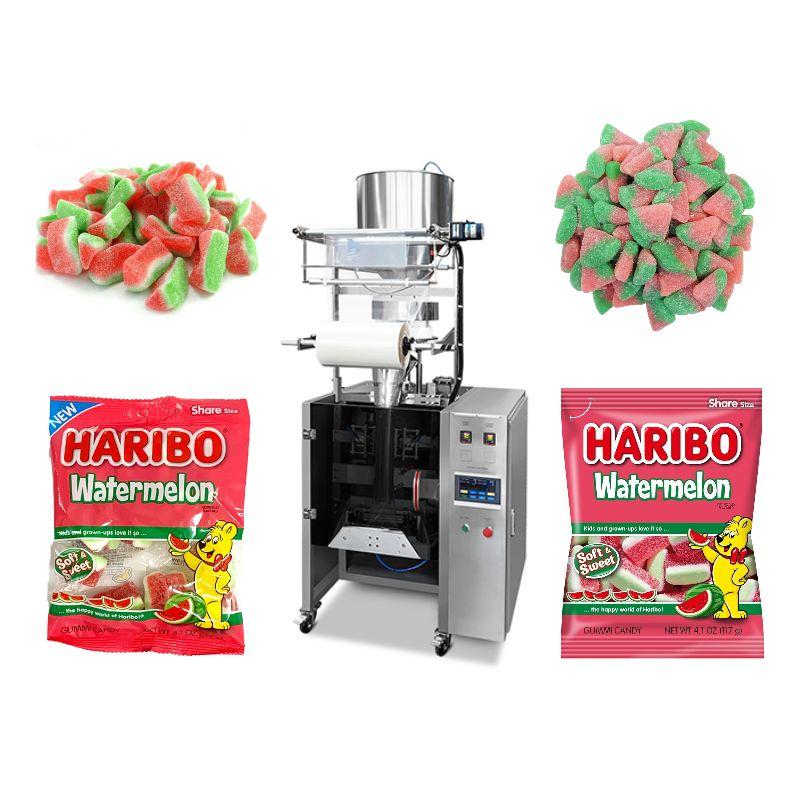
Record piece size, shape, stickiness, surface oil, loose sugar or sour powder, temperature sensitivity and the allowed breakage rate. Soft candy can bridge or smear; hard candy can chip; coated pieces can shed dust into the top seal. Use a production lot and hold some untreated product as the comparison sample for breakage and coating loss.
| Candy condition | Process concern | Retained check |
|---|---|---|
| Soft or tacky gummies | Pieces can bridge, cling or deform under pressure. | Feed observation and shape comparison |
| Hard candy | Drop impact can chip pieces or damage a light pouch. | Breakage count before and after packing |
| Sugar-coated pieces | Loose crystals can reach the zipper or top seal. | Seal-face and zipper inspection |
| Mixed shapes or colours | The product blend can segregate in the feed path. | Distribution check across the run |
The pouch contract comes before station adjustment
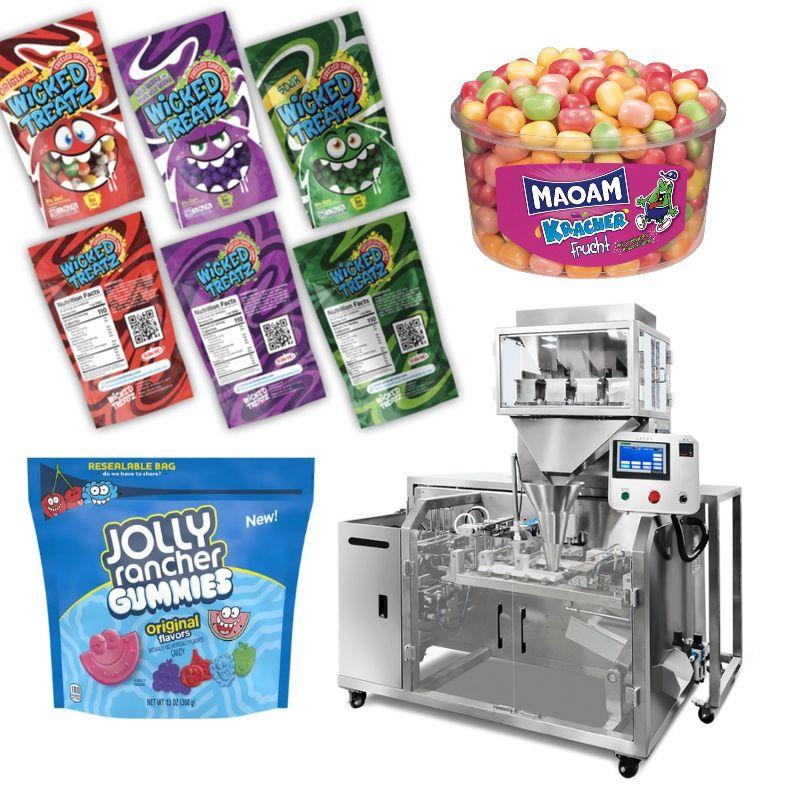
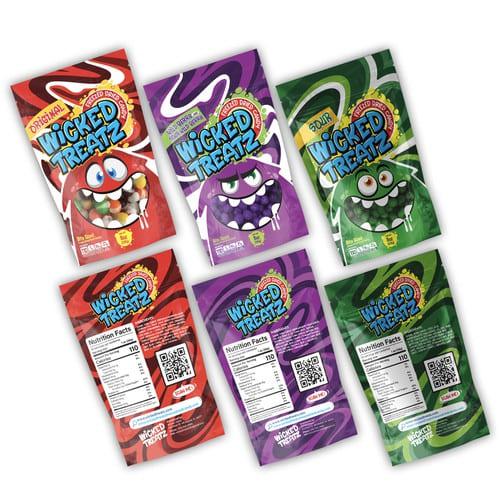
Provide physical pouches, not only nominal width and length. Record material structure, total thickness, zipper position, gusset, opening stiffness, sealant layer, notch and artwork orientation. The saved window is 100-220 mm long by 80-160 mm wide, but compatibility depends on how the real pouch is picked, opened and held. Approve each SKU with its own sample and machine setting sheet.
Opening confirmation prevents a product spill
Observe pouch pickup and opening across a full magazine, a low magazine and a normal refill. Glossy film, static, curled edges or zipper stiffness can change opening success. Define what the machine does when a pouch is missing or not fully open, and retain rejected examples. A clean demonstration with hand-separated pouches does not represent normal production.
Dosing evidence must include the complete product mix
The page refers to precise weighing, but final acceptance must identify the fitted metering equipment and test the actual candy. For mixed products, collect samples at the start, middle and end of the hopper to check colour or piece distribution as well as total mass. Report individual pouch weights and giveaway; a pooled average can conceal alternating underfill and overfill.
Headspace protects both zipper and top seal
Set the fill level so candy clears the zipper tracks and the final heat-seal area during normal vibration and transfer. Open retained pouches and inspect for sugar, oil, fragments or folded film. If the pouch is resealable, test zipper operation after filling and after distribution-style compression. The top seal and zipper perform different functions and need separate checks.
The lower fill range must remain unresolved
The summary field states 100-500 g while the specification table states 20-500 g. The title and model field agree on YS-SP160K, but older narrative text shortens the model name. Use the locked CMS identity and do not infer a 20 g capability from a table alone. A small fill must be demonstrated with the selected candy, weigher, pouch and acceptance tolerance.
Check pickup and opening with full, low and freshly refilled pouch stacks.
Sample after startup, hopper refill and a normal pause with the complete candy mix.
Inspect zipper tracks, top seal, trapped product, wrinkles and delayed leakage.
Compare broken, deformed or coating-loss pieces before and after the full drop path.
Cleaning should target sugar, oil and sticky contact points
Map ledges below the weighing system, transfer chute, pouch clamps and top-seal area. The cleaning method should match the candy residue without driving moisture into inaccessible areas. After reassembly, verify the pouch path and retain the first acceptable pack. For allergen or flavour change, define a release rule before quoting changeover time.
At handover, pair every approved candy and pouch with the magazine setting, opening check, weighing recipe, drop arrangement and top-seal condition. Keep failed examples as well as good packs. Their labels should state whether the failure came from pouch pickup, product feed, headspace, zipper contamination or final sealing so maintenance work starts from evidence rather than a general complaint.
Questions that distinguish a candy pouch trial
Can one trial represent every candy?
No. Stickiness, breakage, coating dust, piece mix and temperature can change feed and seal performance.
Is zipper closure the same as the final top seal?
No. Check zipper function and the tamper seal separately after product has passed both areas.
Which minimum weight is confirmed?
The stored 20 g and 100 g limits conflict, so the selected candy must prove the lower target.
How should mixed candy be sampled?
Check total weight and piece distribution at multiple hopper levels and run phases.
What is a meaningful reject record?
Separate unopened pouches, product spills, weight failures, contaminated seals, zipper faults and damaged candy.
Conclusion
The purchase record should connect candy condition, dosing equipment, physical pouch, opening logic, headspace and seal evidence. Compare options in the candy packaging machine category, but do not release the disputed minimum fill until a retained trial sample and approved data set support it.


 Tel: +8617350750975
 Email: info@vffspackingmachinery.com
 MP/WhatsApp: +8617350750975
 Manufacturer Address:Meixi Road, Tongan District, Xiamen,Fujian,China