

Hot Keyword:
Author:YISEN Pouch Packing Machine Manufacturer TIME:2024-08-30
The practical task is to build a size-and-weight matrix before choosing an auger, machine frame, forming set, or premade-bag system. That matrix should include difficult powder conditions and realistic material lots. It gives suppliers enough information to propose a measurable operating envelope and prevents a large bag or low-density recipe from appearing late in the project.
Select a laundry detergent powder packing machine by testing the complete weight range against the actual volume occupied in each approved bag. Nominal grams alone do not define the machine: bulk density, aeration, pouch width, fill height, dust, settling, and top-seal clearance determine whether a package can be dosed and closed reliably.
Two detergent powders with the same net weight can occupy noticeably different space. Light, aerated material may need a taller bag and more settling time than a dense powder. Even one formulation can change after conveying, storage, or vibration. Measure representative loose and settled bulk density using a documented method, then observe the product after it passes through the intended supply and dosing route. Use those results to estimate filled volume rather than relying on a laboratory value that does not reflect production handling.
For every sellable weight, fill production pouch samples and mark the normal product level, highest expected level, and clean top area needed for sealing. Include reasonable variation in dose and density. The package should not depend on operators compressing powder by hand or shaking every bag into shape. If settling is required, define how the machine performs it and confirm that the action does not damage the film, disturb registration, or create dust around the mouth.
Laundry detergent is not a single feeding category. Some formulations flow readily, while others contain fine dust, beads, fragrance components, or agglomerates that can separate or bridge. Record particle distribution, moisture sensitivity, tendency to compact, dust generation, static, and any ingredients vulnerable to damage. A sample taken from a small container may behave differently from product supplied continuously from a mixer, tote, or conveyor, so trials should reproduce the expected refill method and product head above the dosing unit.
Observe the machine during low and high hopper levels, refill, a planned pause, and restart. Look for tunneling, inconsistent auger loading, product buildup, or separation of visible components. The supplier should state whether agitation, level control, dust extraction, or a different feed screw is proposed and why. These decisions affect dosing stability and cleaning work. Keep each tested screw, agitator, and recipe linked to the powder batch so results can be reproduced rather than attributed vaguely to "detergent."
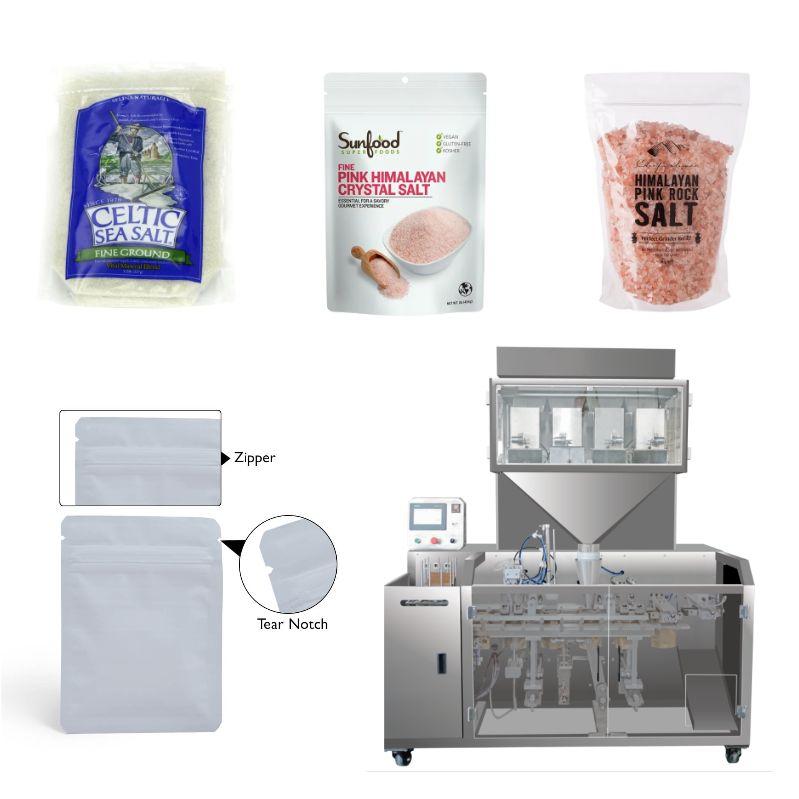
Package size should be assessed as usable internal space, not only external width and length. Side folds, bottom gussets, zipper tracks, handle cutouts, seal bands, and film stiffness can reduce filling clearance. For rollstock packs, forming geometry and film tracking define the tube available to the product. For premade bags, opening width, gripper zones, and top features govern nozzle or chute access. Provide drawings and production material for each boundary format.
Test the smallest bag for dosing clearance and the largest bag for reach, support, and discharge. A bag sized comfortably for a dense powder may become overfilled when a lower-density batch arrives. Conversely, too much unused space can affect presentation and secondary case count. Pouch dimensions should be finalized with actual fill trials and buyer-approved appearance criteria. Any later reduction in bag size must be reviewed for seal contamination and headspace, not treated as a purely commercial material saving.
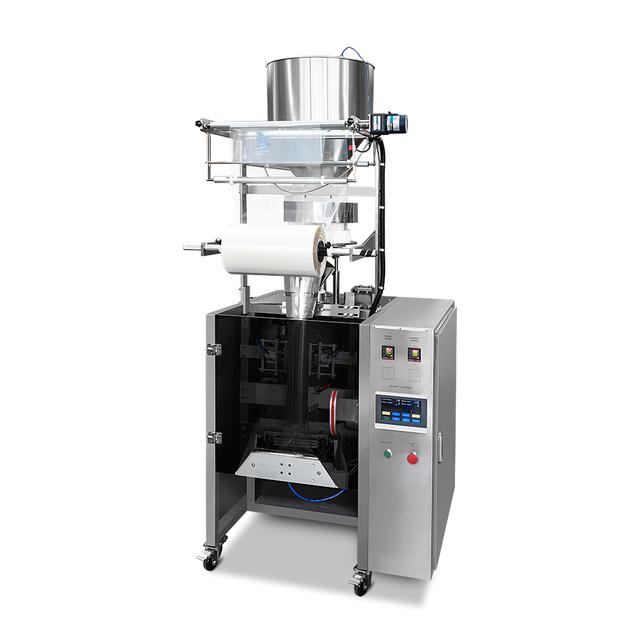
An auger filler is often considered for powders because screw rotation can meter material through a controlled outlet, but performance depends on powder behavior, screw geometry, agitation, and the selected operating range. A single screw optimized for a small dose may not be the best choice for a much larger weight. Other dosing principles may suit particular free-flowing products. The decision should follow consecutive sample results, product condition, cleaning requirements, and the measurement method used by the buyer.
Ask the supplier to identify separate screws, funnels, or recipes required across the portfolio. Check both ends of the range and one intermediate package, including refill and restart. Weigh pouches using a suitable verified method, account for tare variation, and plot results in sequence so drift or events remain visible. Do not adjust the filler after every isolated result; first determine whether variation comes from supply, aeration, bag tare, product segregation, or the dosing mechanism.
Fine detergent on sealing surfaces can create weak channels, visible contamination, and jaw buildup. The product drop should be short enough to control dust yet leave safe clearance between the filling chute and moving package. Dust extraction, a product catcher, controlled settling, and bag-top cleaning may be considered where trials show a need. Extraction should not remove a meaningful fraction of fine ingredients or alter the filled product, so its placement and operating condition require observation.
Heat-seal settings must be developed with the approved film and tested after realistic powder exposure. Inspect jaw faces and protective layers at planned intervals, because buildup can make seal quality deteriorate gradually. Code position should remain clear of dusty or uneven areas. Finished-pack checks can include appearance, weight, seal condition, and the buyer's selected integrity method. A clean seal is an output requirement, not evidence that dust generation elsewhere is acceptable.
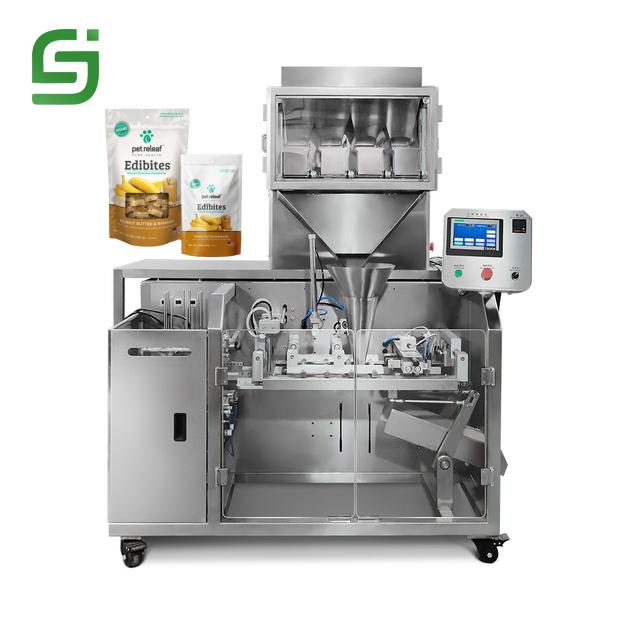
As pack weight and dimensions increase, support becomes more important. A heavy hanging bag can pull on film, grippers, or a newly made lower seal. Consider a bag support, lifting platform, or controlled conveyor that follows the package through filling. The discharge should avoid an uncontrolled drop that stresses seals or changes powder distribution. Filled samples must travel through the planned checkweigher, detector where applicable, conveyor, and case-packing route to show that the entire line can handle their shape.
Operator work changes too. Replenishing larger film rolls or bag stacks, removing rejected packs, and lifting filled samples may create access and handling concerns. Review machine height, platforms, guarding, and the location of controls with the actual layout. A line chosen for the largest package should still allow clean, stable operation on smaller sizes; unnecessary fall distance or oversized chutes can increase dust and reduce control at low weights.
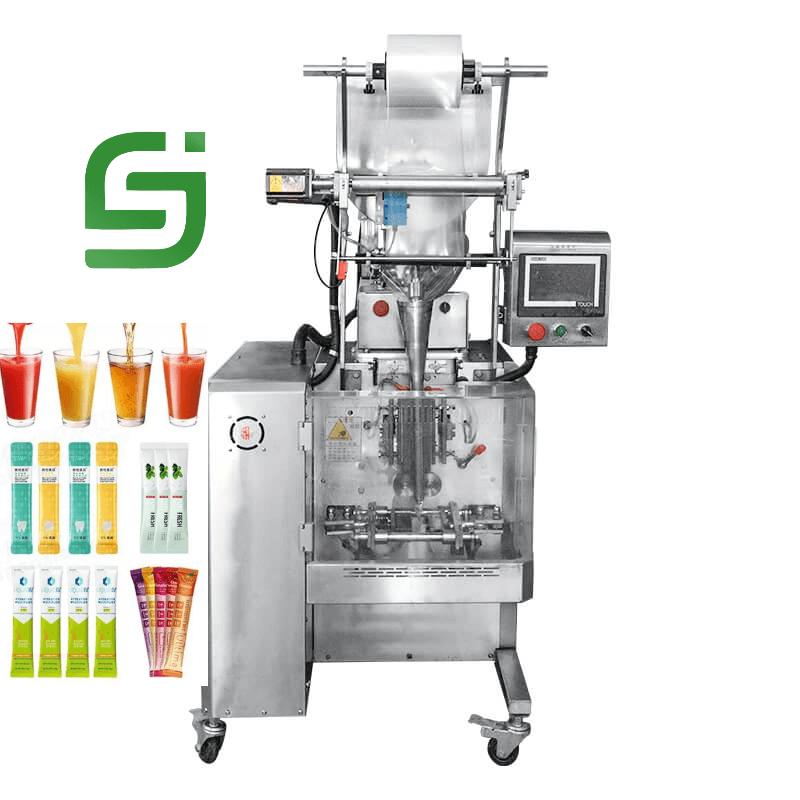
Detergent residue can remain in hoppers, screw flights, funnels, guards, ledges, and extraction ducts. The proposed cleaning process should show how product is recovered or disposed of, which contact parts are removed, how dust is contained, what tools are required, and how cleanliness is inspected. Confirm compatibility of cleaning methods with machine materials and the buyer's formulations. If fragrance or formulation carryover matters, line clearance should cover both visible powder and difficult internal locations.
Powder handling risks are product and site specific, so the buyer must provide relevant safety data and plant requirements. The machine supplier should identify the electrical, extraction, guarding, grounding, and housekeeping assumptions used in the proposal. Do not infer suitability for a hazardous environment from a general powder-machine description. Required assessments and protections should be completed by qualified parties for the actual material and installation.
The powder packing machine category can frame available configurations, but the approved setup should come from a trial matrix. Use production-representative detergent and packaging, identify each condition, and retain sequential records. The following table organizes the evidence around weight and size rather than around an unsupported universal capacity.
| Trial condition | What to record | Pass question | Possible design response |
|---|---|---|---|
| Lowest weight and smallest bag | Dose sequence, chute clearance, dust, and seal area | Can the line control a small dose without contaminating the closure? | Use a suitable screw, funnel, recipe, or bag opening |
| Lowest-density powder | Filled height before and after settling | Does the bag retain adequate clean top space? | Revise bag volume, settling, or product conditioning |
| Highest weight and largest bag | Support, fill time, seal presentation, and discharge | Is the package controlled without pulling or damaging seals? | Add support or modify transfer geometry |
| Refill and low hopper state | Dose trend, aeration, bridging, and operator action | Does normal supply variation remain manageable? | Change feed arrangement, level control, or agitation |
| Product and size change | Cleaning, parts, settings, line clearance, first-off packs | Can the next item be released using a written method? | Improve access, identification, or recipe controls |
Agree on inspection methods and open-point handling before the test. A failed boundary condition may require a different bag, dosing screw, support, or separate machine range; it should not be hidden by averaging results from easier products. The final purchase specification should list every approved combination and the parts or settings that belong to it.
Why is pack weight insufficient for choosing machine size? The same weight can occupy different volumes as formulation, aeration, and bulk density change. Filled height and seal clearance must be checked in the actual bag.
Can one auger cover a very wide weight range? It may require different screws, funnels, or operating approaches. Only sample trials across the proposed range can establish a practical boundary.
What packaging sample should be tested first? Test the combination expected to be most difficult, such as low-density powder in a tight bag or the largest weight requiring substantial support.
How can dust affect finished quality? Dust may collect on the seal band, code area, machine surfaces, and jaws. The filling path, extraction, settling, and cleaning plan should control those effects.
Should output be compared by machine cycles? Compare accepted bags under stated product, size, refill, and inspection conditions. Cycle count alone excludes dose, dust, seal, and handling losses.
Laundry powder equipment should be sized from the volume and behavior behind each selling weight. Density variation, aeration, dust, bag geometry, top clearance, filling range, and pack support all influence whether the line can make an acceptable package. The extreme product-and-bag combinations deserve early testing because they reveal the real operating envelope.
Build the weight-and-size matrix, send representative materials, and witness sequential trials across hopper states and changeovers. When each approved combination is linked to its dosing parts, package drawing, recipe, and inspection method, purchasing can choose a machine on evidence rather than on nominal grams or an empty-cycle rating.

YISEN MACHINERY - The ONE-STOP VFFS PACKING MACHINE SOLUTION SUPPLIER
 Tel: +8617350750975
 Email: info@vffspackingmachinery.com
 MP/WhatsApp: +8617350750975
 Manufacturer Address:Meixi Road, Tongan District, Xiamen,Fujian,China