

Hot Keyword:

Author:YISEN Pouch Packing Machine Manufacturer TIME:2025-02-28
The practical answer is therefore a qualification matrix. Group oils by measurable handling characteristics, test the difficult members with their intended pouch, and keep untested formulations outside the approved scope.
Edible oils, flavored oils, cosmetic oils, and some non-food oils can be packed in pouches when the product-contact circuit, dosing method, film, seal process, and cleaning plan are compatible with the specific formulation. The category name alone is not enough. Viscosity, temperature, suspended solids, oxidation sensitivity, chemical compatibility, and required hygiene determine whether a proposed machine is suitable.
Start with physical state and flow. Record viscosity across the permitted temperature range, density, foaming, stringing at cutoff, entrained air, and any tendency to thicken during storage. Then add chemical and quality concerns: oxidation, light sensitivity, aroma carryover, corrosion, interaction with elastomers, and the cleaning agents required. Two transparent liquids can demand different valves, hoses, seals, and packaging barriers.
Use a family approach only when the boundaries are written. A base vegetable oil may define one group, while chili oil containing flakes belongs in another because solids affect the nozzle and seam. A cosmetic blend with essential oils may require another contact-material review. Grouping reduces unnecessary trials without pretending every formulation is interchangeable.
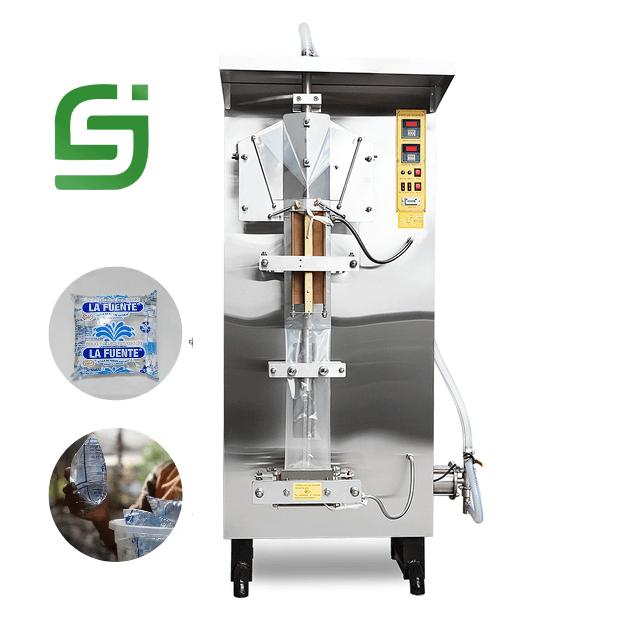
Refined vegetable oils such as sunflower, soybean, canola, corn, or similar products often flow readily under normal packing conditions, but suppliers still need representative samples. Temperature changes alter flow and cutoff, and winter conditions can expose behavior hidden by a warm factory trial. Define how oil reaches the packer, its permitted temperature, and how long it may remain in the tank and hoses.
More temperature-sensitive products, including oils that become cloudy or partially solidify, require a controlled operating window. If warming is allowed, specify where it occurs and how uniformity is verified. Heated equipment must not be used to override the product owner's storage or quality requirements. A stable fill depends on a stable oil condition before dosing begins.
Herb, spice, or chili additions can settle, float, bridge, block a small passage, or continue dripping after the valve closes. The supply vessel may need a validated conditioning method, but aggressive agitation can damage pieces or change distribution. Record the permitted particle size and concentration, then inspect consecutive pouches to determine whether solids remain representative throughout a run.
Emulsified or multi-phase formulations deserve similar caution. Separation during holding can create packs with different composition even when total quantity is stable. Observe product during startup, normal supply, refill, and the end of a batch. When the machine needs another nozzle, valve, or hose for a complex oil, list that hardware as a controlled product-specific conversion.
Cosmetic oils, massage products, lubricants, and other non-food liquids may be physically pumpable, yet their chemical compatibility, workplace controls, and legal requirements differ. Obtain the formulation owner's material and safety information. Confirm contact parts, seals, hoses, drainage, ventilation, spill handling, and pouch construction with qualified parties. Do not infer suitability from a successful edible-oil run.
A facility considering both food and non-food use should conduct a formal contamination and segregation review. Shared equipment may be unacceptable even if it can be cleaned visibly. Dedicated contact parts do not automatically resolve residues in tanks, pumps, frames, drains, or utilities. The packaging decision must follow the site's hygiene, quality, and regulatory system.
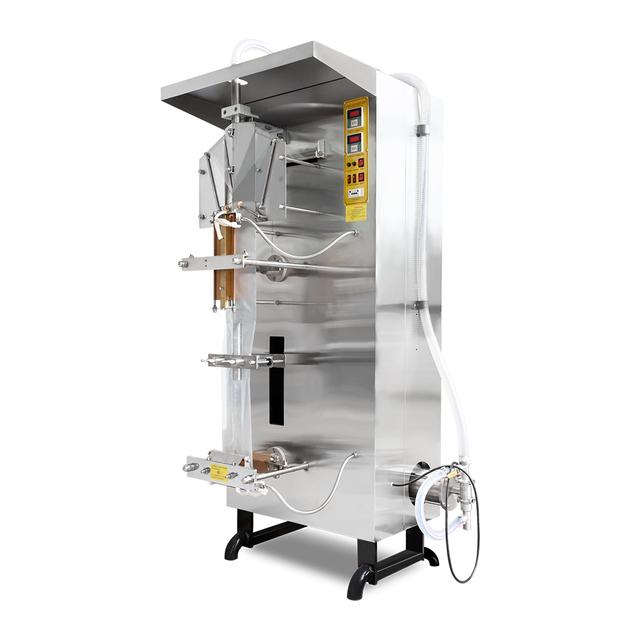
Review every wetted component, including vessel, pump or piston, valve, hose, gasket, nozzle, fittings, and temporary transfer equipment. Ask the supplier to identify materials precisely and state any limitations. Compatibility should consider both product exposure and cleaning chemicals at actual concentration and temperature. Swelling, brittleness, flavor carryover, or difficult drainage may appear only after repeated use.
The pouch must also suit the oil. Barrier, sealant layer, print protection, migration requirements, drop resistance, and storage life are package-development questions, while feeding and sealing are machine questions. Test the commercial laminate with the commercial oil. A seam that passes dry testing can behave differently after oil contamination or prolonged contact.
Liquid filling may use a pump, piston, gravity arrangement, or another principle depending on product and package. Compare repeatability, cutoff, particle passage, cleaning, priming, refill behavior, and the ability to drain. The most important observation is often the final drop: a nozzle that strings or drips can place oil directly where the transverse seal must close.
Position and timing should be tested with the smallest pouch opening and highest practical fill. A diving nozzle or shutoff feature may help in some configurations, but each adds moving contact parts and cleaning requirements. Judge the proposal by consecutive finished packs, not by a container filled slowly outside the packaging cycle.
Build a protocol around the boundaries most likely to fail. Include colder and warmer permitted product, low and high supply levels, normal refill, the smallest opening, the largest quantity, stop and restart, and end-of-run drainage. Record setup, product lot, film reference, interventions, defect types, and ordered samples.
| Oil characteristic | Machine concern | Evidence needed before approval |
|---|---|---|
| Low viscosity | Splashing, valve leakage, rapid uncontrolled flow | Clean cutoff and stable fills through normal supply changes |
| High viscosity | Slow delivery, pressure, stringing, incomplete drainage | Repeatable dose at the coldest permitted condition |
| Suspended pieces | Blockage, damage, uneven distribution, seal contamination | Representative particles in ordered finished-pack samples |
| Oxidation or aroma sensitivity | Exposure, hold-up, package barrier, cleaning carryover | Approved process route and commercial pouch specification |
| Aggressive formulation | Contact-part or elastomer deterioration | Documented material review by responsible specialists |
Approve only the conditions demonstrated or otherwise supported by documented engineering review. The trial should not create unsupported shelf-life, compliance, or chemical-resistance claims. Those decisions require the product owner, material supplier, and relevant quality experts.
Keep a controlled list that connects each oil to its pouch, contact parts, filler setup, cleaning method, recipe, and release checks. Note which products may share equipment and which require dedicated components. When formulation, supplier, film, or target quantity changes, assess the effect before production rather than silently using the nearest recipe.
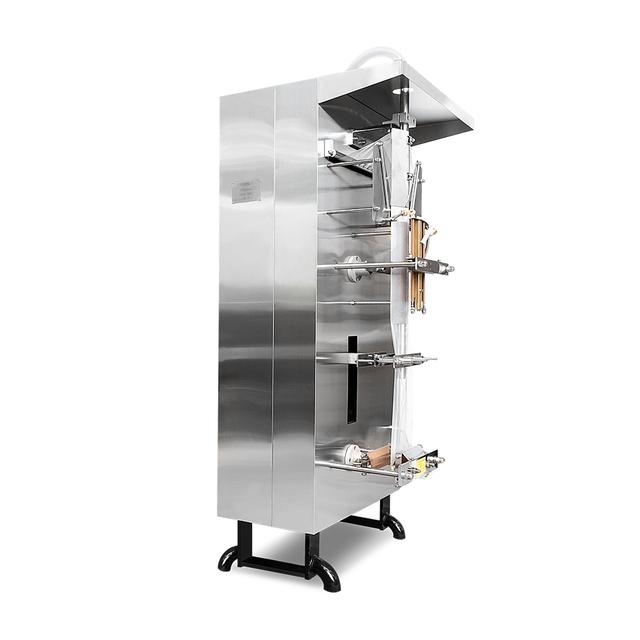
The oil pouch packaging machine category is a starting point for discussing liquid configurations. Final selection should use the portfolio matrix and witnessed samples. Ask for drawings, change-part lists, recommended spares, drainage details, and training that shows operators how to recognize poor cutoff, product in the seal, and unstable supply conditions.
Can the same filler handle thin and thick oils?
It may cover a defined range with suitable parts and recipes, but both ends need testing. Cutoff, cycle timing, pressure, and cleaning can change substantially with viscosity.
Are oils containing spices suitable for small pouches?
Possibly, if particles can pass the product route and remain evenly distributed without entering the seal. Sample size, concentration, and pouch opening must be demonstrated.
Can cosmetic oil run after edible oil?
Do not assume so. The facility must review contamination, chemical compatibility, cleaning validation, legal obligations, and whether dedicated equipment is required.
Why does an oil pouch leak only after handling?
The seam may contain a fine channel, wrinkle, contamination, or damage that opens under flexing. Include handling and the selected leak test in qualification.
What change should trigger requalification?
A meaningful formulation, viscosity window, particle, contact part, pouch material, size, fill quantity, or cleaning change should be assessed before the approved scope is extended.
Cleaning trials should include the end of a realistic batch, because a small demonstration quantity may drain far more easily than a full product circuit after hours of operation. Observe low points, flexible hoses, valve cavities, nozzle removal, and the route used to collect remaining oil. Define whether recovered material may be returned, segregated, or discarded under the site's product rules. Record the tools, time, and parts needed to reach a visibly clean and inspectable condition.
Package size changes can alter the oil behavior even when formulation is unchanged. A small dose may leave little time for a trailing drop to clear, while a large dose may heat the filler, increase pouch load, and reduce headspace. Test both limits with their own nozzle position, timing, and discharge handling. If the largest pouch requires support while sealing or cooling, include that equipment in the purchase scope rather than treating it as an optional conveyor.
Utilities and surroundings should be part of compatibility. Compressed-air quality can affect valves, unstable electrical supply can interrupt heaters and controls, and room temperature can shift viscosity. Spill containment and floor drainage influence safe response to a hose or pouch failure. These conditions do not decide whether an oil is chemically packable, but they determine whether the chosen process can remain controlled in the actual facility.
During scale-up, compare the laboratory or pilot sample with production batches. Raw-material source, filtration, flavoring, and transport can move viscosity or particle content beyond the original trial. Change control should flag these differences before the first commercial run. Retain the original acceptance packs and product data so the team can decide whether a brief confirmation or a full new qualification is appropriate.
Many oils can be pouch packed, but compatibility belongs to a defined oil, product condition, contact circuit, pouch, and cleaning process. Classify the portfolio by behavior, test difficult boundaries, and retain an approved configuration for each family. That method gives buyers a defensible answer while keeping unverified products clearly outside the machine's demonstrated scope.

YISEN MACHINERY - The ONE-STOP VFFS PACKING MACHINE SOLUTION SUPPLIER
 Tel: +8617350750975
 Email: info@vffspackingmachinery.com
 MP/WhatsApp: +8617350750975
 Manufacturer Address:Meixi Road, Tongan District, Xiamen,Fujian,China