

Hot Keyword:
Author:YISEN Pouch Packing Machine Manufacturer TIME:2024-08-27
A Doypack line can pack liquids, sauces, granules, powders, snacks, pet foods, and selected nonfood products when the pouch-opening system and product-specific filler are compatible. The premade-pouch transport may remain similar, but dosing, dust control, product-contact materials, cleaning, and seal protection must be engineered for each product family.
The term Doypack describes a stand-up flexible pouch, not one universal filling method. A rotary or linear machine can pick, open, support, seal, and discharge premade bags, while a dedicated filler meters the contents. This modular arrangement explains why the platform serves many industries. It also explains why a machine demonstrated with candy cannot automatically fill detergent powder or hot sauce without changes.
Define the package and the product as two connected workstreams. Pouch width, height, bottom gusset, zipper, spout, material stiffness, and sealant layer control how the bag moves. Flow, particle size, bulk density, viscosity, temperature, dust, hygiene, and chemical compatibility control how contents reach it. The proposed system must satisfy both sets of limits at the same operating point.
Buyers should request an installed-component list for every intended product. This identifies the feeder or pump, dosing range, nozzle, hopper, extraction connection, contact materials, and change parts. A capability list without configurations can hide significant conversion cost and may omit the equipment needed for the most difficult recipe.
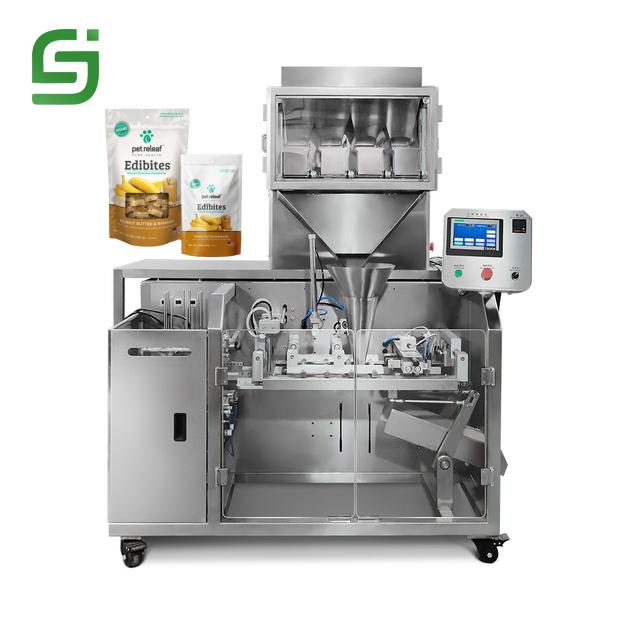
Product change frequency affects whether broad capability is economically useful. A co-packer making several short campaigns needs quick, verifiable conversions and organized storage for clean contact parts. A factory making one product for days may accept a slower sanitation cycle. Estimate time for draining, cleaning, inspection, assembly, recipe selection, trial pouches, and quality release before comparing nominal production rates.
Water-like beverages, oils, and other low-viscosity liquids can use gravity or pump filling where the product process permits. The principal challenges are splashing, foaming, dripping, and maintaining a clean pouch mouth. A positive shutoff nozzle, accurate package positioning, controlled flow profile, and no-pouch-no-fill logic reduce waste. Spouted pouches introduce additional alignment and closure checks.
Thin liquids reveal valve leakage quickly during stops. Test the nozzle while the line is stationary and again when it restarts. Head pressure or pump supply should remain stable as the tank level changes. If the product foams, filling speed and nozzle depth may need adjustment. Package tests should include leakage after inversion and distribution handling, not only visual inspection beside the machine.
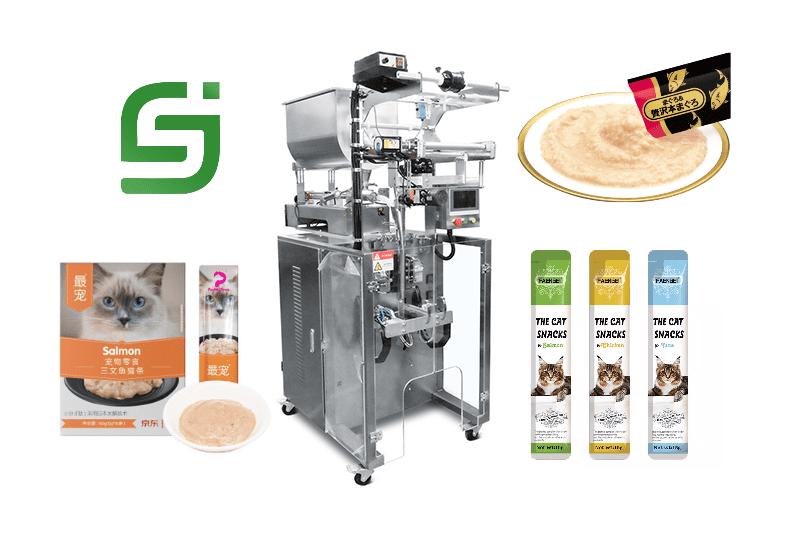
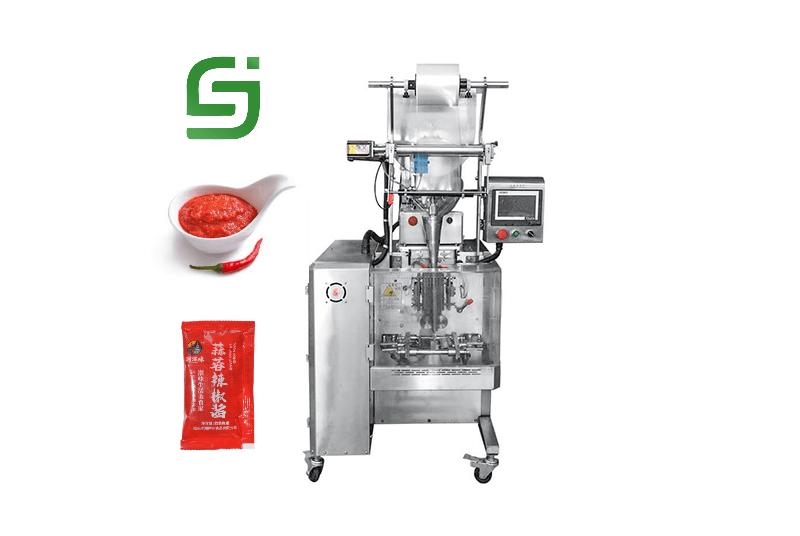
Ketchup, honey, dressings, creams, and pastes require equipment sized for viscosity and particles at the real filling temperature. Piston fillers and sanitary pumps are common choices, but their valves, seals, hoses, and nozzles must suit the recipe. Heating or agitation may be used only where product requirements allow. The thickest batch and largest particle normally define the difficult case.
Stringing and splash can place product in the heat-seal area. Bottom-up filling, suck-back, wider nozzles, slower final flow, and enough headspace may help. Cleanability becomes a major selection factor because residue can remain in valves and fittings. Test a complete changeover, including product recovery, washing, inspection, drying, assembly, and first released pouch.
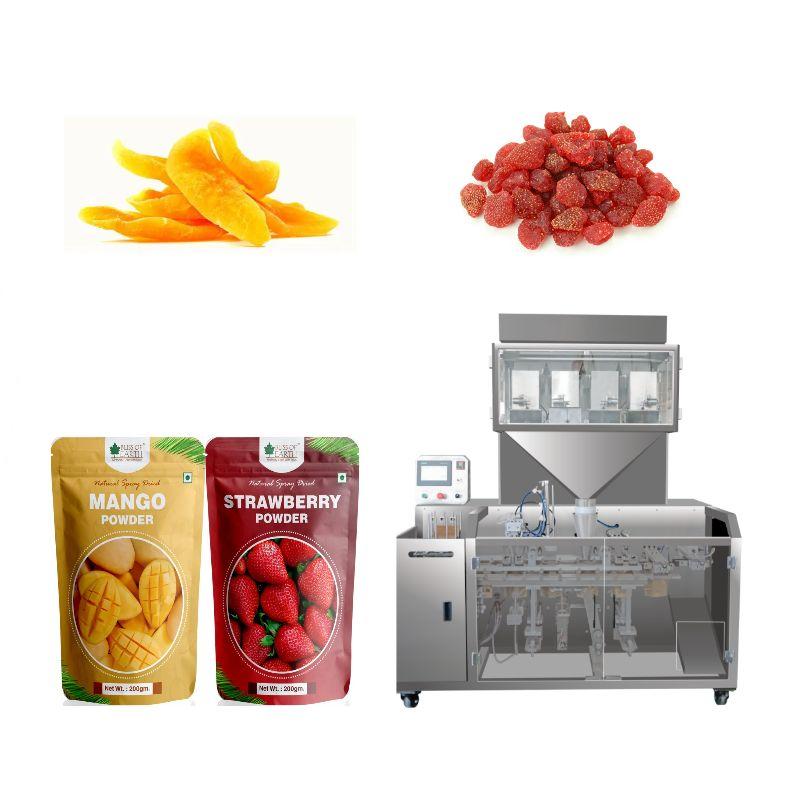
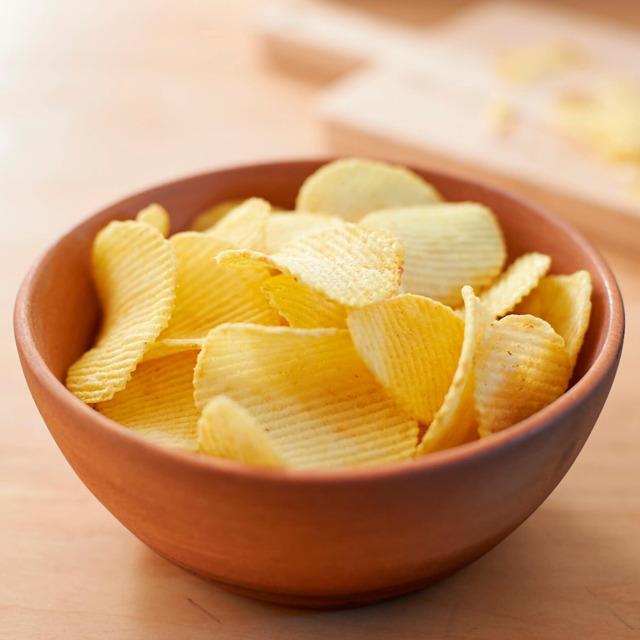
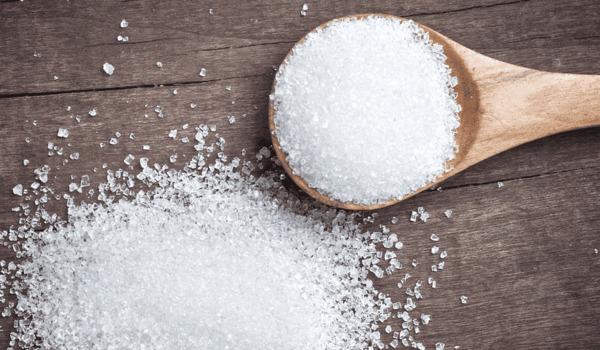
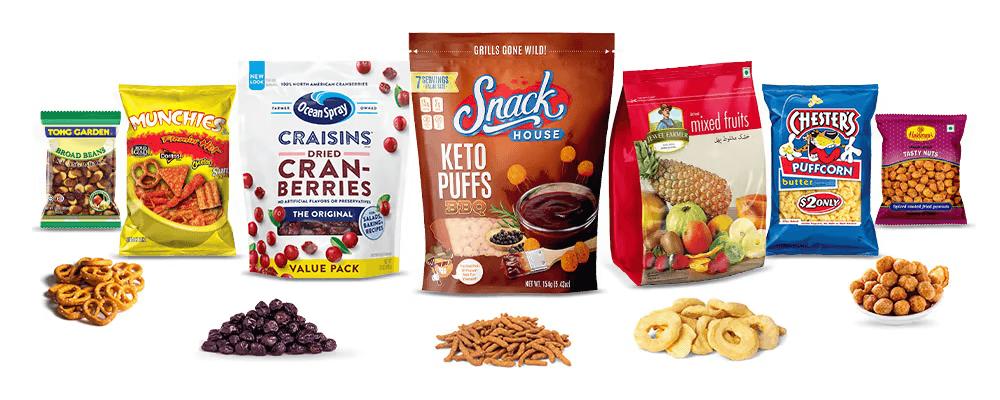
Rice, sugar, salt, nuts, candy, snacks, pet kibble, seeds, and hardware pieces can be packed when the product flows through the filler and pouch opening without bridging or breakage. Multihead or linear weighers measure many foods, while volumetric cups may suit stable free-flowing materials. Counting systems are appropriate where piece count rather than weight defines the pack.
Drop height and sharp transitions matter for fragile snacks or coated kibble. Mixed products may segregate under vibration even though total weight remains correct. Test fines from the bottom of a bin, the largest pieces, and a representative blend. The pouch needs enough opening width and bottom support for the dose to settle before sealing. Static or oily coatings can change flow during a long run.
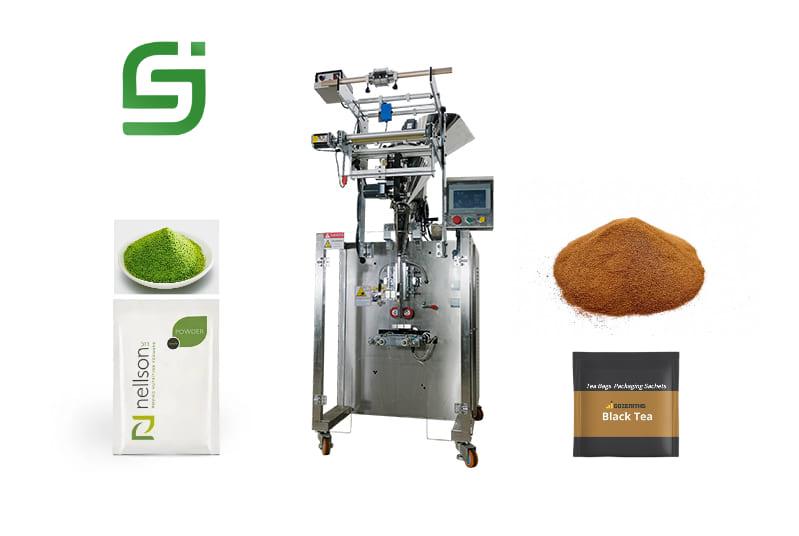
Flour, spices, milk powder, supplements, detergent, and similar materials are commonly dosed with augers or other powder feeders. Their behavior varies with particle size, moisture, aeration, compressibility, and tendency to bridge. An auger selected for a dense free-flowing powder may not control a fluffy product at the same dose range. Product trials must include normal storage condition and bulk-density variation.
Dust extraction, enclosed transfer, a controlled filling tube, and time for powder to settle help protect the seal. Excess suction can remove light ingredients or alter dose composition, so airflow must be balanced. Grounding and static control may be relevant, and combustible dust requires a formal hazard review beyond ordinary packaging selection. Cleaning access should prevent residue from mixing with the next formula.
Dry-product package quality also depends on what happens after filling. Sharp or heavy pieces can puncture flexible material during drops, and bulky snacks can force open a fresh top seal if bags are compressed too early. Observe discharge, checkweighing, metal detection, accumulation, and case packing with full packs. The pouch specification should include puncture and drop performance appropriate to distribution.
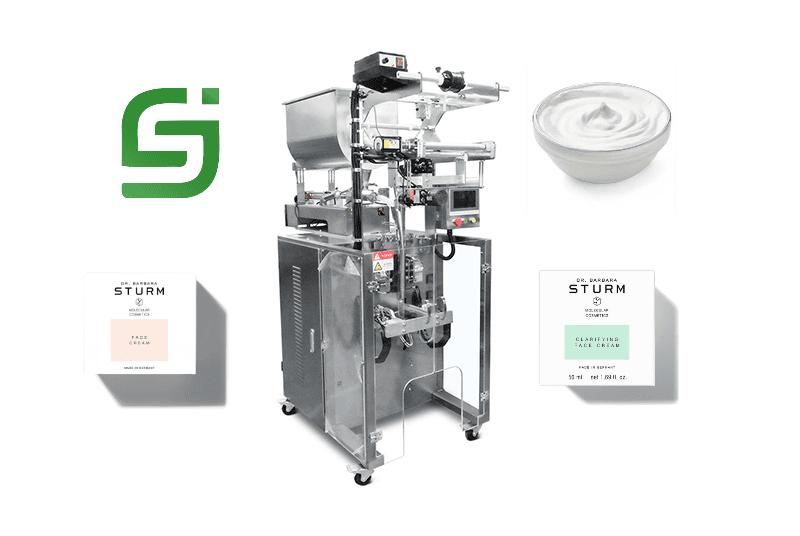
Cosmetic gels, household products, agricultural materials, and selected medical or nutraceutical goods may use stand-up pouches, but suitability is application-specific. Check corrosion, solvent or fragrance effects, abrasive particles, required contact materials, cleaning chemicals, and operator exposure. A food-grade construction claim does not prove resistance to every chemical, while chemical compatibility does not establish hygienic compliance.
Regulated products can require validated cleaning, controlled environments, traceability, or documented inspection that the base bagger does not provide automatically. The product owner should define the applicable quality and safety requirements. Suppliers can then state what the proposed configuration supports and what remains part of the facility, upstream process, or quality system. Avoid inferring compliance from machine appearance.
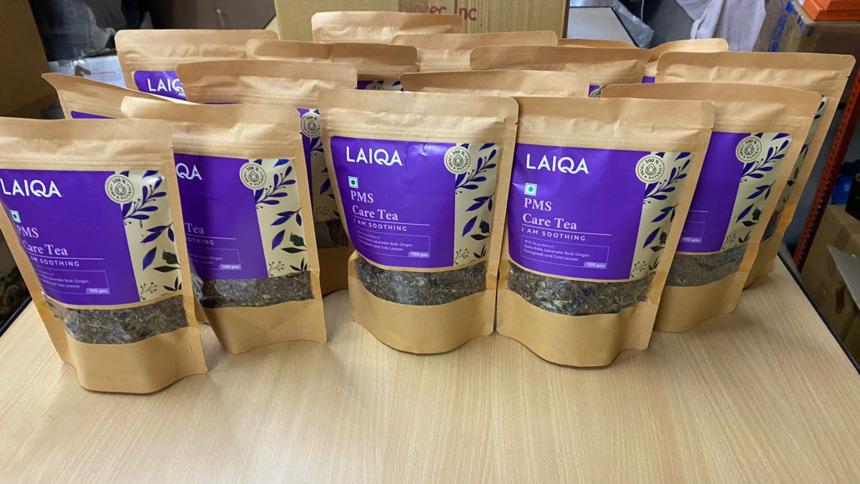
Standard stand-up bags, zipper pouches, spouted packs, shaped pouches, and hanging-hole formats impose different handling demands. Stiffness and curl influence pickup; zipper location changes the clear filling opening; a spout can alter orientation and sealing operations. The product affects headspace, barrier needs, consumer dispensing, and package strength. Package material must tolerate both the contents and the sealing process.
Test the smallest and largest approved sizes with production-quality pouches from expected manufacturing lots. Review opening failures, gripper marks, wrinkles, seal position, code area, and discharge stability. Heavy liquids may need bottom support, while bulky snacks require greater volume than weight suggests. The relevant Doypack packing machine arrangement should be selected around actual pouch drawings and retained samples.
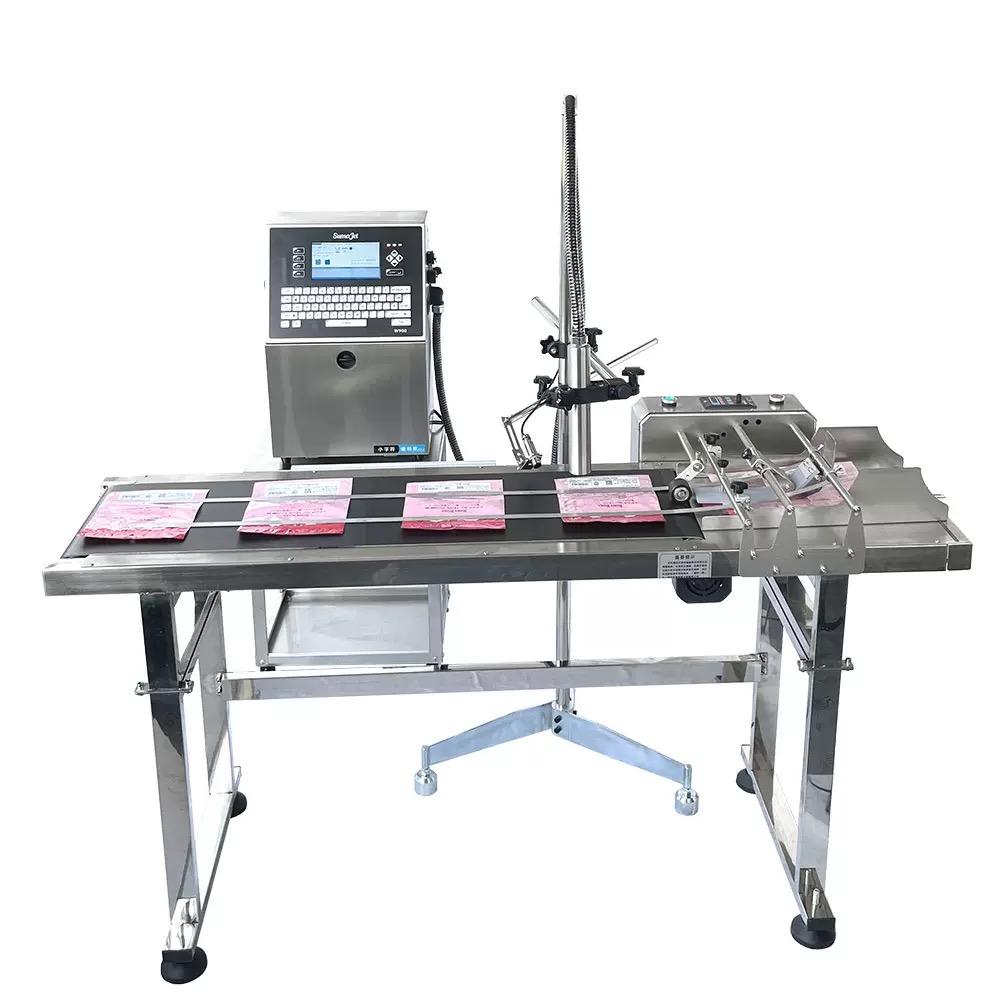
Format conversion needs more than selecting a saved recipe. Operators may change gripper width, pouch magazine guides, opening cups, filling chutes, support height, seal-jaw position, printer location, and conveyor rails. The setup sheet should connect each mechanical part to its pouch drawing and product. Color coding or clear part identification reduces the chance of combining an electronic recipe with the wrong hardware.
A product matrix turns a broad versatility claim into testable configurations. For each item, list normal and worst-case condition, dose range, pouch, filler, nozzle or chute, contact parts, cleaning method, expected changeover, and release checks. Group products only when the same setup is genuinely suitable. Differences should remain visible in the purchase scope.
| Product family | Typical filling concern | Trial focus |
|---|---|---|
| Thin liquid | Drip, foam, splash | Cutoff after stop and leak test |
| Viscous sauce | Flow restriction and dirty seals | Low-temperature fill and cleaning |
| Granules or pieces | Breakage, bridging, segregation | Consecutive weights and composition |
| Powder | Dust, aeration, bulk-density change | Long run, extraction, seal inspection |
| Nonfood formulation | Material and safety compatibility | Contact review and controlled samples |
Witness startup, stable running, refill, a planned stop, restart, and changeover. Count accepted pouches and record manual intervention. Retain product condition, pouch lot, settings, installed parts, and defective examples. This evidence establishes the approved operating envelope without fabricating a universal list of products.
Approval records should be maintained as a controlled product-and-format list. When a recipe, pouch supplier, dose range, or cleaning chemical changes, review whether the previous evidence still applies. This prevents an initial versatility claim from expanding silently beyond the combinations that were actually demonstrated.
Can one Doypack line fill both powder and liquid?
The pouch-handling platform may be shared, but separate fillers, product paths, cleaning procedures, and possibly extraction equipment are normally required.
Are zipper pouches suitable for every product?
No. The zipper reduces the clear opening and must remain clean. Dose size, particles, consumer use, and seal design determine suitability.
What limits the largest pouch size?
Gripper travel, station clearance, opening width, fill weight, support, sealing-jaw length, and discharge handling all contribute.
Can a supplier test use a substitute product?
A substitute can support early setup, but final approval should use representative material with the relevant flow, particles, temperature, and cleaning behavior.
How many product changes should be tested?
Test every distinct filler or contact-path configuration and the most difficult conversion, especially where allergens, flavors, colors, or chemicals differ.
Doypack equipment can serve an unusually broad product range because pouch transport and dosing are modular, but that flexibility is conditional. Liquids, pastes, granules, powders, and nonfood formulations each create different feed, hygiene, safety, and seal challenges. A reliable scope names the installed configuration for every family and confirms it with representative products, production pouches, operating interruptions, and a documented changeover.

YISEN MACHINERY - The ONE-STOP VFFS PACKING MACHINE SOLUTION SUPPLIER
 Tel: +8617350750975
 Email: info@vffspackingmachinery.com
 MP/WhatsApp: +8617350750975
 Manufacturer Address:Meixi Road, Tongan District, Xiamen,Fujian,China