

Hot Keyword:
Author:YISEN Pouch Packing Machine Manufacturer TIME:2024-10-07
The maintenance plan should keep powder away from electrical and sealing zones while preserving accurate flow through the feeder. Work must be done under the facility's isolation, respiratory protection, housekeeping, and chemical-handling procedures.
Maintain a washing powder line by containing dust, preventing product compaction, cleaning the dosing path, protecting sensors and drives, and checking seals after every service intervention. Detergent powder can be abrasive, hygroscopic, dusty, and chemically demanding, so a generic “wipe and lubricate” schedule is inadequate. The product's safety information and the machine supplier's instructions should define approved methods.
Record bulk density, particle distribution, dustiness, moisture sensitivity, fragrance or additive content, abrasiveness, and the tendency to cake. Review the product safety information with qualified personnel. These facts influence seals and hoses, cleaning tools, extraction, personal protection, and inspection frequency. A powder that looks free-flowing during startup can compact on an agitator shaft or absorb moisture during a long stop.
Map where product is poured, conveyed, stored, dosed, dropped, and sealed. Look for joints that leak dust, flat surfaces that collect deposits, and hidden spaces where another recipe can remain. Establish a clean baseline with photographs and access notes. Maintenance becomes more reliable when each location has an expected condition and an escalation rule.
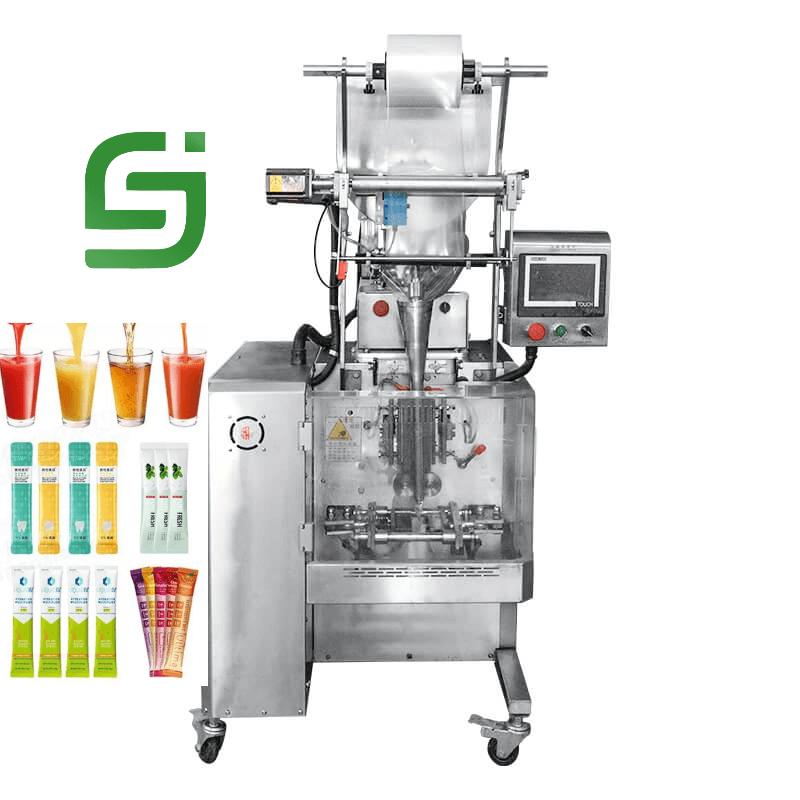
Check covers, flexible connections, clamps, gaskets, transfer joints, inspection ports, and extraction pickup points. A visible dust plume can indicate a failed seal, excessive drop, blocked vent, unsuitable airflow, or a process surge. Do not respond by increasing extraction without reviewing whether product is being removed unpredictably or the film is being disturbed.
Extraction ducting and filters may be owned by another system, so interface responsibilities must be clear. Verify inspection and cleaning access, pressure or flow indications where supplied, safe collection of dust, and the response to a blocked filter. Never use compressed air to scatter deposits unless an approved procedure specifically permits it; airborne dust can migrate into electrical and sealing areas.
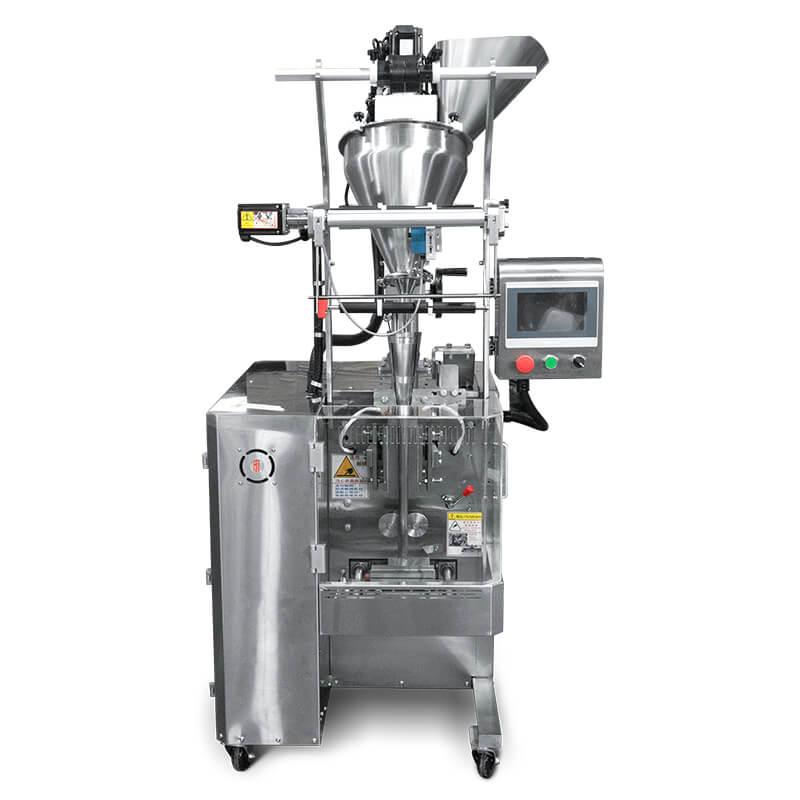
Auger systems, volumetric cups, weighers, or other feeders require different service tasks. For an auger arrangement, inspect hopper agitation, screw and tube condition, shaft seals, bearings, couplings, and mounting. Wear changes clearances and may alter quantity or heat the product. For weighing equipment, protect load cells and flexible connections from impact, overload, and buildup.
Remove compacted powder using approved tools after safe isolation. Scraping with hard improvised objects can damage contact surfaces and create new retention points. Identify product-contact parts by recipe and size, then verify correct assembly. After cleaning, rotate or move components only as the manual permits and check that guards and fasteners are restored.
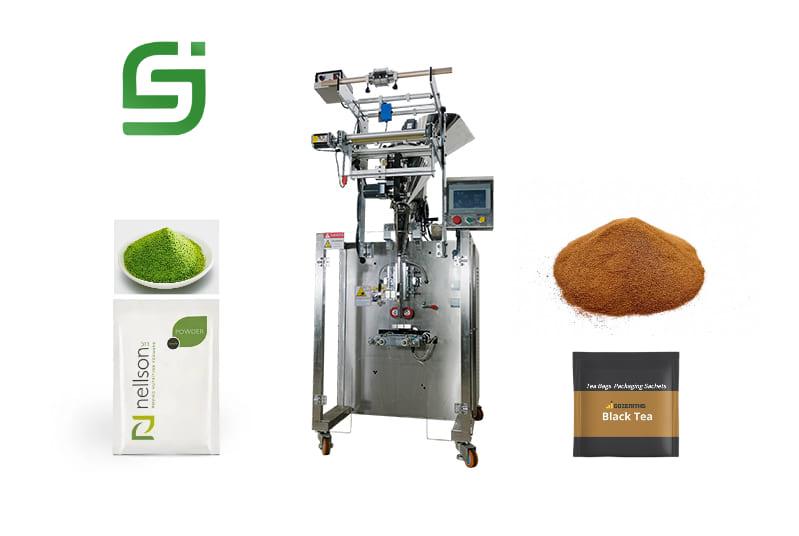
Dust on pull belts, rollers, guides, and registration sensors can cause slipping or false detection. Clean optical surfaces and traction components with suitable materials before changing tension or sensitivity. Inspect film edges and rollers for abrasion that may reveal misalignment. Record former and guide positions for each format so cleaning does not erase the setup reference.
The transverse seam is particularly vulnerable to powder falling late or being carried by air. Inspect jaws, coverings, heaters, sensors, pressure mechanisms, and cutter surfaces when safely cooled. Classify defects as contamination, wrinkle, incomplete fusion, thermal damage, or cut error. More sealing energy cannot correct powder trapped between layers.
Look for damaged cable glands, open cabinet entries, loose connectors, coated cooling paths, and sensors whose brackets have moved. Electrical cabinets should be opened and serviced only by authorized staff following the equipment and site procedures. Filter or cooling maintenance must use the specified parts and intervals; uncontrolled dust removal can push contamination deeper into equipment.
Alarm history can identify an emerging sensor or drive issue, but the physical condition still needs inspection. Record intermittent events with product, time, machine state, and exact location. Replacing a sensor without fixing vibration or a damaged cable may produce the same fault. Preserve approved parameters and software backups before component replacement.
Many detergent powder operations favor controlled dry removal, while another plant may have a validated alternative. Decide method through the product, machine protection, chemical safety, and quality requirements. Define the order of emptying, vacuuming or collection, part removal, detailed cleaning, inspection, reassembly, and line clearance. Use equipment rated and approved for the applicable environment.
Cleaning should prevent mixing between fragrances, colors, formulas, and incompatible products. Inspect screw flights, hopper corners, flexible boots, ledges, guards, formers, and the area below the dosing tube. Label clean parts and keep them protected. A visibly empty hopper does not prove that the complete route is clear.
Start with supplier recommendations, then use run hours, product severity, dust observations, stop history, and component condition to refine the local plan. Daily work may focus on leaks, buildup, guards, pack quality, and unusual sounds. Planned technical work can cover drives, dosing clearances, extraction interfaces, electrical protection, sealing components, safety devices, and lubrication at specified points.
| Inspection focus | Condition signal | Required decision | Verification after work |
|---|---|---|---|
| Powder containment | New dust pattern or leaking joint | Find source and restore sealed transfer | Observe refill and stable production |
| Dosing mechanism | Quantity trend, noise, heat, visible wear | Clean, measure, adjust, or replace per procedure | Ordered finished-pack quantity results |
| Film transport | Slip, wandering edge, missed print mark | Clean and inspect before setting changes | Stable registration through a representative run |
| Sealing station | Powder channel, seam mark, poor cut | Separate contamination from mechanical defect | Approved seam and cut samples |
| Safety and controls | Damaged guard, cable, or intermittent signal | Qualified repair and functional test | Documented safe operation |
Do not shorten intervals merely to compensate for an unresolved cause. Repeated early wear can come from misalignment, abrasive formulation, improper assembly, or unsuitable parts. Investigate the pattern and update the task only after the corrective action is verified.
After maintenance, account for tools and parts, restore guards, confirm extraction and utilities, select the approved tooling and recipe, and inspect the complete route. Prime in a controlled way and keep initial product segregated according to the site procedure. Observe dust containment while the hopper is filled and the feeder begins operating.
Release requires finished packages that meet quantity, appearance, code, seal, and handling criteria. Record sample order and any adjustment. A washing powder packaging machine is not ready simply because its mechanisms move. Preserve the work order, replaced parts, settings touched, safety checks, defect result, and authorization for future diagnosis.
Can compressed air be used to clean powder from the line?
Only if the approved site and machine procedure permits it. Blowing can spread dust into electrical, bearing, seal, and workplace areas rather than removing it.
Why does dosing change as the shift continues?
Check powder condition, hopper level, compaction, buildup, feeder wear, refill events, and product supply before changing the recipe.
How are sealing defects related to maintenance?
Dirty jaws, loose sensors, worn coverings, uneven contact, powder timing, and film slip can all affect seams. Classify the defect before repair.
Which spare parts should be stocked?
Base stock on the installed configuration, failure consequence, lead time, and history. Confirm exact part numbers and storage conditions with the supplier.
What is the key post-maintenance record?
Keep the observed condition, work performed, parts and parameters, safety test, ordered pack results, remaining concerns, and release authorization.
Corrosion and chemical attack should be examined at joints, fasteners, product seals, flexible parts, and areas exposed to cleaning agents. A material that performs well with one detergent formula may discolor, swell, or become brittle with another. Use documented compatibility review and inspect condition over time. Replacing a gasket with an unidentified look-alike can create both a leak and an unapproved product-contact change.
Utilities influence maintenance findings. Wet or contaminated compressed air can damage pneumatic components; unstable extraction can redistribute dust; poor grounding or static control can contribute to nuisance signals; high room humidity can cake product. Record utility condition when faults recur. Technical teams should correct the supporting system instead of repeatedly adjusting the packer around a facility problem.
Emergency and abnormal cleanup needs a separate procedure from routine sanitation. Define how to isolate a burst bag, failed hose, major hopper spill, or extraction fault, and where collected material goes. Protect personnel and prevent dust from spreading to ignition sources or unrelated production areas according to the site's risk controls. After the event, inspect affected sensors, seals, guides, cabinets, and safety devices before performing the normal production release.
Inspect product labels and code systems after maintenance near film transport or controls. Dust cleaning and sensor work can move a printer trigger, cable, or bracket. Release samples should confirm correct detergent identity, readable data, and position as well as quantity and seams.
Retain clean reference photographs for future shift inspections and audits.
Washing powder maintenance is primarily a dust, flow, wear, and seal-control discipline. Map deposits, keep the dosing path inspectable, protect film and electrical systems, and release the line with tested finished packs. A risk-based schedule supported by precise records helps prevent small powder leaks or buildup from becoming larger reliability and quality problems.

YISEN MACHINERY - The ONE-STOP VFFS PACKING MACHINE SOLUTION SUPPLIER
 Tel: +8617350750975
 Email: info@vffspackingmachinery.com
 MP/WhatsApp: +8617350750975
 Manufacturer Address:Meixi Road, Tongan District, Xiamen,Fujian,China