

Hot Keyword:
Author:YISEN Pouch Packing Machine Manufacturer TIME:2024-12-13
A complete project includes product supply, bag replenishment, coding, inspection, rejects, discharge, cleaning, changeover, and maintenance. Automating only the center of the process may move labor or bottlenecks to another station. The business case therefore begins with a task map and ends with whole-line evidence.
Premade-bag equipment can improve automation by replacing repeated manual pouch picking, opening, holding, filling, top presentation, sealing, and transfer with a synchronized sequence. The improvement should be measured through accepted packs, controlled operator tasks, and predictable recovery, not assumed from the word automatic.
Observe the present process by product and shift. Record who supplies pouches, opens them, starts filling, prevents spills, wipes tops, seals, checks codes, moves finished packs, handles rejects, changes formats, and clears faults. Note waiting, lifting, repetitive motion, rework, material loss, and decisions that depend on individual experience. This baseline reveals which actions can be mechanized and which judgment or quality tasks remain.
Define the future role for operators rather than simply removing a headcount from a calculation. Automatic equipment still requires product and pouch replenishment, sample checks, line clearance, cleaning, changeovers, response to alarms, maintenance, and supervision. Some work becomes less repetitive but more technical. Include training and staffing for breaks, difficult products, and peak replenishment. A realistic task model protects the investment from an automation estimate based only on the easiest running period.
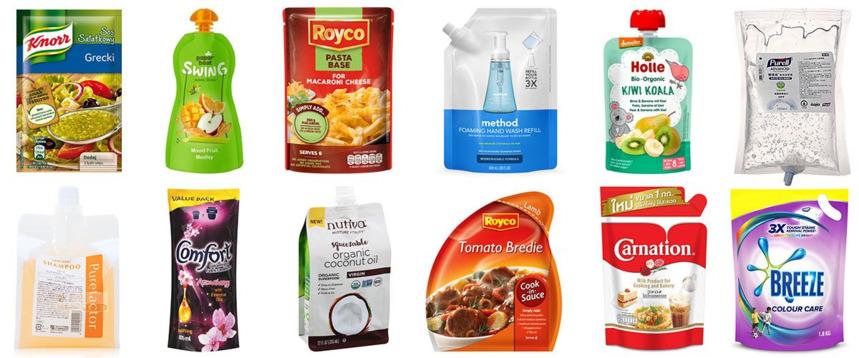
Pouches are loaded into a magazine or suitable supply arrangement. The machine separates one bag, transfers it with vacuum or grippers, and opens its mouth for filling. Material stiffness, surface friction, static, curl, zipper position, and bag variation affect the sequence. Sensors or mechanical checks may confirm presence and opening, depending on the design. The line should not release product when no valid pouch is ready.
Test double bags, a missed pickup, incomplete opening, low magazine condition, and realistic production pouch lots. Define what happens to each invalid pouch and whether the machine stops or skips filling. An alarm that detects the event but leaves a questionable bag inside the normal stream does not close the control loop. Replenishment access and the number of bags operators can load safely also influence practical automation.
The filler and pouch platform need shared states: ready, product available, valid bag, fill command, completed dose, fault, and reset. A weigher, auger, cup, pump, or other filler should be selected from the product and dose, while its discharge must fit the pouch opening. Product supply above or before the filler should maintain stable conditions through refill.
Observe the actual transfer into the pouch. Fragile pieces can break, powder can plume, and liquid can drip after an otherwise correct dose. Pouch support and settling may be required before the next station. Test a stop during filling and define the disposition of that bag. The Doypack packing machine range can frame the pouch platform, but the complete filler interface determines whether automation remains controlled with product.
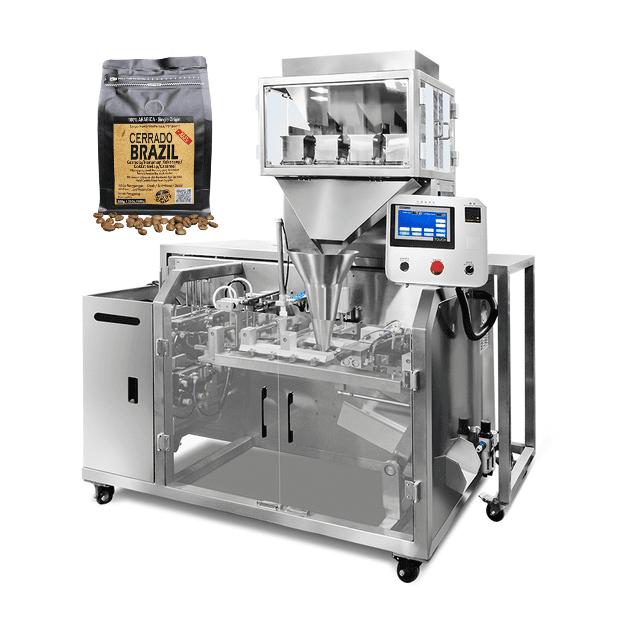
After filling, the line may settle product, clean or control the top, close a zipper, and present the pouch to sealing jaws. Approved material determines the practical heat, pressure, dwell, alignment, and cooling window. Product contamination, wrinkles, and unstable support should be prevented rather than hidden by changing temperature. Inspect seals after startup, steady production, interruption, and restart.
Coding must apply the approved message to the correct package at the correct position. Message selection, trigger, print quality, and reject response are part of automation. A readable date on the wrong product does not protect traceability. First-off release should verify product, pouch, recipe, code, seal, and downstream destination. Printed material removed during changeover needs reconciliation.
Bulk product feed, day hoppers, conveyors, pumps, and level controls determine whether the filler remains supplied. Downstream checkweighing, detection where applicable, code inspection, reject devices, counting, case packing, and pallet flow determine whether finished packs can leave. Define line states and signals so one unavailable module does not create uncontrolled product or packages.
Run filled pouches through transfers, stops, accumulation, and rejects. Soft or heavy bags can topple, stretch fresh seals, or lose spacing. Empty tests cannot show those effects. Assign every conveyor, guard, sensor, communication point, and reject bin to a supplier. When interfaces are omitted, site teams often perform manual handling that weakens the original automation case.
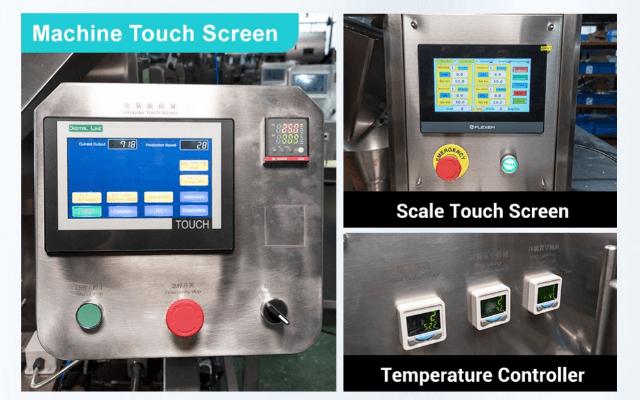
An effective alarm explains the event, identifies the state of the current product and pouch, and guides authorized correction. Operators need to know which units are segregated and which checks allow restart. Excessive alarms, unclear messages, or repeated nuisance conditions encourage bypass and improvised recovery. Acceptance should challenge expected faults and observe actions rather than review an alarm list only.
Test loss of product, missing pouch, failed opening, seal-temperature condition, code fault, downstream block, and guard event where they apply to the proposed line. Confirm that manual modes have suitable controls and cannot silently return uncertain units. Record recovery time separately from stable running. Normal interruptions reveal automation quality more clearly than an uninterrupted demonstration.
Count accepted packs after dose, product condition, seal, code, appearance, and downstream checks. Record operator interventions, replenishment, stops by cause, rejects, product and pouch waste, changeover time, cleaning, and maintenance. Compare equivalent product mixes and campaign lengths before and after automation. A maximum cycle rate or reduced staffing claim does not show whether work moved to rework, clearing, or inspection.
Financial analysis should use the buyer's labor, waste, uptime, service, utility, spare-part, training, and capital assumptions. Do not assign a universal payback. The table provides an evidence structure.
| Automation area | Baseline measure | Trial evidence | Decision question |
|---|---|---|---|
| Pouch handling | Manual touches, opening defects, and material loss | Pickup and opening faults across production lots | Are invalid bags controlled before filling? |
| Product filling | Dose checks, spills, damage, and operator correction | Sequential filled pouches through refill and restart | Does synchronization protect product and closures? |
| Quality steps | Seal, code, inspection, and rework findings | Challenge tests with reconciled rejects | Are questionable packs separated reliably? |
| Labor effect | Time by supply, production, check, clearing, and cleanup task | Observed roles during complete campaigns | Is work reduced, made safer, or merely relocated? |
| Whole line | Accepted output, stops, changeovers, and waste | Integrated run through secondary packing | Does the installed system sustain the approved result? |
Automation adds sensors, actuators, guards, wiring, software, and interfaces. These should not block product recovery, sanitation, pouch guide changes, jaw care, or inspection. Witness a complete product and format transition. Identify change parts and provide protected storage. Verify software backups, recipe access, diagnostic information, manuals, and recommended spares before handover.
Operators, maintenance, quality, and engineering should train on the same machine states and package criteria. A fast automatic line with slow fault diagnosis can lose more time than a simpler controllable system. Keep a supported manual or degraded operating route only where risk review allows it and where package disposition remains clear. Maintainability is part of automation performance.
Does a premade-pouch line run without operators? No. Material supply, checks, cleaning, changeover, recovery, maintenance, and supervision still require defined human roles.
What should a company automate first? Prioritize repeated tasks, exposure, ergonomic issues, or quality losses supported by baseline evidence and complete-line compatibility.
How are automation savings verified? Compare accepted output, task time, interventions, waste, changeover, maintenance, and quality for equivalent production conditions.
Why test alarm recovery? Practical performance depends on how safely and consistently the line controls product and packages after ordinary interruptions.
Can downstream machines be added later? Possibly, but reserve space, elevations, signals, pouch orientation, reject logic, guarding, and control capacity in the initial design.
Automation acceptance should include a realistic ramp-up plan. Factory trials establish a configuration, but site utilities, product delivery, pouch storage, staffing, room conditions, and connected equipment can change performance. Define commissioning samples, temporary inspection frequency, escalation, and the point at which normal production is released. Track early faults by cause rather than allowing repeated manual assistance to become the unofficial standard. Close each correction with updated drawings, settings, training, or spare parts as appropriate.
Safety and ergonomic review must follow the final integrated layout. Automatic movement can remove lifting or repetitive pouch handling while introducing guarded transfer points, elevated replenishment, maintenance access, and reject removal tasks. Verify aisles, platforms, line-of-sight, controls, isolation, guard openings, and safe cleaning positions with the actual modules installed. The commercial calculation should not depend on a work method that the plant's authorized review does not approve.
Lifecycle ownership also affects value. Confirm software and recipe backups, user management, diagnostic records, service access rules, preventive tasks, recommended spares, and supplier response. Obsolete or unsupported controls can undermine a productive mechanical line. Choose interfaces and documentation that the plant can maintain, and retain a tested recovery plan for failures of coding, inspection, communication, or other essential modules.
Premade-pouch automation is most valuable when it controls the path from one valid empty bag to an inspected finished pack and gives operators a reliable response to faults. Automating isolated movement without controlling product, identity, rejects, or downstream flow creates only partial benefit.
Map current tasks, test integrated interfaces, and calculate improvement from whole-line accepted output. A line chosen on those facts can reduce repetitive handling while keeping people, maintenance, and quality functions properly designed into production.

YISEN MACHINERY - The ONE-STOP VFFS PACKING MACHINE SOLUTION SUPPLIER
 Tel: +8617350750975
 Email: info@vffspackingmachinery.com
 MP/WhatsApp: +8617350750975
 Manufacturer Address:Meixi Road, Tongan District, Xiamen,Fujian,China