

Hot Keyword:
Author:YISEN Pouch Packing Machine Manufacturer TIME:2026-09-05
Maintain a tea bag packaging machine through machine-specific cleaning, inspection, lubrication, condition monitoring, planned replacement, and documented release after intervention. The schedule must follow the delivered filler, material paths, sealing system, options, operating hours, tea dust, and supplier procedures rather than a universal calendar copied from another line.
Build the maintenance plan from the supplied machine manuals and as-built options. Define safe isolation, access limits, operator tasks, qualified-maintenance tasks, supplier-only work, tools, consumables, inspection limits, and verification records. A blog checklist cannot replace machine-specific safety procedures.

Handover maintenance at installation: Ask the supplier to demonstrate safe access, cleaning, inspection, lubrication, representative wear-part replacement, recipe backup, and alarm-history retrieval. The local team should repeat essential tasks while observed. Record missing tools, unclear instructions, inaccessible points, and training actions before the technician leaves.
Base tasks on the supplied machine documentation: The maintenance plan should match the delivered filler, bag-forming system, thread and tag, envelope module, coder, and utilities. Record which tasks operators may perform, which require trained maintenance personnel, and which require supplier support. Include isolation and safe-access rules from the manufacturer; a blog checklist cannot replace machine-specific safety procedures.
Each shift should remove tea residue, packaging scraps, thread, tags, and dust using approved methods, then inspect leaks, looseness, guards, sensors, material tracking, abnormal sound, heat marks, and obvious wear. Record abnormal conditions and assign action instead of signing only cleaned.
| Maintenance area | Condition to review | Record |
|---|---|---|
| Product contact | Tea residue, dust, damage, access, and reassembly | Cleaning method and inspection result |
| Material path | Paper/mesh/film tracking, thread, tags, scraps, guides, and tension | Observed wear or correction |
| Seal and cut | Surface condition, contamination, alignment, pressure, temperature response, and cutter wear | Sample result and component history |
| Utilities/controls | Air leakage, filters, sensors, drives, alarms, cables, and environment | Reading, fault, or planned action |
| Safety | Guarding, interlocks, isolation, labels, and authorized work boundary | Named check under machine procedure |
Maintenance terminology: Shift care covers routine cleaning and visible checks. Planned maintenance follows the machine schedule and observed condition. Intervention release is the documented confirmation that the line produces accepted output after technical work.
Separate cleaning from technical inspection: Product-contact areas need a verified method for removing tea dust, leaves, oils, and residue without damaging surfaces or losing small parts. Material paths need checks for scraps, adhesive, thread, tag stock, paper fibers, and film deposits. Technical inspection covers looseness, wear, abnormal sound, heat damage, air leakage, sensor contamination, tracking, tension, and guarding. Give each observation a response instead of marking a box that says only "cleaned."
Hoppers, augers, cups, weighers, vibratory feeders, and product drop paths need checks for buildup, abrasion, looseness, alignment, residue, and damage. Review refill behavior and dosing evidence after contact parts are removed, adjusted, or replaced, especially with dusty or oily blends.

Plan around operating condition: Fine tea dust, abrasive material, oily herbal ingredients, humid storage, multi-shift production, and frequent format changes can alter inspection and replacement needs. Start with the supplier schedule, then review evidence from actual use. Trend heater, cutter, belt, seal-surface, filter, vacuum, pneumatic, and feeder issues by running hours or cycles where the controls support it. Do not invent a fixed replacement interval when condition and manufacturer guidance are more appropriate.
Inspect filter paper or mesh tracking, rollers, guides, tension, thread and tag paths, envelope film, eyemarks, cutters, and scrap removal. Look for fibers, adhesive, stretch, drifting registration, damaged edges, or reassembly errors before changing recipes to hide a mechanical condition.
| Intervention | Release check | Escalate when |
|---|---|---|
| Cleaning | No residue or loose parts; correctly threaded materials | Damage, inaccessible contamination, or uncertain reassembly |
| Adjustment | Saved values and accepted dose/seal/bag samples | Control cannot remain stable |
| Part replacement | Correct identity, installation, alignment, and functional test | Revision or procedure is unclear |
| Fault recovery | Cause recorded, doubtful output isolated, restart sample accepted | Failure repeats or safety/quality boundary is uncertain |
Map the installed modules on the tea bag packaging machine options to the maintenance register, then assign contact-area, forming, sealing, tag, envelope, coder, utility, and control tasks.
Keep sealing surfaces clean and undamaged, and inspect tool identity, alignment, pressure, temperature response, cutters, anvils, and cooling where fitted. After technical work, confirm material tracking and inspect representative dose, seal, cut, tag, envelope, and code samples before release.
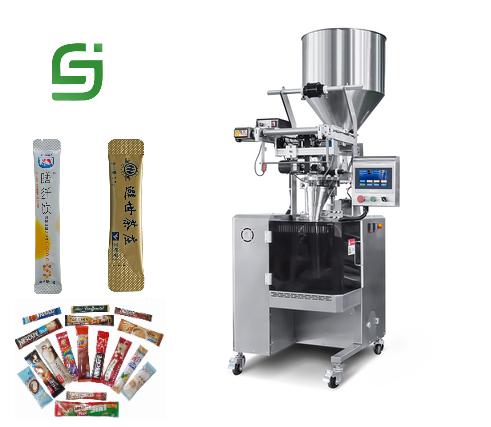
Trend air preparation, leakage, vacuum, sensors, encoders, drives, heaters, cables, alarms, electrical enclosures, recipes, and backups through the supplier's procedures. Preserve measurements and machine state before repeated adjustment so local and remote diagnosis starts with useful evidence.
Maintenance review: Task frequency and ownership must match the delivered machine, tea dust, material paths, operating hours, environment, and supplier procedures. Generic intervals should not override equipment documentation.
Prepare useful remote-support evidence: Keep current electrical and pneumatic drawings, alarm history, control version, machine serial number, photographs of the fault area, settings, recent maintenance, material lot, and failed samples available. Capture the machine state before repeated adjustments erase evidence. Clear inputs let supplier support distinguish a component fault from material, utility, setup, or operator conditions and reduce unnecessary part replacement.
Verify measurement and setting integrity: Review weighing scales, temperature sensing, pressure indication, encoders, photo eyes, and coding triggers through the applicable supplier and factory procedures. Protect saved recipes and document authorized changes. When a measurement device is checked or replaced, connect its result to finished tea bag samples so maintenance and quality records support the same machine state.
Organize planned work by shift, calendar, running hours or cycles, condition, and shutdown opportunity. Use only specified lubricants and quantities, protect product from contamination, track wear-part use, and connect repeated breakdowns to cause review, training, spares, and schedule changes.
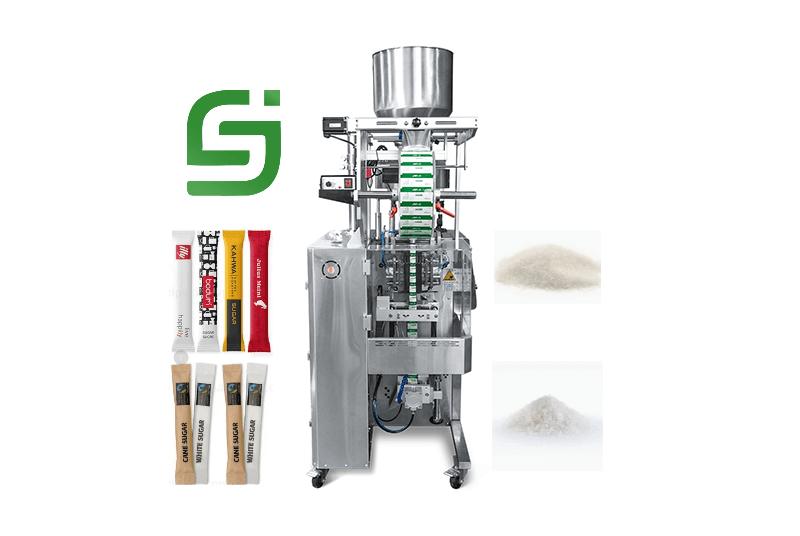
Control lubrication carefully: Use only the lubricant, quantity, location, and frequency specified for the delivered machine. Protect tea and packaging material from contamination and clean excess product after application. Mark points that must remain dry. Record date, machine hours where available, product used, and person responsible; applying more lubricant or using an unapproved substitute can create contamination or component problems rather than preventive care.
Build a tiered calendar: Organize tasks by shift, week, month, running hours or cycles, and planned shutdown according to supplier guidance. Shift work can cover cleaning and visible checks; deeper tasks can include filters, connections, fasteners, tension, drives, seal components, cutters, calibration checks, and safety devices. Place condition-triggered work beside calendar tasks so an abnormal observation creates action before the next nominal interval.
Turn breakdowns into plan improvements: Keep the fault symptoms, alarm, machine state, failed part, root-cause evidence, corrective action, downtime, and verification result. Repeated replacement without cause review can hide alignment, contamination, material, utility, or operator problems. Use the record to adjust inspection points, training, spare stock, and escalation information.
After cleaning, adjustment, jam clearance, replacement, or control work, verify tools, guards, settings, material threading, and safe state. Isolate output, run controlled samples, record the change and test result, and obtain release from the authorized production or quality role.
Audit completion quality: A supervisor should periodically compare signed tasks with machine condition, spare consumption, and finished tea bag defects. Repeated check marks with recurring dust, leakage, loose parts, or seal faults indicate that the task or inspection standard needs correction. Maintenance completion means the defined condition was verified, not only that a date was entered.
Protect the first output after work: After cleaning, adjustment, part replacement, jam clearance, or electrical intervention, verify tool removal, guarding, settings, material threading, and safe machine state. Run controlled samples and inspect dose, bag shape, seal, cut, tag, envelope, and code as applicable. Isolate output until the authorized operator or quality person releases the line. Record what changed and which sample proved normal operation.
Maintenance record note: Convert the supplier's maintenance guidance into named daily, weekly, monthly, and condition-based tasks before production starts. Each task should identify the safe isolation method, access point, cleaning material, lubricant where applicable, inspection limit, replacement criterion, responsible role, and record to retain. Include the tea contact path, dosing parts, paper or mesh tracking, thread and tag components, envelope film path, seals, cutters, sensors, air preparation, drives, guards, and interlocks. Link recurring defects and alarms to the maintenance history rather than changing settings without evidence. The spare-parts list should distinguish routine consumables from critical items with long lead times, and the handover package should show operators how to verify correct reassembly before released output resumes.
How often should a tea bag packaging machine be maintained? Use the machine supplier's schedule and adapt it through documented operating hours, tea dust, materials, shifts, environment, and observed condition. Daily cleaning and inspection do not replace planned technical maintenance.
Which areas collect the most tea-related residue? The hopper, feeder, drop path, forming and sealing zone, loose-product collection points, and nearby sensors may collect dust or pieces. The exact access points depend on the machine design.
Can operators replace every wear part? Only when the supplier's procedure, safety rules, tools, training, and factory authorization support it. Some alignment, electrical, heating, drive, or control work belongs to qualified maintenance staff.
What should be checked after a sealing component is replaced? Confirm identity and installation, pressure or alignment conditions, temperature response, material tracking, and accepted samples across the affected seals before releasing output.
Why keep maintenance records when the machine is running? Records expose recurring faults, changing consumption, overdue tasks, and the relationship between interventions and quality. They also improve spare planning and remote support.
Tea bag packaging machine maintenance combines safe cleaning, material-path care, filler inspection, sealing and cutting condition, utilities, controls, planned replacement, and documented restart checks. The exact schedule belongs to the delivered configuration and operating environment.
Assign responsibilities, record real condition, and release the line with inspected samples after intervention. This protects tea bag quality while giving maintenance evidence for better planning and diagnosis.

YISEN MACHINERY - The ONE-STOP VFFS PACKING MACHINE SOLUTION SUPPLIER
 Tel: +8617350750975
 Email: info@vffspackingmachinery.com
 MP/WhatsApp: +8617350750975
 Manufacturer Address:Meixi Road, Tongan District, Xiamen,Fujian,China