


 Price:

Start with powder behavior, not the word coffee
Roast, grinding method, oil content, added flavours and storage humidity can change how coffee powder moves. A free-flowing sample may fill the screw consistently, while a fine or oily blend can compact in the hopper, cling to surfaces or release a dust cloud at discharge. Record bulk density, moisture condition, particle distribution and the time between grinding and packing. These details explain more than a broad food-powder label.
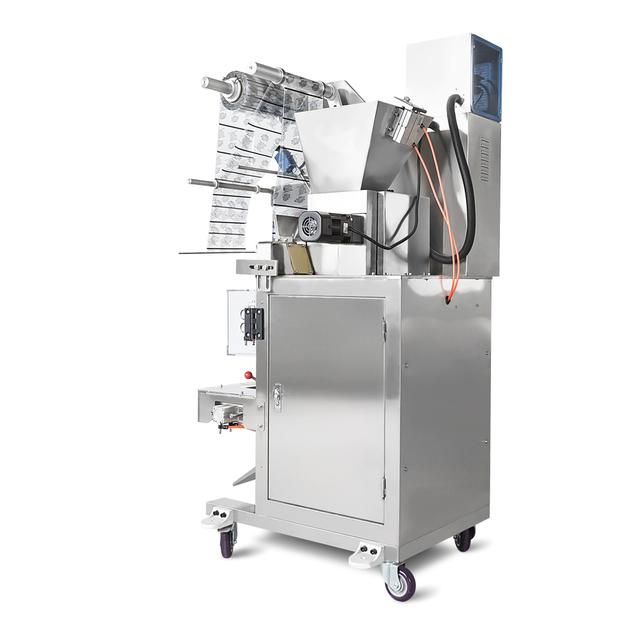
The stored specification identifies screw metering. One screw is not automatically suitable for every target from the recorded 1-100 g range. Screw geometry, rotation count, product level and cutoff behavior affect the delivered dose. Build one recipe for each approved coffee and fill weight; do not hide a product change under a copied recipe name.
Use a weight study that separates drift from random variation
Collect individual pack weights during startup, after the hopper reaches normal level, before and after refill, and after a short stop. Average weight alone can hide a repeating high-low pattern or a gradual shift as powder compacts. Record the machine recipe, screw setting, product lot and net-weight method with every sample group. If the packer is adjusted, start a new group rather than combining results.
| Trial phase | What can change | What to capture |
|---|---|---|
| Startup | Screw and powder path are not yet in steady condition. | First-pack sequence and the point at which release begins |
| Stable run | Normal variation becomes visible. | Individual weights, rejects and machine recipe |
| Hopper refill | Aeration or compaction can move the dose. | Weights immediately before and after refill |
| Short stop and restart | Powder may settle or continue to fall. | First restarted packs and any cleanup action |
Dust control protects both the seal and the measurement
Coffee fines can settle on the forming tube, film path, photocell, sealing jaws and nearby electrical surfaces. The first visible symptom may be a dirty seal rather than a weight alarm. Watch the discharge height and timing: powder released too early or from too high above the bag can spread into the sealing zone. Inspect the jaw face at a defined interval during a sustained run, not only after the machine has been cleaned for demonstration.
The old field list names a 304 stainless-steel silo. Material grade is useful, but cleanability depends on joints, corners, removable parts and operator access. Ask the operator to empty the last powder, remove approved contact parts and show how retained material is found. A cleaning claim is incomplete until the inspection points and release condition are written down.
The stored bag window defines which formats need proof
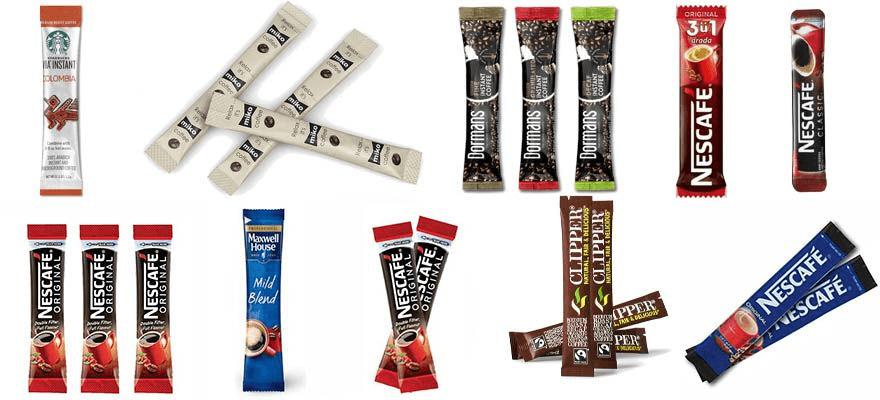
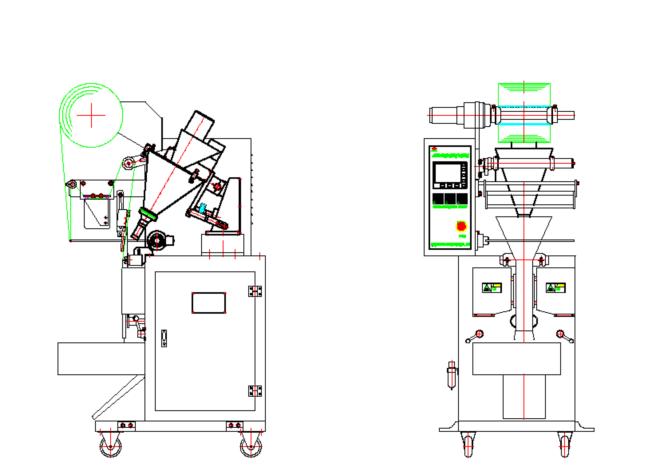
The record lists bag lengths of 50-150 mm, widths of 25-120 mm and back, three-side or four-side sealing. It also lists 30-60 bags per minute. Treat the extremes as separate trial formats. A narrow sachet can restrict powder entry; a wider bag changes film tracking and seal presentation. Each seal style changes the former or sealing arrangement and therefore needs its own approved material and sample.
| Stored parameter | Recorded range or choice | Product-specific release check |
|---|---|---|
| Fill amount | 1-100 g, customizable | Prove the smallest and largest required coffee targets with individual weights. |
| Bag dimensions | 50-150 mm long; 25-120 mm wide | Run the actual film width and printed repeat for each commercial sachet. |
| Seal style | Back, three-side or four-side seal | Identify the delivered forming and sealing parts for every approved style. |
| Nominal speed | 30-60 bags/min | Report accepted coffee sachets after weight and seal rejects are removed. |
Source reconciliation remains open. The legacy title and model field use different model strings, the stored machine-weight values disagree, and the old power line is malformed. Those values are excluded from this buying narrative and must be settled from the approved datasheet before the commercial scope is signed.
Film pulling and heat settings must be released as one recipe
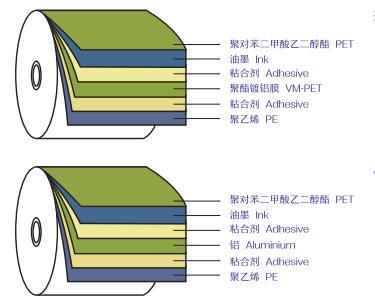
The stored feature fields identify servo control for film drawing and sealing, together with PLC touch-screen control. For printed film, check registration at startup, steady speed and restart. For every laminate, record sealing temperature, dwell or timing setting and the accepted appearance. Do not transfer a temperature from one material structure to another simply because both are described as composite film.
Finished sachets need more than a visual check. Inspect the seal for powder channels, wrinkles and edge damage; verify cut position and print registration; then apply the buyer's agreed leak or burst method. Retain failures as well as accepted packs. They show whether the correction belonged to powder cutoff, film tracking or sealing.
A useful coffee run includes cleaning and restart
Plan enough material for a sustained run, a normal refill, a deliberate short stop and a complete clean-down. Count underweight, overweight, dusty-seal, registration, cut and leak rejects separately. After cleaning, ask the same operator to rebuild the product path and release the first acceptable pack. This exposes missing tools, unclear part orientation and settings that were never documented.
Review individual net weights by trial phase and look for a pattern, not only an overall average.
Inspect the jaw and consecutive seals after sustained powder flow and after hopper refill.
Record film identity, registration setting and seal settings for each approved sachet.
Time emptying, removal, inspection, reassembly and release of the first pack for the next coffee.
Questions buyers ask about this configuration
Why can two coffee powders need different screw recipes?
Particle size, oil, density and compaction change the volume delivered per screw movement. Build the recipe from actual net-weight data for each powder.
Is 1-100 g one proven accuracy range?
It is a stored capacity range, not an accuracy guarantee for every powder. Prove the required low and high targets with the selected screw and product.
What causes powder to appear in the seal?
Discharge height, cutoff timing, airborne fines, static and an overfilled sachet can all contribute. Observe the fill path before changing only the jaw temperature.
Can one film recipe cover back seal and four-side seal bags?
No. The forming and sealing paths differ, and every laminate and seal style needs its own documented setup and accepted samples.
What should be checked after a coffee changeover?
Inspect retained powder, rebuild the contact parts, load the named recipe and review the first weights and seals before normal production is released.
Conclusion
A coffee powder packer should be judged by dose behavior, dust control and sealed sachets produced from the real film. Compare the related powder packing machine options, then hold the selected configuration to a weight study, film recipe and observed clean-down.



 Tel: +8617350750975
 Email: info@vffspackingmachinery.com
 MP/WhatsApp: +8617350750975
 Manufacturer Address:Meixi Road, Tongan District, Xiamen,Fujian,China




Precision Packing "Impressed with its accuracy! Every packet is consistently filled to the exact weight we need. No more wastage2024-08-20

Efficient and Reliable "This machine has made our spice packing process incredibly efficient. It's reliable2024-08-20
"Uses less energy than expected. Helps keep our operational costs down without sacrificing performance2024-08-20
User-Friendly Interface "The interface is so intuitive; even our new staff learned to operate it within minutes. Saves us a lot of training time!"2024-08-20