Description FAQ Reviews
Hot Keyword:
Technical Features 1
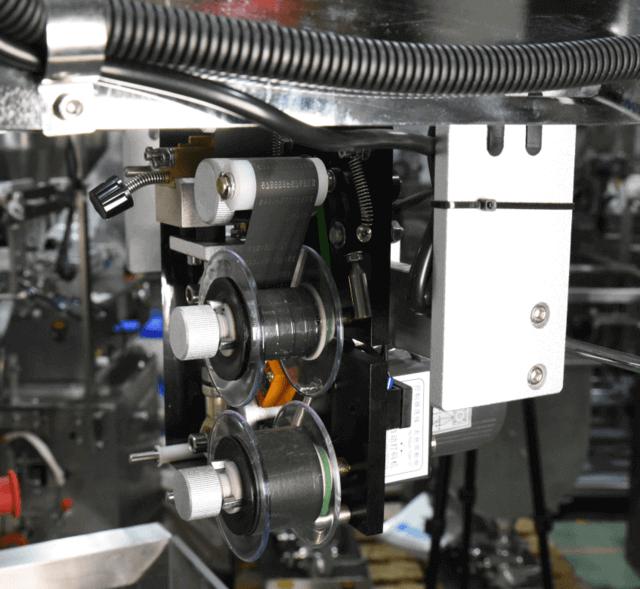
Servo motor controls film pulling
Technical Features 2
Use rack packaging to make the packaging smoother

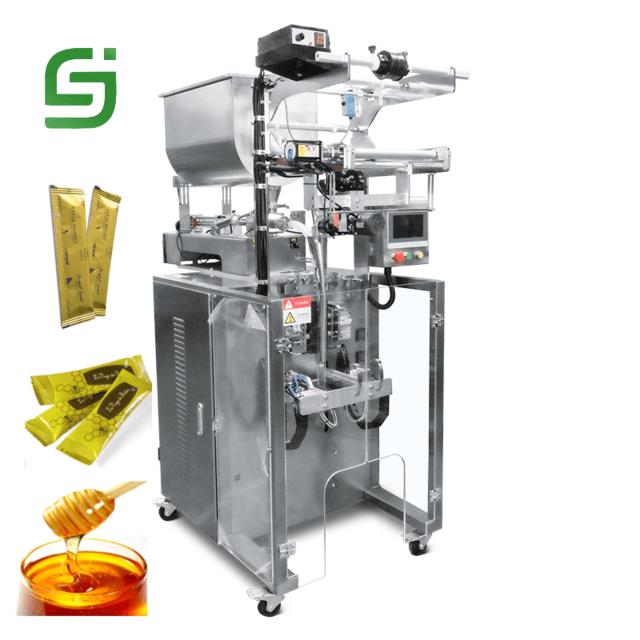
YS-65J Honey Stick Sauce Packaging Machine

Price: Negotiable
Model: YS-65J
Speed: 30-60BAGS/MIN
Bag Size: Length:30-180 mm Width:40-130mm
Film Material: Packing material:BOPP/Polyethylene,Aluminium/PolvethylenePaper/Polvethyiene. Polvester/Aluminizer/Polvethvlene and so on
Gas Source: ≥0.6Mpa
Bag Shape: Back seal, three side seal, four side seal
Pack Weight Range: 3-100ml(customizable)
Machine Size: 850 * 1100 * 1900 mm
Machine Weight: 400kg
Certification: CE,ISO,SGS

Get Quote

Honey stick packing is governed by temperature-dependent flow and nozzle cutoff. Cold honey can demand more pressure and leave an incomplete dose; warm honey may string or drip into the seal. The YS-65J should be approved with the production honey, a controlled feed temperature, one finished stick drawing and restart samples. Its stored bag width appears as 40-130 mm in one field and 20-75 mm in the table, so that dimension remains outside the commercial guarantee.

Describe honey by the condition in which it reaches the fillerThe vessel and metering path need a defined temperature policyNozzle cutoff must be evaluated separately from fill volumeUse both mass and volume information carefullyThe width conflict blocks former and film approvalAccepted speed follows thermal stability and clean sealsCleaning release should reach every warm, sticky surface

Describe honey by the condition in which it reaches the filler

Record variety or formulation, temperature, moisture or solids reference used by the producer, crystallization state, suspended inclusions and permitted heating method. Supply enough product to observe warm-up, steady running, a refill, a normal stop and restart. A water test cannot reproduce viscosity, stringing, seal contamination or cleaning residue.

Honey conditionMachine response to studyRetained evidence
Cool or partly crystallizedSlow feed, high pressure or inconsistent cutoffTemperature and individual fill results
Warm low-viscosity honeyDrip or string reaches the sealing areaNozzle video and opened seals
Honey with fine inclusionsOutlet restriction or delayed particle releaseLargest inclusion sample and rejected sticks
Long production pauseSettling or temperature change affects restartFirst consecutive packs after pause
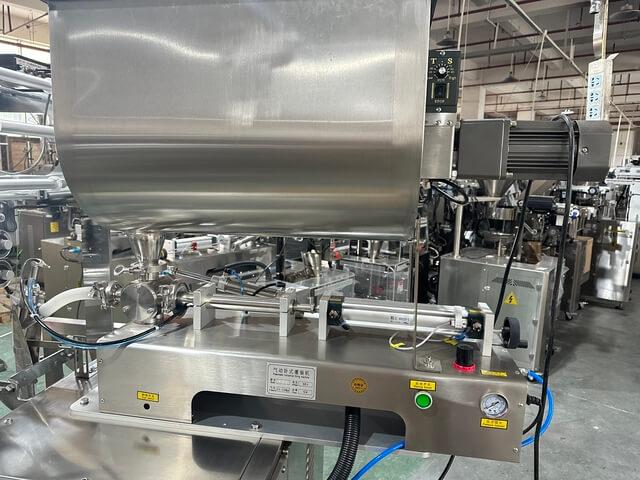
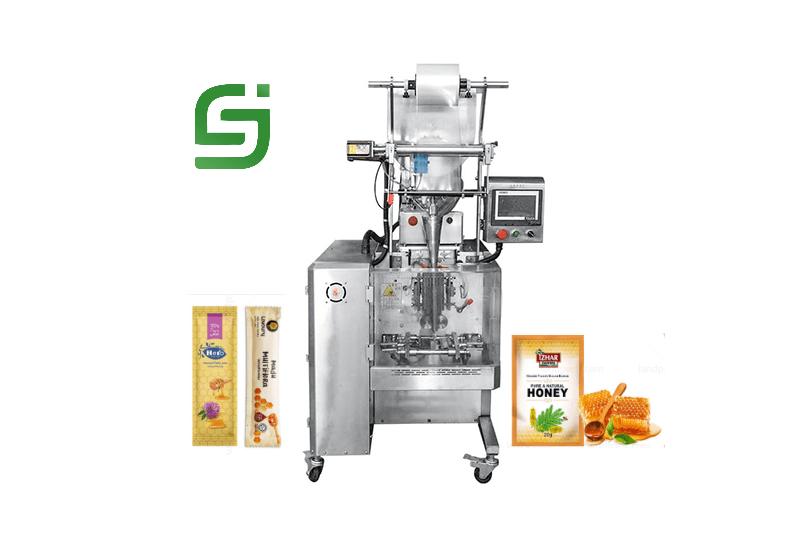
YS-65J honey stick sauce packaging machine
Review the feed vessel, product path, film section and finished honey stick together.

The vessel and metering path need a defined temperature policy

The saved imagery shows a stainless feed barrel and machine-side product path. Confirm whether heating, insulation or agitation is included, where temperature is measured and how the vessel drains. Heating is not a generic benefit; it should keep the intended honey inside its approved quality window without encouraging separation, colour change or unnecessary operator exposure.

TEMPCondition honeyDOSEMeasure portionsCUTStop the tailSEALRelease sticks

Nozzle cutoff must be evaluated separately from fill volume

A stick can contain the intended amount and still fail because a late strand lands on the film. Observe the nozzle at startup, after the product reaches temperature equilibrium, near a refill and immediately after a pause. Count drips, strings and manual wipes. Open retained end seals and mark any honey, channel or wrinkle found across the full seal width.

Use both mass and volume information carefully

The page lists 3-100 ml. The commercial declaration may use mass, volume or both, depending on the product and market. Agree the acceptance method before FAT and record the honey temperature at measurement. Report individual results by phase rather than converting with an assumed density that was not measured for the production lot.
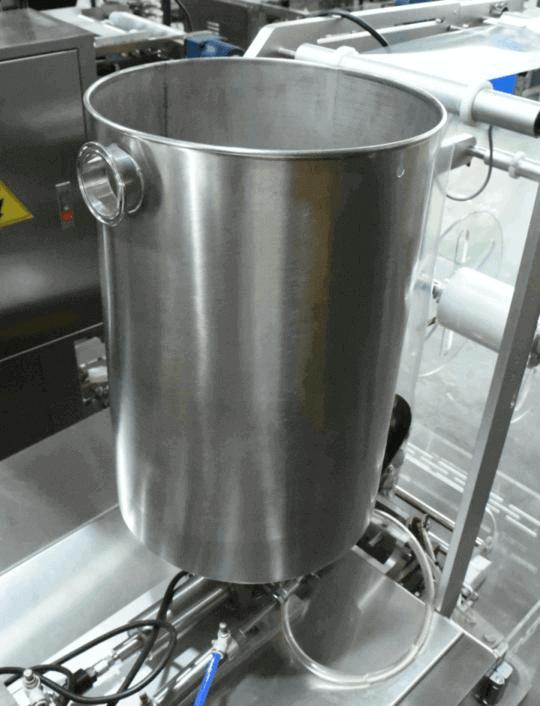
YS-65J honey feed barrel
Check volume, drainability, temperature sensing and access to product-contact surfaces.

The width conflict blocks former and film approval

One summary field gives 40-130 mm width, while the technical table gives 20-75 mm; both refer to a 30-180 mm length window. The larger numbers should not be copied into a quotation simply because they allow more formats. Provide a dimensioned stick drawing and let the selected former, web width and sealing hardware establish the proven dimensions.

Temperature study

Record honey and vessel temperatures at every retained sample phase.

Fill study

Keep consecutive individual results around startup, refill, low level and restart.

Cutoff study

Count nozzle tails, drips, manual wipes and contaminated film events.

Seal study

Open finished sticks and inspect honey, channels, wrinkles and delayed leakage.

Accepted speed follows thermal stability and clean seals

The saved speed range is 30-60 bags per minute. Test it with the intended honey and production laminate after temperatures stabilize. Record set cycles, discharged sticks and accepted sticks separately. Deduct fill, cutoff, seal, registration, cut and coding failures; also note interruptions needed to wipe the nozzle or sealing area.
YS-65J film pulling and machine-side drive detail
Inspect web control and access while keeping product away from the film path.

Cleaning release should reach every warm, sticky surface

Trace honey from vessel wall through the metering component, valve or outlet, nozzle seat and splash points around the former. Define safe emptying, disassembly, cleaning agent, rinse or dry criteria, visual inspection and reassembly. The first released pack after cleaning should be retained with the parts and settings used.

Finish the handover record with the honey lot, temperature history, vessel and outlet identification, film roll, former, seal settings and labelled samples from every run phase. Include rejected sticks showing nozzle tails or contaminated seals. Those examples give maintenance and production teams a shared reference when viscosity or ambient temperature changes.
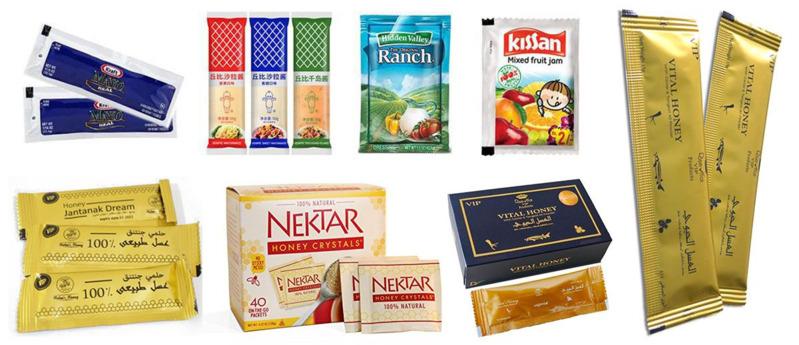
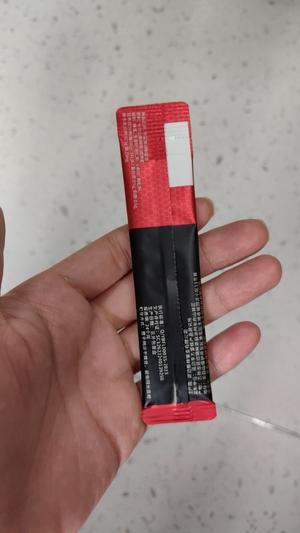
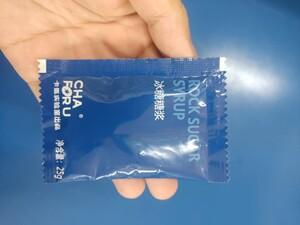
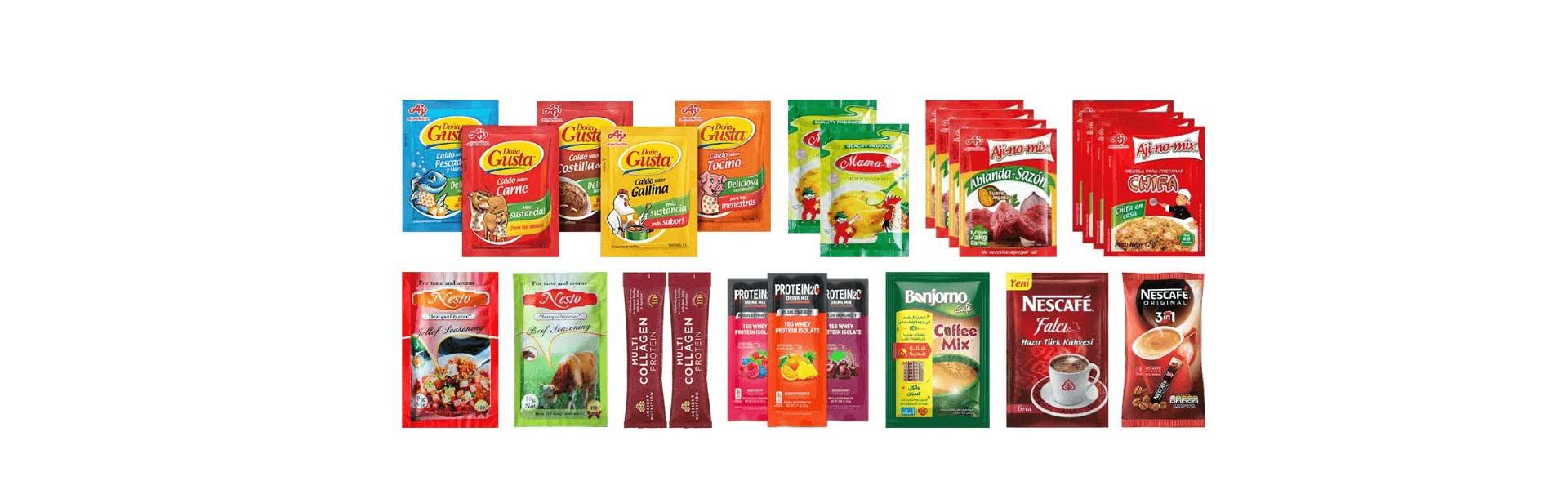
Honey stick and sauce pouch format examples
Select one finished construction and confirm its opening, coding and seal allowances.

Honey-stick questions for the factory test

Can water be used for the acceptance run?

No. It does not reproduce honey viscosity, temperature response, stringing or residue.

Which bag width is confirmed?

Neither conflicting window is final until a signed drawing and actual former pass the trial.

Is heating always required?

No. Temperature control should follow the honey condition and approved product-quality limits.

What proves a clean cutoff?

Observe the nozzle through run transitions and inspect film and opened seals for honey.

How should cleaning be released?

Inspect the complete contact path after reassembly and retain the first acceptable sticks.

Conclusion

Approve the YS-65J with a temperature-defined honey lot, identified vessel and metering path, cutoff observations, phase-separated fill data and opened seal samples. Use the sauce packaging machine category for related comparisons, while the disputed bag width remains outside the order guarantee.
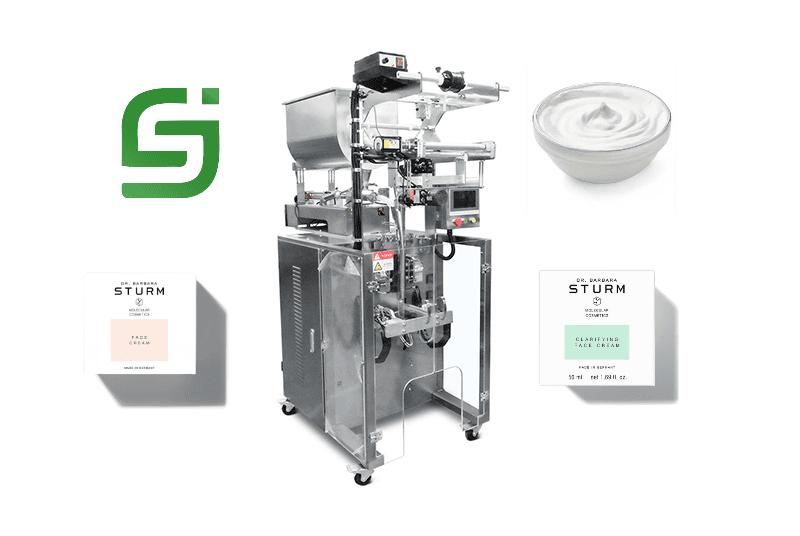
YS-65J honey packaging machine Servo packaging machine

Technical Parameters

3-100ml

Measuring Scope

(L):30 - 180 mm (W):20-75mm

Packing Speed

30 - 60 bags/min

Dimension ( L * W * H )

850 * 1100 * 1900 mm

Weight

400kg

Total Power

220V / 50Hz / 1.4kw

Gas Source
≥0.6

Key Features

  1. Viscous Product Handling:

    • Equipped with high-precision pumps and valves specifically for handling thick, sticky liquids.
    • Uses specialized nozzles and anti-drip systems to prevent waste and ensure clean filling.
  2. Automatic Filling System:

    • Programmable filling volume to accommodate varying package sizes.
    • High accuracy in dispensing to reduce overfill or underfill.
  3. Heat Sealing:

    • Heat-seal technology to close stick packs securely and prevent leakage.
    • Adjustable temperature settings depending on the type of film used.
  4. Film Roll Handling:

    • Designed to handle various film types suitable for honey and sauces, such as laminated, aluminum, or plastic films.
    • Film tension control to avoid wrinkles and ensure even packaging.
  5. PLC Control System:

    • Programmable Logic Controller (PLC) with touchscreen interface for easy control and parameter adjustment.
    • User-friendly interface allows operators to change fill volume, speed, and other parameters.
  6. Sanitary Design:

    • Constructed from food-grade stainless steel to prevent contamination.
    • Easy-to-clean design to maintain hygiene and facilitate compliance with food safety regulations.
  7. Batch Coding:

    • Optional feature to print batch numbers, expiration dates, and other product information on each stick.
  8. Compact Footprint:

    • Designed to occupy minimal floor space, making it suitable for various production environments.

Main Functions

  1. Product Feeding:

    • Pumps product from a storage tank into the dosing system.
  2. Forming and Filling:

    • Forms packaging film into stick packs or pouches, fills with the desired amount of product, then seals.
  3. Sealing and Cutting:

    • Applies heat-seal to close the pack and then cuts the packs to create individual stick packs.
  4. Packaging Speed Control:

    • Adjusts packaging speed based on production needs, providing flexibility for high or low-volume outputs.
  5. Weight Control:

    • Some machines include a feedback system to adjust fill amounts based on pack weight, ensuring consistent product volume.
  6. Alarming & Fault Detection:

    • Detects issues such as low product levels, film jams, or sealing issues and alerts operators to take corrective action.

Related Resource


Related FAQ
1.Can the machine heat and maintain the temperature of the sauce?
Yisen will decide the corresponding barrel according to the viscosity of the material. Some sauces with higher viscosity need to be equipped with a heating system barrel. The material can be heated in the barrel and the temperature of the sauce can be maintained during the packaging process. It is s...
2.How to ensure the hygiene and safety of sauce packaging?
The sauce packaging machine is made of food-grade materials, and all parts that come into contact with the product can be disassembled and cleaned, meeting food hygiene standards. Regular maintenance and cleaning also help ensure the hygiene and safety of the product....
3.What is the packaging speed of the sauce packaging machine?
The packaging speed depends on the specific machine model and product fluidity, packaging capacity, packaging size and other characteristics. Generally speaking, the speed of the sauce packaging machine can reach 30 to 130 packs per minute, but it depends on the actual specific situation....
4.Can the sauce packaging machine package bags of multiple different sizes?
Yes, the sauce packaging machine supports multiple bag sizes of three-side seal, four-side seal, back seal, stick bag, special-shaped bag, and continuous bag design. We will recommend the appropriate bag type according to your needs before customizing the machine....

Customer Reviews


Score
 Remove

Review Title

Review Text

   Henry


 2024-08-15

Trustworthy Performance Dependable operation day in and day out, enhancing our production reliability.
   Abigail


 2024-08-15

Efficient and Reliable This machine has significantly increased our packing efficiency while maintaining superb reliability
   Megan


 2024-08-09

Reliable Durability "Built to last! We've been using it daily for months without any issues. Its robust build gives us peace of mind.
   Christopher


 2024-08-09

Prompt Customer Support "Their customer service team is responsive and knowledgeable. They helped us set up and troubleshoot efficiently.
Need Help?
Please leave your contact information to get our latest catalog
Get In Touch Now >
VFFS Packing Machinery

YISEN MACHINERY - The ONE-STOP VFFS PACKING MACHINE SOLUTION SUPPLIER

Tel: +8617350750975

Email: info@vffspackingmachinery.com

MP/WhatsApp: +8617350750975

Manufacturer Address:Meixi Road, Tongan District, Xiamen,Fujian,China

NEW KEYWORD

About Us

Products

Information