


 Price:

The pouch arrives finished, so presentation becomes the first control point
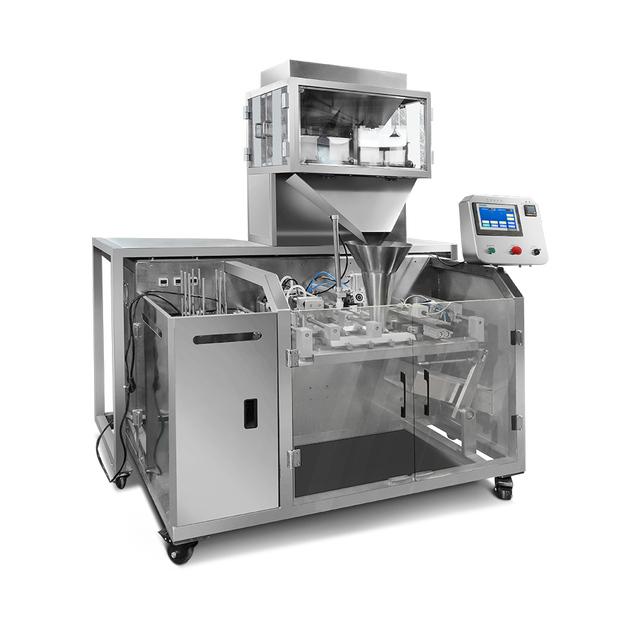
The stored record describes automatic pick-and-place infeed, product detection, no-fill/no-seal logic and a multi-station sequence. Those functions need to be seen with the buyer's pouch. A glossy laminate can separate easily while a stiff aluminium structure or a small zipper pouch may need a different grip, opening stroke or holder position. Check pickup from a full magazine and again near the refill point; both conditions can change pouch alignment.
Do not count a pouch as open because its mouth moved. The opening must be wide and stable enough for the selected discharge chute, and the zipper must remain below the top-seal area. Mark failures by station: not picked, double picked, not opened, skewed in the holder, zipper folded or dropped before sealing. This station record tells the supplier where the process loses control.
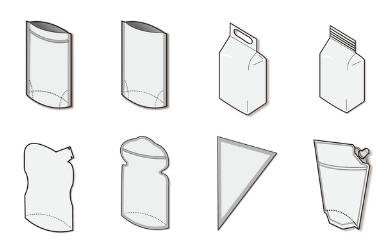
The commercial pouch must remain square through pickup, opening, filling and top sealing. Granule dosing must leave room for a clean zipper and top seal
The title positions this page for granules. Coffee beans, rice, nuts, dried fruit and pet-food pieces do not behave alike: they vary in bulk density, fragility, oil, fines and the way they bounce from a discharge chute. Select the weighing or volumetric equipment from the actual product. A filler chosen for free-flowing rice should not be presented as an automatic fit for fragile dried fruit or dusty seasoning granules.
Headspace is a line parameter. If the target fill leaves too little distance below the zipper, pieces can hold the mouth open or reach the sealing surface. During a trial, note the pouch dimensions, target weight, actual fill height and chute position. Inspect the zipper track before sealing and record product caught above it. This gives engineering a concrete basis for pouch size or discharge changes.
Granule condition Likely line effect Trial observation Hard, free-flowing pieces Fast discharge can produce bounce near the zipper. Watch fill trajectory and count pieces above the intended fill line. Fragile product A long drop or narrow chute may increase breakage. Compare fines before and after packing and inspect impact points. Oily or coated pieces Residue can affect contact parts and the pouch mouth. Inspect surfaces after a sustained run and define the cleaning interval. Mixed particle sizes Segregation can change portion composition. Sample bags at startup, mid-run and low hopper level. The legacy fill-range fields disagree at the lower limit
The old specification table records a 20-500 g measuring scope, while the summary field says 30-500 g. That difference must stay open until the exact filler, product and pouch are tested. The shared upper figure does not prove that every granule can run at 500 g, and neither lower figure proves acceptable accuracy for a light, irregular product.
Do not normalize the conflict by editing one number. Keep both source values in the internal ledger. Release a range only after consecutive-pack results identify the product, filler, target, tolerance and run condition.
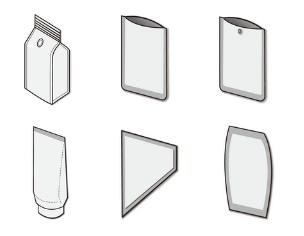
Match the chute and filler to particle size, drop distance and required headspace. Use the recorded pouch window as a changeover test
The stored size window is 100-220 mm in length and 80-160 mm in width, with a recorded nominal speed of 20-35 bags per minute. The bag holder is described as adjustable within that window. A buyer still needs to see the smallest and largest required pouches run on the same delivered configuration. Time the adjustment, list any replacement parts and check whether opening, filling height and top-seal position remain stable after the change.
Change What the operator adjusts Proof that closes the changeover Pouch width Magazine guides, pickup position, holder opening and sensors No double picks; centered pouch through all stations Pouch length Support height, fill position and top-seal level Stable headspace and seal placement Zipper construction Opening action and mouth control Zipper undamaged and fully closed after sealing Product target Filler recipe and discharge timing Accepted weight without product in the seal zone Zipper closure and top sealing are two different checks
A neat top seal does not prove the zipper still works. Open finished packs by the intended consumer method, run the zipper several times and inspect its end stops. Then examine the seal above it for wrinkles, channels and product contamination. The legacy feature list mentions a two-step sealing process; the trial should show what each sealing station does and how reject handling works when the pouch is not correctly presented.
The stored form also mentions a vacuum setting controlled from the touch screen. Vacuum is not a default benefit for every doypack. The pouch structure, product damage risk, required headspace and commercial appearance decide whether it belongs in the scope. Test it as a named configuration and record whether the zipper and pouch shape remain acceptable.
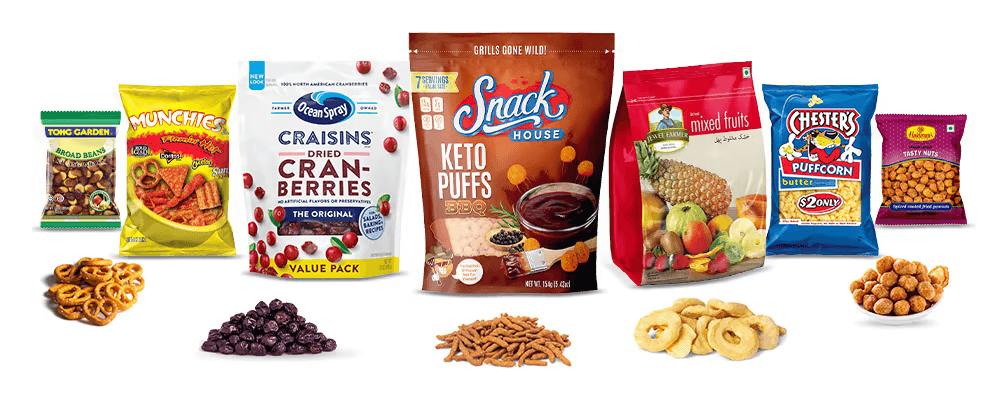
Inspect zipper position and product contamination before judging the finished top seal. Record the run by station instead of reporting one speed
Use the required pouch lot and product, then include magazine refill, low magazine, normal product refill, a deliberate unopened-pouch condition and restart after a short stop. Count accepted packs at discharge. Keep separate reject codes for pickup, opening, fill weight, contamination, zipper damage and top seal. The stored 20-35 bags-per-minute figure becomes useful only when the report states which pouch, filler and acceptance criteria produced the result.
Opening challengeRun the stiffest or smallest approved pouch and verify the mouth opens for the full discharge window.
No-fill/no-seal challengeIntroduce a controlled missing or unopened pouch and record the actual machine response and recovery.
Seal contamination checkInspect consecutive top seals after normal filling and after a refill, not only empty pouches.
Changeover checkConvert between the smallest and largest approved pouch with normal operators and retain both released samples.
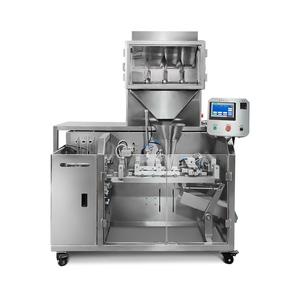
Judge the pack as a system: weight, pouch shape, zipper function and top-seal integrity. Questions buyers ask about this configuration
Can one filler cover every granule listed on a product page?
No. Bulk density, breakage, oil, fines and target weight determine the feeder or weigher. The main pouch machine may accept different fillers, but each filler is a separate configured scope.
Which lower fill limit should be quoted, 20 g or 30 g?
Neither should be released without reconciliation. The legacy fields conflict, so the product and filler must demonstrate the approved target and tolerance.
Does no-fill/no-seal eliminate all pouch waste?
It can prevent specific actions when the relevant pouch condition is detected. It does not prove correct opening, weight, zipper condition or seal quality; those need separate checks.
When is vacuum useful on a zipper doypack?
Only when the pouch, product and required appearance tolerate the evacuation step. Test product damage, zipper behavior and final shape before adding it to the scope.
What should the buyer send for a meaningful test?
Send production pouches from the intended supplier, the granular product including normal variation, target weight, acceptable tolerance and finished-pack examples.
Conclusion
A premade granule doypack line earns approval at the pouch stations, not in a generic feature list. Use the doypack packing machine category to compare the platform, then close the filler, pouch window, zipper, vacuum option and accepted output with station-level evidence.
Hot Keyword:
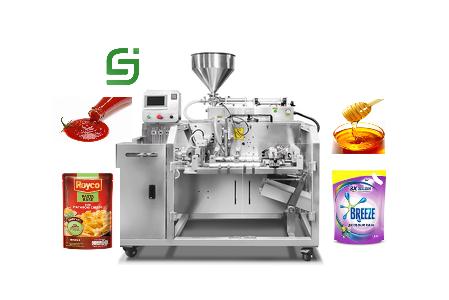
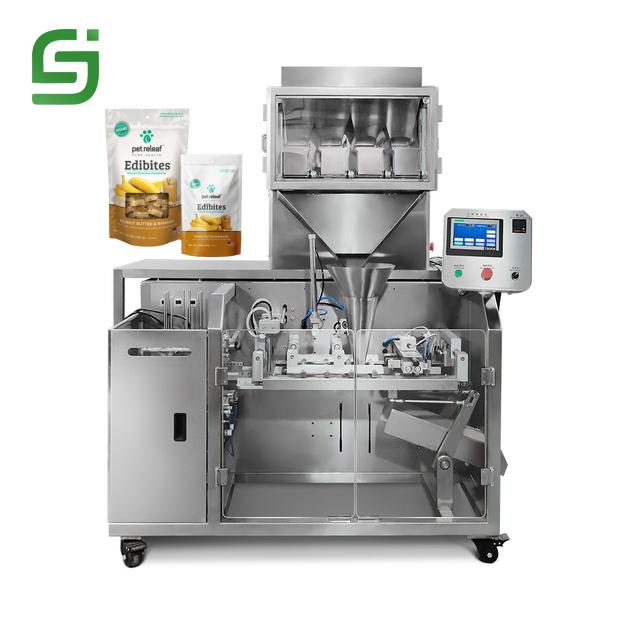


 Tel: +8617350750975
 Email: info@vffspackingmachinery.com
 MP/WhatsApp: +8617350750975
 Manufacturer Address:Meixi Road, Tongan District, Xiamen,Fujian,China



Excellent Customer Support "Responsive customer service that resolves any queries promptly2024-08-15

Cost-Effective Solution "It has reduced our packaging costs significantly, offering a great return on investment.2024-08-15