

Hot Keyword:
Author:YISEN Pouch Packing Machine Manufacturer TIME:2024-08-20
A stand-up pouch line normally takes a finished pouch from a magazine, grips it, opens it, confirms that it is ready, fills the product, cleans or settles the top area, seals the mouth, cools the seal, and discharges the pack. The exact stations differ between rotary and linear machines, but successful operation depends on synchronizing pouch handling with the chosen filler.
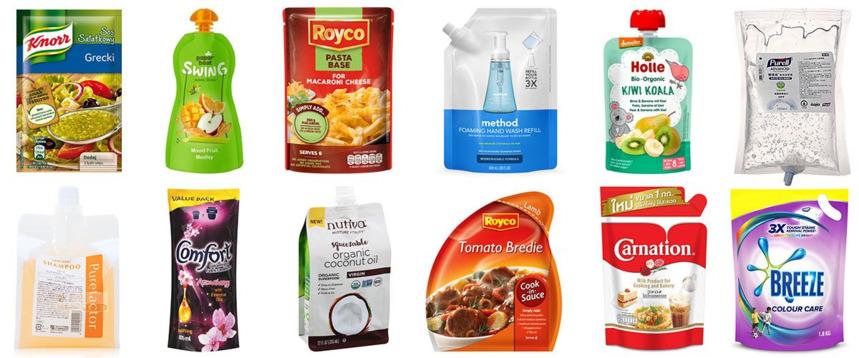
Unlike a vertical form-fill-seal machine, a premade-pouch system does not create the pouch from rollstock. The pouch supplier has already formed the gusset, zipper, spout feature, or shaped profile. This gives brands substantial package freedom, while placing strict demands on pouch dimensions and pickup reliability. Understanding the station sequence helps buyers diagnose losses and decide which options are genuinely needed for powders, granules, liquids, or solid pieces. Line balance must include upstream product supply and downstream takeaway, because starvation or accumulation can appear to be a pouch-machine fault even when its central stations operate correctly.
Operators load finished pouches into a magazine or infeed conveyor with the opening oriented consistently. Guides must support the selected width without crushing zippers, spouts, or gussets. A pickup device then separates one pouch from the stack and transfers it to mechanical grippers. Double picks, curled edges, static, and excessive pouch-to-pouch friction can interrupt this step. The machine should detect a missing pouch and avoid dispensing product into an empty station.
Magazine capacity affects labor rhythm but does not correct poor pouch manufacture. During approval, test several bundles and include natural dimensional variation. Marked trial pouches make it easier to trace whether a recurring pickup failure follows one material lot, one magazine position, or one gripper.
Vacuum cups or other opening devices separate the pouch faces while air assistance may help expand the interior. The lower gusset must unfold enough for a stable fill and the pouch mouth must present a clear path to the nozzle. Zipper pouches require opening below the zipper without damaging its profile. Sensors can confirm presence or opening, although the detection method and response need to be tested on transparent, reflective, or printed materials.
A no-open condition should result in no fill. That interlock protects the machine from spills and keeps loose product away from sealing surfaces. Buyers should witness deliberately misfed pouches and confirm that the rejected pack remains identifiable rather than returning unnoticed to normal output.
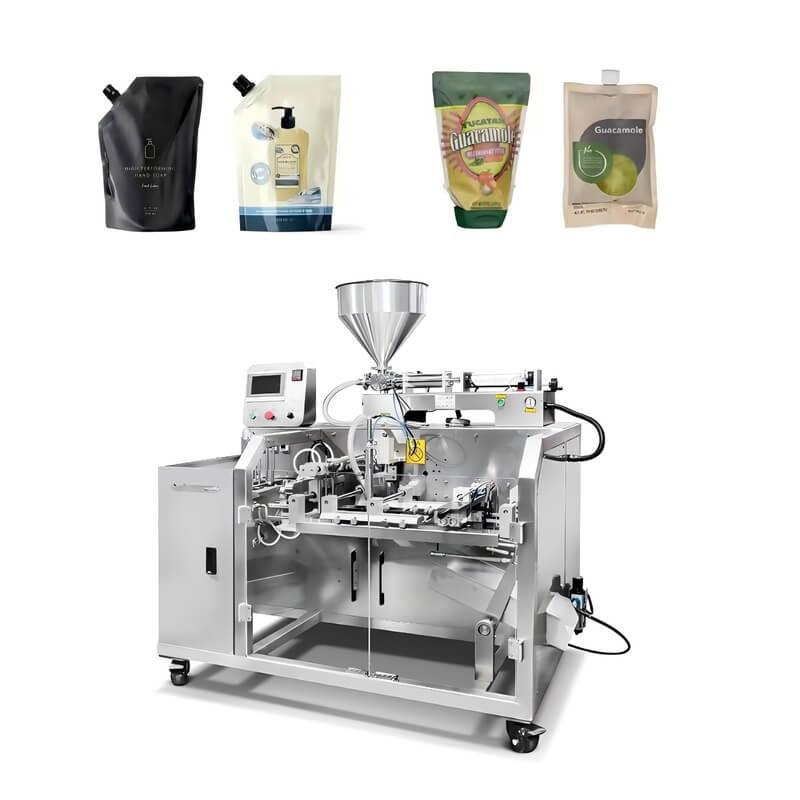
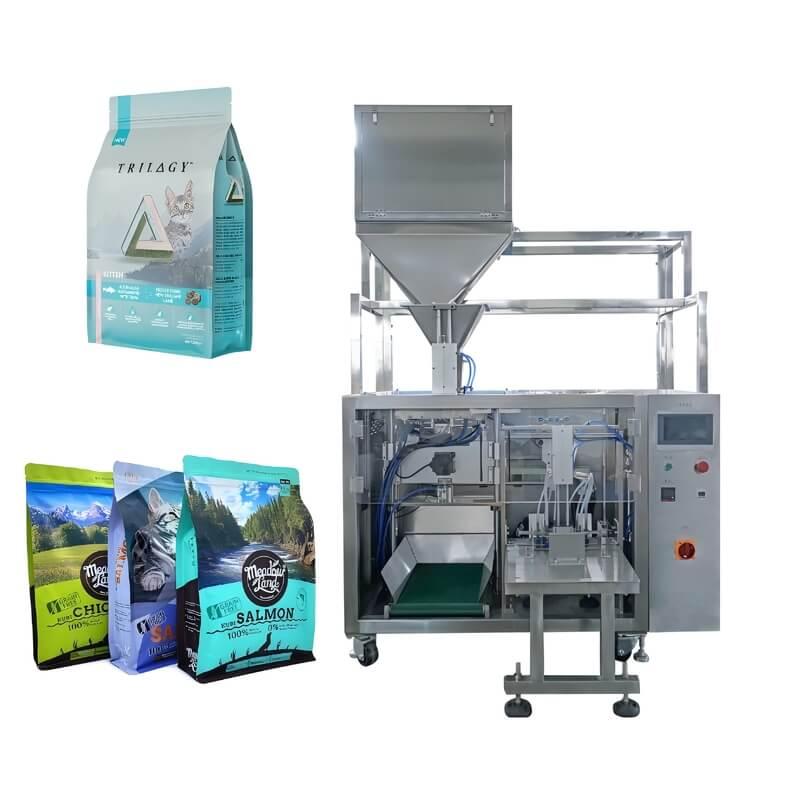
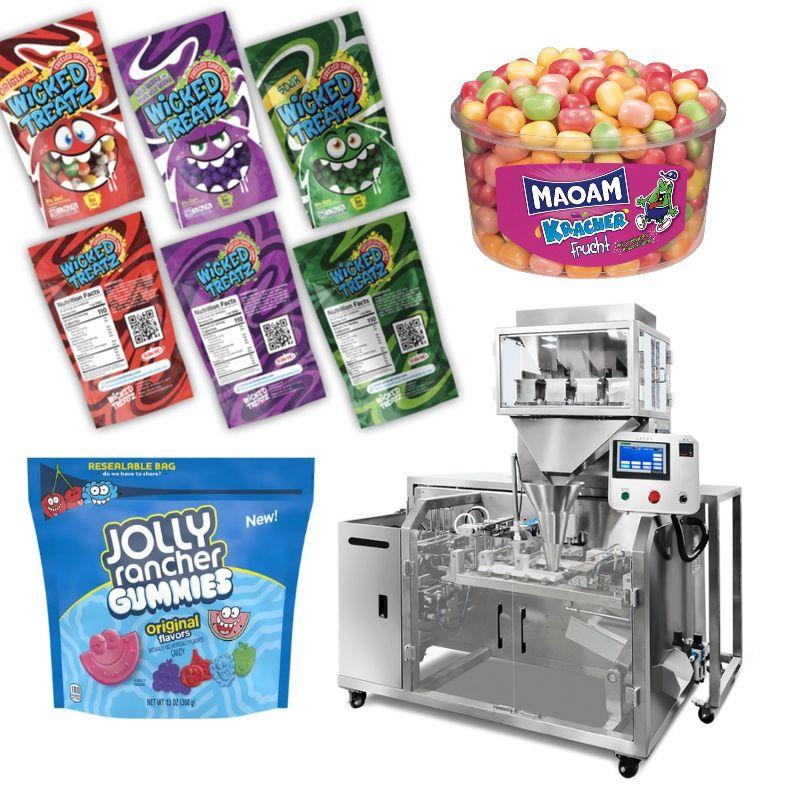
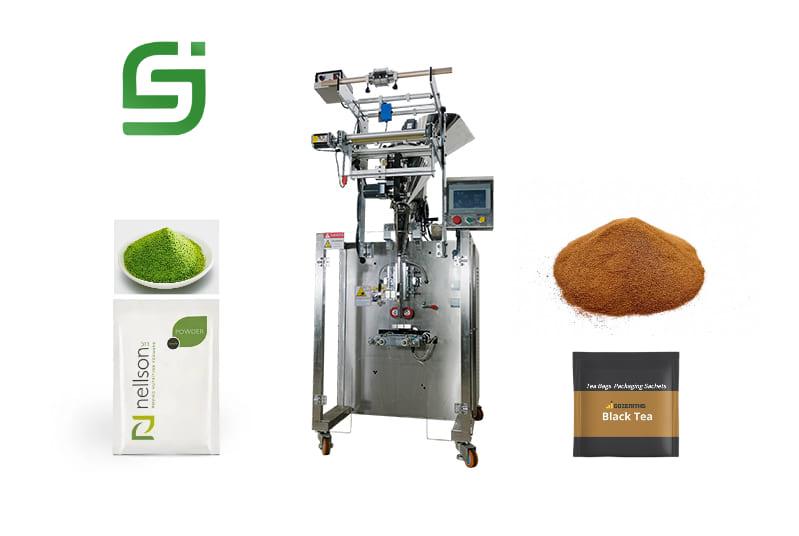
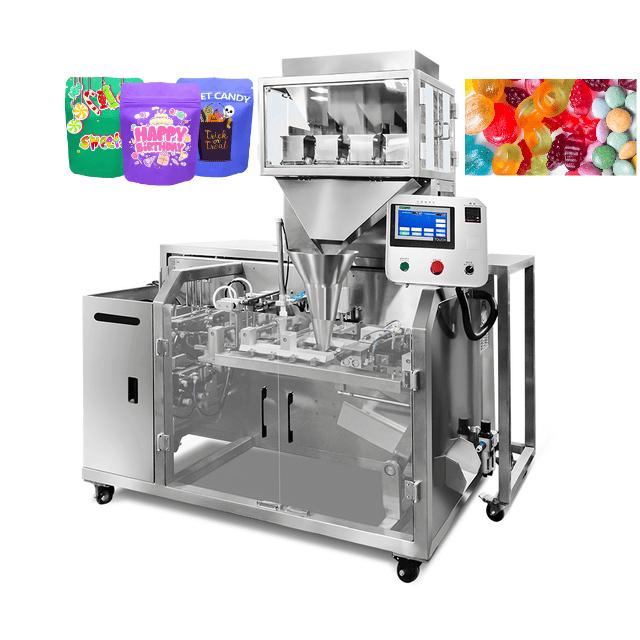
The pouch transport indexes to a filling station where a separate dosing system releases the product. Augers are commonly considered for powders, volumetric cups for suitable free-flowing granules, weighers for products sold by weight, and pumps or pistons for many liquids and sauces. These are application choices, not interchangeable labels. The filler signal, discharge timing, nozzle travel, and pouch dwell must align with the indexing motion.
Product behavior determines useful speed. Fragile snacks need a drop path that limits breakage; dusty powder may require containment and settling time; sauce needs cutoff that prevents strings on the lip. A stand up pouch packing machine should be evaluated as the pouch handler plus the installed filler, not by the gripper carousel alone.
After dosing, some products need a short settling action, vibration, gas treatment, or controlled removal of air before sealing. The objective is to keep product below the seal zone and achieve the intended pack shape without damaging the contents. Powder trapped around a zipper, oil on the laminate, or a snack piece caught across the mouth can create leakage even when jaw settings are stable.
Options such as pouch-top spreading, dust extraction, drip trays, or nozzle lifting should be selected against observed defects. A trial should include the largest fill and least available headspace because that combination often exposes contamination or closure problems hidden by easier samples.
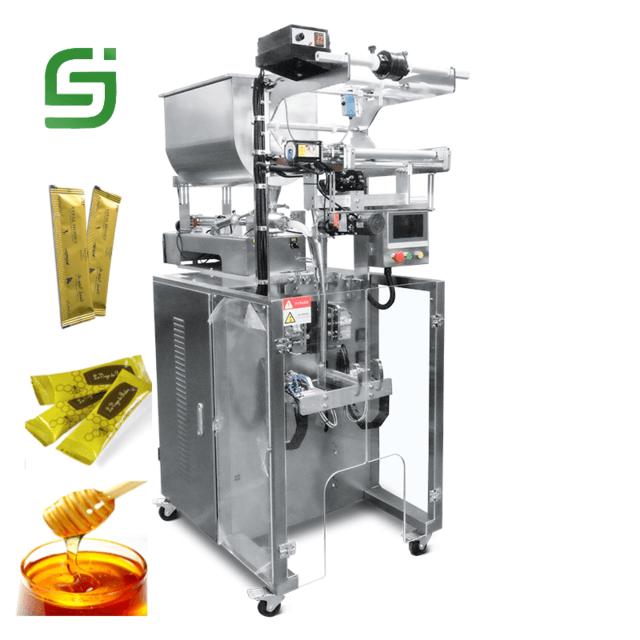
Heated jaws apply controlled temperature, pressure, alignment, and dwell to the pouch sealant layers. Some systems use more than one sealing station so the closure can be formed and finished without excessive thermal load at a single point. A cooling or pressing station may then stabilize the seal and improve appearance before discharge. Zipper closure and top heat sealing are distinct functions and should both be inspected.
Setpoints must be developed for the approved pouch construction, not borrowed from an unrelated laminate. Verify seal width, wrinkles, channels, contamination, and package response after cooling. The doypack packing machine category shows the equipment family, while the final jaw design and process window must follow the supplied pouch samples.
A controller sequences pickup, opening, fill permission, sealing, and discharge while monitoring guards, air supply, temperatures, vacuum, and station sensors. A useful interface identifies where the cycle stopped and what condition prevented the next action. Alarm text should support diagnosis instead of encouraging operators to reset repeatedly. Product release rules must also state what happens to pouches located between stations when power or air is lost.
Challenge the interlocks during acceptance: remove a pouch, block an opening confirmation, interrupt product supply, and simulate a seal-temperature alarm under safe test conditions. Confirm that fill is inhibited where appropriate and that questionable packs are segregated. The recovery sequence should not create untracked product or allow a partly processed pouch to be sold.
Moving to another stand-up pouch can require magazine-guide adjustment, gripper position, opening-cup placement, sensor teaching, nozzle height, fill timing, seal-jaw setup, coding position, and a new recipe. Change parts should be identified and protected from damage in storage. Operators need a reference pouch and a first-off checklist so the line is not released on appearance alone.
Test the smallest and largest planned formats as well as a difficult zipper or gusset. Time the complete conversion, including cleaning the filler and clearing previous printed material. A short mechanical adjustment followed by a long quality-release delay is still part of usable changeover time and should be included in capacity planning.
Rated cycles are only one part of output. Count acceptable pouches over a defined period and record stops by station. Frequent double picks point toward magazine or material handling; failed opening may involve cup position or pouch flatness; product at the lip can originate in dosing or insufficient settling; variable seals may track temperature, contamination, alignment, or cooling. The pattern directs corrective work to the source instead of simply reducing speed.
A station-by-station record also makes supplier discussions more precise. The following table shows useful observations during a representative run.
| Machine stage | Question during the trial | Record to keep |
|---|---|---|
| Magazine and pickup | Are single pouches transferred throughout the bundle? | Missed and double-pick count by pouch lot |
| Opening | Does the mouth and gusset open without damage? | Sensor result and rejected-pouch sample |
| Filling | Is dose placement clean at startup and restart? | Fill checks, spills, and installed filler settings |
| Sealing | Do seals remain aligned, clean, and stable after cooling? | Retained packs and agreed seal-test results |
Bring approved pouch lots and representative product to the factory test. Define the fill quantity, quality checks, run phases, acceptable interventions, and documents expected before the test begins. Witness cold startup, normal operation, planned stop, restart, product refill, and a format conversion. Record actual parts and software recipes so the demonstrated configuration can be reconstructed after installation.
Final scope should identify who supplies upstream product feed, filler, coder, extraction, conveyors, inspection devices, and downstream handling. The machine works reliably only when those interfaces exchange correct signals and preserve pouch spacing. Open items need an owner and closing evidence rather than an informal promise after shipment.
Does the machine make the stand-up pouch from film? A premade-pouch model normally receives finished pouches from a magazine. A rollstock form-fill-seal system creates the package during operation, so the two architectures have different material and changeover requirements.
Why does a pouch fail to open? Likely causes include curl, static, inconsistent dimensions, unsuitable vacuum-cup contact, incorrect guide settings, zipper interference, or poor sensor setup. Keep failed samples to identify a material or station pattern.
Can one pouch handler fill powders and liquids? The transport platform may support different products, but each application needs a compatible filler, nozzle or chute, containment, timing, cleaning plan, and seal-zone control.
What does no pouch, no fill mean? The controller confirms pouch presence and readiness before authorizing a dose. Buyers should test the interlock and verify how the machine handles an uncertain opening signal.
How should output be measured? Use accepted packs over an agreed operating window and record station stops, rejects, operator actions, startup loss, and restart behavior alongside the cycle rate.
A stand-up pouch system works by passing a finished pouch through a disciplined chain of pickup, opening, confirmation, filling, conditioning, sealing, cooling, and discharge. Each station has a clear failure mode, and the slowest unstable interface determines practical output. Buyers who test real pouch lots with the intended filler, challenge interlocks, and document changeover can judge the complete process instead of relying on an isolated speed figure.

YISEN MACHINERY - The ONE-STOP VFFS PACKING MACHINE SOLUTION SUPPLIER
 Tel: +8617350750975
 Email: info@vffspackingmachinery.com
 MP/WhatsApp: +8617350750975
 Manufacturer Address:Meixi Road, Tongan District, Xiamen,Fujian,China