

Hot Keyword:
Author:YISEN Pouch Packing Machine Manufacturer TIME:2024-08-30
The operating steps below explain what happens from bulk powder to released pack and show where buyers should ask for evidence. They do not assume one filler or bag format is correct for every coffee recipe.
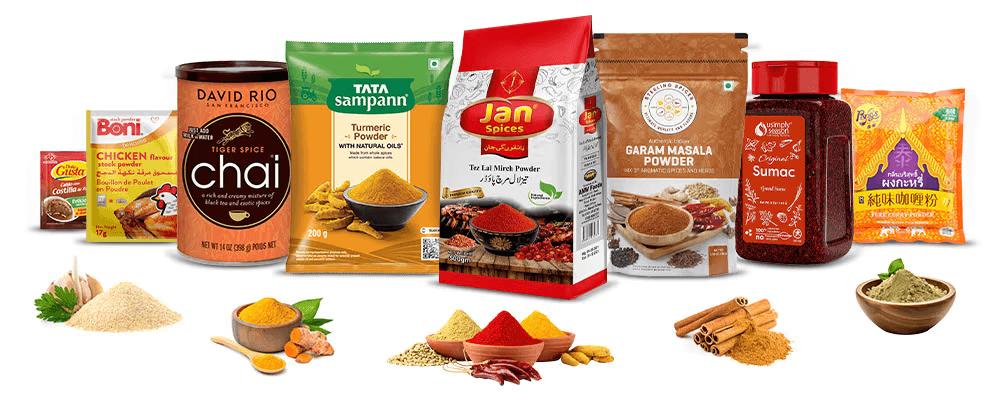
Instant coffee powder is packaged by keeping the powder dry and free-flowing, metering it into a controlled film or pouch opening, clearing the seal area, and closing the package within the material's qualified sealing window. The machine is only one part of that sequence. Powder supply, dust management, package barrier, coding, and downstream handling all determine whether the finished pack remains clean and consistent.
Instant coffee can change behavior with humidity, temperature, particle distribution, aroma ingredients, and time after opening. Some recipes remain loose while others develop fines or small agglomerates. Production should define storage, transfer, exposure, and maximum hold conditions before setting the packer. If powder arrives inconsistently, the dosing system will be asked to correct variation it cannot reliably control.
Record bulk density and flow observations for representative lots, not just a product name. Note whether the coffee is spray-dried, freeze-dried, blended with sugar or creamer, or otherwise formulated in a way that changes handling. The chosen contact path must avoid unnecessary moisture, contamination, and crushing. Product-quality decisions belong to the coffee process specification and should be confirmed by the responsible team.
Upstream equipment transfers coffee to a controlled supply point above or beside the dosing device. Review elevation, enclosed conveying, hopper shape, level sensing, venting, and how product is replenished. A steep-sided hopper may encourage flow, but geometry alone does not resolve cohesion. Agitation or vibration, when proposed, must be gentle enough not to separate blends or generate additional fines.
Stable hopper level can improve repeatability for some fillers, while overfilling can compact powder or overload an agitator. Test low level, normal refill, and recovery after an interruption. Dust escaping at connection points is both a housekeeping signal and evidence that product is being disturbed. Seal joints and extraction interfaces must be designed around the actual powder and the site's controls.
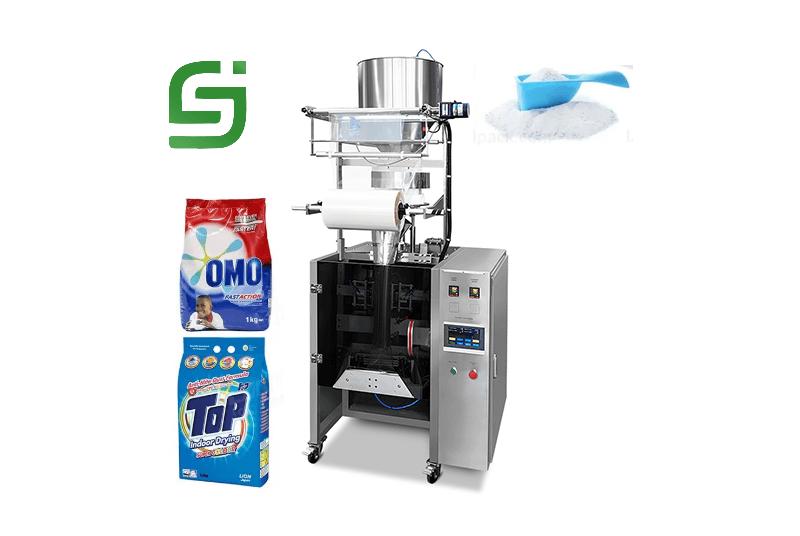
A common solution for fine powder is an auger-based filler, but the correct choice depends on flow, bulk-density variation, target amount, pack opening, and cleaning needs. The auger, tube, agitation, and cutoff behavior work as a set. Other dosing approaches may be appropriate for different product structures. Suppliers should explain why their method fits the coffee sample rather than presenting a generic equipment label.
During each cycle, the filler receives a demand from the packer, meters product, and releases it into the waiting package. Accuracy must be evaluated using consecutive packs and an agreed weighing method. Include the first doses after priming, samples during stable running, product refill, and restart. If the recipe uses correction factors, record them with the product lot and installed parts.
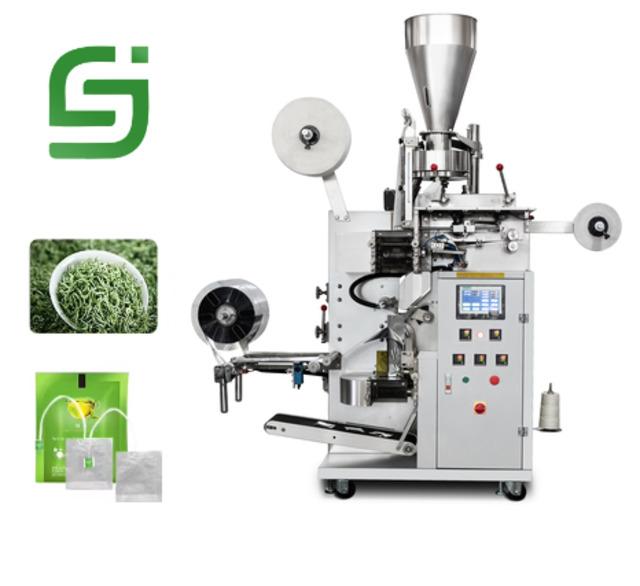
On a rollstock system, film unwinds, passes registration and tension controls, forms around a collar or tube, receives longitudinal and transverse seals, and is cut to length. On a premade-pouch system, individual packages are picked, opened, filled, and sealed. Both routes require compatible material and enough clear opening for the coffee to enter without coating the edges.
Package barrier and consumer use drive material selection, while machinability determines how the structure feeds and seals. Approve roll dimensions or pouch presentation, thickness, sealant layer, print mark, coding area, and finished geometry. Test the actual laminate. The coffee packing machine must be configured for that material rather than adjusted around an unidentified substitute.
Fine coffee in a seam can create channels even when jaw temperature appears correct. Control the drop distance, fill timing, air displacement, static, and the delay before sealing. The fill tube or nozzle should direct product below the closing area. Dust extraction or settling features may help when properly engineered, but they must not remove product unpredictably or draw film out of position.
Jaw surfaces need to remain clean, aligned, and within the qualified temperature, pressure, and dwell range for the laminate. More heat cannot compensate for visible powder. Inspect seam continuity and determine whether defects arise from contamination, wrinkles, incomplete fusion, thermal damage, or pulling during discharge. Cooling and pack transfer are part of the seal process because a hot seam can be weakened by immediate stress.
Finished-pack release can include dose or net quantity, appearance, dimensions, registration, code, cut position, seam condition, leak performance, and any site-specific barrier checks. Use a written sampling plan and retain the order of samples. Averages alone can conceal unstable individual packs, while a few ideal examples do not describe routine operation.
| Observed defect | Likely areas to examine | Useful confirmation |
|---|---|---|
| Changing fill quantity | Powder condition, hopper level, filler setup, refill event | Ordered weight samples with lot and recipe |
| Coffee in transverse seal | Cutoff, drop path, dust, timing, headspace | Slow observation and opened reject sequence |
| Crooked or wandering print | Roll loading, tension, guides, registration sensor | Web marks and pack-to-pack position record |
| Weak seam without powder | Material orientation, jaw contact, process window, cooling | Seam test using approved film reference |
| Unreadable code | Trigger, print surface, supplies, pack movement | Code samples through startup and normal run |
Trend defects separately so maintenance and process teams can act on evidence. If every reject is entered as “packaging fault,” recurring causes remain hidden. A useful record connects the defect to product, material roll, setup, time, and intervention.
A coffee changeover may involve removing bulk product, emptying hopper and filler, cleaning dust routes, replacing contact components, loading new film, updating code information, selecting a recipe, and releasing first-off packs. Define the sequence before production. Label removable parts and protect clean assemblies so operators do not exchange augers, tubes, or formers between formats.
Inspect hidden ledges, joints, sensor brackets, guards, and extraction connections where fine powder can remain. Cleaning methods must suit the food-safety program, electrical protection, and machine materials. After reassembly, verify guards and tooling, run a controlled prime, and inspect quantity and seals. Do not return product solely because the controls show the previous recipe.
A supplier trial should use representative coffee, approved packaging, the proposed filler, and realistic pack dimensions. Record product condition, configuration, recipe, sample order, interventions, and rejects. Include startup, steady production, low hopper, refill, a short stop, restart, and cleaning access. When temporary manual actions are used, list them clearly so the buyer knows whether they are part of the final operating plan.
Accepted output should be calculated after the inspection criteria are applied. A high cycle count does not show whether packs have correct quantity, clean seams, and readable codes. Ask who supplies the upstream feed, extraction, coding, checkweighing, discharge, and line controls; then document every interface and acceptance responsibility before ordering.
Why does fill quantity drift after a hopper refill?
The refill may change powder head, compaction, aeration, temperature, or bulk density. Record the event and compare ordered samples before changing filler settings.
Can one recipe be used for every coffee blend?
No. Different powders may need their own qualified parts and parameters. Recipe control should link settings to a product, package, and witnessed result.
What is the first response to powder in the seal?
Observe product cutoff and the fall into the package. Check dust, air displacement, timing, fill level, and film presentation before increasing sealing energy.
Does a faster machine always produce more usable packs?
No. Usable output depends on accepted quality, refill and film changes, cleaning, stops, inspection, and downstream capacity during available operating time.
Which records support future troubleshooting?
Keep product lot and condition, film reference, installed tooling, recipe, ordered quantity results, defect categories, alarm events, changes made, and retained packs.
Package atmosphere may be part of the product specification. If gas flushing, reduced residual oxygen, or another protective method is proposed, define the measurement, sampling location, test timing, and acceptance authority. Verify that the feature works with the actual coffee flow and pack volume; its presence on a component list does not prove the finished package result. Include gas supply quality, alarms, and safe operating procedures in the site scope.
Environmental control around the line also deserves review. Humid air, open doors, compressed-air quality, and long exposed transfers can affect powder behavior or cleanliness. Record room conditions during trials and early production so unexplained changes can be compared with evidence. The packaging machine should operate within a defined facility window rather than being expected to overcome uncontrolled surroundings.
When a new film roll or coffee supplier is introduced, review the change before using the existing recipe. A short controlled confirmation can show whether flow, registration, sealing, or coding has moved outside the established window.
Instant coffee moves through a connected process: controlled storage and feed, suitable dosing, accurate package presentation, protected seals, inspection, and disciplined cleaning. Buyers should witness those stages with their actual powder and laminate, especially through refill and restart. The result should be a documented operating window, not an assumption that any powder filler will perform identically.

YISEN MACHINERY - The ONE-STOP VFFS PACKING MACHINE SOLUTION SUPPLIER
 Tel: +8617350750975
 Email: info@vffspackingmachinery.com
 MP/WhatsApp: +8617350750975
 Manufacturer Address:Meixi Road, Tongan District, Xiamen,Fujian,China