

Hot Keyword:
Author:YISEN Pouch Packing Machine Manufacturer TIME:2024-08-27
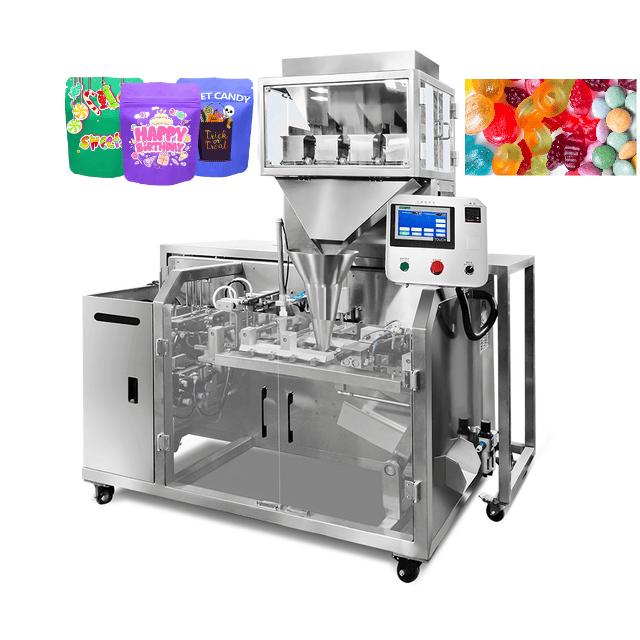
A horizontal premade-pouch system moves a pouch through opening, filling, and sealing stations while keeping its mouth accessible from above. It is a strong option when a producer wants premade pouch presentation, several dosing choices, or station-by-station process control. It is not automatically the best choice for every product. The decision should follow pouch construction, product behavior, required operations, cleaning, changeover, and accepted output rather than a headline cycle rate.
The phrase "horizontal pouch machine" can describe more than one arrangement. A premade-pouch machine takes finished pouches from a magazine, opens them, fills them, and closes the top. A horizontal form-fill-seal system forms pouch shapes from rollstock before filling. Their material supply, format change, appearance options, and maintenance needs differ. Buyers should confirm which process a proposal uses.
For a premade system, much of the package appearance is created by the pouch converter before the bag reaches the machine. Features such as zippers, gussets, shaped corners, or hanging holes may already be present. The packer must handle those features consistently. Rollstock systems shift more forming responsibility into the packaging machine and need a different discussion about sealing paths and web control.
This guide focuses on station-based premade pouch handling. The principle is simple, but every transition matters: one poor pickup, incomplete opening, or contaminated seal can invalidate the finished pack even when the filler itself is accurate.
Premade pouches should arrive within agreed dimensional and material tolerances. Stiffness, surface friction, curl, static, zipper profile, gusset fold, and top-edge consistency affect how they separate and travel. A pouch that looks attractive in a hand sample may stick to its neighbor or resist automatic opening in a production stack.
Provide dimensioned drawings, intended laminate specifications, and samples from the actual converter. Confirm magazine capacity and the operator's loading method. Pouches need an unambiguous orientation, and the stack should not be compressed or allowed to deform. If several formats share the line, identify which magazine guides, grippers, suction cups, or opening devices change.
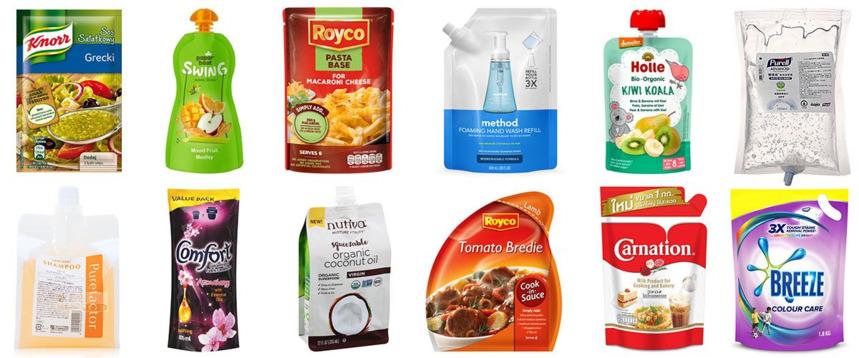
Package qualification should include functional features after processing. Zippers must open and reclose as intended, gussets should present correctly, artwork should remain aligned, and top material must lie flat for the final seal.
A typical sequence may include pouch feeding, identification or coding, opening, presence and opening checks, filling, optional settling or gas handling, top cleaning where appropriate, sealing, cooling, and discharge. The actual system may combine or omit steps. Each station needs a defined input, action, confirmation, and fault response.
Clarify what happens when a pouch is missing or fails to open. The filler should not discharge product into an absent or closed bag. If a coder faults, decide whether the affected pouch is rejected or the line stops. A seal-temperature alarm should prevent questionable packs from being mixed with accepted output. These interlocks are more useful than a long optional-feature list with no operating sequence.
Leave physical space and control capacity for genuinely planned additions, but avoid specifying undefined functions "for the future." A reserved station has value only when its dimensions, utilities, and likely purpose are understood.
The pouch machine transports the package; the filler controls the product dose. Granules, powders, free-flowing pieces, fragile items, liquids, viscous sauces, and mixtures require different feeding and metering principles. The supplier should review density, particle size, dust, stickiness, fragility, temperature, inclusions, and target quantity before selecting that system.
Interface timing is essential. The pouch must be open and stable before discharge, while the dose must finish and clear the top before transfer to sealing. A bulky product may need settling. Dust may need extraction or a controlled fill path. Liquid nozzles may need to enter the bag. The machine layout must provide room for the filler and safe cleaning access.
When comparing an indexed pouch packing machine, ask for performance in accepted packs rather than separate nominal rates for the bagger and filler. The slower or less stable part of the combined process determines usable output.
Reliable opening begins with clean separation from the magazine. Suction position, vacuum condition, pouch surface, and stack presentation all affect pickup. The gripper then needs to locate the pouch without damaging artwork or functional features. Opening devices must spread the mouth enough for filling without distorting the zipper or gusset.
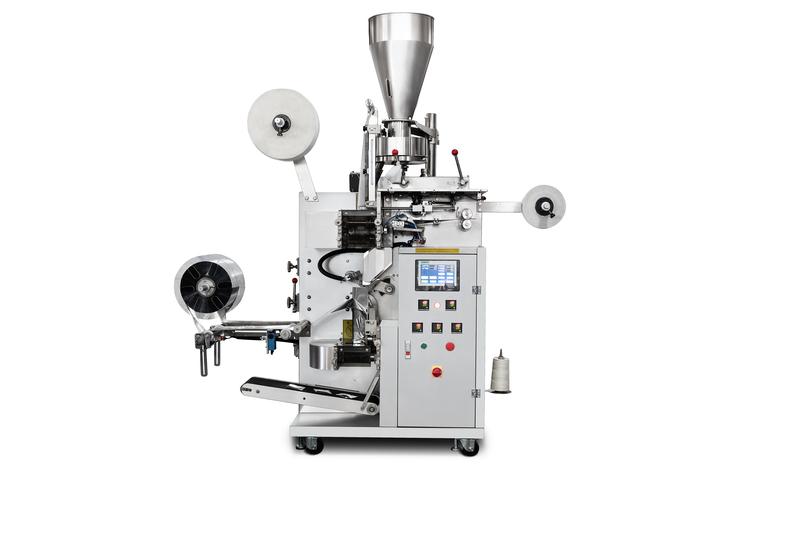
A sensor may confirm that material is present, yet fail to prove a full opening. Review the detection method and the no-pouch/no-fill sequence. During trials, log double feeds, dropped bags, opening failures, and interventions. These losses should be included when comparing output.
Format setup should use references that operators can repeat. If opening depends on repeated trial-and-error positioning, the line may perform well only when a specialist is present. Demonstrate changeover with the intended operator team and inspect the first-off pouch before filling product.
Seal quality is created by material compatibility, clean film, flat presentation, and controlled heat, pressure, and dwell. Product in the sealing band cannot be reliably corrected by raising temperature. Filling position, headspace, dust or drip control, pouch support, and transfer motion should keep the top area clean.
Premade pouches can carry wrinkles from handling. Guide the top edges so the jaws close evenly, and confirm that zipper or gusset features do not enter the seal unintentionally. Cooling may help stabilize the closed area before discharge, depending on laminate and process. Seal settings should be qualified with the intended pouch, not generic film.
| Selection area | Buyer input | Trial evidence |
|---|---|---|
| Pouch handling | Production samples and dimensional tolerances | Pickup, grip, opening, and transfer loss record |
| Product dosing | Representative material and target quantities | Ordered measurements and observed product condition |
| Top closure | Laminate, zipper, seal-band, and appearance criteria | Clean seals, functional checks, and leak evaluation |
| Format change | Planned pouch and product matrix | Parts list, setup references, and first-off approval |
| Line controls | Fault and upstream/downstream sequence | Demonstrated stop, interlock, and restart behavior |
Layout review should show product infeed, pouch loading, operator positions, doors and guard clearance, cleaning access, electrical and pneumatic connections, rejected packs, discharge direction, and downstream inspection or case packing. A machine that fits by footprint may still be unserviceable if a panel cannot open or a filler component cannot be removed.
Consider how product reaches the filler. Elevators, pumps, conveyors, and buffer hoppers need a common control sequence. Uncontrolled supply can overfill the hopper or starve the dose. At discharge, filled pouches may need support to prevent impact, seal stress, or unstable presentation to checkweighing and metal detection chosen by the producer.
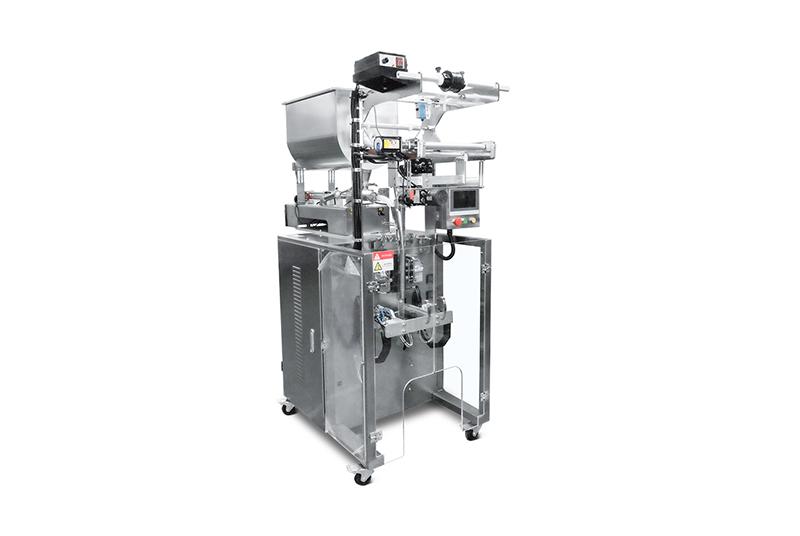
Daily staffing also matters. Identify who replenishes pouches, monitors product, clears routine faults, samples packs, and performs sanitation. Ergonomic loading height and safe component handling can have more operating value than another rarely used mode.
Provide each supplier with the same product, pouch, target quantity, and quality criteria. Define which formats represent the range and how long the proof run must remain stable. Count accepted pouches at discharge after normal rejects, not only machine indexes. Review quantity, appearance, opening failures, product loss, seals, coding, and operator intervention.
Include planned disturbances. Refill the product supply, replenish the pouch magazine, stop and restart, and demonstrate a normal format change. Observe recovery and first-off checks. A steady demonstration that avoids routine events gives an incomplete picture of production.
Record unresolved conditions such as substitute film, hand-fed product, or missing downstream equipment. Supplier responsibilities, buyer responsibilities, exclusions, training, spare parts, and documentation should be written before acceptance. This creates a common basis for the purchase decision without relying on broad performance language.
Review accessibility with guards in their normal service positions. Technicians should be able to inspect grippers, vacuum lines, opening devices, filler interfaces, seal jaws, and sensors without disturbing unrelated alignment. This practical check often reveals whether a compact station layout will remain maintainable after the first months of operation.
Is a horizontal pouch machine only for stand-up bags?
No. Compatibility depends on the machine and pouch-handling design. Flat, gusseted, zipper, or other premade formats require sample and drawing review.
Can the same bagger pack powders and liquids?
The pouch transport may support multiple fillers, but product paths, dosing systems, hygiene, timing, and changeover must be engineered for each duty.
What determines practical production output?
Pouch feeding, opening success, dosing time, seal process, product supply, rejects, replenishment, and operator interventions together determine accepted output.
Why test pouches from the intended converter?
Material stiffness, friction, curl, zipper construction, and tolerances affect automatic handling even when nominal dimensions match.
Can an extra station be added after installation?
Possibly if mechanical space, controls, utilities, guarding, and process timing were reserved. The proposed function still needs an engineering review.
Horizontal premade-pouch equipment earns its flexibility through coordinated stations, not through the transport layout alone. Define the actual pouch, product, filler, seal requirement, fault sequence, and factory interfaces. Then test the combined system through routine starts, replenishment, and changeover. That process reveals whether the line can produce acceptable packages with manageable work, which is the decision that matters after installation.

YISEN MACHINERY - The ONE-STOP VFFS PACKING MACHINE SOLUTION SUPPLIER
 Tel: +8617350750975
 Email: info@vffspackingmachinery.com
 MP/WhatsApp: +8617350750975
 Manufacturer Address:Meixi Road, Tongan District, Xiamen,Fujian,China