

Hot Keyword:
Author:YISEN Pouch Packing Machine Manufacturer TIME:2024-09-12
Potato chips packaging equipment stays reliable when cleaning, lubrication, film-path inspection, weigher care, seal-jaw checks, and compressed-air maintenance are scheduled around the product's oil, salt, crumbs, and fragile structure. Maintenance should protect package quality as well as machine motion, because a line can continue cycling while producing broken chips or leaking bags.
Chip crumbs, seasoning dust, and oil collect on chutes, forming tubes, pull belts, jaws, guards, and conveyor transfers. Remove loose product using methods allowed by the food-safety program before it is pressed into warm surfaces or moving parts. Cleaning should begin only after isolation and cooling steps defined by the manufacturer. Operators need suitable tools so they do not use metal scrapers that damage coated contact surfaces or seal faces.
Divide the line into product-contact, package-contact, and machine-service zones. The weigher and discharge chute may need food-release inspection, while the printer and control cabinet require dry care. Record difficult buildup locations and adapt frequency to the recipe; heavily seasoned or oily chips can need shorter intervals. After cleaning, inspect for missing fasteners, incorrectly fitted guards, wet sensors, and tools left inside the frame.
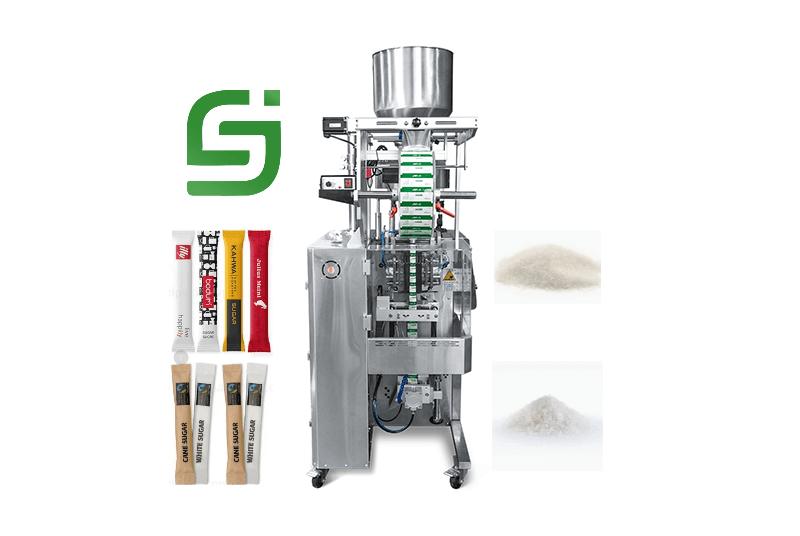
Multihead weighers depend on free-moving feeder pans, clean weigh hoppers, reliable load cells, and stable mounting. Crumbs trapped at a gate can prevent full closure and create weight drift. Oil can change product flow and attract fines. Clean each path without striking or overloading load cells, then confirm hoppers move freely. Use the maker's calibration procedure after relevant work or whenever check results indicate a shift.
External vibration from platforms, conveyors, or loose hardware can disturb weighing. Check mounting bolts, isolation features, and nearby equipment before changing software filters. Product distribution across feeder pans should remain even; one empty channel can reduce combination choices and output. Track giveaway and reject trends because they can reveal gradual buildup earlier than a visible alarm.
During production, compare weigher behavior before and after a hopper refill or seasoning change. A new batch can have a different oil coating, temperature, or broken-piece content. If feed amplitude rises continually to maintain output, inspect product distribution and buildup rather than assuming the stored recipe remains correct. Trend data from checkweighing can show whether maintenance or product condition is driving the change.
Rollstock must unwind with controlled tension, follow rollers squarely, pass the registration sensor, and move smoothly over the forming shoulder. Inspect rollers for adhesive, dust, damage, and free rotation. Check unwind brakes, edge guides, dancer movement, pull belts, and encoder surfaces. A small film-tracking error can produce wrinkles that later become channels in the top or vertical seal.
When belts wear unevenly or become oily, film may slip during acceleration. Clean them only with approved materials and replace pairs where the design requires matched behavior. Confirm the printed eye mark is visible to the sensor under actual lighting. After threading, make empty bags and compare length, registration, and seal alignment before reintroducing chips.
Maintenance should preserve gentle product handling. Worn chute liners, loose transitions, sharp edges, or an incorrectly positioned forming tube can increase drop impact. Inspect the complete route from weigher discharge through the bag and onto the takeaway conveyor. Look for accumulations that narrow passages and for fasteners protruding into the flow. Broken-chip percentage should be sampled using an agreed method rather than judged from a few visible bags.
Timing between weigher release and bag opening also affects collisions. If chips strike a closing jaw or partially formed bag, verify sensors, delays, and mechanical positions before increasing cycle time. Conveyor drops should support full bags without crushing their contents. Compare breakage after maintenance with a retained acceptable sample so a repair does not solve one motion problem while worsening product quality.
Seasoning and oil in the sealing area can carbonize, create uneven contact, and damage release tape. Inspect jaw faces after safe cooling, clean grooves, check mounting and parallelism, and replace worn coverings correctly. Temperature controllers, heaters, and sensors should respond consistently; an indicated value cannot prove that heat is even across the full jaw width. Use appropriate measurement or seal samples to confirm performance.
Track leaks by jaw position and production event. Defects on one side may indicate alignment or pressure differences, while failures after stops can point to thermal drift or product settling. Include cooling and discharge in the review because fresh seals can open if bags are stretched or compressed immediately. Retain failed packs with time, recipe, film lot, and settings for diagnosis.
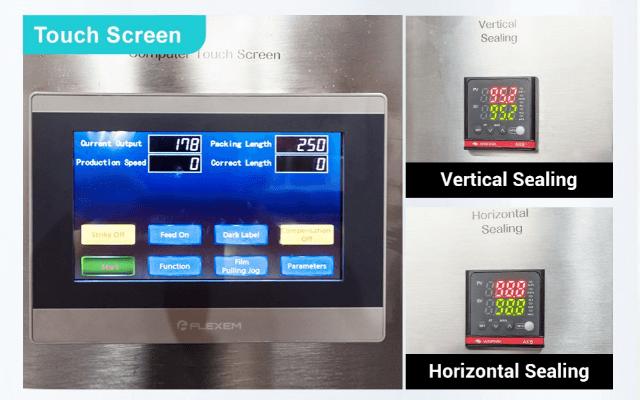
Unstable compressed air affects cylinders, jaws, film control, rejects, and safety devices. Drain and service air preparation according to the installed system, inspect leaks, and verify pressure under load rather than only while idle. Vacuum lines and filters used for film or bag handling should remain clear. A weak pickup condition can appear intermittent and tempt operators to make unrelated timing changes.
Keep cabinets closed and cooling paths clean. Check fans, filters, terminals, cable glands, and sensor cables during planned shutdowns using qualified personnel. Dust inside an enclosure can raise temperature and shorten component life. Back up approved recipes and controller parameters through the site's change-control process. After electrical work, challenge guards, emergency stops, alarms, and restart logic before releasing production.
Printer maintenance deserves its own routine because oil mist and dust affect sensors, print heads, rollers, and code adhesion. Verify the approved cleaning material and avoid transferring solvent or ink to film-contact components. After service, confirm code content, location, contrast, and readability at startup speed and normal speed. A clear code on an empty test web may blur when a filled bag changes web tension.
Calendar intervals provide a starting point, but oil level, seasoning, hours, changeovers, film dust, and stop frequency influence actual wear. Combine manufacturer recommendations with inspection findings, faults, and package-quality data. Define who performs each task, required isolation, tools, acceptable condition, replacement criteria, and the check needed afterward. Vague instructions such as “inspect regularly” do not produce consistent care.
Spare parts should match installed components and expected lead times. Common review items include pull belts, heaters, temperature sensors, release tape, cutting blades, pneumatic seals, vacuum cups, printer consumables, load-cell protection parts, and critical sensors. Store food-contact components cleanly and identify change parts by format. Record every replacement so repeated failures can be investigated instead of normalized.
Analyze recurring stops by cause and duration. A short sensor fault repeated many times can create more waste than one visible mechanical repair. Link downtime records to shift, product, film lot, maintenance action, and package defects. This helps the team prioritize a loose connector, air leak, dirty photoeye, or worn belt according to its effect on accepted production instead of its replacement price. Review trends during weekly production meetings.
Maintenance ends when the line safely produces acceptable bags, not when tools are removed. Run a controlled startup with the intended chips and film. Check feed distribution, weights, giveaway, registration, code, seal appearance, leakage, bag inflation where gas is used, chip breakage, and reject operation. Inspect first packs separately and increase sampling if work affected dosing or sealing.
| Work completed | Restart check | Release record |
|---|---|---|
| Weigher cleaning or repair | Calibration, consecutive weights, giveaway | Scale check and sample sequence |
| Film-path adjustment | Tracking, length, printed registration | Empty and filled retained bags |
| Jaw or heater work | Temperature response and seal test | Settings plus leak results |
| Air or vacuum service | Cycle under load and fault challenge | Pressure and alarm observation |
| Product-route repair | Breakage and unobstructed discharge | Product sample comparison |
Use the relevant granular packing machine documentation for model-specific limits, then keep a local restart checklist for the installed line. Supervisors should review abnormal results before operators compensate with undocumented settings. This maintains a traceable link between maintenance, machine condition, and saleable snack quality.
How often should a potato chips bagger be cleaned?
Frequency depends on oil, seasoning, production hours, allergens, and the sanitation plan. Inspect buildup and set documented intervals for each zone.
Should load cells be washed with high-pressure water?
Only if the equipment is explicitly designed and approved for that method. Impact, water ingress, and overload can damage weighing components.
What causes repeated seal tape damage?
Possible causes include dirty jaws, incorrect installation, sharp edges, excessive temperature, misalignment, or product trapped during closure.
When should the weigher be recalibrated?
Follow manufacturer and quality procedures, and verify after work affecting load cells, mounting, controls, or whenever check data shows drift.
Which maintenance result matters most?
Safe operation and accepted packages matter together. A machine that cycles smoothly but leaks or breaks chips has not been released correctly.
Effective care for a potato chips packaging machine combines food-safe cleaning with mechanical, pneumatic, electrical, weighing, film, and sealing checks. The program should respond to actual oil and crumb buildup, observed wear, and package defects. A documented restart using real chips and production film confirms that maintenance restored both equipment function and the quality customers receive.

YISEN MACHINERY - The ONE-STOP VFFS PACKING MACHINE SOLUTION SUPPLIER
 Tel: +8617350750975
 Email: info@vffspackingmachinery.com
 MP/WhatsApp: +8617350750975
 Manufacturer Address:Meixi Road, Tongan District, Xiamen,Fujian,China