

Hot Keyword:
Author:YISEN Pouch Packing Machine Manufacturer TIME:2024-09-12
The right coffee packing machine is chosen by coffee form, freshness strategy, package style, and production workflow. Whole beans, roast-and-ground coffee, and soluble powder do not move through a filler in the same way, even when their retail bags look similar. Start by defining the product condition at packing and the package that protects it. Then select dosing, bag handling, air or gas management, sealing, and inspection as one connected process. A catalog speed without those conditions is not a dependable buying basis.
Whole roasted beans are discrete but can be oily, fragile, and irregular in size. Roast-and-ground coffee releases fine particles, may retain gas, and can coat contact surfaces. Soluble coffee can range from free-flowing granules to a finer hygroscopic powder. Blends with flavor ingredients create further cleaning and segregation concerns. The filler and transfer path should be selected for the actual form rather than the word "coffee."
Record bulk density across expected lots, particle or bean size, dust level, oiliness, fragility, temperature after processing, and the time between roasting or grinding and packaging. State whether product arrives continuously or by batch. These factors influence hopper design, feeder settings, weighing stability, product drop, and sanitation.
Use representative samples during trials. Freshly produced coffee can behave differently from material that has rested in a sealed container for transport. If test condition differs from production, document that difference and decide how it will be closed before acceptance.
The package must be selected with the product owner and material supplier to address aroma retention, oxygen and moisture exposure, light where relevant, mechanical strength, and the intended distribution life. The packaging machine makes and seals the pack; it does not establish shelf life by itself. Barrier claims, valve use, and gas strategy need product-specific validation.
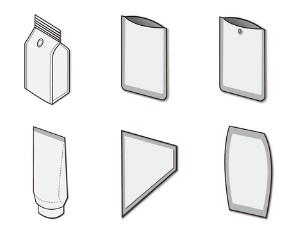
List retail sizes, bag dimensions, film or premade-pouch specification, zipper, one-way valve if used, gusset, coding area, and case-packing orientation. A valve may be applied before the bag reaches the packer or integrated through separate equipment, depending on the process. Its location must not conflict with grippers, forming surfaces, filling, or seals.
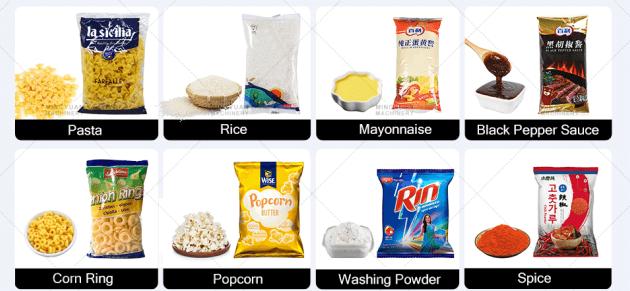
Premium appearance increases the need for controlled film tracking, square seals, clean surfaces, and gentle discharge. Agree on visible acceptance criteria with actual artwork. A technically closed bag can still be commercially unacceptable if its gusset, label, or print position is inconsistent.
A vertical form-fill-seal platform creates bags from a film roll and can provide an efficient route for suitable pillow or gusseted formats. A premade-pouch system fills converter-made bags and can support finished features and a distinctive shelf shape. Neither method is universally superior. Material cost, bag style, changeover, floor layout, operator work, and required output all affect the choice.
Rollstock operation places film forming, registration, longitudinal sealing, and end sealing inside the machine. It therefore needs approved film behavior and the correct forming set. Premade operation places greater emphasis on pouch separation, pickup, opening, gripping, and top sealing. Converter consistency becomes part of machine reliability.
Compare accepted bags using the same coffee and commercial package target. Include film or pouch replenishment and format change. This shows the production consequence of each path instead of reducing the decision to machine price or nominal cycles.
Whole beans are often considered for weighing systems that can control portions while limiting harsh drops. Feeder surfaces, vibration, bucket size, and transfer height influence bean damage and giveaway. Ground coffee may use an auger or another suitable powder-dosing method, but aeration, oil, fines, and refill behavior must be tested. Soluble granules may suit weighing or volumetric methods when flow and density support them.
A coffee packing machine proposal should state the exact filler, its intended product range, and how it connects to upstream supply. Stable hopper level matters. Uncontrolled refilling can compact a powder, disturb weighing, or interrupt the bagger. The line sequence should prevent the filler from discharging unless a valid package is ready.
Evaluate quantity with ordered samples through startup, steady running, refill, and restart. Observe bean breakage or powder dust at the same time. A correct average does not compensate for unacceptable variation, damaged coffee, or contamination in the top seal.
Coffee can carry or release gas, and powder can trap air during filling. These conditions affect bag volume, seal presentation, and downstream handling. Determine how much headspace is needed for the product and package. Settling or vibration can reduce apparent volume in some applications, but it should not damage beans or cause fine material to enter the seal area.
If gas flushing is part of the freshness plan, define the gas source, delivery point, timing, monitoring, and the producer's validation method. A gas option alone does not prove residual-oxygen performance or shelf life. Product flow, bag opening, dose timing, and seal closure all influence the result.
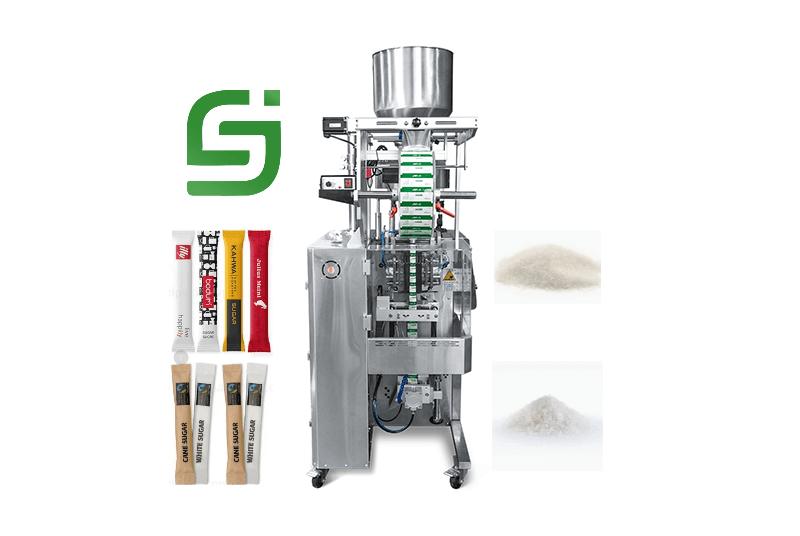
One-way valve packs need a coordinated approach to product gas release and package shape. The valve specification and application quality belong in package qualification. Do not assume that adding a valve can correct poor seals or an unsuitable laminate.
Barrier performance is lost if film is punctured, the longitudinal seam channels, or coffee remains across an end seal. Ground coffee dust is particularly important because fine particles can travel with the product stream. Whole beans can also become trapped when headspace is too small or the bag moves before discharge is complete.
Control the path before changing heat settings. Use appropriate filling clearance, product cutoff, dust capture where justified, and enough time for the stream to leave the jaws. Confirm that the intended laminate seals within a stable operating window. Inspect wrinkles, contamination, seal alignment, and bag handling after the machine, then apply the producer's qualified integrity test.
| Coffee application | Packaging priority | Machine review point |
|---|---|---|
| Whole roasted beans | Limit breakage and retain aroma | Gentle feeding, weighing, drop height, and bag volume |
| Roast-and-ground | Control fines and protect the seal | Powder dosing, dust movement, cutoff, and cleanability |
| Soluble granules | Keep moisture out and quantity stable | Flow consistency, refill behavior, and barrier closure |
| Flavored coffee | Manage residue and flavor carryover | Accessible contact parts and an approved change sequence |
| Valve pouch | Coordinate gas release and pack shape | Valve location, filling clearance, and finished function |
Changeover extends beyond selecting another target weight. Product must be removed from supply hoppers, feeders, weigh buckets or augers, transfer chutes, and forming or filling areas. Oils and fine coffee can remain on surfaces. Define what level of carryover is acceptable and how the plant will verify cleaning between products.
Format changes may involve forming sets, guides, bag-length values, registration, fillers, coding position, or premade-pouch handling parts. A clear format matrix should link every stock-keeping unit to its recipe and physical setup. Mark change parts and provide protected storage so an approved configuration can be restored.
Test the first packs after change. Review quantity, flavor or product identity controls, bag dimensions, print position, seals, and appearance. Production planning can reduce difficult cleanouts by grouping compatible products, but the sequence should be approved by the coffee producer's quality team.
A useful test includes production-representative coffee and the intended film or pouch. Select formats that challenge filler range, package size, dust control, and changeover. Define sample quantities and inspection methods before the run. Accepted output should be measured after normal rejects, not inferred from index speed.
Introduce normal events: refill product, replace film or pouches, stop, restart, and recover from a routine fault. Record quantity results in order, product damage, dust, opening or tracking losses, seals, coding, appearance, and operator actions. If freshness-related options are included, verify them using the producer's defined method.
The final technical agreement should name included products and formats, exclusions, utilities, upstream and downstream interfaces, cleaning responsibility, training, spares, documentation, and open test conditions. This turns a demonstration into usable procurement evidence.
Can one line package both whole beans and ground coffee?
It can be engineered with compatible or exchangeable filling arrangements, but product paths, dust, cleaning, timing, and format changes need separate approval.
Is gas flushing required for every coffee package?
No universal answer applies. The producer should base the decision on product, package, shelf-life validation, and distribution requirements.
Does a faster machine always deliver more saleable coffee bags?
No. Filler stability, film or pouch handling, seals, replenishment, rejects, and operator interventions determine accepted output.
Why use the intended printed material in a trial?
Stiffness, friction, sealing layer, registration marks, ink, and package features can change how material tracks and seals.
What is the best way to compare two suppliers?
Give both the same samples and acceptance plan, then compare finished-pack evidence, changeover work, access, support scope, and documented limitations.
Coffee packaging should be designed from the product outward. Identify how beans, grounds, or soluble material behave; establish the freshness and presentation role of the bag; select a suitable machine path and filler; then prove seals, changeover, and accepted output with real samples. That method produces a line specification tied to coffee quality and daily work, not a generic equipment label.
Coffee trials should anchor the final specification.

YISEN MACHINERY - The ONE-STOP VFFS PACKING MACHINE SOLUTION SUPPLIER
 Tel: +8617350750975
 Email: info@vffspackingmachinery.com
 MP/WhatsApp: +8617350750975
 Manufacturer Address:Meixi Road, Tongan District, Xiamen,Fujian,China