

Hot Keyword:
Author:YISEN Pouch Packing Machine Manufacturer TIME:2024-09-12
Instant coffee can be packed in pillow bags, stick packs, flat sachets, stand-up pouches, or gusseted retail bags, but the package should be chosen before the machine. Serving size, reclosure, shelf presentation, moisture and oxygen protection, filling opening, seal area, and distribution method determine which format is practical. The equipment must then form or handle that package without exposing powder to humidity or contaminating the seal.
The phrase coffee bag can describe a single-use stick or a family-size pouch, and those formats create very different engineering conditions. Instant coffee powder may be fine, dusty, electrostatic, or prone to absorbing moisture. Granulated or agglomerated products can flow differently and may break down if handled harshly. A useful packaging review therefore connects the consumer format with powder behavior, laminate performance, dosing technology, headspace, and the way a pack will be opened and stored. Before approving the format list, estimate how each size will be supplied, stored, and scheduled. Wide rolls and large premade pouches need suitable handling space, while small stick-pack webs demand accurate guiding and registration. Confirm whether printed material will be ordered in quantities that suit actual campaign sizes; excessive leftover film can outweigh a minor theoretical speed advantage. Secondary packaging is part of the choice as well. Count how sticks, sachets, or retail bags enter cartons, whether operators can orient them consistently, and whether a filled gusset receives enough support on conveyors. Consumer trials may reveal practical issues that machine samples miss, such as powder caught near the tear point, a zipper that is difficult to reclose, or a large bag that does not pour neatly. Capture these observations in the package brief before tooling is finalized, because changing artwork or film is usually easier than correcting an unsuitable bag geometry after production equipment has been ordered.
Define the net quantity, number of servings, opening method, reclosure need, display orientation, coding area, carton arrangement, and intended distribution conditions. A hotel stick, a refill sachet, and a stand-up retail pouch should not share one vague requirement. Record the smallest acceptable seal margins and the headspace available after filling. Marketing artwork also has machine consequences: registration marks, print repeat, zipper position, gusset folds, and tear features must align with forming or pouch-handling stations. Ask the material converter for dimensional tolerances and the full laminate specification. The pack owner should separately establish the barrier and shelf-life requirements; machine selection can preserve the specified material and seal, but it cannot determine product stability without a suitable study.
A pillow bag is commonly formed from a web that wraps around a forming collar and receives a longitudinal seal plus top and bottom cross seals. Its straightforward shape can support efficient production and economical film use for many refill or institutional products. It does not stand upright by itself and generally offers less structural presentation than a gusseted retail pouch. The former, film width, seal style, and bag length must match the desired quantity. Fine instant coffee can escape with displaced air during the drop, so the filling tube, cutoff timing, dust control, and settling allowance need attention. Evaluate the finished seam location, pack shape in a carton, ease of opening, and whether the powder remains clear of every sealing surface.
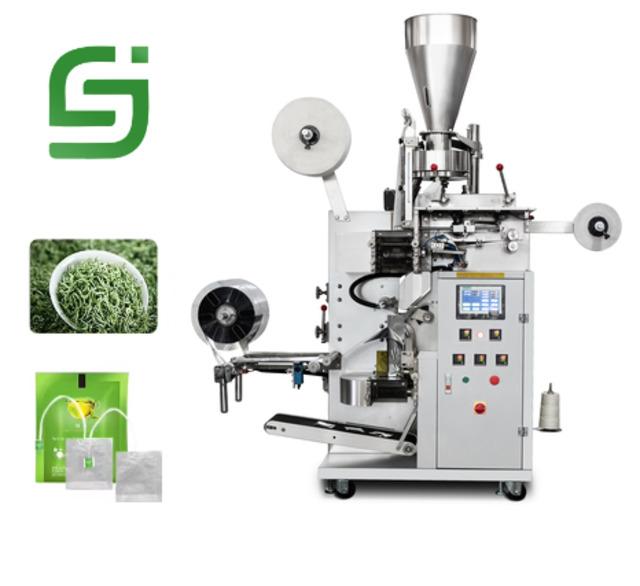
A bottom gusset lets a doypack-style pouch stand on a shelf after filling. The larger front panels provide room for branding and instructions, while an optional zipper can support repeated use. These benefits bring added handling requirements. Premade pouches must be picked, opened, and held consistently; a rollstock process capable of creating the intended gusset requires compatible forming technology. Zipper location, tear notch, pouch stiffness, and opening force affect machine settings. For instant coffee, check that powder does not settle into the zipper track or top seal. The largest fill should leave enough free space for spreading and closing. Buyers should also test how the pouch stands after normal transport, because a nominal gusset does not guarantee an attractive filled shape.
Side gussets increase usable volume and can create a more rectangular shelf profile. Quad-seal constructions reinforce the vertical corners with four longitudinal seals, producing defined panels when the bag and contents support the shape. These packs can suit larger instant-coffee quantities, but they require careful control of film folds, former geometry, seal alignment, and discharge handling. A bag that is too large for the powder quantity may look underfilled, while insufficient headspace can interfere with top closing. Review whether the machine forms the complete geometry or handles a converted pouch. Trial material should include printed registration and normal converter variation. Inspect corner seals, gusset symmetry, top-seal flatness, and stability in the intended shipping case.
Narrow stick packs provide a convenient single serving and use a slender package shape, while flat three-side or four-side sachets offer a broader panel and different opening experience. Both formats can be produced on dedicated single-lane or multi-lane equipment, subject to the film width, dose, and filler arrangement. Small quantities magnify dosing and cutoff issues; a minor absolute deviation can be important relative to the target. The filling system should also place powder cleanly into a limited opening without building residue on seal faces. Test tear behavior and powder release into the cup, not only machine speed. For multi-lane production, compare lane-to-lane fill results, registration, seal appearance, and reject handling instead of treating all lanes as one average.
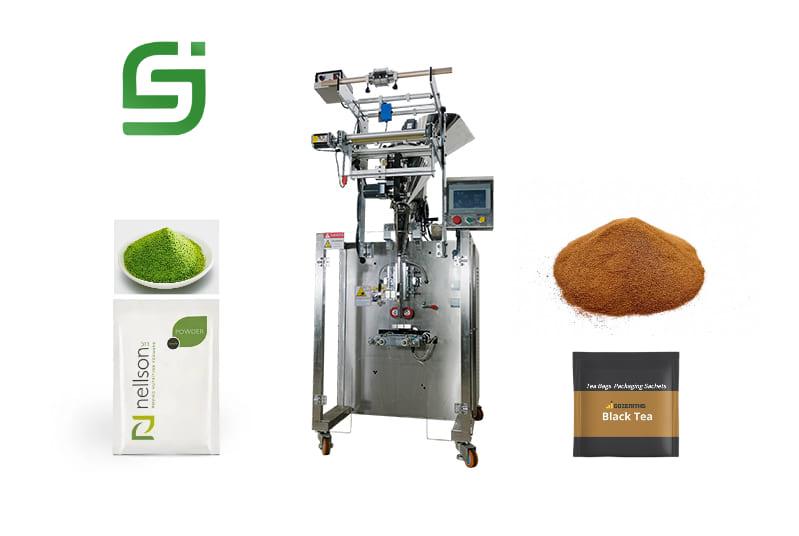
Instant coffee quality can be affected by moisture, oxygen, aroma transfer, and light depending on the product and distribution plan. The package owner and material supplier should specify a laminate that meets the required barrier and mechanical performance, then confirm it through the appropriate product study. On the machine, that material must track, form or open, withstand folding, and develop a stable seal without distortion. Sealant compatibility, thickness variation, coefficient of friction, and static can alter running behavior. Store trial rolls or pouches under controlled conditions and identify their lot. If gas flushing is proposed, define its purpose, supply quality, flow, timing, and verification rather than assuming the option automatically creates a particular shelf life.
A coffee packing machine must combine the selected package route with a powder filler that suits the product. Auger dosing is often evaluated for powders, but screw design, agitation, refill, bulk density change, and dust containment influence the result. Other dosing principles may fit different coffee forms or quantity ranges. The matrix below summarizes the principal equipment questions.
| Bag family | Typical machine route | Engineering focus |
|---|---|---|
| Pillow bag | Rollstock forming, filling, longitudinal and cross sealing | Film tracking, forming size, powder drop, seam location |
| Stand-up pouch | Premade-pouch handling or suitable gusset-forming system | Opening, gusset expansion, zipper cleanliness, headspace |
| Quad or side-gusset bag | Specialized forming or converted-bag platform | Fold control, corner seals, filled shape, discharge support |
| Stick or flat sachet | Dedicated single- or multi-lane rollstock equipment | Small-dose control, lane balance, tear and seal quality |
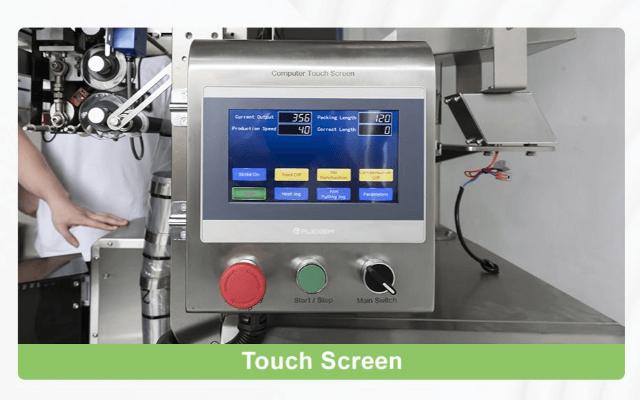
Run the actual coffee and approved packaging material through startup, stable operation, low hopper level, refill, stop, and restart. Check consecutive fills using the owner's method, watch dust at the filling tube, inspect seals for trapped powder, and retain packs from each phase. Include the smallest and largest format, plus a zipper or gusset if those features are in scope. Record the auger or other filler parts, recipe, product lot, film lot, environmental conditions relevant to the powder, registration settings, and interventions. The powder packing machine range can introduce available equipment, but the demonstrated product-and-pack combination should control the final configuration. Open questions about barrier, shelf life, or consumer use need their own qualified evidence.
Which bag is best for single-serve instant coffee? Stick packs and small flat sachets are common candidates, but the choice should reflect dose, opening experience, artwork, material use, filler accuracy, and the intended serving method.
Can a pillow-bag machine make a stand-up pouch? Not automatically. A stand-up format needs the correct gusset-forming capability or a machine designed to handle finished pouches. Confirm the exact geometry with samples and drawings.
Does instant coffee need a one-way degassing valve? That feature should follow the actual product and package specification. Instant coffee has different behavior from freshly roasted whole beans, so a valve should not be added by assumption.
Why does coffee powder enter the seal? Possible causes include dust, displaced air, overfill, poor cutoff, inadequate settling, static, or insufficient headspace. Examine the filling event before changing only the jaw settings.
How should several formats be accepted? Test every approved extreme with production coffee and material, retain packs, record filler and sealing settings, and verify changeover through the first acceptable pack.
Instant coffee can use several bag families, each with a distinct balance of convenience, presentation, material behavior, and machine complexity. Package selection should begin with consumer and product needs, then be checked against forming or pouch handling, powder dosing, headspace, seal protection, and changeover. Representative trials give buyers a defensible format range without pretending that one coffee machine can create every pouch style unchanged.

YISEN MACHINERY - The ONE-STOP VFFS PACKING MACHINE SOLUTION SUPPLIER
 Tel: +8617350750975
 Email: info@vffspackingmachinery.com
 MP/WhatsApp: +8617350750975
 Manufacturer Address:Meixi Road, Tongan District, Xiamen,Fujian,China