

Hot Keyword:
Author:YISEN Pouch Packing Machine Manufacturer TIME:2024-09-26
Powder equipment can be tailored for dose range, bag size, filler geometry, agitation, dust containment, product-contact materials, controls, and connected line functions. Customization is successful only when each change answers a measured powder behavior or production need. A machine cannot be made universally compatible with every powder through software settings alone; flow, aeration, moisture sensitivity, wear, and cleaning can require physical differences.
A buyer should begin with a powder dossier rather than a catalog option list. Include bulk density at more than one condition, particle-size distribution, flowability, dustiness, tendency to bridge or flood, static, hygroscopicity, compaction, abrasiveness, fragility, allowable shear, dose range, and contamination controls. Supply both routine and difficult lots for trials. Then describe the approved bag styles, laminate, headspace, output pattern, room constraints, utilities, product sequence, and release checks. Distinguish adjustments, interchangeable modules, and one-off engineering. Adjustable values are useful for normal variation; modules extend a controlled range; bespoke parts carry additional documentation, spares, and support obligations. This hierarchy keeps the project flexible without making setup ambiguous. Capacity planning should reflect the real campaign calendar. Note batch size, number of product changes, film replenishment, hopper refill method, inspection frequency, scheduled sanitation, and the skill level available on each shift. A customized line that performs well during a long single-product trial may be inefficient when production changes recipe twice per day. Also review the installation environment: ceiling height, access platforms, dust zoning, room pressure, temperature and humidity control, lifting routes, drainage, and space to remove augers or hoppers. These constraints can change feeder layout and maintenance access. Include a mock layout with service clearances before design approval. Finally, separate desired measurements from instruments actually included in the scope. A checkweigher, dust monitor, or level sensor has a defined function and detection limit; it should not be described as complete process assurance unless its response and operator action are agreed.
The hopper is a process vessel, not merely storage above the filler. Steep wall angle, outlet geometry, surface finish, agitation, vibration, level range, and refill method influence how powder reaches the meter. A cohesive product may form a stable bridge, while an aerated powder can flood when the bridge collapses. Excessive agitation can compact some materials, create heat, damage particles, or separate a blend. Observe the actual product after transport and holding because a fresh laboratory sample may not represent production. If several recipes share the line, record which hopper insert, agitator, or refill control belongs to each. Test at high and low level and immediately after refill. The goal is consistent presentation to the dosing device, not continuous movement at any cost.
Auger fillers are widely evaluated for powders, but screw diameter, pitch, flight form, tube clearance, cutoff, drive resolution, and agitation must suit the product and quantity. One screw may not give useful control across a very broad range. Small sachets can need a finer metering setup, while large fills may need greater displacement or a different cycle strategy. Other filling principles may suit free-flowing or unusual products and should be compared using evidence rather than labels. Measure consecutive packs at startup, stable running, low hopper level, refill, stop, and restart. Record bulk-density changes and the exact installed parts. If automatic weight feedback is proposed, define its sampling, correction limits, alarm response, and relationship with the owner's final acceptance method.
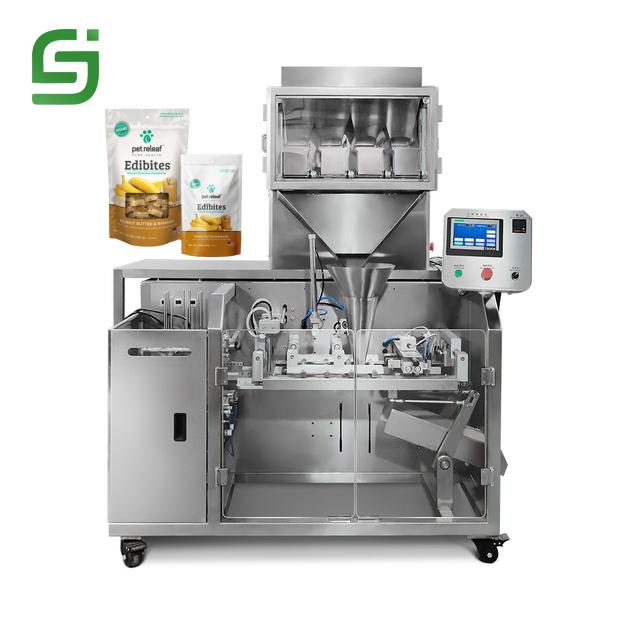
Dust-control customization can include enclosed transfer, sealed connections, local extraction, dust-tight hoppers, controlled venting, a filling tube that enters the bag, or measures to reduce the fall distance. Extraction must capture displaced air without removing saleable product or changing the dose. Fine material on sensors, seal faces, and electrical enclosures can create maintenance and quality problems even when room exposure is managed. Static may affect film, powder, and surfaces, but any control method should follow the material hazard assessment and site requirements. Identify emission points during an actual cycle, including refill and cleaning, then choose controls for those locations. A generic extraction port is not proof that airflow will be correct after the final ductwork is connected.
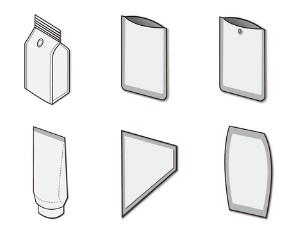
Bag width, length, seal style, gusset, zipper, valve, laminate stiffness, and required headspace affect forming parts and powder discharge. A narrow opening can restrict a bulky or aerated fill, while a large bag may require support during settling and transfer. For rollstock equipment, former geometry, film tension, registration, longitudinal seal, and cross-seal arrangement define the package family. Premade-pouch systems add pickup and opening considerations. Test the lowest available headspace and the dustiest product because those cases challenge seal cleanliness. Custom chutes, funnels, bag clamps, or settling devices should be removable and identifiable. The package owner still must establish barrier and shelf-life suitability; the machine supplier demonstrates handling and sealing of the approved material.
Product-contact surfaces and seals should be selected against food, chemical, pharmaceutical, or other application requirements supplied by the owner. Abrasive minerals can accelerate wear in screws and tubes; corrosive ingredients may limit metals or elastomers; colored or allergenic powders can make residue visibility and line clearance important. Surface finish, access, removable parts, gasket design, and avoidance of retention pockets affect cleaning. A quick-release component has little value if it is heavy, awkward to support, or easily reinstalled in the wrong orientation. Ask for material declarations and exact spare-part references where required. During trials, inspect for product smearing, trapped powder, wear marks, and difficult disassembly. The site must validate its sanitation or decontamination process for the intended product sequence.
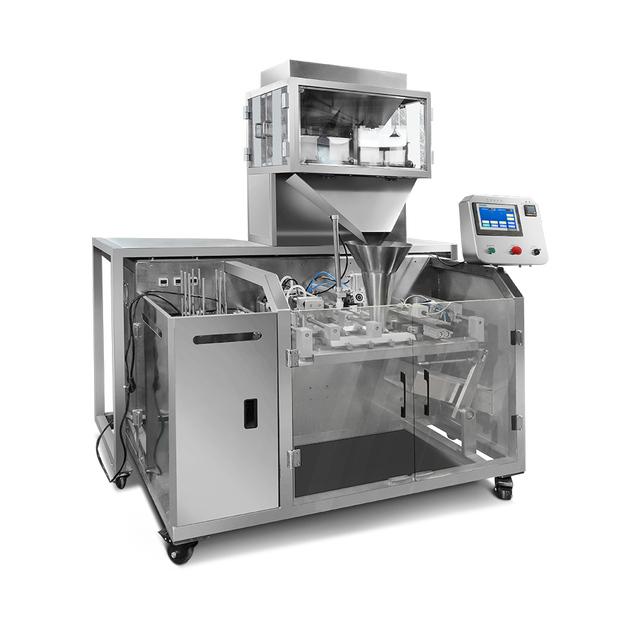
Controls may store auger counts or time, agitation behavior, refill logic, bag dimensions, sealing values, coder settings, alarms, and interface signals. Recipe names should match the physical change parts and approved product rather than providing a false impression that every conversion is electronic. Limit parameter access by role, preserve change history where the quality system needs it, and maintain a recoverable backup of the commissioned software. Upstream conveyors, vacuum loaders, checkweighers, extraction, printers, and downstream packers need documented handshakes. Challenge low product, feed interruption, bag loss, extraction failure, and downstream blockage during acceptance. Define which packs become suspect after each event and how the operator returns to a controlled state.
Customization adds value when it closes a specific product or operating gap. The comparison below keeps optional equipment tied to observed conditions and a practical verification step.
| Observed condition | Possible configuration response | Trial question |
|---|---|---|
| Bridging above the filler | Revised hopper geometry or controlled agitation | Does feed remain stable across level and refill changes? |
| Airborne powder at discharge | Enclosure, short drop, venting, or engineered extraction | Is dust contained without product loss or dose shift? |
| Wide quantity range | Alternative screw, tube, or metering module | Are both range extremes repeatable and maintainable? |
| Frequent recipe changes | Identified removable contact set and recipe control | Can the team clean, rebuild, and release the next run? |
| Abrasive powder | Suitable wear materials and inspection points | Are service limits and spare references documented? |
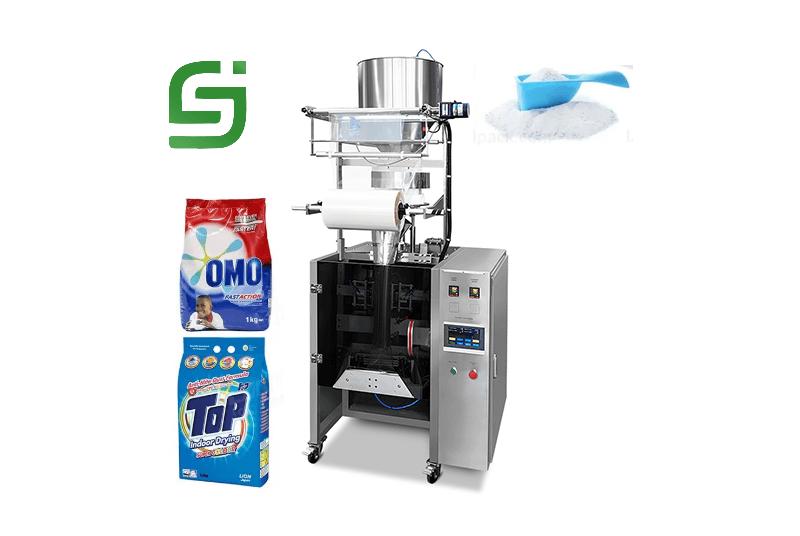
The purchase scope should list products, quantity range, bags, output basis, installed options, utilities, interfaces, contact materials, cleaning boundary, guarding, documents, training, spare parts, and exclusions. The powder packing machine range is a platform reference; final acceptance belongs to the exact screw, hopper, chute, forming set, controls, and connected equipment demonstrated with the buyer's powder. Witness cold startup, normal running, refill, stop, restart, and a representative changeover. Keep retained packs, setup sheets, drawings, software versions, and an open-item log. For custom parts, agree on identifiers, manufacturing records, expected replacement route, and technical support. Flexibility has limited value if a critical module cannot be reproduced after wear or damage.
Can one powder filler handle flour, spice, and milk powder? It may cover selected products, but each powder's flow, density, dust, moisture response, cleaning, and dose must be tested with the installed hopper and metering parts.
Which custom feature improves accuracy most? There is no universal answer. Stable feed, a suitable metering range, controlled refill, correct cutoff, and an appropriate measurement method work together.
Can dust extraction be added later? Sometimes, but hood geometry, airflow, duct route, interlocks, room system, and product loss should be engineered early. A spare port alone is not a complete extraction design.
Are touchscreen recipes enough for fast changeover? No. Physical screws, tubes, hoppers, formers, film, cleaning status, and first-off inspection must match the selected recipe.
How should customized equipment be accepted? Use representative difficult powder and approved film, test operating phases and range limits, inspect seals and dust, record interventions, and preserve the final configuration documents.
Powder machinery is customizable within an engineered operating envelope. Useful changes begin with measured material behavior and end with documented parts, settings, access, interfaces, and acceptance results. Buyers should resist a universal-machine promise and instead approve a defined product matrix. When difficult lots, range limits, dust sources, cleaning, and failure recovery are witnessed, customization becomes a controlled production asset rather than a collection of uncertain options. That discipline also gives future engineers a reliable baseline when a new powder, pouch, or production target is proposed.

YISEN MACHINERY - The ONE-STOP VFFS PACKING MACHINE SOLUTION SUPPLIER
 Tel: +8617350750975
 Email: info@vffspackingmachinery.com
 MP/WhatsApp: +8617350750975
 Manufacturer Address:Meixi Road, Tongan District, Xiamen,Fujian,China