

Hot Keyword:
Author:YISEN Pouch Packing Machine Manufacturer TIME:2024-10-10
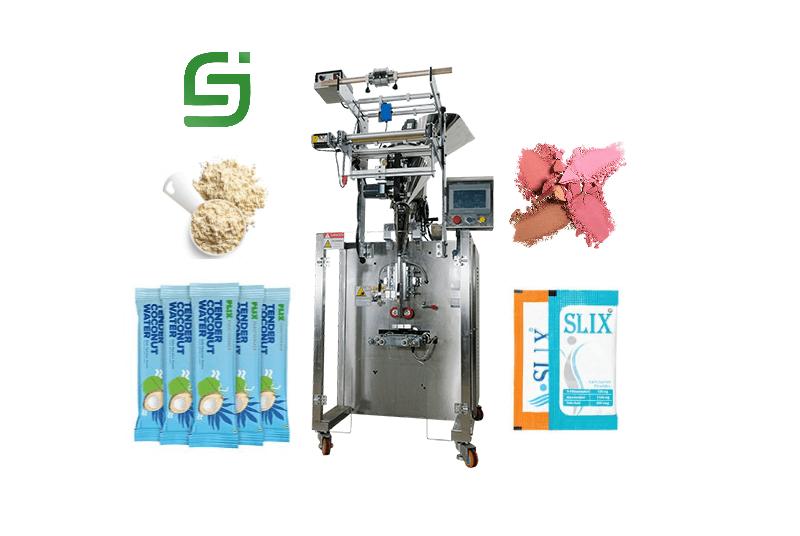
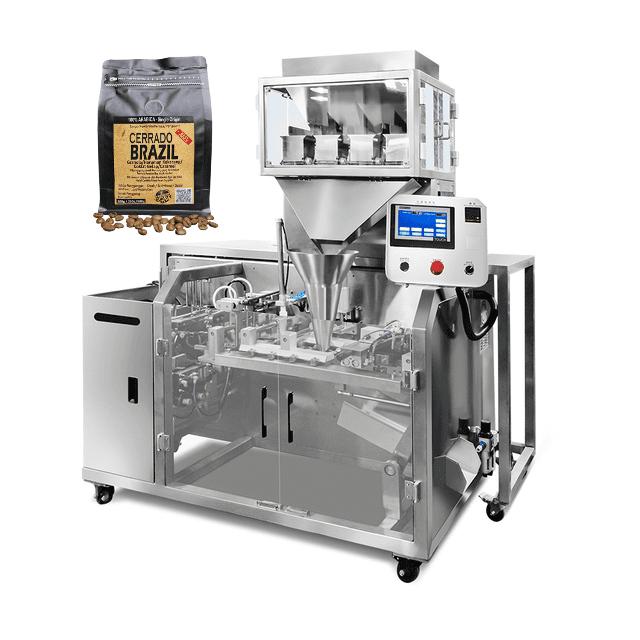
A powder packing machine meters a dry powdered product and encloses it in a bag, sachet, pouch, or container while controlling dose, dust, seal cleanliness, coding, and discharge. It is not one fixed design: auger fillers, cup or weigh systems, pumps for unusual products, vertical baggers, and premade-pouch machines are combined according to powder behavior and package requirements.
The line receives powder from processing or storage, conditions its supply, measures a portion, presents packaging material, fills the dose, removes or contains airborne dust, seals the package, prints traceability information, and transfers finished packs to inspection or secondary packing. These functions may be housed in one frame or connected as separate modules.
A complete scope identifies the upstream transfer device and downstream equipment. Vacuum conveyors, screw feeders, elevators, checkweighers, metal detectors, printers, extraction, and carton systems can determine whether the packer runs continuously. When one module stops, controls should prevent uncontrolled feeding and identify uncertain packs. The general machine name does not prove that every interface is included.
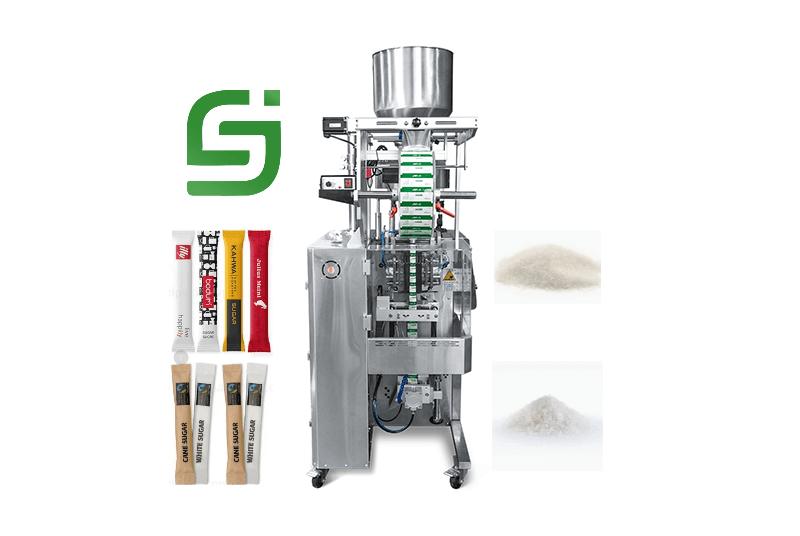
Powders vary in bulk density, particle size, moisture sensitivity, cohesiveness, aeration, static charge, abrasiveness, oil content, and tendency to bridge or flood. Flour, coffee, spice, milk powder, detergent, and pharmaceutical-like ingredients can behave very differently. Record normal variation and the condition after transfer or storage, not only a small settled laboratory sample.
Aerated powder occupies more volume and may compact after filling, causing weight or package-shape changes. Cohesive material can form a stable bridge above a feeder, then collapse suddenly. Fine particles escape through gaps and enter seals. Provide enough representative material for a sustained trial that includes refill, low hopper level, a pause, and restart.
Safety properties require specialist review. Combustible dust, hazardous ingredients, irritants, and products needing containment may require engineered extraction, zoning, grounding, filtration, protective measures, or validated cleaning beyond a standard food bagger. The product owner should supply the relevant hazard and handling information before configuration begins.
Supply design determines whether the hopper receives material in the same state used during dosing trials. A vacuum transfer can aerate powder, a screw conveyor may compact it, and a long drop can separate a blend. Coordinate transfer cycles with hopper level so the filler is neither starved nor flooded. Sample before and after replenishment to see whether transport changes weight or composition.
Auger fillers meter many powders by rotating a screw through a controlled number of turns. Screw geometry, tube clearance, agitation, cutoff, and hopper condition affect performance. A fine free-flowing material may need a different auger from a fluffy cohesive one. Servo control improves repeatable rotation but cannot prevent bridging above an unsuitable screw.
Some granulated powders or dense free-flowing products may use cups or weighing, while specialized applications use other dosing principles. Select the method around dose range, bulk-density variation, dust, cleaning, product damage, and required accepted output. Check the smallest and largest targets because one auger set may not perform equally across a broad range.
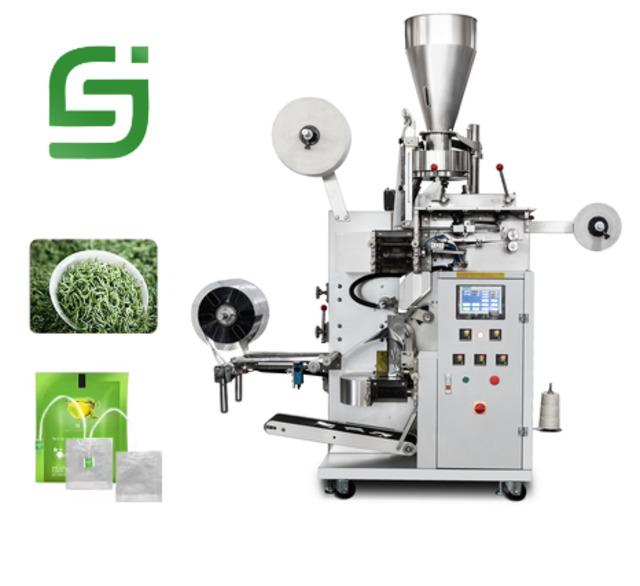
Vertical form-fill-seal systems unwind rollstock, form a tube, make longitudinal and horizontal closures, and cut bags. Premade-pouch machines pick and open finished bags, supporting zippers or stand-up presentation. Small stick or sachet equipment serves narrow unit doses. The package choice affects opening clearance, headspace, filling tube size, sealing method, and material cost.
Powder and laminate must be tested together. Static, friction, stiffness, print registration, sealant response, and permeability influence operation and protection. Fine powder can cling to the inner web or pouch mouth. The bag needs time for material to settle below the closure. Bulky aerated powder may require more volume than its weight suggests.
Package dimensions should consider settled volume as well as the volume immediately after filling. Aerated powder can make a bag look full at the nozzle and then collapse during transport, while an undersized package forces dust toward the seal. Observe settling on the takeaway conveyor and in the intended carton. Adjust headspace through package design and filling control rather than compressing the product blindly.
Enclosed transfer, sealed hoppers, controlled filling tubes, local extraction, and well-designed connections reduce airborne powder. Extraction pickup should be close to the release point yet balanced so it does not pull light ingredients from the dose or change blend composition. Filters need accessible cleaning and disposal procedures appropriate to the material.
Dust that reaches film rollers, sensors, pull belts, electrical cabinets, or jaws causes tracking faults and maintenance problems. Separate dry-cleaning zones and avoid blowing material deeper into the frame with uncontrolled compressed air. Monitor housekeeping during a long run, not only immediately after setup. The amount collected by extraction should be included in product-loss calculations.
Volumetric auger delivery can remain mechanically repeatable while net weight changes with bulk density. Use a suitable reference scale and ordered samples. Measure startup, steady production, replenishment, low level, after a stop, and after cleaning. Record product condition, auger set, speed, agitation, and any manual intervention. Average giveaway and individual results both matter.
Do not correct every isolated reading. Verify tare, scale method, trapped powder, and process trend first. Feedback from a checkweigher can adjust some systems, but it cannot fix bridging, an empty hopper, or changing blend composition. The operating target should follow the buyer's declared-quantity and quality rules, supported by demonstrated capability.
Static electricity can make fine material cling to film, guards, and operators, especially under dry conditions. Grounding and approved antistatic measures should be reviewed with the product and equipment design. Avoid improvised ionizers or air jets that spread dust. Monitor humidity only where the product process permits it, since added moisture can worsen caking or change shelf stability.
Powder remains in hopper corners, auger flights, tubes, seals, flexible connectors, extraction ducts, and static-prone surfaces. Review how each area is emptied and inspected. If parts are removed, confirm safe lifting, identification, drying where applicable, and protected storage. Allergen, color, active ingredient, or fragrance changes can demand separate contact sets or verified cleaning.
Maintenance priorities include augers, tubes, bearings outside contact zones, agitators, seals, level sensors, extraction filters, forming parts, heaters, thermocouples, cutting components, and guards. Abrasive materials can accelerate wear and change clearance. After work, check assembly, rotation direction, calibration, dust containment, dose sequence, and seal quality before normal release.
Operator training should cover refill, recipe verification, sample collection, extraction checks, dry cleaning, fault clearance, and the safe handling of powder retained inside the machine. Define which adjustments are routine and which require technical authorization. If output changes, operators should inspect supply and buildup before modifying auger turns repeatedly, because uncontrolled compensation can increase giveaway and hide a physical problem.
Define product variation, target weights, packages, output, dust controls, cleaning boundaries, utilities, inspection, and changeover frequency. Then test production powder and approved packaging long enough to reveal aeration, buildup, and refill behavior. The powder packing machine arrangement should be documented with its auger, tube, hopper, agitation, extraction, forming set, and coding equipment.
| Trial condition | Question answered | Evidence |
|---|---|---|
| Freshly transferred powder | Does aeration change the dose? | Bulk condition and ordered weights |
| Low hopper level | Does feeding remain stable? | Level, alarms, affected packs |
| Longest planned run | Where does dust or buildup appear? | Inspection and intervention log |
| Smallest package | Can powder clear before sealing? | Mouth inspection and leak tests |
| Full changeover | Is cleaning and release practical? | Time, residue checks, first samples |
Repeat important tests after installation using local utilities and trained operators. Retain samples, raw data, settings, component identities, film lot, and defect photographs. Capability should remain tied to the powder and package conditions that were actually demonstrated.
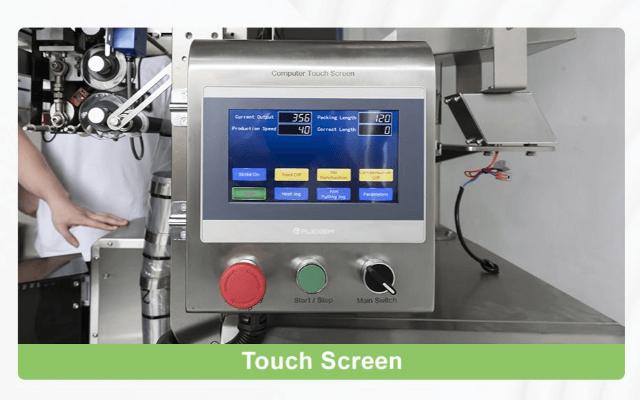
Installation layout should provide safe access for hopper loading, roll changes, extraction service, auger removal, and waste collection. Confirm floor loading, electrical supply, compressed air, ventilation interfaces, and cleaning restrictions. A short product route reduces residual inventory, but enough isolation is needed to prevent vibration from upstream or downstream equipment affecting measurement.
Are all powder machines auger fillers?
No. Augers are common, but some free-flowing materials use cups, weighing, or specialized dosing methods.
Why does powder weight drift after transfer?
Transfer can aerate or compact material, changing bulk density and the mass delivered by a volumetric system.
Can stronger extraction solve every dust issue?
No. Excess airflow can remove product or separate a blend. Enclosure, release control, and balanced pickup must work together.
What causes powder in the top seal?
Dust, overfilling, poor settling time, static, an unsuitable filling tube, or sealing before the dose clears are frequent causes.
How much sample powder is needed for testing?
Enough is needed for setup, stable running, refill, low-level operation, stops, restart, and cleaning; a few kilograms may be insufficient.
Powder packaging combines material handling, dosing, dust control, package formation or opening, sealing, coding, and inspection. Reliable selection starts with the powder's real flow, density, hazard, and cleaning behavior rather than a generic product label. A sustained trial with production material and approved packaging establishes the usable range and the controls needed to keep weight, seals, housekeeping, and operator safety stable.

YISEN MACHINERY - The ONE-STOP VFFS PACKING MACHINE SOLUTION SUPPLIER
 Tel: +8617350750975
 Email: info@vffspackingmachinery.com
 MP/WhatsApp: +8617350750975
 Manufacturer Address:Meixi Road, Tongan District, Xiamen,Fujian,China