

Hot Keyword:
Author:YISEN Pouch Packing Machine Manufacturer TIME:2024-10-10
The base machine handles film; the filler determines how the contents are measured. Product categories are therefore a useful starting point, but a buyer must qualify each actual recipe, target amount, and packaging structure.
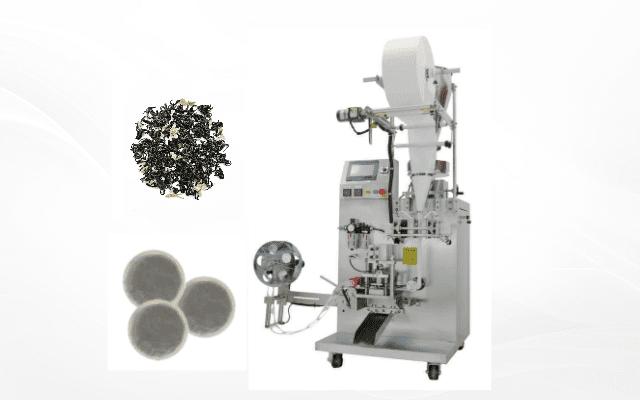
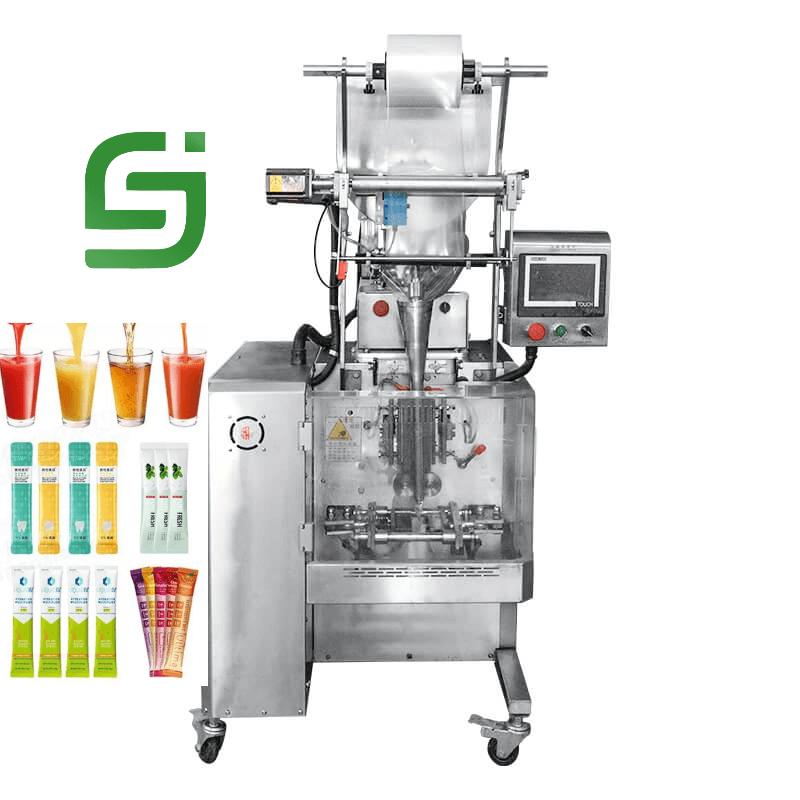
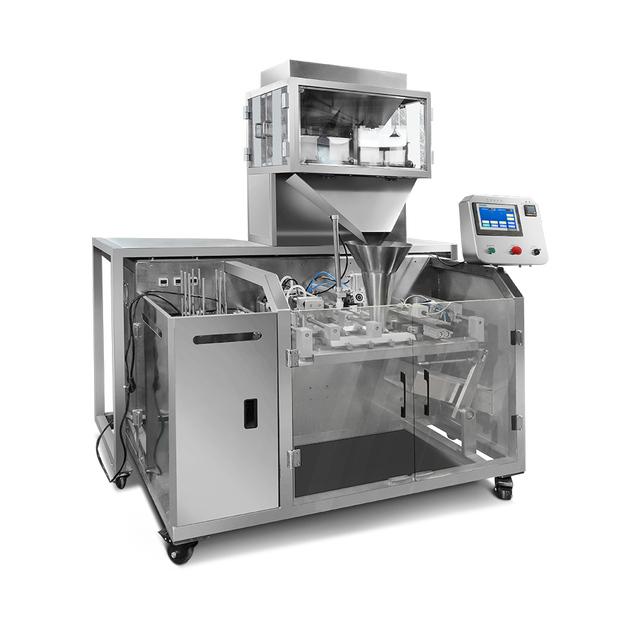
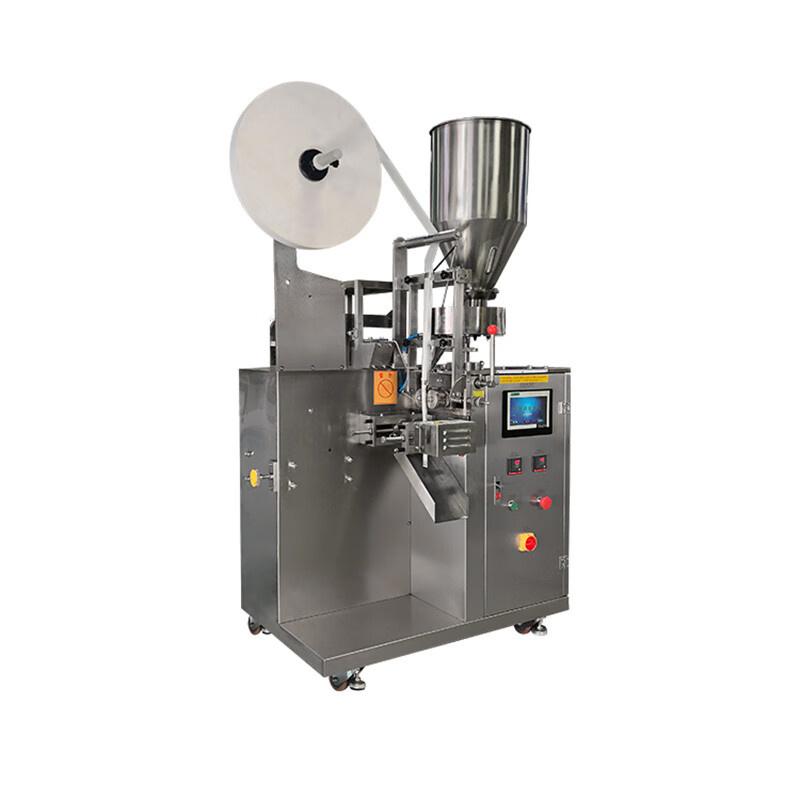
A sachet packing machine forms small flexible packages from rollstock, doses product into them, seals the package, and cuts or separates the finished units. It can pack powders, granules, liquids, pastes, tablets, and selected nonfood items when equipped with the correct feeder and when the product fits the sachet opening, material, sealing process, and hygiene design.
Rollstock is unwound under controlled tension and guided into the forming area. Depending on design, the machine creates a three-side, four-side, pillow, or stick-like package. The filler releases product at the correct point, and heated jaws close the required seams. Registration sensing aligns printed artwork, while a knife separates packs or leaves them connected by perforations.
These operations share one timing sequence. A longer liquid fill may require a different rhythm from a short powder dose. A material with a narrow seal window may need more contact time. On multi-lane equipment, product and film are divided across several channels, so alignment and distribution must be checked at every lane.
The line may also include coding, weight or vision inspection, reject handling, counting, and cartoning interfaces. These are configured functions, not automatic parts of every sachet machine.
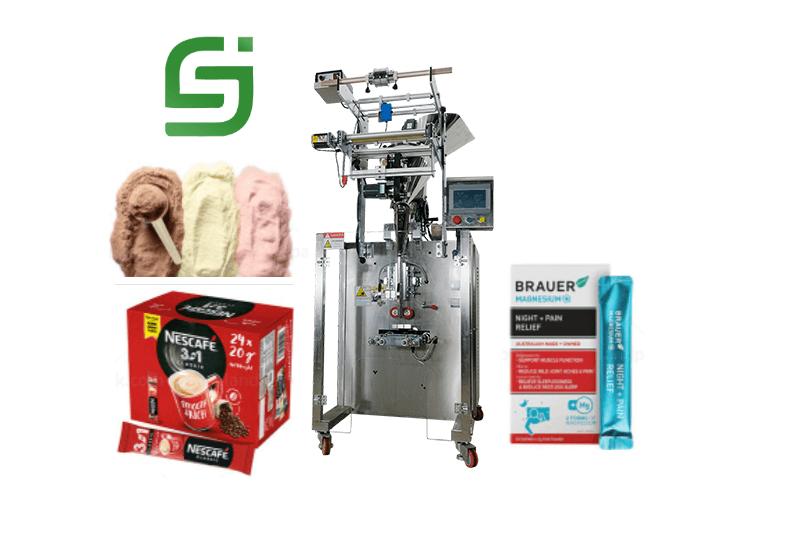
Drink mixes, spices, milk powders, supplements, detergents, and other powdered products may be candidates. Fine cohesive material often needs controlled agitation and auger dosing. A stable free-flowing powder might suit another volumetric or weighing method. The choice follows bulk density, particle distribution, moisture sensitivity, aeration, and the target amount.
Dust can settle on cross seals and cause channels. The filler tube, extraction, product drop, headspace, and web movement should keep the seal zone clean. Powders that retain air may expand after dosing, so the package requires enough volume and time before closure.
Do not assume all batches behave alike. Test material after normal transport and storage, including the condition most likely to bridge or form lumps. Individual fill results reveal variation that an average can hide.
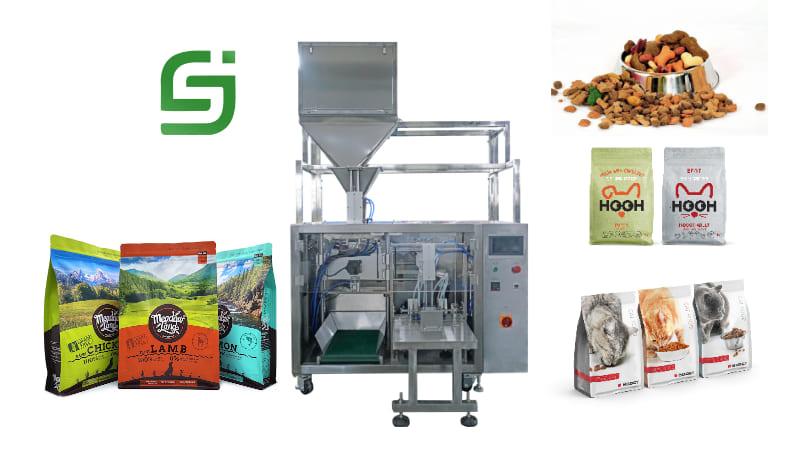
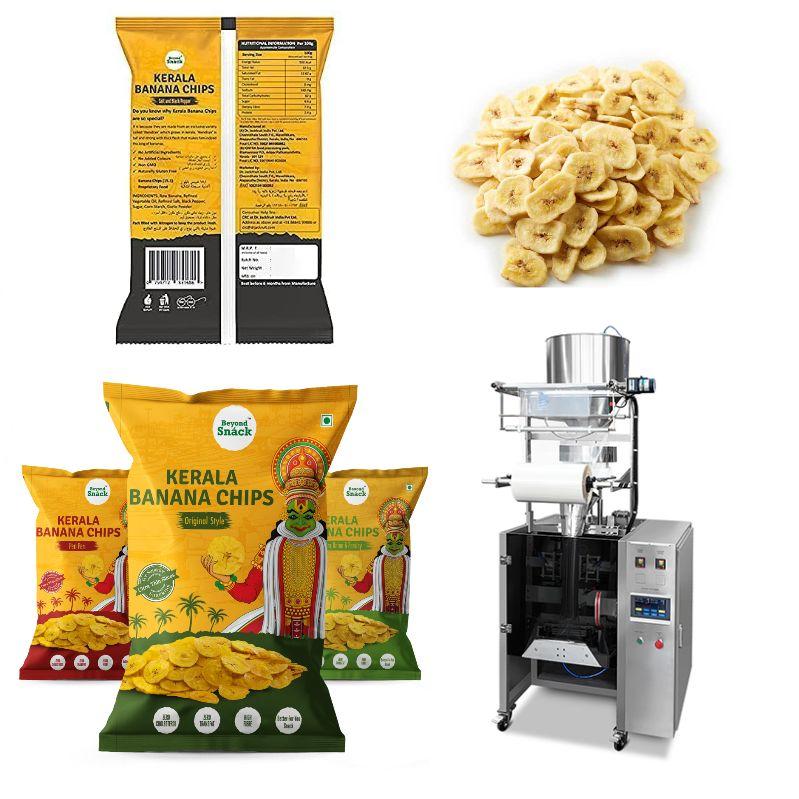
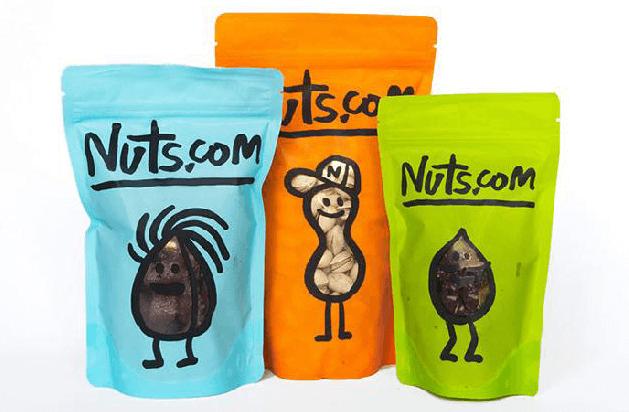
Sugar, salt, seeds, seasoning granules, small snacks, dry additives, and similar products can be filled when particle size and package geometry are compatible. Volumetric cups may be considered for stable products; weighing systems can control mass for many variable or mixed granules; counting or dedicated feeders can serve uniform pieces.
Large, sharp, fragile, or sticky pieces need special attention. They can bridge in a narrow chute, break during the drop, become trapped between seal jaws, or puncture thin film. Specify maximum particle dimensions and acceptable breakage. A product described only as “granules” does not provide enough information.
Mixed products may segregate under vibration. Take samples from different times in the run and assess component distribution as well as total weight. The filler should deliver the intended composition, not just the correct mass.
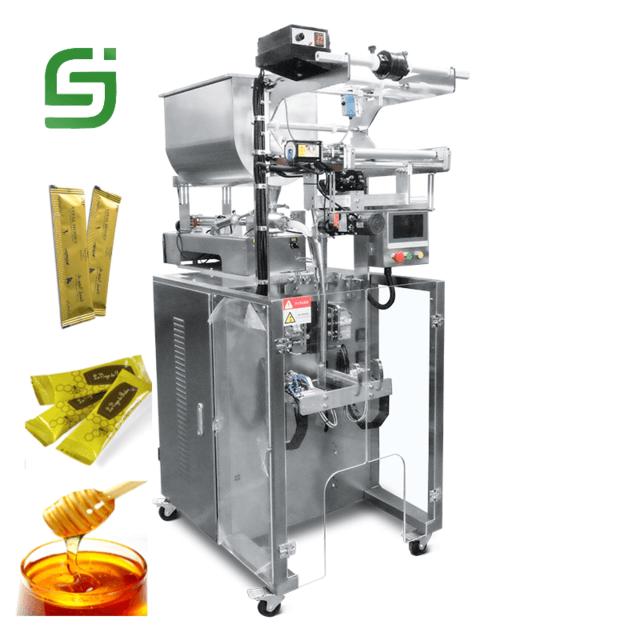
Oils, sauces, condiments, gels, creams, and other pumpable products may be packed with a suitable liquid dosing system. Viscosity, temperature, particles, foaming, and sensitivity to shear determine pump, valve, nozzle, hose, and fill profile. A thick sauce tested warm may behave differently when production starts cold.
Drips and product tails are central risks. Even a small amount across the seal band can weaken a sachet. Evaluate nozzle closing, suck-back where appropriate, fill height, and the movement of air as product enters. The package must have adequate headspace.
Product-contact parts should be drainable and accessible under the approved cleaning method. When several flavors or allergens share a line, witness complete changeover and verify first-off packs after reassembly.
Some sachet projects place tablets, capsules, small hardware, wipes, or other individual contents. These applications use feeding and counting principles different from bulk powders or liquids. Part dimensions, shape, static, fragility, and count accuracy determine whether a bowl, track, pocket, or dedicated placement device is suitable.
The sachet opening must allow the item to enter without hitting the film or seal area. Sensors may confirm a count or presence, but the rejection method must identify and remove the correct pack. For multiple items, test doubles, missing pieces, jams, and damage.
Nonfood products may create abrasion, sharp edges, dust, or chemical compatibility needs. Review package puncture resistance and product-contact materials. Never infer that a food-oriented configuration is suitable merely because the item fits physically.
Film barrier should be selected for moisture, oxygen, aroma, light, grease, or chemical resistance as the product requires. The inner layer must seal on the installed jaws, while the complete structure must track, form, print, cut, and survive distribution. Obtain compliance documentation appropriate to the product and destination.
Width, length, seal bands, tear notch, and fill volume create the usable package. Bulky contents can exceed that area even when target weight appears small. Sharp particles and heavy fills need a structure and geometry that withstand handling.
The chosen sachet stick packing machine should have a product-format matrix stating filler, film, target, change parts, recipe, and demonstrated output. This avoids turning a broad product list into an unsupported promise.
| Product behavior | Filling route to evaluate | Critical pack check |
|---|---|---|
| Fine cohesive powder | Auger with suitable agitation and level control | Weight distribution, dust in seals, trapped air |
| Stable free-flowing crystals | Volumetric or weighing method proven at target | Particle trapping, film puncture, dose repeatability |
| Mixed or fragile granules | Gentle weighing and controlled transfer | Composition, breakage, chute blockage |
| Viscous sauce with particles | Purpose-sized pump, valve, and nozzle path | Clean cutoff, particle passage, seal integrity |
| Uniform tablets or pieces | Counting or placement feeder | Count confirmation, damage, correct rejection |
Supply representative product, final printed film, pack drawing, fill target, tolerance, process temperature, and expected output. Include enough product for stabilization, continuous operation, a stop, restart, and cleaning assessment. Identify the hardest expected condition.
Record individual fills or counts, lane identity, seal defects, contamination, product damage, registration, cut, waste, and operator interventions. Inspect the package after normal discharge and handling. For liquids, test at temperature extremes; for powders, include density or moisture variation; for granules, check particle distribution.
If the product passes, store the approved recipe, filler parts, film code, sample results, and cleaning instruction. If it fails, determine whether the issue is dosing, package size, material, sealing, or machine range before promising another adjustment.
Some products require environmental control around filling. Moisture-sensitive powder may need short exposure and dry product transfer; an aromatic product may require extraction; a warm liquid may transfer heat into the film and sealing area. Define these requirements as plant interfaces because the packing machine may not include room conditioning or dust collection.
Cross-contact risk should shape the product list. Two products that are mechanically easy to fill may be poor line partners when their allergens, colors, odors, or cleaning chemicals demand incompatible changeovers. Evaluate retained product, disassembly, verification, and the production schedule before promising shared capability.
Package disposal and rejected product handling also need a plan. A fault may leave filled but unsealed sachets, empty film tubes, or product in a dosing hopper. Operators require safe instructions for segregation, recovery, or disposal without returning uncertain material to the line.
During product introduction, establish a change-control route. New recipes should be reviewed by product, packaging, engineering, quality, and sanitation owners. Passing a brief filler test does not authorize production until the full sachet and cleaning process has been assessed.
Production scheduling can determine whether broad product capability is useful. Group compatible materials or flavors to reduce cleaning, but do not extend a campaign beyond the product's approved residence or the machine's inspection interval. A product matrix becomes more valuable when it also states recommended sequence, line-clearance needs, and how part-used packaging is controlled.
Retain representative approved packs for setup comparison, but replace them when aging changes their seals, color, or dimensions. Reference samples support trained judgment; they do not replace current measurement and package testing.
Can one sachet machine pack every product category?
No. Some platforms accept different fillers, but product paths, film geometry, cleaning, and timing create practical limits that require testing.
Which filler is normally used for powder?
Augers are common for many fine powders, while cups or weighing may suit certain free-flowing products. Material behavior and target control decide.
Can a liquid filler handle sauce with chunks?
Only if pump, valve, nozzle, and hoses provide adequate clearances without damaging or blocking particles. Use the largest representative pieces in the trial.
Are tablets packed by weight?
They may use counting or placement systems when count is the specification. The correct method depends on item consistency, required verification, and pack design.
What makes a new product officially approved?
A controlled specification, witnessed run, passing package tests, saved configuration, and released cleaning method provide a sound approval basis.
A sachet machine is a coordinated film and filling platform, not a universal product box. Powders, granules, liquids, pastes, and pieces can each be suitable when their behavior is matched to a filler, package, seal process, and cleaning plan. A product-format matrix supported by trials gives the clearest answer about what a particular installed line can pack.

YISEN MACHINERY - The ONE-STOP VFFS PACKING MACHINE SOLUTION SUPPLIER
 Tel: +8617350750975
 Email: info@vffspackingmachinery.com
 MP/WhatsApp: +8617350750975
 Manufacturer Address:Meixi Road, Tongan District, Xiamen,Fujian,China