


 Price:

Define moisture and particle behavior without making product claims
Record particle size, moisture, clumping tendency, apparent density and target mass. The machine decision concerns whether the material feeds and portions consistently; it does not establish product safety, consumer effect or market compliance. Supply enough material for warm-up, stable production, a normal stop and restart. Keep the sample identity with every test result.
The pouch substrate must survive forming, filling and closing
The saved records mention composite membrane and filter paper. Those materials behave differently when pulled, folded and sealed. Provide the intended substrate with basis weight, thickness, roll width, seal or bonding requirement and roll direction. Inspect linting, stretching, edge curl and whether fines escape through the material during handling.
| Pouch variable | Operational question | Release evidence |
|---|---|---|
| Substrate | Does it track without tearing, linting or stretching? | Marked web sample and waste count |
| Portion material | Does moisture change flow or compact inside the measure? | Individual weights by run phase |
| Finished width | Does the selected former produce the approved fold and seal margin? | Dimensioned pouch drawing |
| Closing area | Is product absent from the complete sealed edge? | Opened samples and leak or loss check |
Portion accuracy requires a small-dose sampling plan
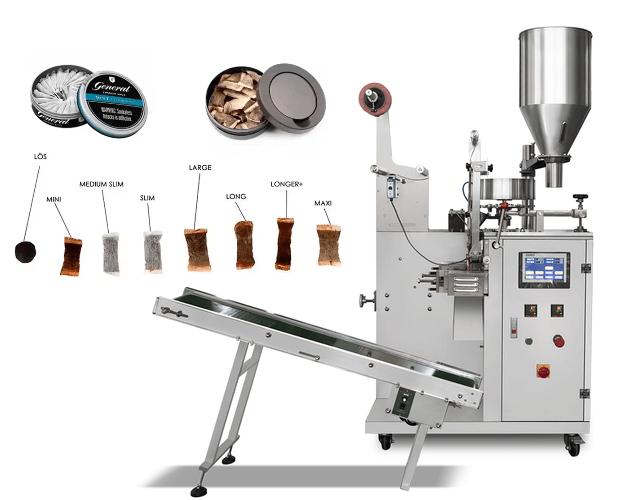
The stored filling range is 1-40 g, with measuring cups and screw listed as possible methods. Identify the delivered metering arrangement rather than assuming both are installed. For the commercial target, weigh consecutive pouches individually after startup, during stable running, after refill, at low level and after a pause. Small carryover has a large percentage effect near the bottom of the range.
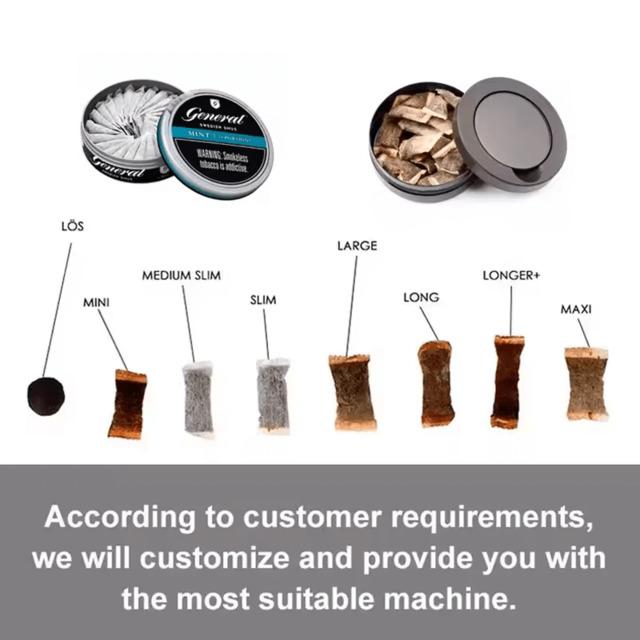
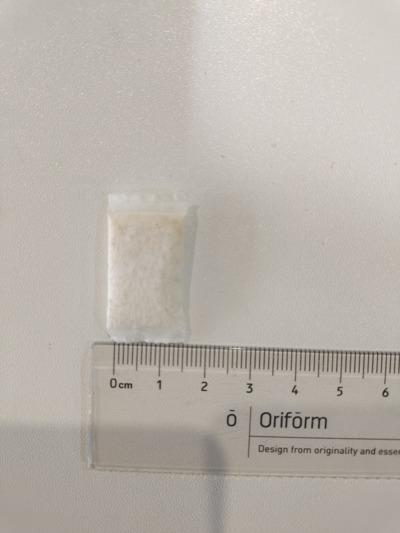
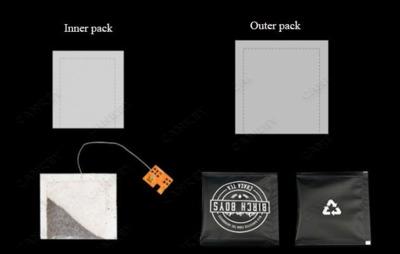
A ruler photograph is not a finished drawing
Physical samples help explain scale, but acceptance needs a controlled drawing with length, width, seal margin, corner condition and allowable tolerance. The summary lists 30-120 mm length while the table lists 30-110 mm; both list 13-80 mm width. Do not select the larger length because it is commercially convenient. Confirm the final size on the selected substrate and change parts.
Closing quality should be checked after real stops
Inspect the first pouches after threading, after steady output and immediately after a routine stop. Fine or moist material can reach the closing zone when product falls late. Retain failures as well as good packs, and label whether the defect came from product contamination, substrate damage, poor alignment or an incomplete closing cycle.
Observe bridging, compaction and manual intervention at full and low product levels.
Report individual portions and rejects for every transition phase.
Measure the finished sample and inspect seams, edges and product loss.
Keep the first consecutive pouches after a normal production pause.
Accepted rate depends on pouch integrity, not only cycles
The page records 30-100 bags per minute. Test the intended portion and pouch instead of treating the top number as automatic output. Count accepted pouches after deducting mass, material, dimension, closing and cut failures. Also record thread-up waste and the time needed to restore acceptable packs after a roll change.
Clean dry product paths before changing material
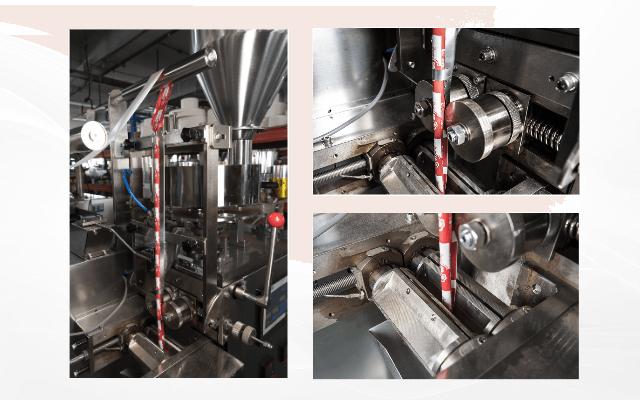
Identify removable dosing parts, narrow transitions, the forming area and ledges beneath the product path. The cleaning record should state the method, inspection points, reassembly checks and first released pouches. If different formulations are packed, define a carryover rule based on visible residue or a suitable validated method chosen by the operator.
The handover file should pair each approved pouch with its substrate lot, former or change parts, metering component, recipe values and labelled samples. Add the waste generated during threading and the first acceptable pouch after restart. These records keep later adjustments tied to evidence instead of an operator remembering an unlabeled showroom setting.
Practical questions for compact portion pouches
Does this page prove compliance for a nicotine product?
No. It describes packaging equipment; the buyer remains responsible for product and market requirements.
Which metering device is supplied?
The order must identify the fitted device because the stored page lists more than one option.
Can a 120 mm pouch be promised?
Not until the 110 mm and 120 mm records are reconciled and the physical setup passes.
Why test the real substrate?
Filter paper and composite webs differ in tracking, linting, permeability and closing behavior.
What samples should be kept?
Keep labelled pouches from startup, stable running, refill, low level and restart.
Conclusion
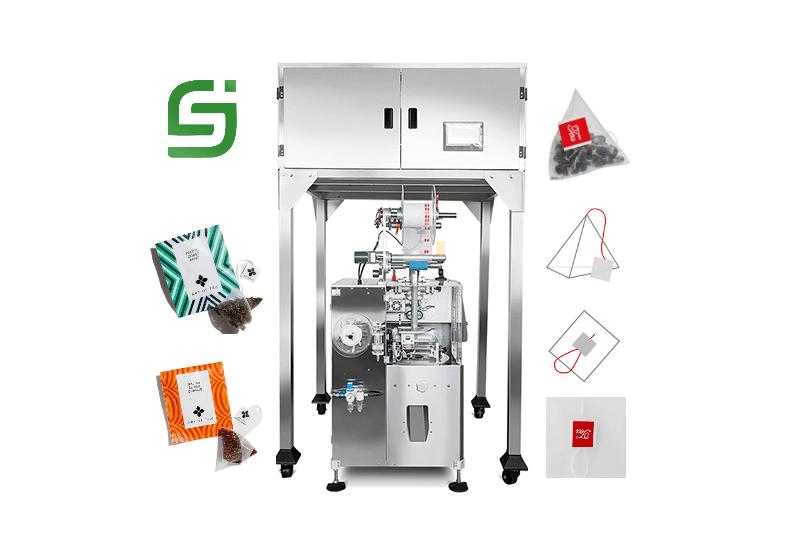
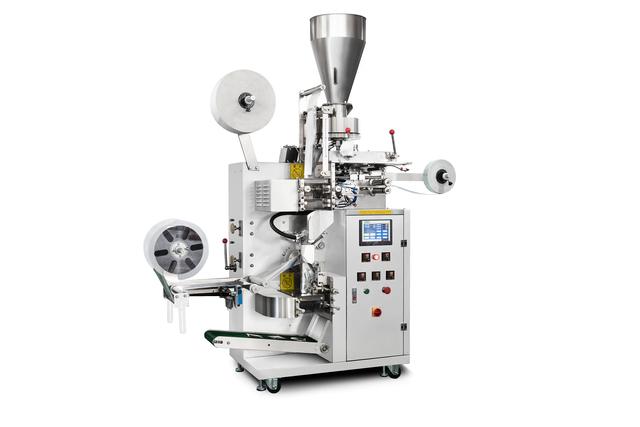
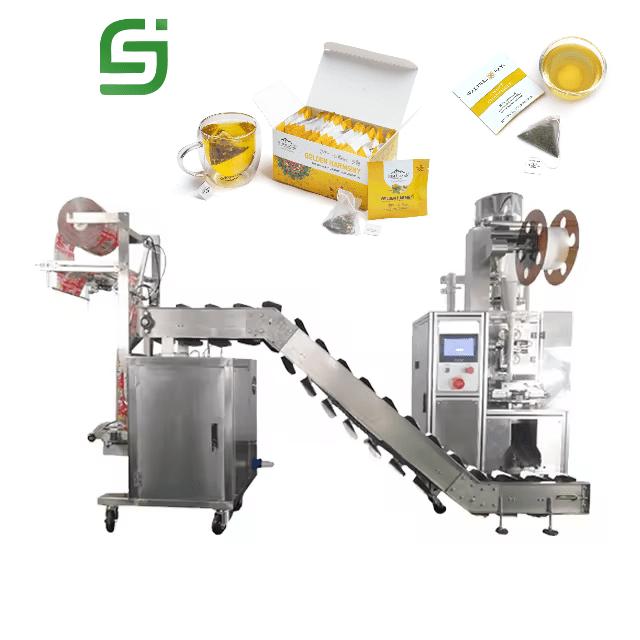
Specify the YS-40 through material behavior, the delivered dosing method, one approved substrate and a measured pouch sample. The tea bag packaging machine category is retained because the URL and category identity are fixed, but the conflicting maximum length must remain outside the purchase guarantee.



 Tel: +8617350750975
 Email: info@vffspackingmachinery.com
 MP/WhatsApp: +8617350750975
 Manufacturer Address:Meixi Road, Tongan District, Xiamen,Fujian,China



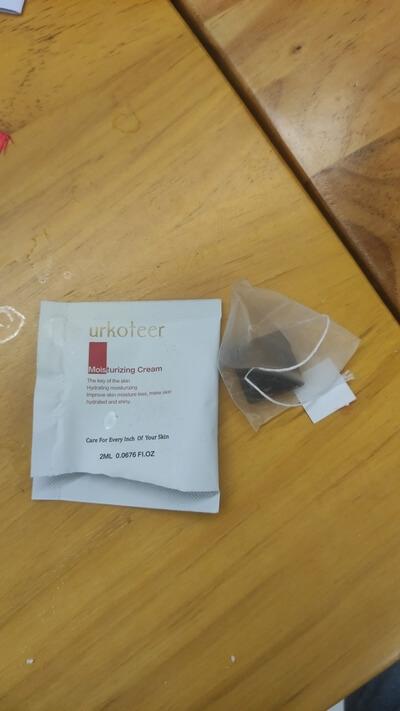
The inner and outer bags are packed perfectly.2024-08-09
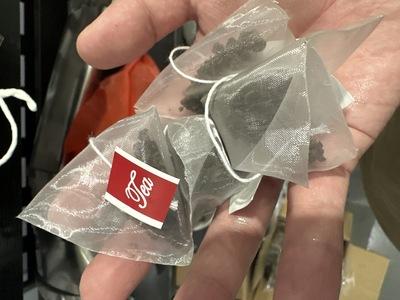
The pyramid tea bag is beautifully shaped and I am very satisfied. Thanks Ethan2024-08-09
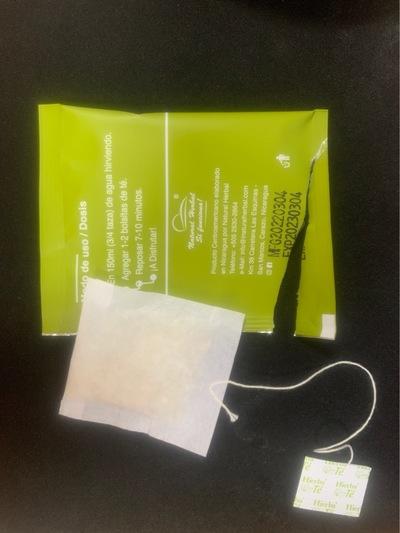
Cost-Effective Solution Investing in this machine has proven to be a cost-effective solution for scaling our tea production operations.2024-08-09
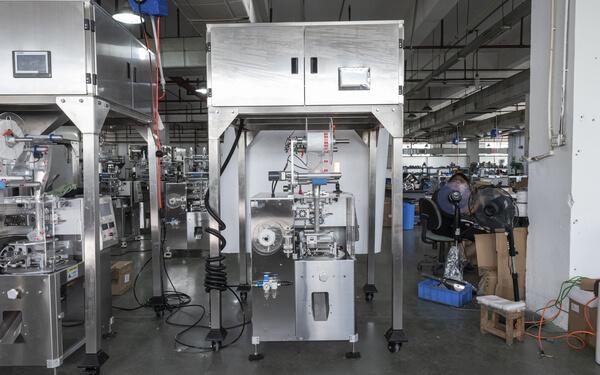
Efficient and Reliable Our tea bag packaging machine has been incredibly efficient and reliable, meeting our production demands effortlessly.2024-08-09