

Hot Keyword:
Author:YISEN Pouch Packing Machine Manufacturer TIME:2025-02-28
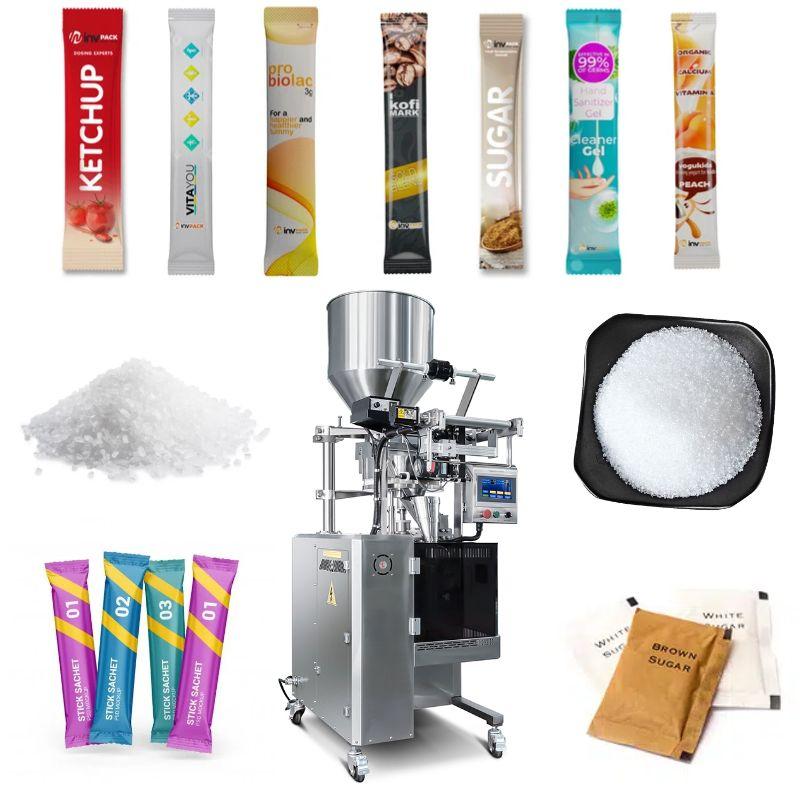
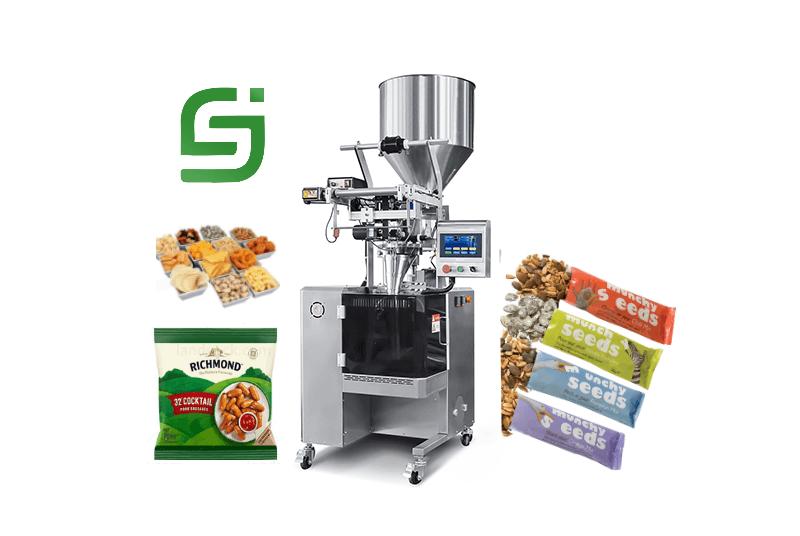
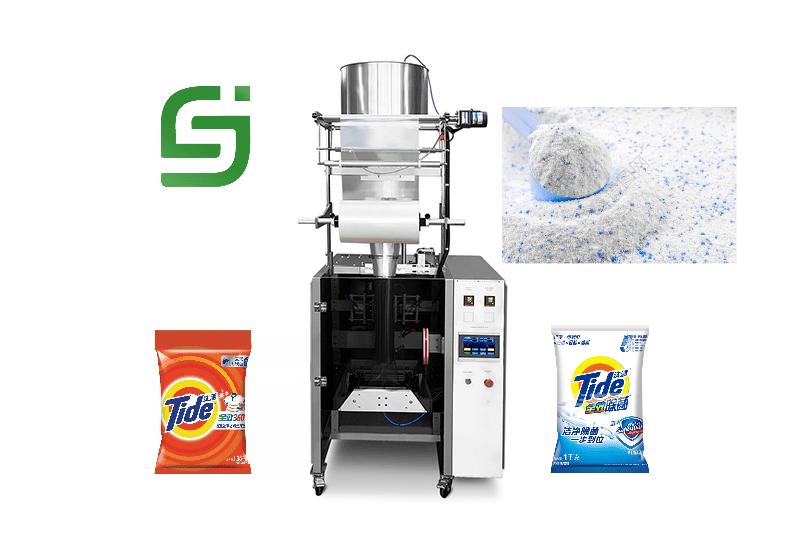
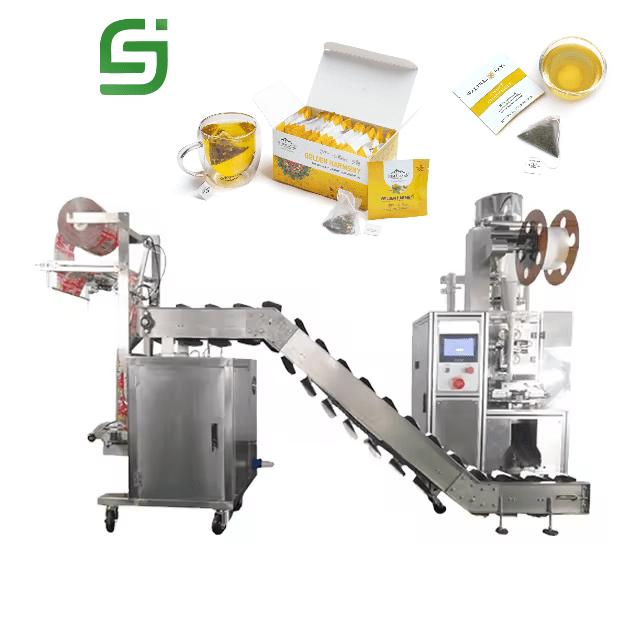
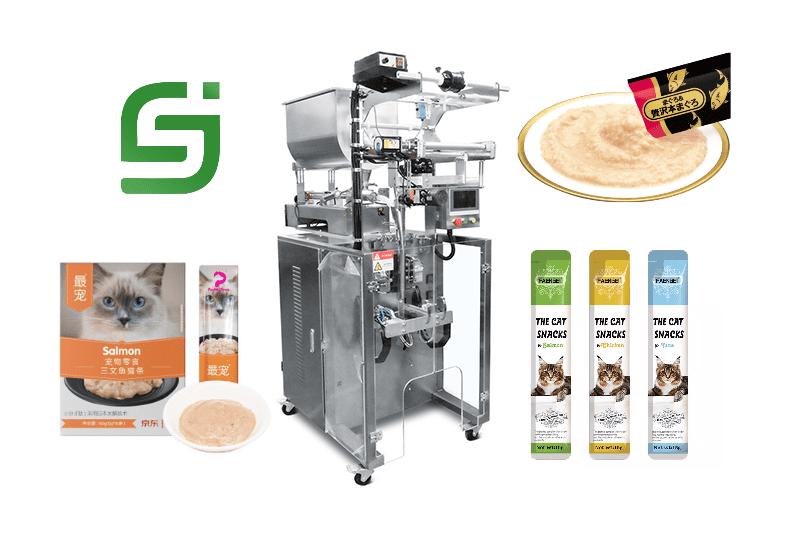
A sachet packing machine is best selected by working backward from the dose, product behavior, package function, and daily production plan. Its key features are not isolated options; filler control, film handling, sealing, coding, safety, cleaning, and line communication must work together. Sachets can serve powders, granules, liquids, pastes, and solid items when the installed configuration is appropriate. Buyers should compare named applications with samples and acceptance criteria rather than assume one machine covers every category.
Food, beverage, personal-care, and industrial products can all appear in sachets, yet the machinery decision begins with physical behavior. Free-flowing crystals differ from cohesive powder. Thin liquid differs from sauce containing particles. A tablet or small component needs counting and controlled placement rather than fluid metering. Describe density, viscosity, particle size, dust, stickiness, temperature, fragility, and cleaning risk.
List target quantities and expected product variation. A formulation change can alter flow or cutoff even when the label remains the same. Include the supply method because an upstream pump, conveyor, or hopper can stabilize or disturb the dose. Samples should represent normal production and difficult lots.
Separate products into configurations only after review. A shared packaging frame may support multiple dosing modules, but exchanging modules involves physical work, sanitation, controls, storage, and requalification. "Multi-product" has meaning only when those tasks are documented.
Define finished width and length, seal arrangement, tear notch, cut style, material structure, thickness range, print repeat, registration mark, code area, and delivery form. State whether sachets leave individually, in chains, counted groups, or another presentation. Product volume and required headspace should be confirmed with a filled sample.
The package must provide barrier, strength, and compatibility required by the product owner. The film supplier supports material selection; the machine supplier demonstrates forming and sealing. Shelf-life or chemical-resistance claims require separate validation and should not be inferred from a machine feature.
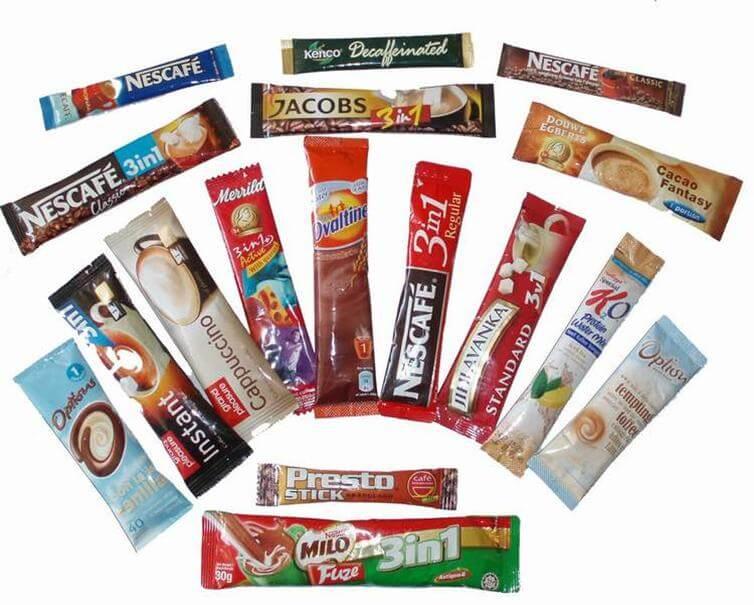
For multiple sizes, build a format matrix. Identify forming parts, filler components, recipes, coding positions, and knives associated with each stock-keeping unit. Mark formats that remain future concepts rather than approved samples.
Augers can meter many powders when screw geometry, agitation, and cutoff suit the material. Volumetric cups can suit stable free-flowing granules within their operating principle. Weighing arrangements offer another route for suitable products. Pumps and pistons serve different liquid and paste behaviors, while piece products may use counters or specialty feeders.
Evaluate both ends of the quantity range. A filler can be physically capable of a target yet operate with poor resolution or excessive time near its limit. Check ordered samples after startup and refill. Observe product damage, dust, strings, drips, and residue along with quantity.
A proposed sachet packing machine should prevent filling when the film path or package state is invalid. Interlocks between dosing, registration, jaw movement, and product level reduce spills and uncertain output. Ask how an interrupted dose is identified and recovered.
Stable sachets depend on controlled rollstock movement. The unwind should accommodate the specified roll and maintain suitable tension as diameter changes. Guides and forming components must keep the web centered. Pulling mechanisms need consistent traction without marking or stretching the material.
For printed film, a registration sensor reads a mark and the control adjusts package position. Mark design, contrast, repeat accuracy, splice, and web tension affect the result. The trial should use commercial printed material and verify artwork, seals, tear notch, coding, and cut against agreed references.
Film change is part of production efficiency. Review roll loading height, lifting method, splice or rethread procedure, waste during restart, and first-off approval. A larger roll can reduce replacement frequency only if it can be handled safely and fits the unwind design.
Useful controls include film-end detection, registration monitoring, product-level response, temperature monitoring, no-product or no-film logic, coder status, guard interlocks, and clear alarms. The exact set should address the application. More sensors are not automatically better if their purpose and fault response are undefined.
Sealing quality requires clean film and a qualified combination of heat, pressure, and dwell. The filling process should finish before the seal zone closes. Powder dust, trapped granules, or liquid tails must be controlled at the source. Cooling and discharge handling may matter where a newly sealed package is easily distorted.
| Feature area | Question to ask | Evidence to retain |
|---|---|---|
| Dosing control | Is the filler stable across product and refill conditions? | Lane- or nozzle-specific ordered quantity results |
| Film registration | Does final artwork stay inside approved references? | Printed samples from startup and steady operation |
| Seal monitoring | How does the line respond to abnormal temperature? | Alarm demonstration and affected-pack disposition |
| Coding | What happens when required print is missing? | Readable code samples and fault sequence |
| Safety access | Can routine work be done under defined safe states? | Guard, interlock, and operating-procedure review |
A change may require emptying product, cleaning the filler, exchanging a former or dosing component, loading film, selecting a recipe, centering registration, moving the coder, setting cuts, warming the seal system, and checking first packs. Ask suppliers to demonstrate the complete sequence rather than quote only mechanical adjustment time.
Cleaning access should match product risk. Inspect hoppers, screws, tubes, pumps, nozzles, film-contact zones, jaws, guards, and frames. Removable parts need safe handling, clear identification, and repeatable reassembly. The product owner remains responsible for validating sanitation or cross-contamination controls.
Maintenance access is equally important. Operators should reach routine cleaning points without disturbing alignment. Technicians need room to inspect drives, heaters, sensors, knives, and wear components. Format parts and spares require organized storage.
Upstream equipment may prepare, buffer, elevate, pump, or feed the product. Agree on high- and low-level signals, stop logic, and responsibility for product condition at the filler inlet. An unstable supply can make a capable dosing unit appear inaccurate.
Downstream equipment may count, collate, inspect, convey, or case the sachets. Define the discharge form, orientation, and maximum accumulation. Decide how rejected packages are separated and reconciled. If checkweighing, detection, or vision is chosen by the producer, the interfaces should be tested with the packaging line.
Line ownership should be explicit in the purchase scope. Interfaces between separately supplied machines are common sources of delay. Drawings, signal lists, utilities, floor levels, and test responsibilities need named owners.
Translate demand into accepted sachets per shift and include film replacement, product refill, changeover, cleaning, quality checks, and routine stops. Review staffing, floor space, utility quality, operator skill, maintenance resources, and availability of replacement parts. The lowest purchase price can be poor value if the configuration creates frequent setup loss.
Use a factory acceptance plan with representative products and printed film. Challenge the smallest dose, largest volume, most difficult flow or cutoff, and a meaningful format change. Count rejects and interventions. Record settings, samples, unresolved substitutions, and agreed site tests.
Compare suppliers on the approved application matrix, accessibility, documentation, training, spare strategy, control clarity, and evidence. Avoid accepting unsupported claims about speed, accuracy, or universal materials. Conditions make a performance statement useful.
Ask for a sample production record that operators can realistically complete. It should connect product and material lots, recipe, lane or filler identity, quantity checks, seal observations, coding, rejects, stops, and corrective actions without becoming an unused paperwork burden. When the machine's available data and the plant record agree, recurring losses can be traced to a station or event instead of being treated as unexplained daily variation.
Training should use the purchased products and formats. Include normal startup, threading, replenishment, first-off approval, routine fault recovery, cleaning, and escalation. A classroom tour of menu screens is not enough to prepare a team for web splices, product buildup, or a single lane that begins producing questionable sachets.
Before final handover, confirm that manuals match the delivered filler, lane count, options, and control version. Marking up a generic manual at the machine is an unreliable substitute for configuration-specific parts, threading, wiring, and maintenance information.
Which products can be packed in sachets?
Many powders, granules, liquids, pastes, and pieces can be packaged when the filler, film, seal process, and cleaning design are configured for them.
Is a multilane machine necessary for high demand?
It is one option. Lane count should be balanced against format width, maintenance, cleaning, lane-level quality control, and actual accepted output.
Can package width be changed through the touchscreen?
Length is often recipe-controlled within a range, while width commonly requires forming or lane hardware. Confirm the specific design.
What makes a useful factory test?
Use representative product and printed film, include replenishment and restart, identify samples by lane or filler, and inspect finished seals and codes.
Who validates product shelf life?
The product owner coordinates shelf-life validation with packaging-material expertise. The machine supplier demonstrates forming and sealing under defined conditions.
Sachet equipment should be purchased from an application matrix, not an option catalog. Define product behavior, package function, dosing, film control, seal quality, changeover, and line interfaces, then test the hardest normal combinations. The resulting evidence shows which features protect output and quality, while keeping unproven products or future formats clearly outside the approved scope.
Sachet evidence should anchor final acceptance.

YISEN MACHINERY - The ONE-STOP VFFS PACKING MACHINE SOLUTION SUPPLIER
 Tel: +8617350750975
 Email: info@vffspackingmachinery.com
 MP/WhatsApp: +8617350750975
 Manufacturer Address:Meixi Road, Tongan District, Xiamen,Fujian,China