

Hot Keyword:
Author:YISEN Pouch Packing Machine Manufacturer TIME:2026-08-21
The buyer's first task is to separate consumer-facing options from mechanical conversions. This reveals which products can share a setup and which need dedicated parts, trials, or production campaigns.
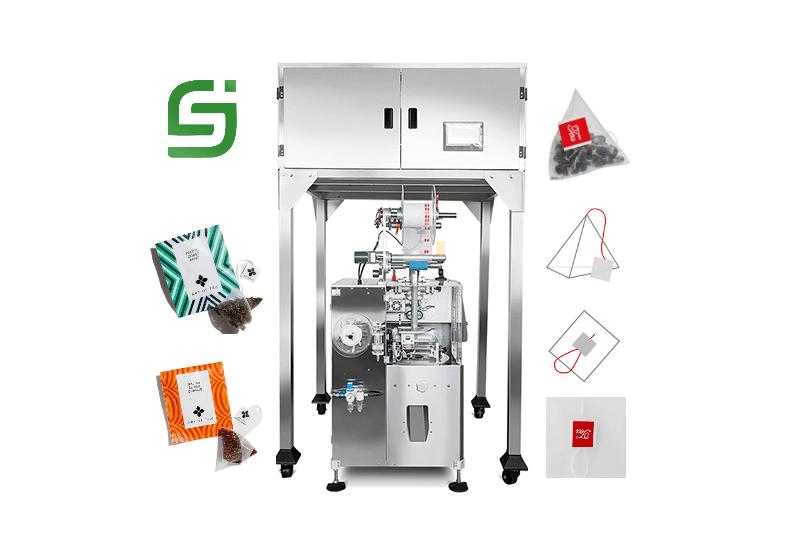
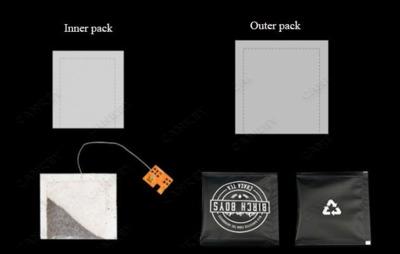
Diversified inner-and-outer tea packaging is achieved by combining an approved tea dose, inner filter-bag geometry, tag and string configuration, outer protective material, code, and secondary presentation. The machine can support a portfolio only within its proven tooling and material range. Variety should be planned as a controlled set of formats, not an unlimited promise based on one successful bag.
List retail channels, serving sizes, brew vessels, price positions, and consumer expectations. A hotel sachet, supermarket carton, gift set, and food-service pack can use different outer graphics or counts while sharing an inner tea bag. Conversely, a whole-leaf premium product may need a larger filter bag and gentler feeding than a finely cut everyday blend.
For every stock-keeping unit, define tea, quantity, inner dimensions and material, thread length, tag, outer pouch, code, opening feature, and secondary package. Mark confirmed launches separately from possible future products. This avoids buying expensive conversion hardware for an idea that has no approved package drawing or demand.
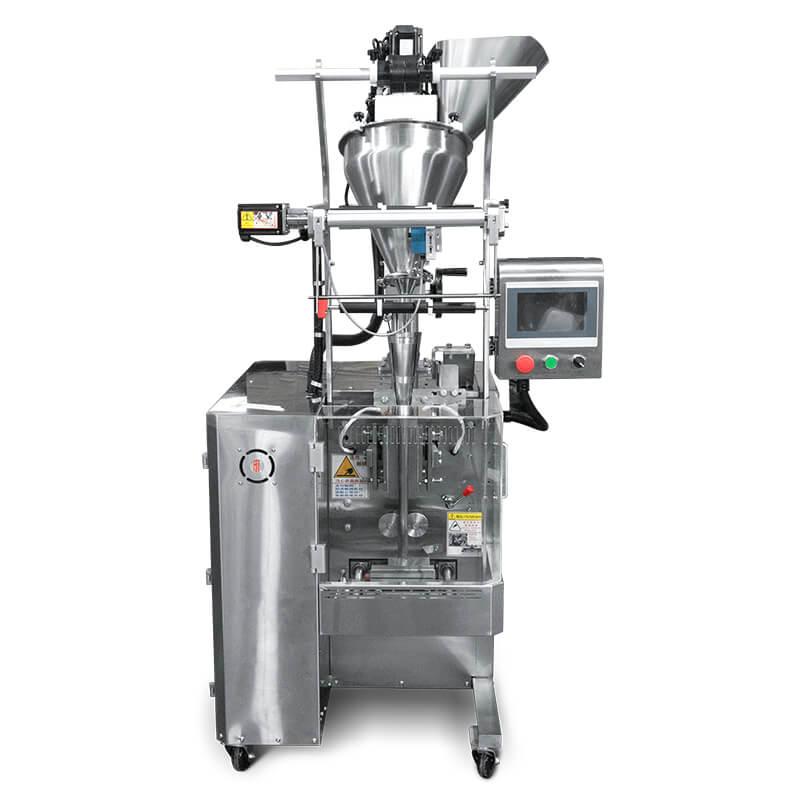
Flat rectangular bags, selected pyramid formats, and other supported inner constructions provide different internal space and material behavior. The machine's actual forming and sealing tooling determines availability. Match dimensions to leaf size, expansion, dose, cup use, and brewing evaluation. A larger-looking bag may not improve infusion if it is overfilled or the leaf has been damaged.
Filter paper, mesh, or another qualified substrate must meet contact, infusion, strength, appearance, and machine requirements. Test roll width, thickness, winding, curl, tension response, sealing, cutting, and hot-water integrity. Do not substitute material because it appears similar. A new substrate can require another process window and consumer-use assessment.
Tag and string choices affect convenience and branding. Specify tag dimensions, stiffness, print, roll or stack presentation, string material and length, attachment position, and acceptable pull behavior. Some products may omit a tag or use a different attachment approach only when the exact machine supports it and the consumer format remains clear.
Follow the component path through attachment, inner-bag transfer, and outer wrapping. Long strings may tangle; thick tags may affect feeding; print orientation can reverse; loose fibers can reach sensors or seals. Test replenishment and roll joints as well as steady operation, because these events expose alignment and supply weaknesses.
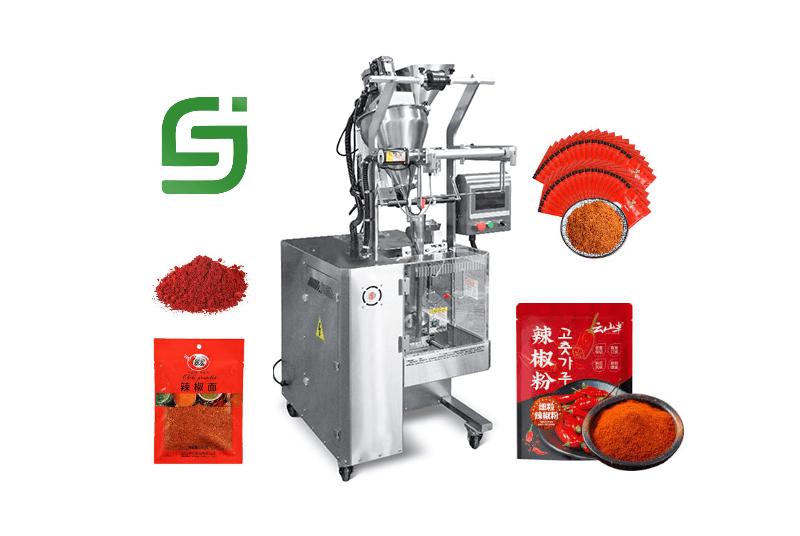
Individual outer pouches may provide moisture, aroma, light, or physical protection as defined by the package and shelf-life program. They also carry artwork, identity, code, and opening cues. Specify material construction, dimensions, sealant, roll details, print mark, tear notch, code area, and converter tolerances.
Matte or glossy appearance, paper-like feel, metallic layers, clear windows, and reduced-material structures can change stiffness, friction, registration, sealing, or cutting. Environmental claims and local recyclability require separate substantiation. The equipment trial should establish machinability and clean seams, not make unsupported barrier or sustainability conclusions.
Tea leaves, fannings, flowers, fruit pieces, herbs, and mixed ingredients differ in density, fragility, static, dust, and tendency to separate. Define the product envelope for each family. Feeding devices and dosing parts should move the largest pieces without bridging while controlling small quantities and preserving composition.
Check ordered bags through hopper refill and batch end. A stable total mass can conceal loss of large inclusions or concentration of fines. For sensitive blends, compare composition using the product owner's approved method. Cleaning and line clearance may limit which teas can share a campaign even when they fit the same bag.
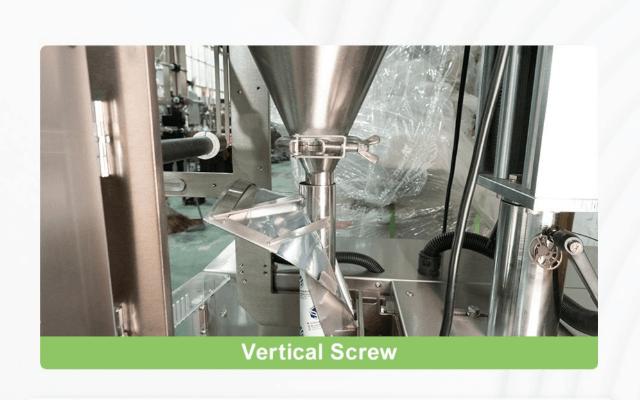
A recipe can store dose, bag length, registration, seal, attachment, and timing values, but it cannot install the correct cup, chute, former, thread guide, tag component, jaw set, or cutter. Build a matrix identifying physical parts and settings for every approved format. Use clear references and protected storage.
Group products that share validated tooling where this does not compromise quality. This can reduce conversion time and inventory. When a format needs mechanical work, measure last accepted pack to first accepted pack, including cleaning, component change, material loading, code, and release. A broad size range has little commercial value if every short order requires a long rebuild.
Choose the largest leaf, smallest dose, longest string, thickest tag, narrowest inner bag, and most demanding outer material within each proposed family. Run commercial components through startup, stable production, replenishment, stop, restart, and one representative conversion. Preserve every intervention and rejected package.
| Portfolio choice | Shared element to verify | Boundary test | Approval record |
|---|---|---|---|
| Several tea blends in one inner size | Former, filter roll, tag, outer pouch | Largest and most fragile ingredients | Dose, composition, damage, complete seams |
| Several quantities in one format | Bag geometry and attachment | Minimum and maximum fill with headspace | Ordered quantity and brewing samples |
| Alternative outer artwork | Material structure and dimensions | Print registration and code at roll changes | Approved visual and seal references |
| Different tag designs | Feed and attachment interface | Thickness, orientation, replenishment | Attachment and outer-pack presentation |
| New inner substrate | Forming and sealing hardware | Tension, seal, cut, hot-water use | Machine and product-team qualification |
Approve combinations, not isolated components. A tag that feeds well with one outer width may tangle in another package, and a tea that doses well may not fit a smaller filter bag. Keep open items explicit until the complete pack has been tested.
Estimate order size, material minimums, component storage, shelf life, changeover sequence, cleaning, and operator skills. Too many low-volume variants can increase obsolete film, tags, tooling mistakes, and startup waste. Portfolio simplification may create more customer value than a long list of technically possible formats.
The inner and outer bag tea packaging machine proposal should state the installed format families, conversion parts, controls, coding, tooling carts, spares, documents, and included trials. Future capability should be described as a priced and testable conversion path, not presented as already proven flexibility.
Can one setup package every tea blend?
No. Leaf dimensions, density, dust, fragility, composition, dose, and cleaning can require different tooling, parameters, or separate campaigns.
Is changing artwork only a recipe change?
Not always. Film structure, width, winding, print mark, friction, and sealant may change with the artwork supplier or construction and need confirmation.
How many formats should be tested before purchase?
Test each distinct mechanical family and its difficult boundaries. Similar products can be grouped only when the shared configuration and risks are documented.
Can a future pyramid pack be assumed from a flat-bag machine?
No. Forming and sealing mechanics differ. The supplier must identify the exact installed or conversion equipment and demonstrate the intended package.
What makes a portfolio manageable?
Clear drawings, grouped tooling, controlled recipes, identified components, planned campaigns, qualified materials, and complete-pack acceptance keep variety usable.
Dose flexibility needs its own boundary. A small change may use the same measuring parts and inner bag, while a much larger quantity can alter headspace, leaf expansion, seal contamination, and brewing. Test both ends of the range. The product team should approve use samples, and production should retain the specific tooling and settings.
Coding variants can support languages, lots, dates, markets, or customer-specific information without changing the complete package mechanics. Control data sources, templates, user permissions, print area, and first-off approval. A flexible coder can also reproduce the wrong content consistently, so identity checks remain part of every material or campaign transition.
Secondary packaging can create another level of diversification through cartons, envelopes, tins, and assortment boxes. Define pack orientation, count, variety sequence, barcode or code relationship, and damage protection. The primary machine's discharge should suit the chosen downstream process. Manual assortment may remain appropriate for low-volume launches when capacity and traceability are documented honestly.
Review portfolio decisions annually or when demand changes. Remove obsolete variants, consolidate compatible materials, and requalify only where the evidence supports sharing. Keep tooling, recipes, drawings, and retained samples aligned with active products. This prevents the line from carrying unused complexity that increases training and maintenance risk.
Utilities can differ across options. A new forming or attachment module may change air, heating, electrical load, extraction, or service clearance. Confirm these requirements in the facility layout before approving the format. A component that works in the supplier's test area may not integrate with an undersized site utility.
Train staff by format family rather than giving one generic machine lesson. Operators should identify the correct tea, components, tooling, recipe, code, and release samples for each group. Technicians need to understand which references are shared and which are unique. This reduces near-match errors between diversified products.
Customer samples should be identified as development, approved, or obsolete. A visually successful hand sample must not be mistaken for a production-qualified combination.
Retain the approved combination list beside production scheduling and material purchasing records.
Diversified tea packaging comes from a deliberate portfolio of qualified combinations. Start with consumer use, connect tea to inner geometry and attachment, qualify outer protection, and separate software settings from hardware conversion. A boundary-based matrix gives brands useful variety without creating uncontrolled components, long changeovers, or unsupported machine claims.

YISEN MACHINERY - The ONE-STOP VFFS PACKING MACHINE SOLUTION SUPPLIER
 Tel: +8617350750975
 Email: info@vffspackingmachinery.com
 MP/WhatsApp: +8617350750975
 Manufacturer Address:Meixi Road, Tongan District, Xiamen,Fujian,China