

Hot Keyword:
Author:YISEN Pouch Packing Machine Manufacturer TIME:2024-11-07
Maximum cycle rate is only one part of the result. A line that runs quickly but creates giveaway, broken product, trapped particles, or frequent resets may deliver less accepted output than a steadier configuration.
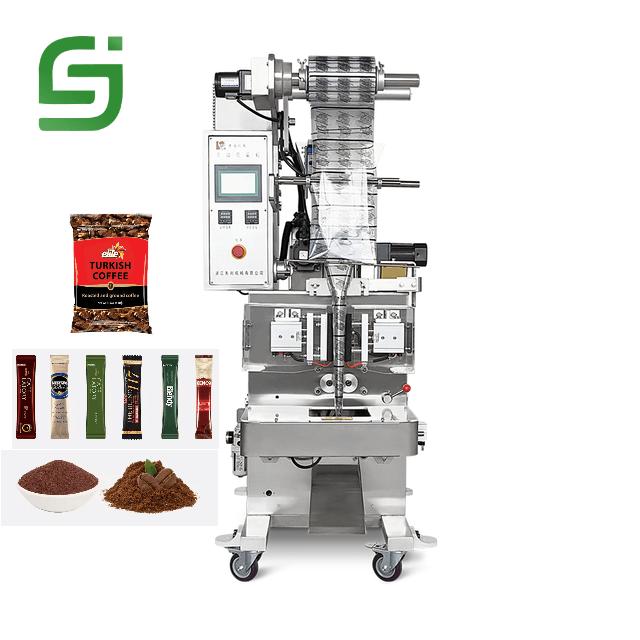
A granule packaging machine improves production efficiency when it increases the number of conforming packs produced from a stable amount of labor and material. The strongest gains usually come from coordinated feeding and weighing, reliable bag transport, fewer seal defects, shorter recoveries, repeatable changeovers, and data that identifies the real source of small stops.
Set a measurement period and count packs that meet fill, seal, code, appearance, and integrity criteria. Record scheduled breaks, changeovers, cleaning, product shortages, packaging shortages, equipment stops, and quality holds separately. This creates a common language for operators, maintenance, quality, and management.
Include material yield. Overfilling can keep every pack above a lower limit while consuming valuable product. Underfilled rejects, damaged granules, film waste, and rejected pouches also reduce efficiency. The best setting balances control and throughput within the approved specification.
Do not compare unlike SKUs with one raw number. A large fragile product in a zipper pouch has different dosing and handling requirements from small free-flowing crystals in a pillow bag. Track results by product-format recipe.
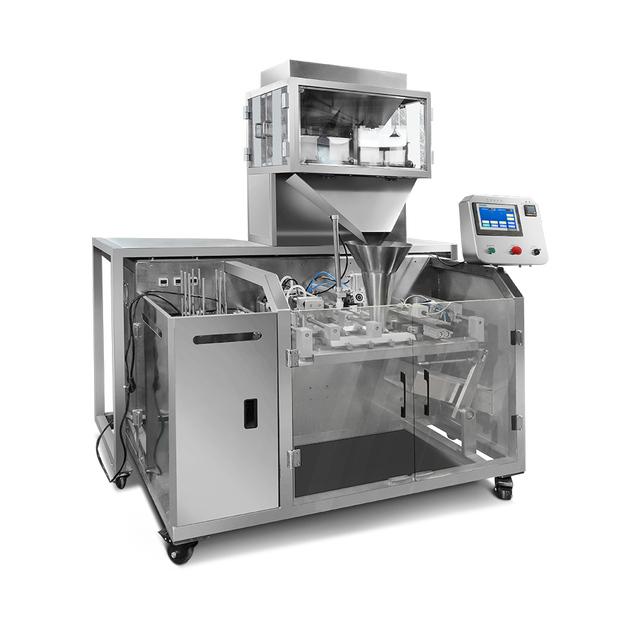
The weighing or volumetric device needs a consistent product presentation. Hopper level, elevator delivery, feeder vibration, gate position, and product distribution influence how quickly each dose is assembled. Starvation creates long cycles, while overfeeding can cause spillage, breakage, or unstable measurements.
Observe granule size, bulk density, oil or seasoning, static, fragility, and tendency to bridge. Mixed products may separate during transport. Use level sensing and feeder settings that maintain control without excessive agitation. Review the drop path from upstream supply to the filler so pieces do not arrive already damaged.
Small buffering capacity can decouple upstream interruptions, but too much residence time may encourage segregation or product damage. Size the buffer around actual process behavior and cleaning needs.
Many granule applications use multihead weighing or another mass-based system. Fast and fine feed phases, target combinations, stabilization time, discharge timing, and refill behavior affect both accuracy and cycle. Volumetric cups may suit stable products when density variation is controlled. The choice should follow trial data.
Review the distribution of individual packs, not just average weight. If the process centers high to avoid underfills, improve feeding consistency and measurement before simply lowering the setpoint. For mixed products, check component distribution as well as total mass.
Discharge synchronization matters. A correct dose waiting too long can slow the line; a release before the pouch is ready causes spills. Use handshaking between filler and packer so each side has a defined ready, discharge, complete, and fault state.
On rollstock lines, stable unwind, registration, forming, pull belts, seal jaws, and cutting prevent film-related stops. On premade-pouch equipment, magazine loading, pickup, opening, grippers, and support determine whether a waiting dose receives a bag. Product and packaging subsystems must be balanced.
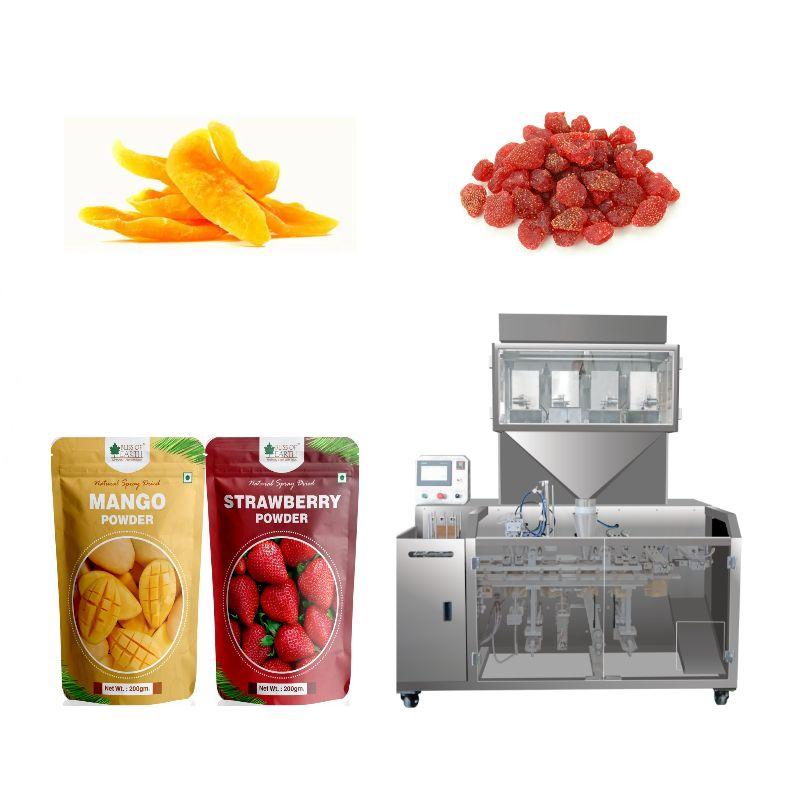
Granules in the seal area create rejects and jaw contamination. Control the drop timing, chute, headspace, static, and settling. A brief delay that protects the seal may increase accepted output even if it reduces theoretical cycles.
Inspect downstream discharge. A blocked conveyor or poorly guided fresh seal can stop the upstream machine. Cartoning, checkweighing, metal detection, and collection should have suitable accumulation and fault signals.
Short interruptions are easy to normalize because the operator clears them quickly. Over a shift, repeated film tracking corrections, empty-pouch misses, product bridges, checkweigher resets, or code faults can consume substantial time. Capture reason, duration, recipe, and location.
Group stops by symptom only after confirming the cause. A “no bag” alarm may come from poor magazine adjustment, curled pouches, a vacuum leak, worn cups, or sensor contamination. Each requires a different correction. Observe the event at the machine instead of relying exclusively on an alarm label.
Prioritize frequent causes that can be removed through maintenance, material control, a fixture, a setting limit, or clearer standard work. Validate the change and continue monitoring so the loss does not return under a new name.
Separate work that can be prepared while the line runs from work requiring a safe stop. Stage clean change parts, tools, film, pouches, labels, recipe documents, and reference samples. Identify parts clearly and store them in protected locations.
Use fixed reference points, scales, gauges, and controlled recipes where the design permits. The target is repeatability, not hurried adjustment. Include line clearance, cleaning, code confirmation, and first-off approval in the measured changeover because production cannot resume until those tasks are complete.
The granular packing machine should have an SKU setup sheet showing feeder, filler, package, seal, and downstream settings. Update it only after an approved change.
| Observed loss | Data to collect | First system to investigate |
|---|---|---|
| Variable dosing cycle | Hopper level, feeder wait, individual weights, product condition | Upstream supply and filler feeding |
| Correct dose but frequent spills | Pouch-ready signal, drop timing, chute video, headspace | Filler-to-packer synchronization |
| Seal rejects with trapped pieces | Particle size, settling, seal timing, reject location | Drop path and seal-zone protection |
| Many short bag-handling stops | Reason, pouch lot, magazine or web setting, worn parts | Package transport and preventive maintenance |
| Long format changes | Task sequence, waiting time, adjustment loops, first-off failures | Preparation, change parts, and release method |
Establish a baseline for the same product, package, shift length, and quality criteria. Change one controlled factor or a clearly defined group of related factors. Run long enough to include normal replenishment and at least one restart. Compare accepted output, weights, rejects, breakage, stops, and labor.
For a speed increase, inspect whether seal time, product settling, weight distribution, code quality, or downstream accumulation deteriorates. For a faster feeder, check breakage and segregation. For a reduced changeover, confirm that cleaning and line clearance remain complete.
Document the approved setting, training change, and expected result. If the benefit disappears with another operator or material lot, the process is not yet robust. Sustainable efficiency comes from a repeatable method, not a single record shift.
Material planning is another efficiency lever. Confirm the minimum buffer of granules and packaging needed for an uninterrupted run, but avoid exposing more product than the batch can use. Coordinate warehouse delivery with recipe sequence so the line does not wait for a roll, pouch carton, or ingredient lot after cleaning is complete.
Operator workload should be observed over a full cycle. One person may appear able to replenish product, load bags, sample quality, clear rejects, and prepare a changeover during a short demonstration. Peaks often occur together. Map these tasks and provide safe access, lifting assistance, and clear escalation before assigning labor.
Energy and utility loss can indicate mechanical problems. Repeated air leakage, vacuum demand, heater cycling, or an oversized product elevator adds operating cost and may precede functional faults. Measure utilities under the final configuration and repair abnormal consumption without changing critical process conditions casually.
Good performance should survive normal material lots and different trained operators. Repeat the baseline after a planned maintenance interval and after a product lot change. If output depends on one experienced person continuously making hidden corrections, the method has not been standardized.
Use a short daily review focused on the largest verified loss, the action owner, and whether yesterday's correction remained effective. Avoid broad meetings that create many unowned ideas. Granular evidence and one completed countermeasure at a time make improvement visible to the people running the line.
Finally, protect the quality limit during optimization. Recipe access, change approval, and sample frequency should prevent a production target from silently overriding a validated fill or seal condition. Efficiency is valuable only inside the product and package specification.
Review the reject path during every efficiency project. A full reject bin, unconfirmed reject, or difficult disposal task can stop the machine and expose product. The system should identify the reason, retain the correct package, and allow safe removal without mixing rejected and approved stock.
Confirm improvements on every operating shift before changing the capacity plan. Different replenishment timing, staffing, room conditions, or product lots can reveal a weakness hidden during the original trial.
Does increasing machine speed always raise efficiency?
No. It can increase dosing variation, product damage, seal defects, or short stops. Compare accepted packs and total waste at each setting.
Why is the weigher often waiting?
Possible reasons include inconsistent upstream supply, unsuitable feeder settings, product bridging, stabilization delay, or slow discharge handshaking.
Can automation eliminate changeover time?
Recipes can reduce setting work, but cleaning, parts, materials, line clearance, coding, and first-off approval remain necessary.
What is a useful first improvement project?
Choose a frequent, well-observed loss with measurable impact and a likely cause. Small recurring stops often offer clearer evidence than a broad speed project.
How should mixed granules be evaluated?
Measure component distribution, breakage, total weight, and segregation across the run, not only the average pack mass.
Granule-line efficiency grows when product supply, dosing, package handling, sealing, changeover, and fault recovery are treated as one process. Define good output, expose recurring losses, and test improvements against quality and waste. This produces reliable capacity that a factory can schedule, rather than a brief increase visible only on the speed display.

YISEN MACHINERY - The ONE-STOP VFFS PACKING MACHINE SOLUTION SUPPLIER
 Tel: +8617350750975
 Email: info@vffspackingmachinery.com
 MP/WhatsApp: +8617350750975
 Manufacturer Address:Meixi Road, Tongan District, Xiamen,Fujian,China