

Hot Keyword:
Author:YISEN Pouch Packing Machine Manufacturer TIME:2024-12-01
A product-led specification starts with physical samples and difficult operating states. It prevents a line that looks suitable with empty pouches from failing on dust, drips, fragile pieces, sticky material, hot product, particulates, or sanitation. Each approved combination should have an identified filler, pouch, parts list, recipe, and finished-pack inspection method.
Choose a premade-bag machine from the way the product must be supplied, measured, transferred, contained, cleaned, and sealed. The bag-handling platform moves pouches through fixed stations, but the product determines the filler, opening clearance, contamination controls, support, and many changeover tasks.
Describe free-flowing granules, fragile solids, dusty powders, thin liquids, viscous sauces, sticky pastes, and products with particulates separately. Record bulk density or viscosity, particle dimensions, temperature, dust, foam, splash, strings, breakage, segregation, moisture response, and normal production variation. Marketing categories are too broad: two sauces can need different nozzle passages, while two snacks can respond differently to vibration and drop height.
Identify the boundary state within each family. Powder after conveying may be more aerated than a sample from storage. Sauce viscosity may change with temperature. Dried fruit can become sticky; frozen pieces can change as they warm. Give suppliers enough product for normal hopper levels, refill, a pause, and restart. A short hand-fed demonstration may conceal the event that controls production.
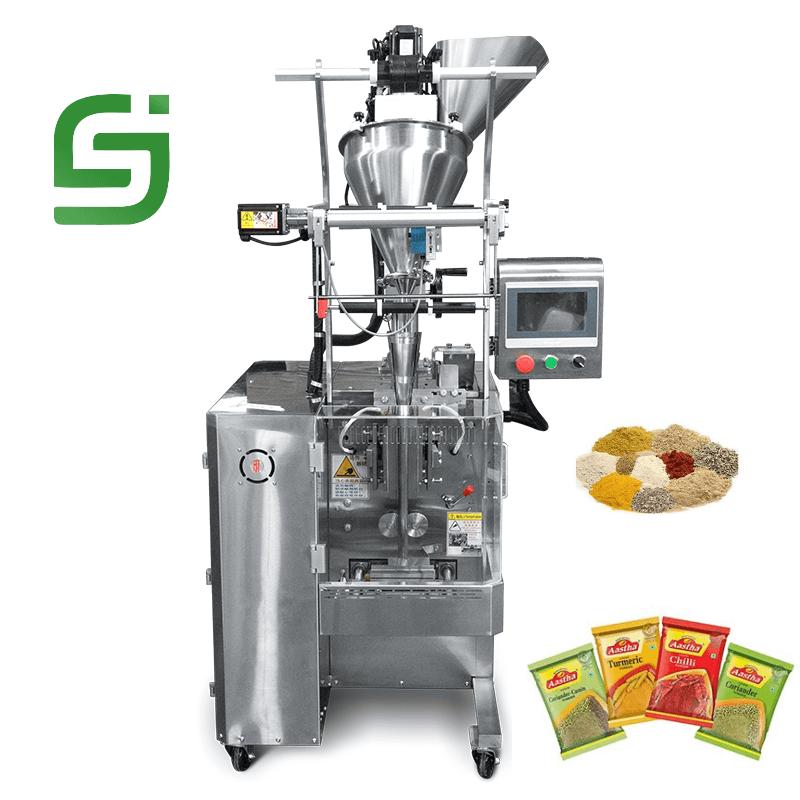
Weighing systems may suit many discrete pieces, augers may suit certain powders, volumetric cups can work with consistent free-flowing material, and pump or piston arrangements may fit compatible liquids and pastes. None is automatically correct. Target dose, accuracy method, product condition, allowable damage, supply stability, cutoff, cleaning, available height, and required rate determine the proposal.
Test the smallest, largest, and most frequent doses. Collect sequential results and mark refill, low supply, adjustments, stops, and rejected pouches. Separate package tare from product measurement. For blends, evaluate component distribution as well as total weight. State every screw, cup, nozzle, valve, hose, or contact set used. A filler range that requires several changes is acceptable only when those changes are included in the operating plan.
The final chute or nozzle must enter or align with a pouch opening without scraping product onto the inner seal band. Large granules can bridge in a narrow mouth; fragile pieces may break during a long fall; powders can plume; liquids may splash or leave a trailing drop. The pouch needs support while receiving the dose, especially when product weight or movement can pull it from the grippers.
Observe the exact discharge into production pouches. A filler that performs well over a rigid collection container has not demonstrated opening clearance, pouch movement, settling, top contamination, or advancing timing. For pieces, compare condition before and after the transfer. For liquids, inspect nozzle cutoff during stable production and after a stop. For powder, trace residue around the opening, guards, grippers, and seals.
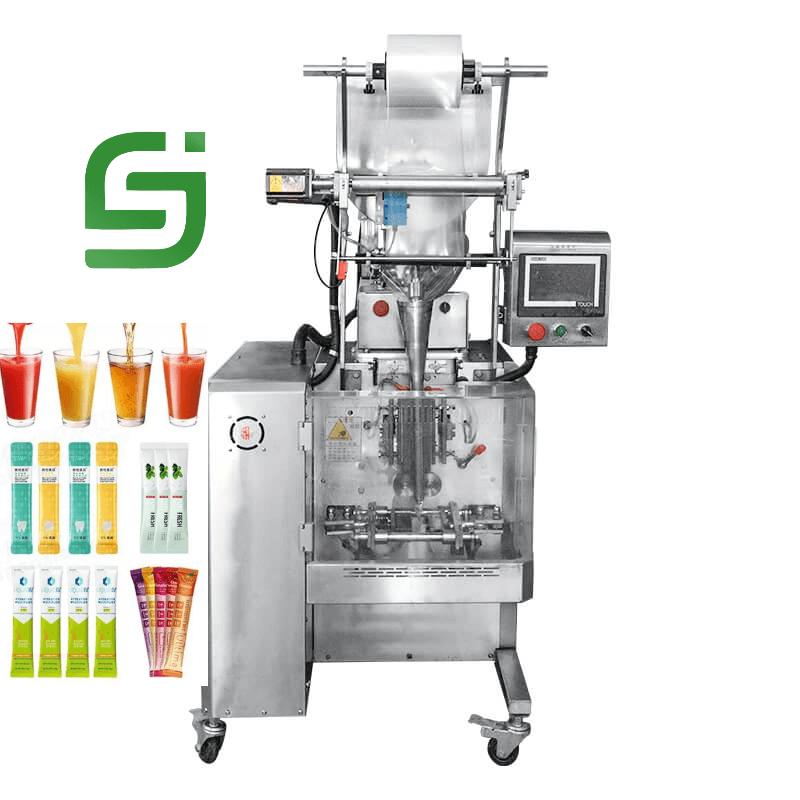
Net weight does not define filled volume. Low-density powder, irregular snacks, settled granules, foamy liquid, and sauce with large pieces occupy different space. Bottom gussets, side folds, zippers, spouts, grip areas, and seal bands reduce usable internal dimensions. Fill actual pouches across realistic product variation and mark the highest product level plus the clean top region required for closure.
A package that is too tight may bridge during filling or carry product into the seal. Excess empty volume may affect presentation, gas use, case count, or consumer expectations. The package designer, product owner, and machine supplier should review filled samples together. Do not reduce bag dimensions for material savings until the revised pouch passes filling, sealing, inspection, and distribution checks.
Product must clear the closure region before the machine presents the pouch to the seal station. Dust, crumbs, strings, droplets, and particulates can create channels or jaw buildup. Settling time, bag support, top cleaning, extraction, drip control, nozzle movement, and dose cutoff may each help a different product. Identify the source of contamination before changing seal heat.
Develop seal temperature, pressure, dwell, alignment, and cooling using approved pouch material. Inspect startup, stable running, brief stops, and restart because product flow and jaw condition may change. Apply the buyer's integrity method to traceable finished packs. Coding and zipper closure, when present, also need verification. The relevant Doypack packing machine category can frame pouch handling, but product trials establish the actual seal-control requirement.
Cleaning a dry free-flowing granule differs from removing fine colored powder, allergenic crumbs, oil, syrup, or particulate sauce. Map product-contact components from supply through filler and nozzle, plus nearby surfaces that can receive residue. The buyer's sanitation and product-change program defines approved methods and verification. Supplier instructions define safe disassembly and material limits.
Witness a complete change from remaining product to first released pack. Include recovery or disposal, drainage, isolation, parts removal, cleaning, inspection, drying if relevant, reassembly, line clearance, new packaging, recipe, and first-off checks. Similar parts need clear identity and protected storage. A line should not be called product-flexible when the difficult cleanout has never been demonstrated.
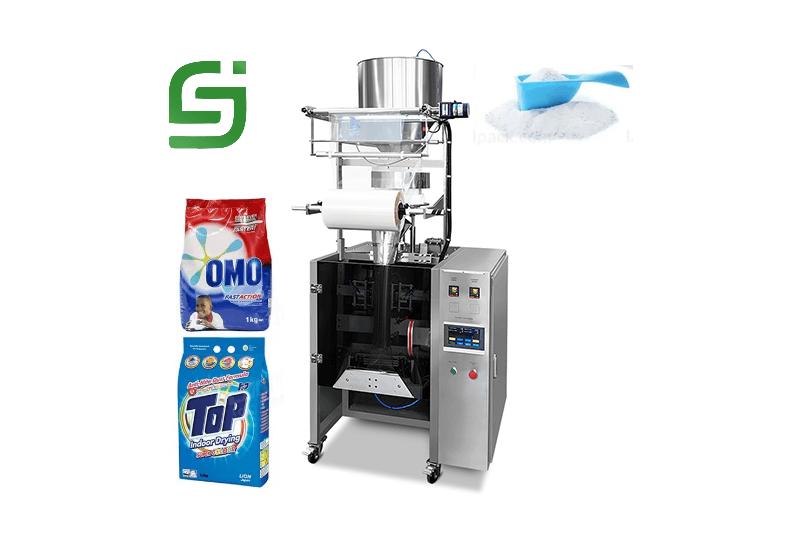
A heavy granular bag, soft liquid pouch, gas-filled snack pack, and small powder sachet leave the sealer differently. Check bottom support, gripper release, seal cooling, discharge drop, conveyor surface, orientation, spacing, and accumulation. Fresh closures should not be stretched or folded by the transfer. A package that topples may fail code reading or reject handling downstream.
Run each boundary pack through checkweighing, inspection, reject, counting, and case packing where included. Define who supplies guides and signal interfaces. Stop the downstream equipment during a controlled test and observe how the pouch machine responds. Accepted output is measured after this route, not at the moment a bag leaves the sealing jaws.
A structured trial should make product differences visible. Use identified production material and the proposed complete filler and pouch line. Include normal and difficult states rather than averaging all products together.
| Product family | Critical machine question | Evidence from filled pouches | Likely configuration focus |
|---|---|---|---|
| Fragile pieces | Does feeding and transfer add unacceptable breakage? | Incoming and finished product comparison | Gentle feeder, gates, short drop, and support |
| Dusty powder | Can dosing remain controlled without contaminating seals? | Sequential weights, residue map, and closure checks | Auger or other suitable filler, extraction, and top cleaning |
| Thin liquid | Does supply and nozzle cutoff prevent drips and splash? | Doses and clean seal bands through stop and restart | Stable feed, valve response, nozzle, and pouch support |
| Particulate sauce | Do pieces pass while composition and closure remain acceptable? | Pack content samples, fill observations, and seal results | Passage size, gentle pump, nozzle clearance, and cleaning |
| Sticky product | Can the route operate and clean without repeated manual clearing? | Intervention log and witnessed complete cleanout | Contact finish, geometry, cutoff, and accessible parts |
Record product lot, pouch lot, parts, settings, operators, rejects, and interventions. Any untested product remains outside the approved list. Close open points with an owner and required retest. This keeps one easy demonstration from becoming an implied claim for a very different product.
Should the buyer choose the pouch machine or filler first? Define them as one system, but product behavior normally establishes the dosing principle before many pouch-station details are fixed.
Can net package weight identify the correct filler? No. Flow, density, viscosity, particles, temperature, damage, supply, accuracy method, and cleaning also matter.
Why test the hardest product first? It reveals clearance, cutoff, residue, breakage, seal contamination, and cleaning limits that an easy sample may conceal.
Can one nozzle handle every liquid or sauce? Dose, viscosity, particulates, temperature, strings, and pouch opening can require different nozzle, valve, or pump arrangements.
What is the final selection measure? Use accepted filled packs plus documented dosing, product condition, seals, codes, changeover, recovery, and downstream results.
Supplier comparison should use one product matrix rather than separate informal demonstrations. For every candidate, show the same product condition, target dose, pouch lot, refill event, stopping sequence, and finished-pack tests. Record installed options, product-contact materials, utilities, cleaning assumptions, change parts, recommended spares, and exclusions. Differences then remain visible instead of disappearing inside one total price. If a supplier proposes a substitute sample because the buyer's material is unavailable, label the result as preliminary and retain a production-material trial as an open requirement.
Commissioning should repeat the boundary combination at the installation site. Upstream supply pressure, platform height, room conditions, utilities, operator technique, and downstream conveyors can change behavior from the factory. Use factory samples and records as the reference, make adjustments under change control, and repeat the affected dose, product-condition, seal, code, and handling checks. This closes the selection process with site evidence rather than assuming shipment preserved every operating condition.
Retain labeled factory and site samples for future comparison.
Product behavior is the strongest route to premade-bag selection. Once supply, dosing, final transfer, top contamination, cleaning, and filled-pack support are defined, pouch handling can be configured around a realistic production condition.
Group products by physical behavior, test the most difficult pouch pairing, and preserve every approved part and recipe with the evidence. The resulting operating envelope is more useful than a broad statement that one machine can pack many products.

YISEN MACHINERY - The ONE-STOP VFFS PACKING MACHINE SOLUTION SUPPLIER
 Tel: +8617350750975
 Email: info@vffspackingmachinery.com
 MP/WhatsApp: +8617350750975
 Manufacturer Address:Meixi Road, Tongan District, Xiamen,Fujian,China