

Hot Keyword:
Author:YISEN Pouch Packing Machine Manufacturer TIME:2024-12-01
The project should treat efficiency and aesthetics as measurable finished-pack outcomes. Define what an attractive pack means and count only packs that meet that definition.
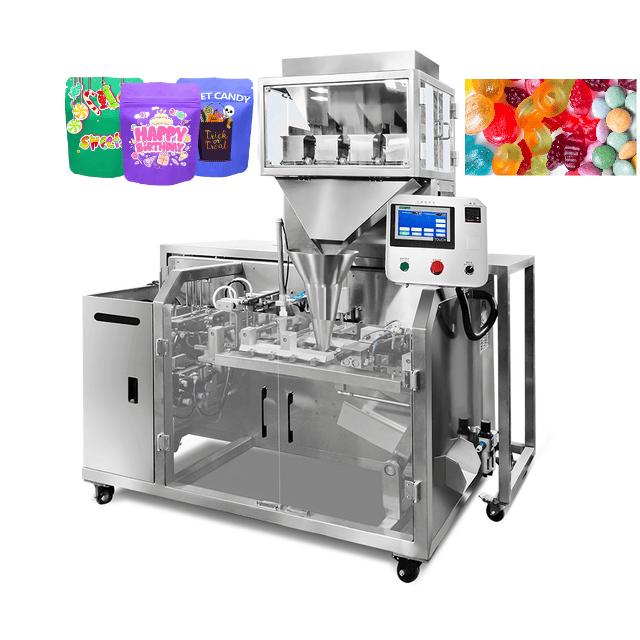
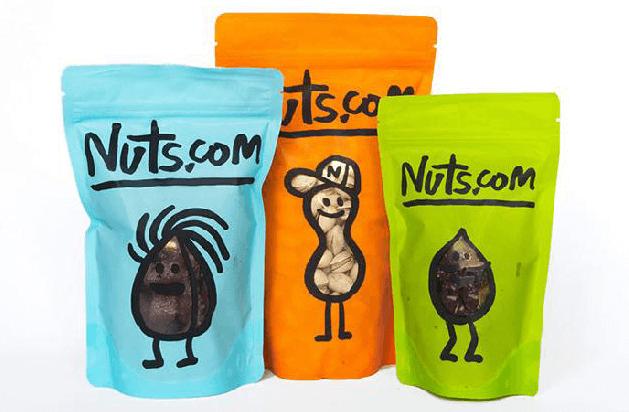
Premade pouches can improve production efficiency and visual consistency when the pouch specification is stable, the machine presents each pack squarely, the filler avoids contaminating the top, and changeovers are controlled. A prepared stand-up shape, zipper, spout, or printed feature can support shelf presentation, while automated pickup and sealing can reduce manual variation. Neither benefit appears automatically from buying converted pouches.
Define dimensions, standing stability, panel flatness, artwork orientation, zipper or spout position, fill level, top-seal location, code, tear feature, and acceptable wrinkles. Use drawings and approved samples instead of words such as premium or neat. The specification should also state how the pouch looks after intended transport and display, not just immediately after sealing.
Rank defects by significance. A tiny print shift may be cosmetic, while a wrinkle across the top seam can be a leak path. Photographic examples can help operators classify issues consistently. Marketing, quality, package development, and production should agree on the standard before the machine trial, so aesthetic decisions are not made informally at the supplier's factory.
Premade equipment depends on converted-pouch tolerances. Specify width, height, thickness, top opening, gusset fold, zipper location, spout geometry, curl, static, bundle orientation, and storage. Variation can affect pickup, opening, holder alignment, and sealing. Work with the converter to produce machinable features while preserving the desired graphic design.
Inspect incoming lots and retain references. A line may be adjusted around one distorted batch and then perform poorly with the next normal delivery. Record the pouch lot whenever pickup or seal defects rise. Protect packages from humidity, pressure, heat, and poor stacking that can introduce curl before they reach the magazine.
Magazine guides, suction points, grippers, opening devices, and holders determine how the pouch reaches filling. Skew at pickup can become crooked artwork, uneven fill, or a diagonal top seal. Maintain reference positions and inspect wear. Presence and opening checks should stop or reject invalid packs without allowing product to spill.
Optimize these stations with actual printed pouches, including difficult surface finishes and zippers. If operators frequently straighten packs by hand, the process is not controlled. Identify whether the source is pouch curl, magazine loading, suction condition, timing, or holder setup. Correcting the first deviation improves both appearance and output.
Product distribution changes the final silhouette. Granules may mound to one side, powder can trap air, and liquid can splash onto panels or the seal. Match filler, nozzle or chute, support, settling, and headspace to the pouch. Quantity control should be assessed together with shape and top cleanliness.
For a stand-up pouch, the bottom gusset must open and receive product evenly enough to support the pack. Overfilling can distort panels or zipper function; underfilling can make the pack look weak. Define the approved fill height and handling method. An attractive sample prepared by hand does not prove automated placement.
Before sealing, guides should flatten the top while keeping gussets, zipper, spout, and product out of the intended seam. Jaw surfaces, alignment, temperature feedback, pressure, and dwell must match the laminate. If contamination occurs, improve filling and settling rather than increasing energy across product.
Check seal width and position against artwork and opening features. Cooling and discharge should prevent a heavy pouch from stretching a hot seam. Inspect packages after flexing or distribution simulation using the site's approved method. A straight seam that cannot withstand handling is not an aesthetic success.
Break production losses into missed pickup, failed opening, no product, dosing reject, product in seal, pouch defect, coding reject, alarm recovery, material refill, cleaning, and downstream blockage. The largest category should lead the improvement. Raising nominal speed while missed pouches increase can reduce usable output.
Review event sequence and video or observations where permitted. A downstream stop may cause pouch accumulation that later appears as a machine fault. A low-product signal may prevent a dose but still consume a pouch depending on logic. Use accepted packs over available operating time and make reject definitions consistent.
Standardize magazine guides, pickup references, holders, opening settings, filler parts, top guides, seal position, code, and recipes by format. Use clear scales, stops, or identified change parts where available. Tool-free adjustments are useful only when they return to a verified position and cannot drift during production.
Measure conversion from last accepted pack to first accepted pack. Include line clearance, cleaning, package loading, product setup, code check, and quality release. Keep first-off samples and record adjustments. This definition improves efficiency without rewarding a rushed mechanical setup that produces rejects afterward.
Run commercial pouch lots and representative product through startup, steady production, refill, stop, restart, and a format change. Count accepted output after quantity, appearance, code, closure, seal, and handling checks. Record every manual correction. The trial should show whether visual quality remains stable as the line approaches the proposed operating condition.
| Improvement goal | Evidence | Failure signal | Likely review area |
|---|---|---|---|
| Straight retail presentation | Panel and top-seal alignment samples | Skew, curl, uneven holder position | Pouch lot, magazine, pickup, grippers |
| Consistent filled shape | Fill level and standing checks | Side mound, trapped air, weak base | Filler path, settling, gusset opening |
| Higher accepted output | Good packs per available time | Rising missed picks or seal rejects | Station timing and root loss category |
| Faster format conversion | Last-good to first-good record | Repeated adjustment after restart | References, parts, recipe, release method |
The prefabricated bag packaging machine scope should include exact pouch handling, filler, coding, inspection, discharge, controls, change parts, spares, and training. A machine frame alone cannot deliver the combined result.
Do premade pouches always look better than rollstock bags?
No. They can provide prepared shapes and features, but converter quality, machine presentation, filling, sealing, and handling decide the finished appearance.
What output figure should be compared?
Use accepted packages during available production time, including ordinary refills, stops, inspection, cleaning, and reject categories.
Why do top seals become crooked?
Pouch curl, skewed pickup, holder position, poor top guidance, zipper or gusset interference, and uneven jaw contact can contribute.
Can recipes make every changeover automatic?
No. Mechanical parts, package supply, filler setup, cleaning, code, and first-off checks still need controlled execution.
How can aesthetics be accepted objectively?
Use drawings, tolerances, defect categories, photographs, approved samples, and defined viewing or handling conditions agreed before the trial.
Artwork registration should be designed around converter and machine capability. Keep critical text, logos, windows, and code areas away from tolerated seal and cut variation. Use registration marks that the supplied sensor can detect across normal print and lighting conditions. A machine should reproduce an approved design, while artwork should not demand zero physical tolerance.
Integrated coding and inspection can improve presentation when their acceptance criteria are defined. Verify content, contrast, location, and triggering on moving pouches. If vision is proposed, test representative print variation and known defects. False rejects reduce efficiency, while missed defects weaken the aesthetic standard. Record challenge results and the response when the inspection device is unavailable.
Downstream handling determines whether pouches reach the customer in the same condition seen at discharge. Review conveyor support, accumulation, metal detection or other inspection, checkweighing, cartoning, and case loading. Stand-up packs can tip or rub printed panels; heavy packs can stress top seals. Include these effects in accepted appearance samples.
Commercial comparison should include converter cost and minimum order, material storage, pouch loss, change parts, cleaning, labor, usable output, and secondary packing. Premade bags may reduce forming work while increasing dependence on package tolerances and inventory. The correct decision uses total campaign economics and the value of the desired features, not a general assumption that a premium pouch always earns a higher return.
Maintenance can preserve appearance by protecting holders, suction parts, guides, flattening devices, jaws, and conveyors from gradual misalignment. Use approved reference pouches after service and compare panel, seal, and code position. A line may continue running while presentation drifts slowly, so aesthetic checks belong in preventive release as well as production sampling.
Improvement projects should retain a before-and-after sample set and loss baseline. Compare identical product and pouch conditions where possible, and state when converter changes contribute to the result. This keeps machine benefits credible and helps teams avoid attributing every visual gain or loss to one piece of equipment.
Any speed increase should be introduced in controlled steps. At each step, review pickup, opening, fill, seal, code, reject, and final appearance before moving again. This shows which station reaches its limit first and prevents a brief output gain from becoming a long-term quality loss.
Efficiency and aesthetics improve together when pouches arrive within tolerance, remain square through handling, receive product cleanly, and leave with a verified seam and stable shape. Measure station losses and visual defects under the same production events. This prevents speed gains from hiding poor packages and turns premium presentation into a repeatable manufacturing standard.

YISEN MACHINERY - The ONE-STOP VFFS PACKING MACHINE SOLUTION SUPPLIER
 Tel: +8617350750975
 Email: info@vffspackingmachinery.com
 MP/WhatsApp: +8617350750975
 Manufacturer Address:Meixi Road, Tongan District, Xiamen,Fujian,China