

Hot Keyword:
Author:YISEN Pouch Packing Machine Manufacturer TIME:2024-12-09
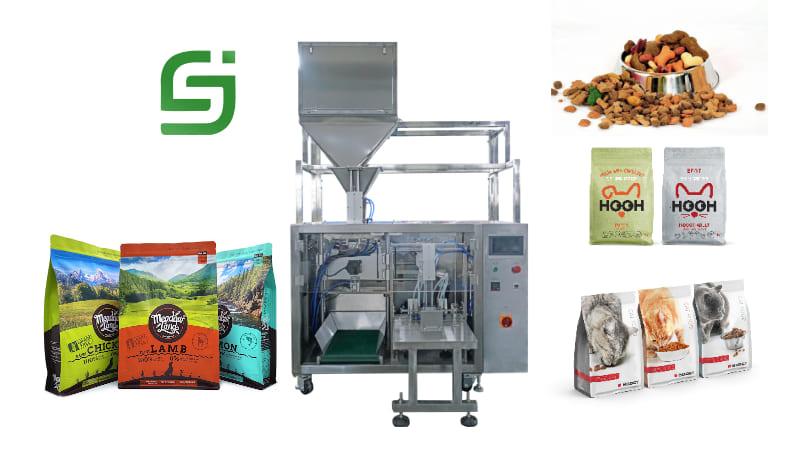
A pet food packaging supplier needs more than the words kibble, treats, or wet food. Machine selection depends on product dimensions and flow, target weights, pouch or bag construction, required output, contamination controls, cleaning, coding, inspection, utilities, and factory layout. Organizing this information before quotation makes proposals comparable and gives the eventual trial a clear operating range instead of relying on a single easy sample.
For dry kibble and treats, provide normal and maximum piece dimensions, shape, bulk density, size distribution, fines, oil or seasoning level, fragility, static tendency, and flow after storage. Note whether pieces bridge, roll, interlock, or segregate during transfer. Samples should include normal variation and the most difficult approved recipe, not only uniform demonstration material.
For powders or supplements, describe density, cohesiveness, aeration, dust, moisture sensitivity, oil, and cleaning concern. For gravies, pastes, or products with inclusions, record viscosity at filling temperature, particle dimensions, concentration, shear sensitivity, and separation behavior. State whether product arrives hot, chilled, frozen, or at room temperature.
Supply relevant safety, hygiene, allergen, and handling information. Palatants, meat ingredients, high-fat residues, medicated products, or additives may change sanitation and cross-contact requirements. The equipment supplier can design access and contact parts only when these boundaries are clear.
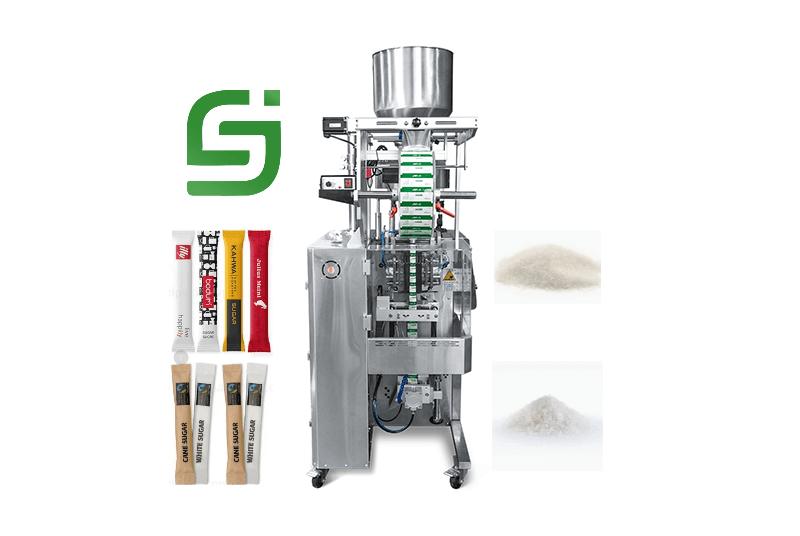
Create a matrix linking every product to target net weight, tolerance or control method, bag size, intended output, campaign length, and change frequency. Include the smallest and largest fills. A filler chosen for a large kibble bag may struggle with a small treat portion, while one weigher setup may not cover both without different buckets, gates, or software conditions.
State demand as accepted packages per minute or hour for named combinations. Explain seasonal peaks, shifts, operating days, expected growth, and downstream constraints. Cartoning, case packing, checkweighing, metal detection, manual inspection, or pallet handling can limit the line below the bagger's empty-cycle rate.
Give the current process data where available: staffing, giveaway, rejects, changeover duration, sanitation time, common stops, and package complaints. These numbers help identify whether the investment should prioritize speed, gentle handling, weight control, reduced labor exposure, faster cleaning, or package integrity.
Multihead weighers commonly combine portions for kibble and many treats. Bucket size, feeder design, drop height, gate opening, and distribution affect accuracy and damage. Linear scales can fit some lower-output products. Large irregular pieces may require wider paths or specialized feeding, while counters suit discrete uniform items in particular applications.
Augers meter many powders but depend on stable density and hopper condition. Pumps and piston systems can fill wet foods, sauces, or gravies when valve passages suit inclusions and cleaning requirements. The dosing system needs a controlled upstream supply; an elevator, conveyor, tank, or transfer pump that starves or floods it will reduce useful output.
Ask suppliers to measure ordered net weights across startup, steady operation, refill, low level, planned stops, and restart. Examine broken pieces, fines, coating loss, particle distribution, and spills. A good average weight can hide alternating underfill and overfill or excessive giveaway. If checkweigher feedback is proposed, define its correction limits and response to rejected packs.
Identify whether the line will form bags from rollstock or handle premade flat, stand-up, gusseted, zipper, quad-seal, or other packages. Supply dimensioned drawings, usable opening, grip and seal margins, gusset depth, zipper location, tear features, laminate construction, thickness, stiffness, surface finish, and print registration. Include normal converter tolerances.
Large kibble pieces need enough mouth clearance and headspace to enter without striking the zipper or contaminating the seal. Oily coatings and fines can transfer to the top area. Bulky products may settle after filling, changing shape and case fit. Test the package at its immediate filled volume and after expected settling rather than sizing from weight alone.
Discuss barrier, residual oxygen, flushing, reclosure, shelf-life, transport, and consumer opening requirements with packaging and quality specialists. The machine must execute the chosen package, but it cannot by itself validate product shelf life. Film and pouch sealing should be qualified through the agreed temperature, pressure, dwell, cooling, and integrity tests.
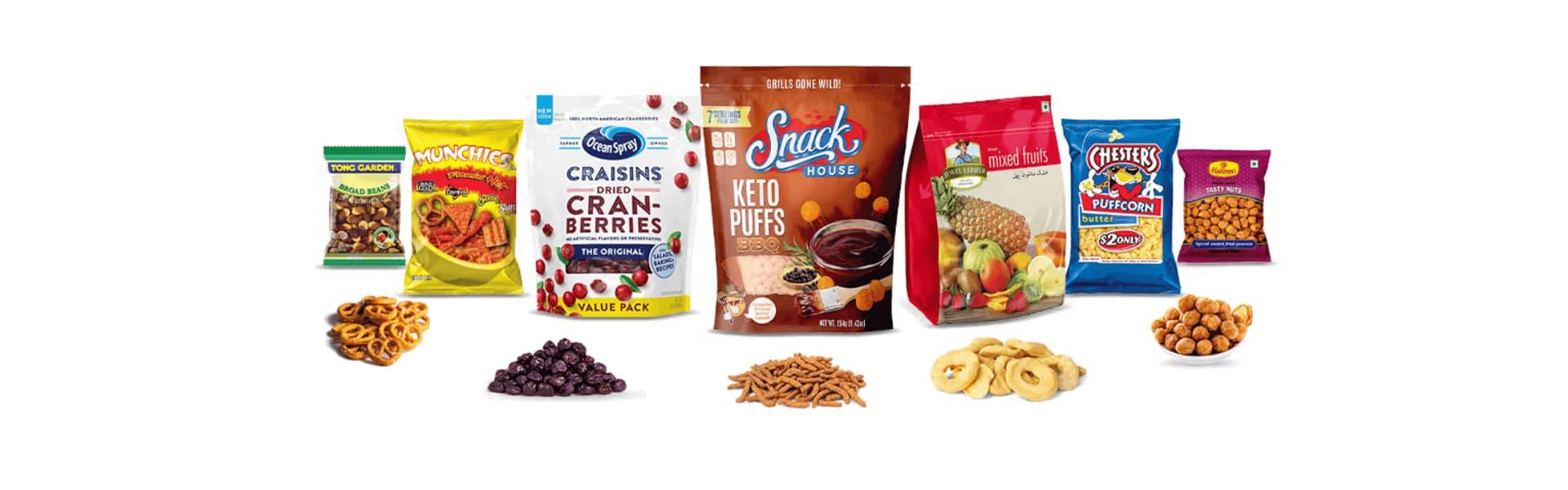
State whether the process uses dry cleaning, wet cleaning, clean-in-place, disassembly, or a defined combination. Identify residues that harden, become rancid, carry flavor, or create allergen concerns. Review access around feed hoppers, dosing components, transfer hoses, product chutes, filling nozzles, conveyor surfaces, extraction branches, guards, and frame ledges.
Clarify material and surface requirements for product-contact areas, drainability where wet cleaning is used, chemical compatibility, drying, and protected storage of removed parts. Heavy components need safe lifting provisions. Tools and fasteners should be controlled so they do not create foreign-material or reassembly risks.
Time sanitation from last accepted pack through product recovery, dismantling, cleaning, verification, reassembly, priming, and first-pack release. A supplier's contact-part removal demonstration covers only part of the lost production time. If products share a line, define the change sequence and evidence needed before the next recipe begins.
List required date, lot, product, plant, barcode, or variable information and where it must appear. Define who supplies the data, how the correct message is selected, and whether vision verifies presence and readability. A printer option without data and reject logic leaves a major traceability interface unresolved.
Checkweighers, metal detectors, X-ray systems, seal inspection, and vision equipment each require suitable product and package testing. The reject device should be secure, confirmed, and able to handle the package size range. Establish the line response when rejection fails, the bin is full, or an inspection device is unavailable.
Ask how recipes, users, alarm history, production counts, and batch records are managed. Clarify network and cybersecurity policies before requesting remote access or factory integration. Fault recovery should preserve the identity of packs already filled, sealed, inspected, or awaiting a code so uncertain material can be reconciled.
Provide a scaled plan showing upstream product delivery, operator positions, bag or film loading, filler platform, controls, inspection, discharge, case packing, aisles, doors, drains, columns, overhead limits, and maintenance clearance. Include the equipment delivery route and floor loading. A frame that fits the footprint may still be impossible to clean or service safely.
List electrical voltage and frequency, compressed-air pressure and capacity, vacuum, extraction, gas, water, drainage, heating, cooling, and environmental conditions as applicable. Specify connection points and quality requirements. Local dust assessment, washdown zoning, room pressure, temperature, and humidity can influence design.
Describe staffing skills, languages, shift support, maintenance capability, spare-parts expectations, and supplier response needs. Request manuals, drawings, electrical and pneumatic documents, parts lists, calibration information, training, recipe backup, warranty terms, and software access appropriate to the project. Ownership of interfaces should be explicit when several vendors supply the line.
Send shortlisted vendors the same matrix, samples, drawings, facility information, and quality methods. The proposed pet food packaging machine should then be tested with challenging and routine products, approved package lots, intended weights, and normal operators. Include replenishment, target output, planned stops, restart, inspection challenges, and a complete product and bag change.
| Information to provide | Why it changes the design | Trial evidence |
|---|---|---|
| Piece size, fines, oil, fragility | Sets feeder, bucket, chute, and drop requirements | Condition samples, spills, combination performance |
| Weight and package matrix | Defines filler range and change parts | Ordered weights for selected extremes |
| Pouch geometry and laminate | Sets opening, grip, headspace, and seal process | Handling faults and integrity results |
| Sanitation boundary | Determines access, parts, materials, and downtime | Observed full cleaning and release time |
| Inspection and traceability | Defines interfaces and uncertain-pack control | Challenge tests and reject reconciliation |
Agree acceptance limits before the test: accepted output, weight distribution, damage, exterior cleanliness, seal integrity, code verification, rejects, allowed interventions, changeover, and cleaning. Retain raw readings, samples, settings, material lots, alarms, stop history, and deviations. Repeat critical checks after installation with local utilities and connected equipment.
What pet food samples should be sent to a supplier?
Send representative production quantities, including challenging piece sizes, fines, coatings, density, viscosity, inclusions, temperature, and approved variation.
Can one line pack kibble, treats, and powder?
Possibly, but dosing, transfer, cleaning, bag opening, seal protection, and change parts must be qualified for each product-package combination.
How should packaging speed be specified?
Use accepted packages per minute for named products and bags, including quality criteria and defined operating conditions.
Why are production pouch lots needed for testing?
Normal variation in stiffness, friction, dimensions, zipper force, and curl can affect pickup, opening, gripping, and sealing.
What should be agreed before a factory test?
Set the tested scope, samples, run conditions, output, weight, damage, seal, code, reject, changeover, cleaning, records, and deviation process.
Useful quotations begin with precise information about pet food behavior, weight and package combinations, production demand, sanitation, controls, utilities, layout, and support. That information determines filler type, transfer, pouch handling, closure protection, inspection, and maintainability. A witnessed trial against predefined acceptance limits converts supplier statements into evidence and reduces the risk of buying a line that works only with an easy sample. Keeping the final requirement matrix with approved recipes, change parts, and retained packages also gives future teams a reliable reference when products, suppliers, or packaging materials change.

YISEN MACHINERY - The ONE-STOP VFFS PACKING MACHINE SOLUTION SUPPLIER
 Tel: +8617350750975
 Email: info@vffspackingmachinery.com
 MP/WhatsApp: +8617350750975
 Manufacturer Address:Meixi Road, Tongan District, Xiamen,Fujian,China