

Hot Keyword:
Author:YISEN Pouch Packing Machine Manufacturer TIME:2024-12-12
Triangle tea packaging machines are commonly suitable for loose tea leaves, broken leaf, selected herbal materials, flowers, and controlled fruit or spice blends when the pieces can feed, dose, pass through the filling route, and remain clear of the seals. Suitability cannot be decided from the tea name alone. Leaf size, bulk density, fragility, dust, static, moisture, inclusions, bag volume, and mesh all matter. Powders, sticky ingredients, oversized pieces, or blends that segregate may require another feeder, preparation step, or package.
A tea is suitable only when it can be supplied consistently, metered to the required quantity, transferred without unacceptable damage or segregation, contained within the pyramid volume, sealed cleanly, and released in the intended consumer format. The finished bag must also satisfy the producer's brewing and shelf-life validation.
Describe tea cut, largest and smallest normal pieces, bulk density, fines, moisture sensitivity, static, fragility, stem content, inclusions, and tendency to bridge. State the desired dose and triangle dimensions. Provide samples from normal production, including the difficult lot rather than a hand-selected portion.
A triangle tea packaging machine should be approved for named tea-and-bag combinations. Similar color or product category does not prove equivalent flow. The evidence boundary keeps future recipes from being added only by copying a screen setting.
Whole or rolled black, green, oolong, and related teas can be attractive candidates when their dimensions fit the feeder and filling passage. Their low or variable bulk density may require a relatively large bag volume for a modest target weight. Leaves can spring, interlock, or bridge rather than falling like uniform granules.
Inspect the narrowest chute, dosing chamber, and bag opening against the largest normal leaf. Feeding action should move product without grinding it into fines. Compare representative tea before and after the machine using the producer's accepted method for breakage and appearance.
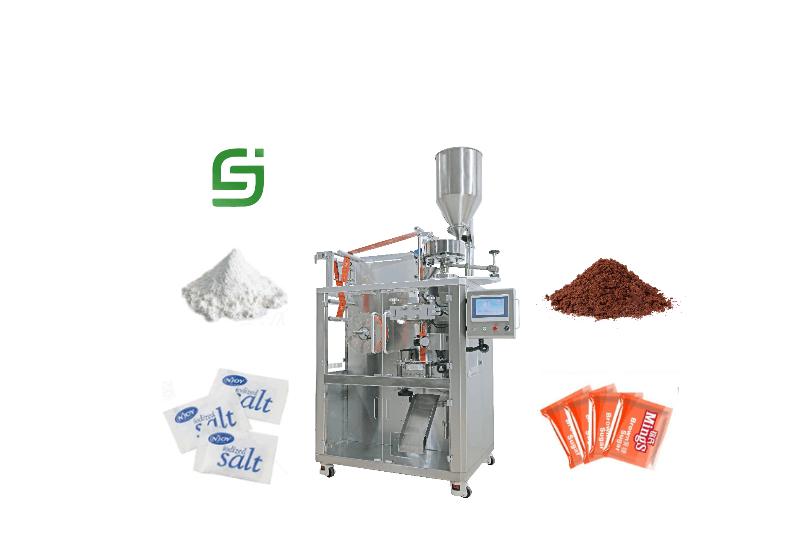
Check filled bags for expansion space according to the product owner's brewing evaluation. A visually full dry bag may restrict movement, while an unnecessarily large bag can affect presentation and material use. The correct relationship is established by filled and brewed samples, not a universal claim about pyramid shape.
Broken tea can dose more readily than long leaves in some systems, but smaller particles create other concerns. Bulk density may be higher, dust can increase, and fines can move toward seal surfaces. Very fine product may leak through an unsuitable mesh or produce visible residue in the envelope.
Match the dosing principle to density stability and target quantity. Collect consecutive samples through hopper refill because loose and settled product can behave differently. Inspect the feeder and bag after a sustained run for dust buildup rather than relying on a short clean demonstration.
Mesh opening and seam construction need to retain the selected grade while allowing the producer's intended brewing behavior. That function belongs to product and material validation. The machine trial verifies forming, filling, sealing, and cutting with the chosen specification.
Chamomile heads, mint leaves, flower petals, lemongrass, and other botanicals can be light, irregular, fragile, or static. They may occupy a large volume and resist compact dosing. Stems can bridge or orient across a narrow passage. Petals can break under excessive vibration.
Provide the blend as sold, not separated components. Observe whether lighter pieces stay distributed from hopper to finished bags. Total weight alone cannot reveal segregation. The producer should define acceptable composition or visual distribution and sample through the run.
Cleaning deserves attention when aromatics, colors, or allergens vary among herbal recipes. Fine botanical dust can remain in hoppers, feeders, chutes, guards, and seal areas. The machine should provide access compatible with the owner's validated changeover.
Dried fruit, peel, seeds, bark, spice pieces, or sweetened ingredients can add size and stickiness. Some inclusions settle while light leaves rise, creating inconsistent blend composition. Sugar or oil on surfaces can increase residue and affect flow. Hard sharp pieces can challenge mesh during filling and handling.
Measure largest normal inclusion and concentration. Test whether several pieces can arrive at the gate together without blockage. Avoid approving a blend after manually placing one fruit cube through the chute. Representative supply and a sustained run are necessary.
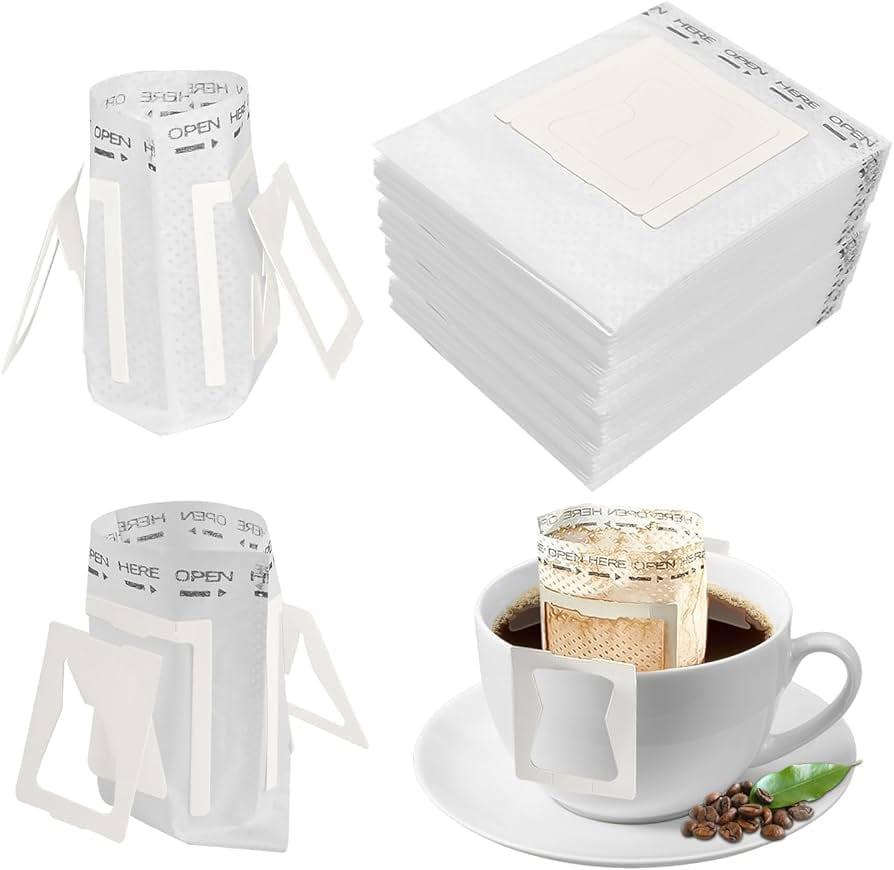
Assess package volume and seal cleanliness at the same time. A bulky blend may reach the upper seam or leave too little room for controlled forming. Modifying dose to make the bag run is a commercial product decision, not an automatic machine adjustment.
Filter mesh or paper should retain the tea grade, tolerate forming and sealing, and support the producer's brewing and shelf requirements. Width, thickness, stiffness, friction, static, sealant, and cut response influence machine operation. Use final production material in trials.
Triangle dimensions need enough internal volume for the dry dose and the intended presentation. Headspace also helps keep tea away from seams during formation. Different teas at the same weight can require different volume because density and piece shape vary.
| Tea family | Main machine question | Evidence before approval |
|---|---|---|
| Whole or rolled leaf | Can leaves feed and pass without bridging or excess damage? | Before-and-after leaf condition and stable dose samples |
| Broken leaf or fannings | Can fines remain controlled and inside the mesh? | Dust, seal, retention, and sustained-run inspection |
| Flowers and herbs | Can light irregular pieces remain distributed? | Finished-bag composition across refill and low level |
| Fruit or spice blend | Can inclusions pass without sticking or segregation? | Worst-case particle trial and bag-volume check |
| New material specification | Will forming, sealing, cutting, and brewing remain acceptable? | Production-roll machine test and product validation |
Fine tea powder generally needs a powder-dosing and containment review rather than being treated as loose leaf. It may dust, compact, leak through mesh, or contaminate seals. Sticky candied fruit, oily flavor carriers, and moist botanicals can coat feeders and interfere with clean seams.
Oversized stems or pieces may physically exceed the filler or bag opening. Crushing them inside the packaging line can change the product and increase fines. Product preparation, another feeder, a larger package, or a different machine may be more appropriate.
Do not classify a tea as suitable simply because the machine can produce several bags during a hand-assisted test. Repeated operator pushing, sorting, or cleaning is evidence that the normal process is not stable. Record interventions and evaluate whether an engineered change can remove them.
Build a trial matrix covering longest leaf, lowest-density volume, finest grade, highest dust, most fragile botanical, largest inclusion, stickiest normal blend, and demanding mesh. One product may represent several extremes. Define quantity, composition, damage, package, seal, and output checks before testing.
Run startup, hopper replenishment, continuous operation, controlled stop, and restart. Record ordered doses, feed interruptions, blend distribution, breakage, dust, material tracking, tea in seams, seal results, cut, rejects, and cleaning residue. Demonstrate a representative product change.
Classify each tea as tested, accepted by documented similarity, or requiring review. Preserve samples and settings where procedures allow. A new formula that exceeds the approved particle, density, dust, or cleaning boundary returns to the test process.
Storage and preparation can move the same tea in or out of the proven behavior range. Moisture pickup may increase bridging, rough transport can create fines, and long settling can change density. Define how tea is conditioned, opened, sieved or inspected where applicable, and delivered to the hopper. Supplier trials should not use unusually dry or carefully hand-prepared material unless that condition will be maintained in production.
Brewing assessment should remain separate from machine acceptance but connected to it. The tea producer compares infusion, retention, appearance, and consumer use with its validated method after the machine has applied normal filling, forming, sealing, and handling. This confirms that a mechanically stable format still serves the intended tea experience without asking the equipment supplier to make unsupported flavor claims.
Record the reason when a tea is rejected from the matrix. Product development can then alter cut, inclusion size, dose, or package deliberately instead of repeating the same unsuitable test.
Are all loose-leaf teas suitable for triangle bags?
No. Leaf length, density, flow, fragility, dose, bag volume, mesh, and sealing must fit the configured machine.
Can powdered tea run on the same setup?
Do not assume so. Powder needs a suitable filler, dust control, retention material, clean sealing, and separate trials.
How are herbal blends checked for segregation?
Sample finished bags in order through refill and low hopper level, then apply the producer's composition or visual method.
Why can two teas at the same weight need different bags?
Bulk density, piece shape, spring, and settling change the dry volume and space needed for filling and brewing presentation.
What sample should be sent to the supplier?
Send the most difficult normal production blend with target dose, mesh, triangle dimensions, and quality and cleaning requirements.
Triangle formats can serve many leaf, broken, herbal, floral, and blended teas when their physical behavior fits the feeder, dose, passage, mesh, volume, and seal process. Product names are only a starting point. A trial matrix using difficult representative material shows which tea families are genuinely approved and which need another configuration or package.

YISEN MACHINERY - The ONE-STOP VFFS PACKING MACHINE SOLUTION SUPPLIER
 Tel: +8617350750975
 Email: info@vffspackingmachinery.com
 MP/WhatsApp: +8617350750975
 Manufacturer Address:Meixi Road, Tongan District, Xiamen,Fujian,China