

Hot Keyword:
Author:YISEN Pouch Packing Machine Manufacturer TIME:2026-03-11
The correct choice comes from accepted packs per planned shift, not lane count alone. Product behavior and package quality must remain controlled across the complete machine width.
Multi-lane packaging machines produce several sachets or stick packs during each machine cycle, while single-lane packaging machines produce one. The lane difference affects theoretical output, web width, dosing distribution, tooling, inspection, cleaning, changeover, floor space, and downstream handling. More lanes are valuable for stable high-volume products; one lane can be better when flexibility, smaller batches, or simpler control matters.
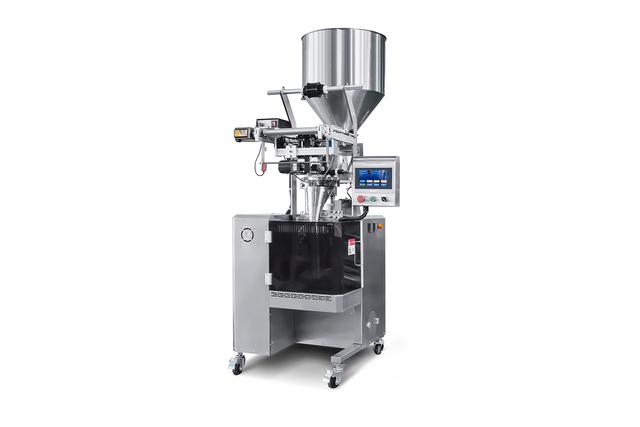
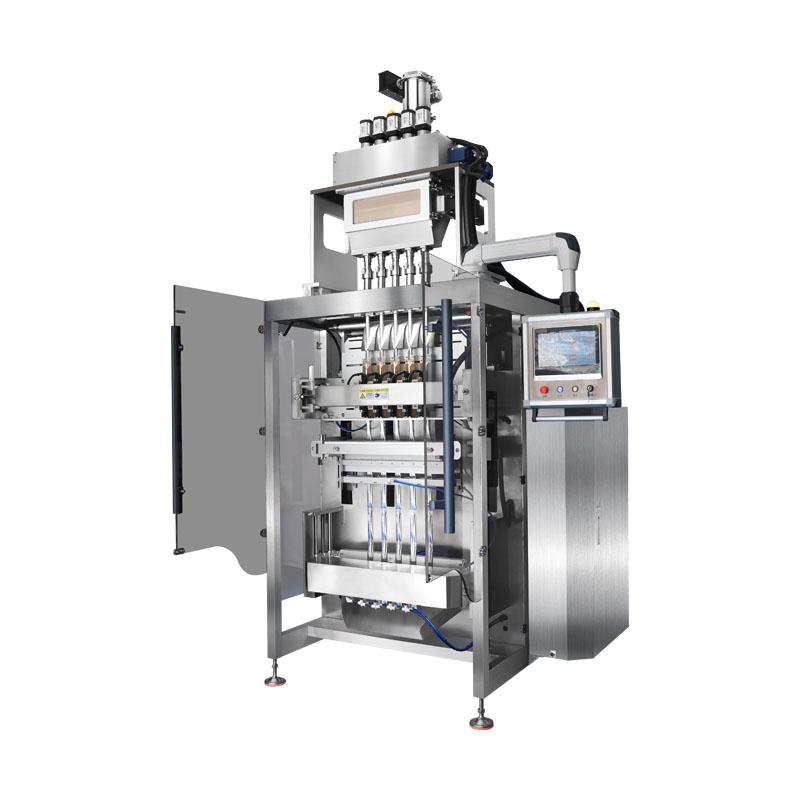
A single-lane line controls one film path, one package position, and one dosing channel per cycle. It can offer accessible setup and straightforward diagnosis. A multi-lane system divides a wider web into several channels and distributes product to each lane before sealing and cutting multiple packs.
Multiplication raises output potential but also creates more points that must agree. Feeder distribution, dose timing, film tracking, forming, jaw pressure, temperature, registration, knives, and discharge need consistency across width. A central average can hide an outside lane that runs differently.
Machine design varies, so lane count does not define every function. Some systems share one wide sealing assembly; others provide zones or adjustments. Ask for a functional drawing that identifies fillers, lanes, sensors, cuts, rejects, and downstream grouping.
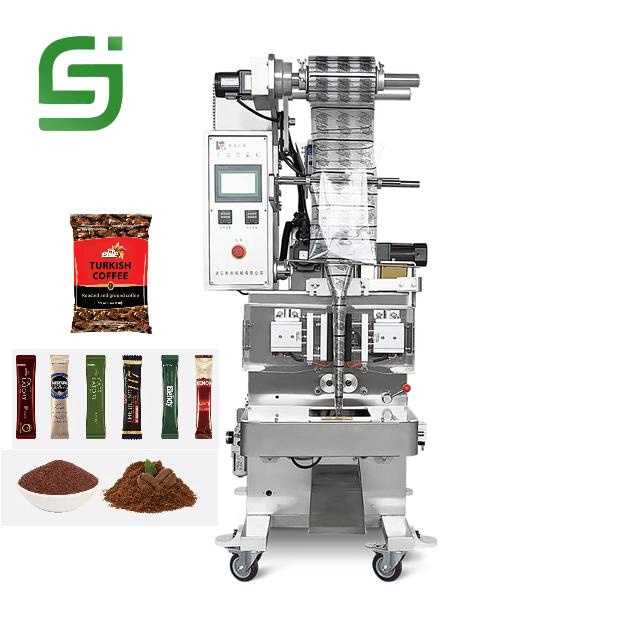
Theoretical output is machine cycles multiplied by lane count. Usable output subtracts setup, product and film replenishment, sanitation, sampling, changeovers, brief stops, and rejected packs. Calculate demand by SKU, batch, shift, and campaign rather than selecting the highest available lane number.
High-volume standardized products can justify a multi-lane line because the setup is used for a long campaign. Short batches can spend a large share of planned time cleaning and adjusting multiple channels. A single lane may provide lower hourly capacity but higher utilization across a varied schedule.
Operating margin should come from a sustained trial at the approved quality setting. Do not plan every shift at the maximum passing moment. Normal material lots, different trained operators, and downstream interruptions need room inside the schedule.
On a single-lane machine, one filler feeds the package path. Troubleshooting can connect a dose result directly to that channel. Multi-lane dosing may use separate augers, pumps, cups, or channels supplied from a common system. Every lane needs suitable product presentation and timing.
Powder can bridge differently across a wide hopper, liquid manifolds can create unequal pressure or hose effects, and granules may distribute unevenly. Sample each lane by identity. Review average, spread, low and high rejects, plus any product damage or composition requirement.
Automatic corrections should preserve lane identity. A combined average must not drive all channels when only one is drifting. Define calibration, adjustment permissions, and the response when a lane falls outside the accepted range.
A multi-lane roll is wider and may be heavier. Unwind, edge guiding, tension, registration, slitting, sealing, and cutting must remain uniform. Heat transfer and jaw pressure can vary between center and outside positions if the system is not maintained. Final printed production film should be tested across all lanes.
Lane width sets the package width range. A new size can require a different complete lane layout, forming set, seal jaw, knife, filler outlet, or web plan. Reducing active lanes may not be possible or economical on every design. Request a format matrix rather than assuming unused width creates flexibility.
Single-lane equipment can often accommodate a broader width adjustment within its frame, although change parts still apply. It may use narrower rolls and simpler artwork planning. The packaging converter should supply tolerances appropriate to the chosen architecture.
A complete conversion includes line clearance, old product recovery, cleaning, parts removal, new tooling, film loading, recipe selection, coding, lane setup, first-off sampling, and quality release. Multi-lane equipment has more channels to inspect and can create more setup waste before every position passes.
Recipes, fixed reference points, identified parts, lifting aids, and lane-specific samples can make either system repeatable. The benefit must be demonstrated by trained staff. A fast supplier technician should not be the only person able to restore the setup.
When products have allergens, strong colors, flavors, or sticky residues, cleaning scope may outweigh mechanical format speed. Grouping compatible campaigns can improve utilization, but production scheduling must respect approved residence and sanitation limits.
Every lane should meet fill, seal, dimensions, registration, cut, code, and appearance criteria. Label samples by lane and time. Inspection and rejection must identify the affected sachet, especially when many packs leave together or enter a common conveyor.
Maintenance on a multi-lane system includes more dosing elements, seal positions, cutters, guides, and potential wear points. Access can be wider or elevated. Spare-parts planning should cover common items and lane-specific components without assuming one failure affects every channel equally.
A single-lane fault stops all primary output, while some multi-lane designs may permit controlled response to one channel; this capability varies and must be verified. Running with a disabled lane changes web, coding, count, inspection, and downstream grouping, so it requires an approved mode.
Capital price is only one factor. Include floor space, height, platforms, wider film, product supply, labor, cleaning, setup waste, product giveaway, utilities, inspection, downstream organization, format parts, and maintenance inventory. Calculate cost using the forecast SKU mix.
Operator workload can peak during refill, film change, sampling, reject removal, and changeover. A multi-lane line may produce many packs quickly but also require stronger material logistics and quality response. Observe one person through a representative production sequence before finalizing staffing.
The chosen sachet stick packing machine should fit doorways, room width, maintenance clearances, roll-loading equipment, and downstream capacity. Utilities and factory data systems must support the final lane configuration.
| Project condition | Single-lane implication | Multi-lane implication |
|---|---|---|
| Several short or changing SKUs | Lower output but simpler setup and sampling | Higher setup scope must be justified by campaign volume |
| One stable high-volume product | May require more operating hours or parallel machines | Several packs per cycle can support sustained demand |
| Product varies across feed distribution | One channel is easier to diagnose | Every lane needs balanced supply and separate data |
| Wide range of package widths | Frame may allow flexible format adjustment | New sizes can require a different lane and web layout |
| Strict lane-level inspection | One sample and reject path is straightforward | Item identity, all-lane sampling, and rejection need proof |
For a fair trial, use the same product, package criteria, fill target, quality method, and planned events. Run startup, stable production, film replenishment, stop, restart, and a meaningful format or product change. Count accepted packs, fill variation, lane defects, waste, interventions, and complete changeover time.
On the multi-lane candidate, inspect every lane and challenge one lane with a controlled fault. On the single-lane candidate, verify that its sustained output and recovery support the demand model. Retain samples and final settings from both.
The final decision may also involve several single-lane machines. Separate units can provide scheduling redundancy and product segregation but require additional space, operators, utilities, and maintenance. Compare the complete production strategy, not merely one frame against another.
Several independent single-lane units can provide redundancy: one machine may continue while another changes product or receives service. The tradeoff is duplicated feeders, controls, inspections, utilities, floor space, spare parts, and operator attention. Compare this network with one multi-lane frame using the same demand and downtime assumptions.
Commissioning a wide system should establish a lane fingerprint. Record fill, seal, registration, cut, heater behavior, and reference settings for every position. After major maintenance, teams can compare the restored machine with that baseline instead of relying on a combined output sample.
Quality staffing must match the rate at which evidence is produced. A large lane count can generate many packs before an intermittent defect is noticed. Automated inspection may support control, but item tracking, reject verification, sample ownership, and rapid containment still need trained people and tested procedures.
Whichever architecture is chosen, preserve the factory-tested software, tooling list, and sample results as the site's recovery baseline after commissioning adjustments.
Does four lanes always produce four times the good packs?
No. Dosing, seal time, film, lane balance, inspection, replenishment, rejects, and downtime determine accepted output.
Can a multi-lane machine run with fewer active lanes?
Some designs may support controlled modes, but web layout, filling, cutting, code, inspection, and downstream count must be specifically validated.
Which architecture changes format faster?
Single-lane systems often have fewer channels, but actual change time depends on product, tooling, film, cleaning, recipe, and first-off approval.
How should multi-lane quality samples be collected?
Identify every lane and sample across time, including startup, refill, roll change, restart, and after maintenance. Do not merge results before checking lane differences.
When is one lane a better investment?
It can suit varied SKUs, moderate demand, frequent cleaning, development work, or factories that value simpler operation over maximum theoretical output.
Lane count is a production architecture decision. Multiple lanes can convert a stable product into high output, while one lane can simplify flexibility, diagnosis, changeover, and quality control. Calculate accepted demand, test product distribution and every package channel, and compare total operating cost before deciding which structure belongs in the factory.

YISEN MACHINERY - The ONE-STOP VFFS PACKING MACHINE SOLUTION SUPPLIER
 Tel: +8617350750975
 Email: info@vffspackingmachinery.com
 MP/WhatsApp: +8617350750975
 Manufacturer Address:Meixi Road, Tongan District, Xiamen,Fujian,China