

Hot Keyword:
Author:YISEN Pouch Packing Machine Manufacturer TIME:2024-08-20
Choosing this equipment should not begin with a generic claim about lower cost or higher speed. A useful comparison looks at accepted packs, labor tasks removed, material losses, format flexibility, cleaning work, and the commercial value of the finished pouch. This guide shows where a premade stand-up pouch line can create value and where evidence is needed before including that value in a project estimate.
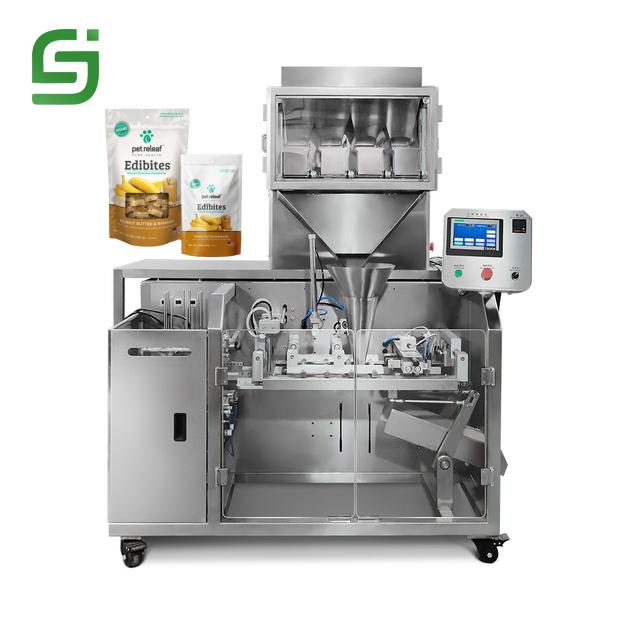
The main advantage of a stand-up pouch packing machine is that it can automate the handling, filling, and top sealing of a premade package that combines shelf presentation with a relatively flexible production format. The benefit is real only when the machine, filler, pouch construction, and changeover plan match the buyer's product range.
A stand-up pouch line is especially relevant when the brand has already chosen a premade flexible pack and needs more consistent filling and closing than a manual process can provide. Powders, granules, snacks, pet foods, confectionery, and many liquids or pastes may use this format, but each product needs a suitable dosing and product-contact solution. The pouch machine is the handling platform; product behavior determines the filler, nozzle, dust control, settling, and cleaning arrangement connected to it.
Begin with the approved product list rather than asking whether the equipment can pack "food" or "liquid" in general. Record dose range, bulk density or viscosity, particle dimensions, dust or splash, product temperature, sensitivity to breakage, and allergen or hygiene boundaries. Then identify which items share enough characteristics to use common contact parts and which require a different filler or dedicated change set. This prevents the apparent flexibility of a pouch platform from becoming an unrealistic promise that one setup will handle every recipe.
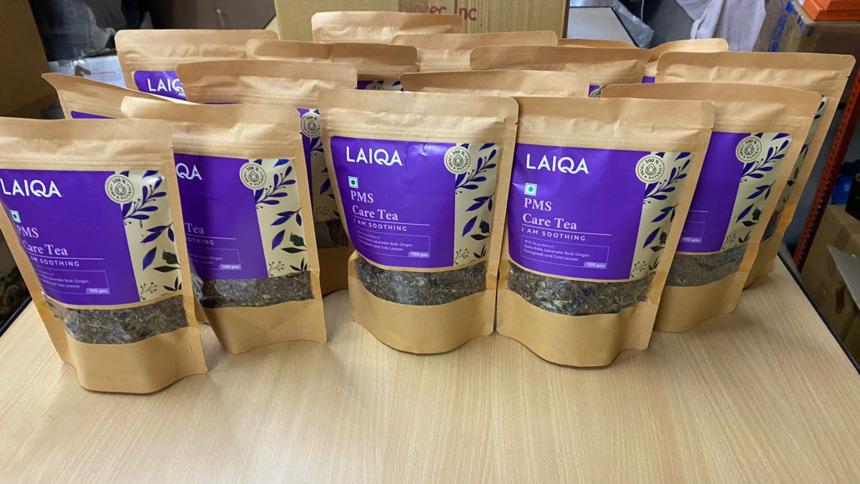
Premade pouches allow a converter to produce the complete bag structure and graphics before it reaches the filling plant. That can support detailed printing, shaped profiles, bottom gussets, tear features, reclosable zippers, hang holes, or other approved elements. The buyer receives a package whose dimensions and appearance are substantially established upstream. For products sold through retail channels, this may simplify the connection between brand design and the filled pack, provided the machine can handle the chosen geometry without marking, skewing, or distorting it.
The advantage comes with a material-control obligation. Pouch width, height, top clearance, stiffness, surface friction, zipper position, curl, and opening behavior affect automated feeding. A visually acceptable bag may still be difficult to separate or present consistently. Establish a controlled drawing, incoming checks, and representative trial lots. Retain approved pouches from the machine test and require an assessment when the converter, laminate, sealant layer, or geometry changes. Stable packaging input protects both appearance and machine uptime.
A practical strength of premade-pouch equipment is the ability to interface with different dosing technologies. A multihead weigher may be considered for many discrete food pieces, an auger for suitable powders, a volumetric cup for certain free-flowing granules, and a pump or piston arrangement for compatible liquids and pastes. These examples are starting points, not automatic selections. The filler must be sized around the actual dose, product condition, accuracy method, refill pattern, and the clearance available at the pouch mouth.
When several products are planned, create a product-to-filler matrix before requesting quotations. Note contact parts, change parts, recipes, cleaning methods, and any upstream supply equipment for each family. Observe how product leaves the filler: long drops can damage fragile pieces, dusty material may contaminate the seal, and a liquid nozzle can drip as the pouch advances. The advantage of a shared pouch platform is strongest when these interfaces are engineered explicitly instead of being left for site commissioning.
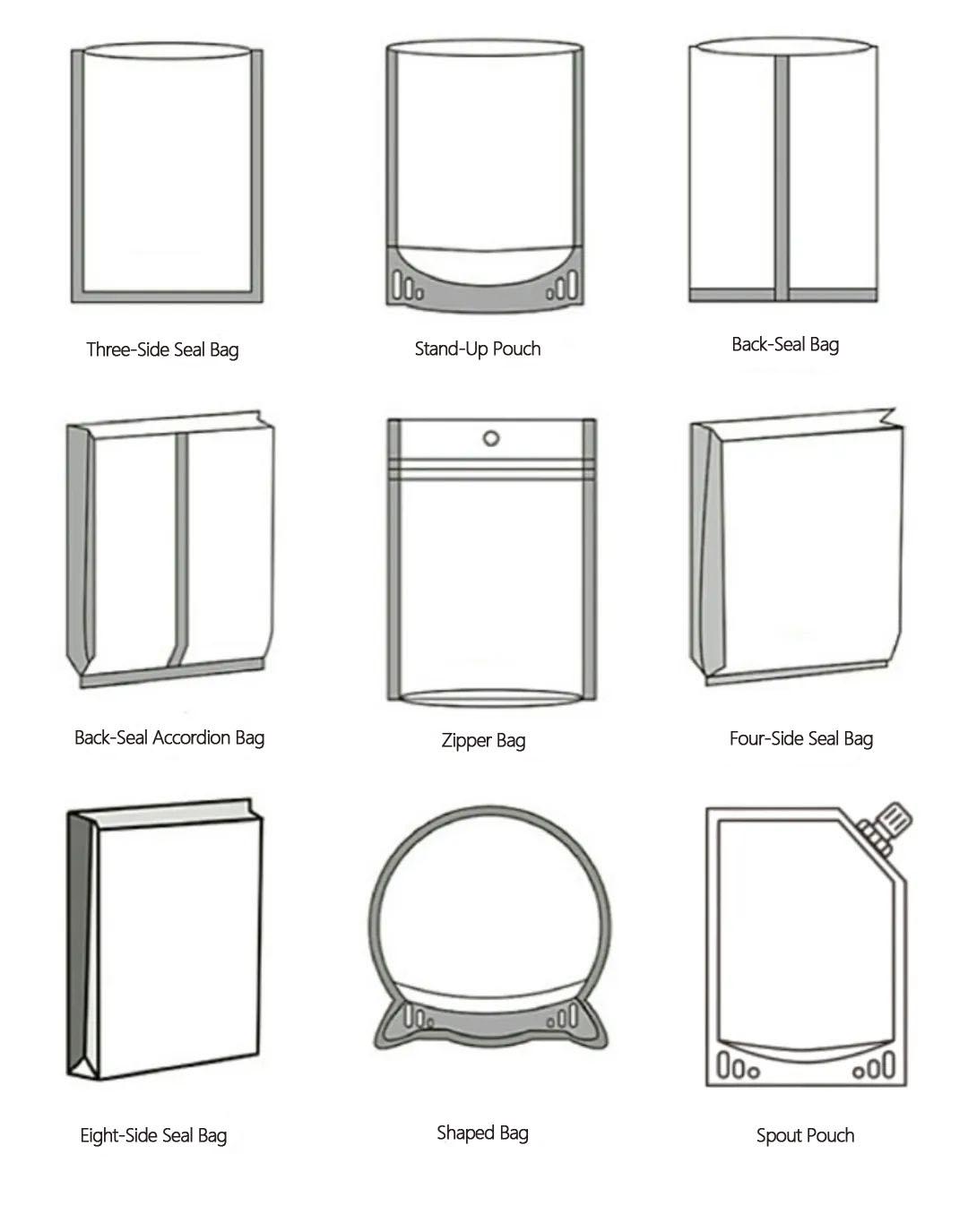
Manual pouch work often includes picking a bag, opening it, holding it under a filler, keeping the top clean, presenting it to a sealer, and moving it to the next check. A stand up pouch packing machine can coordinate these repeated actions through a controlled sequence. Magazine feeding, pickup confirmation, mouth opening, gripper transfer, filling, top preparation, heat sealing, and discharge occur in defined positions. Automation can reduce variation caused by different handling methods, but only when faults such as missed pickup or incomplete opening have a clear response.
The sequence also gives engineers better points for observation. Sensors and alarms can identify a missing pouch, a failed opening event, unavailable product, or a temperature condition, depending on the configuration. The control logic should prevent filling when no valid package is present and define what happens to a pouch after an interrupted cycle. Operators still perform replenishment, inspection, cleaning, changeover, and recovery. The benefit is controlled allocation of those tasks, not the complete removal of people from production.
A rated cycle figure does not show how many packs are ready for sale. The useful output measure deducts pouches lost to feeding faults, fill variation, product in the seal, wrinkles, poor codes, damaged features, and restart events. During trials, count accepted pouches over a defined period and record the product, pouch lot, filler parts, recipe, operator actions, and inspection criteria. A somewhat slower configuration that protects fragile product or produces fewer rejected seals may deliver more usable output for the buyer's application.
Material loss should also be separated by cause. Premade bags already contain graphics and features, so each rejected pouch may carry more value than an unprinted film segment. Conversely, the machine does not need to form the bag from rollstock, which can simplify certain format tasks. Use actual supplier prices, waste observations, and production records when they are available; do not assume that one packaging route always has the lower material cost. The decision depends on format value, order volume, converter terms, and plant performance.
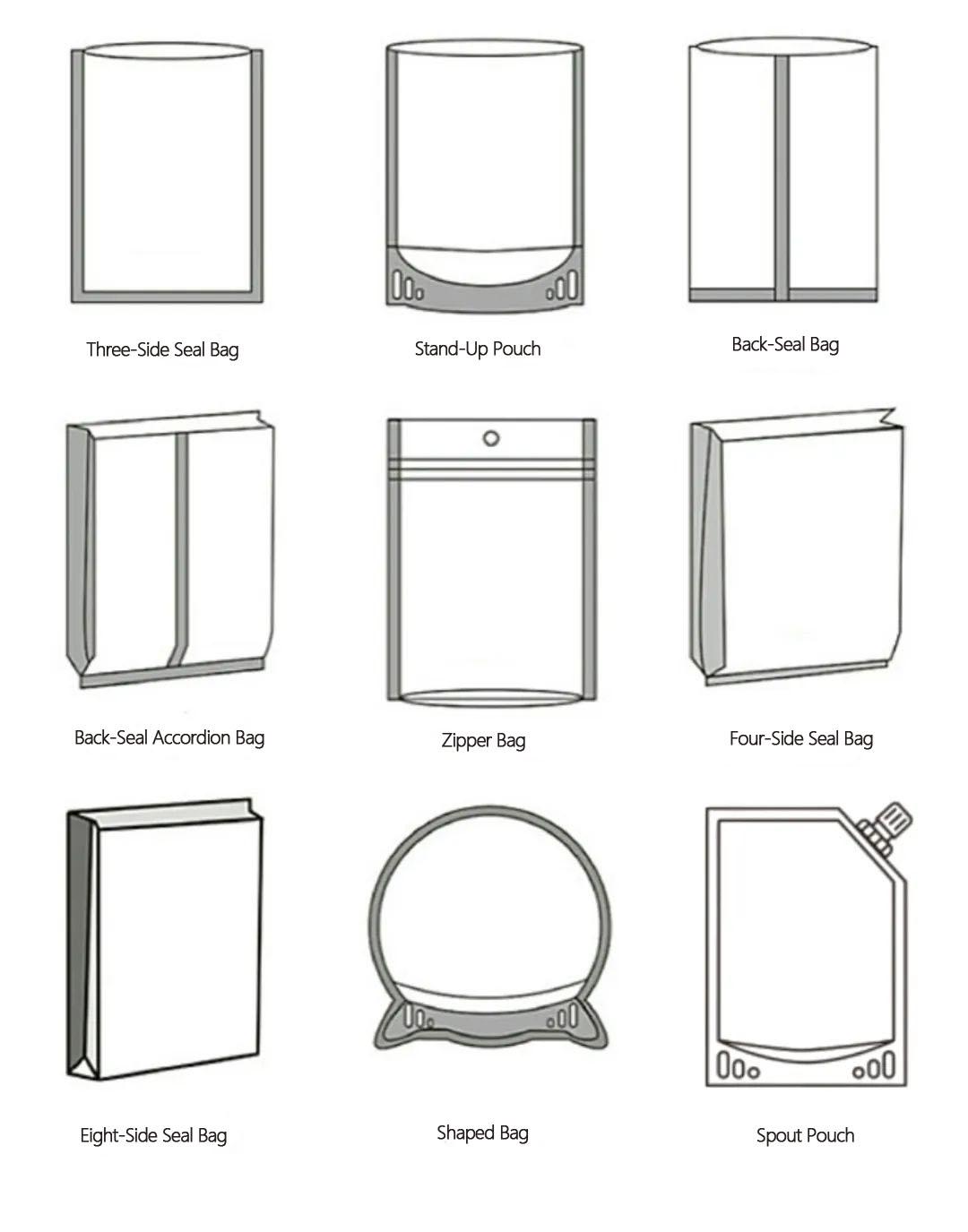
Premade-pouch systems can serve a useful range of sizes, yet every change has physical work. Magazine guides, grippers, opening devices, filling positions, pouch supports, seal settings, coding position, and discharge guides may need adjustment or replacement. Ask the supplier to demonstrate the smallest, largest, and most difficult approved pouch. A single easy format does not prove the whole range. Change parts should be identified, protected in storage, and tied to a setup sheet so that shifts do not rely on memory.
Product changes add cleaning and line-clearance requirements. Powders may remain on ledges, oils can coat hoses, and snack crumbs may reach the sealing area. Witness a changeover from the outgoing production state through cleaning and first-off approval of the incoming item. Record tools, access, draining, disassembly, inspection, reassembly, recipe selection, and verification. The commercial advantage of flexibility should be calculated using this full elapsed work and the planned production schedule, not an adjustment demonstrated on an empty machine.
A filled pouch needs to leave the sealer in a stable orientation and spacing pattern for downstream work. Coding, checkweighing, metal detection where applicable, leak or seal inspection, counting, case packing, and pallet handling may each impose a transfer requirement. Define line direction, elevation, accumulation, reject handling, and communication signals before layout approval. A flexible pouch can topple, slide, or be damaged by a poorly controlled drop, so downstream tests should use filled packs rather than empty samples.
Integration can improve data visibility when events are defined consistently. For example, the pouch machine may stop when downstream equipment is unavailable, while an inspection unit records rejected packs separately from machine faults. Agree on who supplies each sensor, conveyor, guard, and electrical interface. The Doypack packing machine product category is a useful reference for the core pouch platform, but the total automation benefit depends on the filler and connected modules included in the final scope.
The strongest business case compares the current process and proposed line using the same production mix. Include accepted output, staffed tasks, product and pouch waste, cleaning labor, changeover loss, inspection work, maintenance, utilities, floor space, and downstream constraints. Avoid assigning a saving to an activity that will simply move elsewhere. Training, spare parts, validation, installation, and ramp-up should also be visible. The table below turns broad advantages into questions that can be closed by trial or plant data.
| Potential advantage | Evidence to collect | Condition that can limit it | Decision measure |
|---|---|---|---|
| Consistent pouch handling | Fault and intervention log across production lots | Curl, static, doubles, or incomplete opening | Accepted packs and operator touches |
| Format flexibility | Witnessed changes across the planned size range | Many parts, slow setup, or difficult first-off release | Scheduled time from last good pack to next good pack |
| Improved presentation | Retained packs after filling, sealing, and transport | Scuffing, skew, wrinkles, or feature damage | Buyer-approved appearance yield |
| Reduced manual handling | Task observation before and after automation | Frequent replenishment, clearing, or rework | Labor time by defined production task |
| Line connectivity | Integrated run with coding and inspection active | Poor transfer, unmanaged rejects, or blocked discharge | Whole-line accepted output |
Ask every shortlisted supplier to run the same samples and report results in the same format. Document exclusions and open points instead of hiding them inside a total price. A responsible payback estimate uses the buyer's verified costs and production plan; it does not depend on a universal return period. This method also reveals whether a smaller configuration, different filler, or revised pouch specification can meet the need with less complexity.
Does a premade-pouch machine reduce labor automatically? It can automate repeated bag handling, filling, and sealing tasks, but people are still needed for supply, quality checks, cleaning, changeover, fault recovery, and maintenance. Measure the actual task change.
Can the same machine pack powder and liquid products? A pouch platform may interface with different fillers, yet product-contact systems, nozzles, dust or drip control, cleaning, and recipes must be engineered and tested for each approved family.
Are stand-up pouches always less expensive than rigid containers? Cost depends on the pouch, filling line, waste, freight, production volume, secondary packing, and local supply terms. Buyers should calculate their own complete package cost.
What should be tested during a supplier demonstration? Use difficult product and packaging samples, cover the intended size range, and include startup, stable running, replenishment, stop, restart, coding, sealing, and downstream transfer.
Which benefit is most often overstated? Flexibility is easily overstated when change parts, cleaning work, setup verification, and product-specific filler limits are omitted from the comparison.
A stand-up pouch machine can bring together strong package presentation, repeatable pouch handling, suitable dosing technology, and connected inspection in one production sequence. Its value is highest when the brand already needs premade flexible formats and when the planned products fit a clearly demonstrated equipment range.
Turn every expected advantage into a measurable trial item before purchase. Count accepted pouches, observe operator work, witness changeovers, inspect finished packs, and test downstream transfer. With those facts, the buyer can distinguish genuine operating value from attractive but unsupported claims and select a configuration that fits the actual production mix.

YISEN MACHINERY - The ONE-STOP VFFS PACKING MACHINE SOLUTION SUPPLIER
 Tel: +8617350750975
 Email: info@vffspackingmachinery.com
 MP/WhatsApp: +8617350750975
 Manufacturer Address:Meixi Road, Tongan District, Xiamen,Fujian,China