

Hot Keyword:
Author:YISEN Pouch Packing Machine Manufacturer TIME:2024-08-20
The practical advantages of pouch packing appear only when the filler, film, seal process, and cleaning plan are matched to mustard oil as a real product. Buyers should judge the line by measured giveaway, seal integrity, changeover effort, operator exposure, and saleable output rather than by headline speed alone.
Mustard oil is a free-flowing liquid, but its aroma, color, temperature, and tendency to leave a thin oily film create specific packaging demands. A suitable line can reduce manual contact, form consistent retail packs, and make production records easier to manage. Those benefits are not automatic. They depend on stable dosing, controlled cut-off at the nozzle, compatible pouch material, and a sealing station that stays clean during the run. The following evaluation explains where the commercial gains come from, what evidence should be requested, and how a processor can separate a useful improvement from an attractive but poorly matched machine.
The strongest productivity benefit is a higher number of acceptable pouches per shift, not simply more sealing cycles per minute. A line may run quickly yet lose output through underweight rejects, oily seals, film tracking stops, or frequent nozzle cleaning. During a trial, record total cycles, accepted packs, planned stops, unplanned stops, and rework. This separates mechanical speed from the output that can actually be shipped.
Compare the proposed line with the present process using the same pouch size, oil temperature, operators, and inspection rules. Include the time required to load film, replenish product, clear a fault, and change a batch. A realistic comparison often reveals value in steadier operation and fewer interruptions even when the nominal speed increase looks modest. It also gives management a defensible basis for labor and capacity planning.
Automated dosing can improve repeatability because the same metering method and timing are applied to every cycle. The actual result depends on the pump or dosing device, product temperature, head pressure, air in the feed line, and the cut-off response at the nozzle. Mustard oil viscosity can shift with temperature, so a setting established at startup should be checked again after the product and machine reach normal operating conditions.
Use a scale capable of resolving the tolerance that matters to the business. Weigh a consecutive sample rather than selecting only attractive packs, then calculate average fill, range, and the number outside the agreed limit. A process centered too far above the declared quantity creates invisible giveaway; one centered too low creates compliance and customer risks. Repeatable data allows the target to be adjusted without guessing.
| Decision area | Evidence to collect | Useful acceptance point |
|---|---|---|
| Fill consistency | Consecutive pouch weights at stable oil temperature | Results remain within the buyer's documented tolerance |
| Seal quality | Leak, peel, and visual checks after handling | No channel leaks or oil-contaminated seal bands |
| Net output | Accepted pouches during a timed trial | Target shift demand is met after normal stops |
| Changeover | Observed drain, clean, setup, and restart time | Procedure fits the production schedule and staffing |
| Film use | Pitch setting, trim, startup waste, and rejects | Consumption agrees with the approved pack specification |
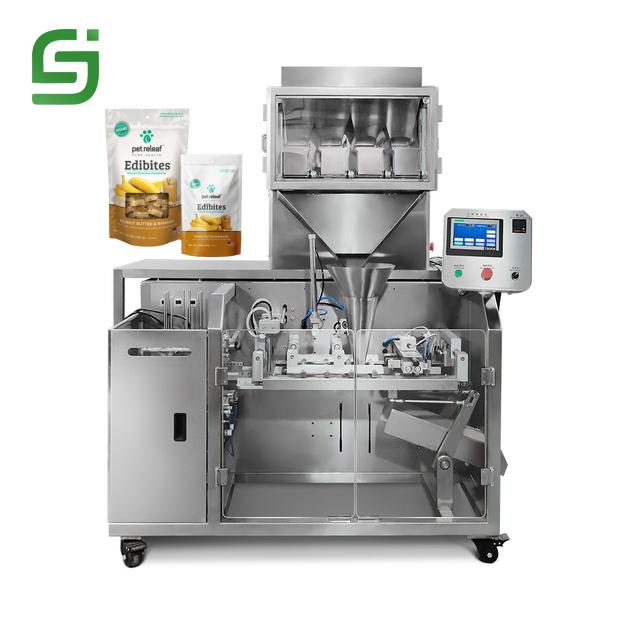
A closed or covered product path limits the number of points where operators must pour, scoop, or hold an open pouch. This can reduce splashes and incidental contact while making responsibilities easier to define. It does not replace sanitation controls. The hopper, tubing, pump, valves, and nozzle still need materials suitable for edible oil and surfaces that can be inspected after cleaning.
Ask the supplier to identify every product-contact component and explain how each part is drained and accessed. Blind pockets, long flexible hoses, and fittings that trap residue can turn a labor-saving machine into a difficult cleaning task. A useful trial includes disassembly by the people who will perform routine sanitation. Their observations on tool use, lifting, visibility, and reassembly are operational evidence that a catalogue cannot provide.
Pouch integrity is one of the most valuable advantages because a clean, stable seal reduces leaks during cartoning, transport, and retail handling. Mustard oil on the seal band can prevent the layers from bonding evenly. The filling nozzle therefore needs a controlled end to each dose, sufficient clearance from the pouch walls, and timing that lets strings or droplets fall before the sealing jaws close.
Seal temperature, pressure, and dwell must suit the actual laminate at the planned speed. Request trials with production film, not an unspecified sample roll. Inspect the full seal width for wrinkles, channels, burns, and trapped oil, then perform the buyer's agreed leak or peel test after pouches have cooled. Testing after handling is important because a seal that looks acceptable at discharge may fail when flexed or stacked.
Automation can move operators away from repetitive filling, pouch holding, and manual heat sealing. The remaining work shifts toward replenishment, inspection, recordkeeping, fault response, and sanitation. That change can improve consistency and ergonomics when controls and access points are arranged for the actual workforce. It can also create bottlenecks if one person must frequently climb, lift heavy film rolls, or reach across guarded areas.
Map the work over a full operating cycle. Note who supplies empty packaging, who monitors weights, who removes finished packs, and who responds when a pouch is misfed. Include downstream accumulation and case packing. Labor savings should be based on a complete cell rather than the filler alone. A balanced cell may deliver more dependable output than a faster machine that continually waits for upstream product or downstream removal.
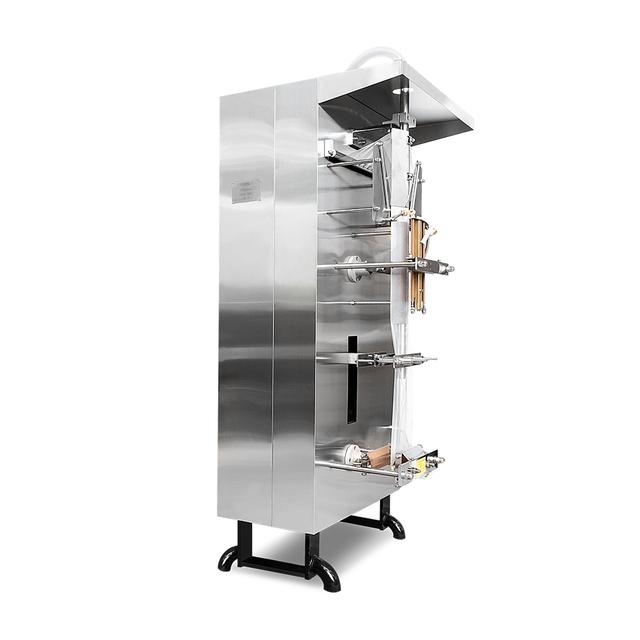
A well-set system can hold pouch length, registration, and sealing position consistently. That supports a uniform shelf appearance and makes film consumption easier to forecast. The material benefit depends on correct tension, tracking, photo-eye response, and recipe control. Startup scrap, splice losses, damaged print, leaking rejects, and excessive trim must all be counted before claiming a reduction in packaging cost.
Printed laminate should be reviewed for sealant layer, barrier need, thickness tolerance, coefficient of friction, roll direction, registration mark, and ink resistance. Mustard oil can reveal weak compatibility through staining, odor transfer, delamination, or seal changes over storage. Obtain written compatibility information from the film supplier and conduct filled-pack storage checks under the temperatures and handling conditions expected in distribution.
Recipe-based settings can shorten setup when several pouch sizes or fill quantities are produced, but saved parameters are only part of a repeatable changeover. Mechanical guides, forming parts, nozzle position, pump calibration, coding location, and seal settings may still require verification. A documented first-off approval prevents a remembered recipe from being mistaken for a proven setup after maintenance or material changes.
Production records can connect batch identification, date coding, fill checks, seal checks, and downtime reasons to a specific run. The machine does not create traceability by itself; it provides points where reliable data can be captured. Define which values are recorded automatically, which are entered by an operator, how access is controlled, and how records are retrieved. This makes the information useful during customer complaints or internal investigations.
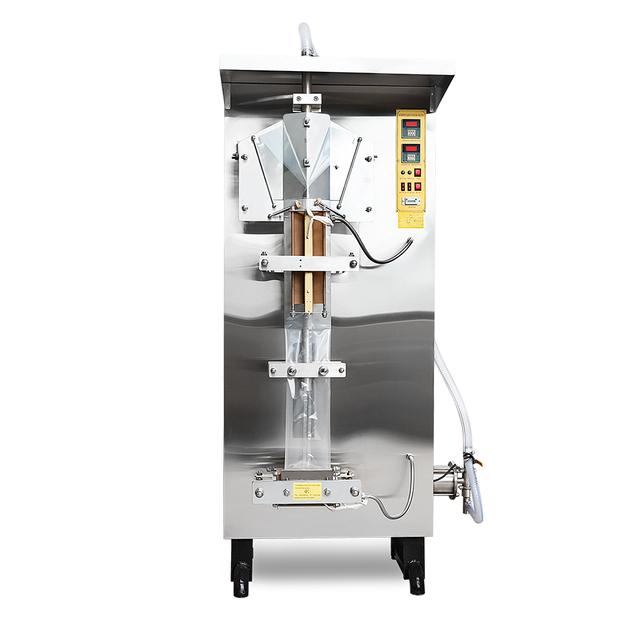
The investment case should include the filler, packaging section, conveyors, coding, inspection, utilities, installation, guarding, spare parts, training, and any building changes. Operating costs include film, electricity, compressed air, wear parts, cleaning time, calibration, and technical support. A low purchase price can lose its appeal if proprietary parts have long lead times or the line requires more operators than expected.
For processors comparing configurations, the liquid packaging machine range is a useful starting point for discussing pouch format, dosing method, and integration scope. The final selection should follow a witnessed product trial and a written acceptance plan. Use conservative assumptions for labor reduction and output, then test payback under lower volume, higher film cost, and additional maintenance. A project that remains sensible under those conditions is easier to approve and operate responsibly.
Does automation always reduce mustard oil giveaway? No. It can improve dosing repeatability, but the average must still be centered with verified scale data. Oil temperature, feed pressure, air in the line, nozzle behavior, and calibration can all move the result. Use consecutive samples at normal production conditions and adjust only after the process is stable.
Which test best reveals a sealing problem? No single test covers every failure mode. Combine visual inspection of the entire seal band with an agreed leak or peel method and handling that represents cartoning and transport. Repeat the checks after changing film lots, speed, temperature, or jaw settings.
Can one line run several pouch sizes? Often yes, within the machine's specified range, but change parts and adjustment time vary. Ask for a demonstrated changeover between the smallest and largest planned packs, including forming parts, code position, fill calibration, and the first accepted pouch.
What should be supplied for a meaningful trial? Provide production mustard oil, representative film, target fill values, dimensional drawings, coding requirements, and written acceptance limits. State the expected oil temperature and feed arrangement. Enough material should be available for the machine to reach stable running conditions rather than producing only a few display samples.
How should spare parts be evaluated? Request a list divided into startup spares, routine wear parts, and critical components. Record part numbers, expected service intervals, prices, stock location, and normal lead times. Confirm whether common seals, sensors, and electrical items can be sourced locally without changing the validated setup.
The main advantages of mustard oil pouch automation are measurable consistency, less open handling, controlled seals, more predictable packaging use, and better production visibility. Each advantage must be demonstrated with the buyer's oil, laminate, pouch sizes, and inspection methods. A timed trial should report accepted output, weight variation, seal performance, waste, cleaning effort, and changeover work. When those results are tied to a complete cost model and a clear support plan, the processor can judge the investment on evidence instead of catalogue claims.

YISEN MACHINERY - The ONE-STOP VFFS PACKING MACHINE SOLUTION SUPPLIER
 Tel: +8617350750975
 Email: info@vffspackingmachinery.com
 MP/WhatsApp: +8617350750975
 Manufacturer Address:Meixi Road, Tongan District, Xiamen,Fujian,China