

Hot Keyword:
Author:YISEN Pouch Packing Machine Manufacturer TIME:2024-08-30
The best selection process maps product damage risk, flow, piece size, seasoning, target dose, and package atmosphere to a complete line. Buyers can then test the difficult combinations and decide whether one configuration covers the portfolio or whether separate product groups require dedicated parts. This approach protects sellable yield and avoids solving every problem by slowing the machine after installation.
A snack pouch machine should be chosen from the physical behavior of each product, not from the word "snack." Fragile chips, dense nuts, sticky dried fruit, wrapped candy, and mixed pieces can need different weighing, transfer, pouch support, seal protection, and cleaning arrangements even when their retail bags look similar.
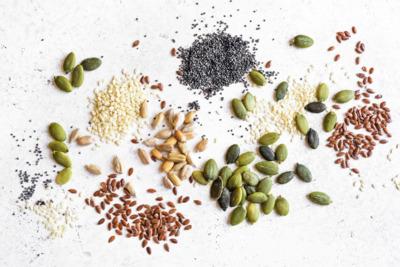
Group products using observable handling properties. Thin chips and puffed pieces may break under vibration, long drops, or aggressive gates. Nuts and seeds are denser and may flow readily, but small fragments or seasoning can migrate. Dried fruit can bridge or cling when surface moisture changes. Wrapped confectionery may tangle or present broad, light pieces that do not settle uniformly. Mixed snacks add a composition question: the final pouch must receive the intended balance of components rather than only the correct total weight.
For each family, record piece dimensions, bulk density, breakage baseline, surface oil, dust or seasoning, static, temperature sensitivity, and normal variation by supplier or season. Define what counts as damage and how it will be sampled. A few broken pieces already present in incoming product should not automatically be attributed to the line. Collect incoming, post-feeder, post-filler, and finished-pack samples during trials so the location of added damage can be identified.
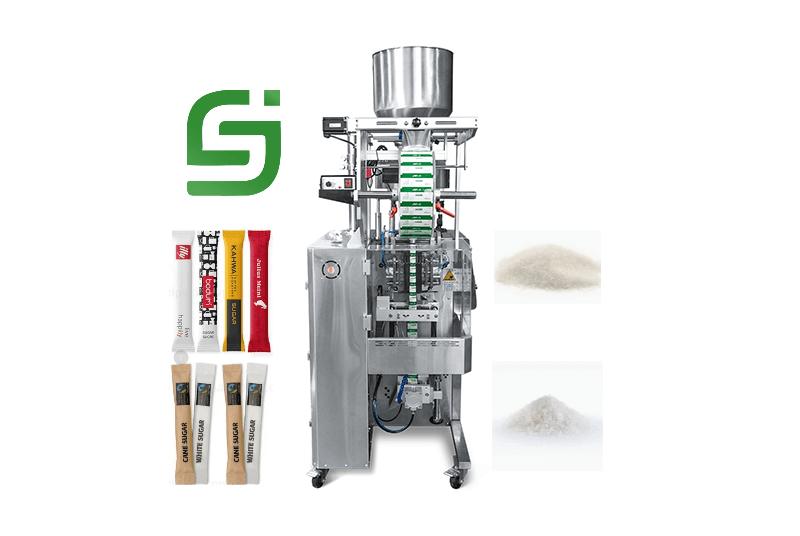
Many discrete snacks are evaluated with weighing systems because individual feed channels can distribute product into combinations for a target dose. Suitability still depends on piece movement, adhesion, fragility, dose, and the number of components. Vibratory settings that move dense nuts may damage chips or fail to advance sticky fruit evenly. Volumetric cups may suit some consistent free-flowing products, while mixed items can require coordinated feeds. Supplier selection should follow product trials rather than a default filler name.
Observe the route from bulk supply through distribution and dosing. Product depth on feeders, refill timing, hopper surfaces, gate motion, and accumulation can affect both accuracy and quality. For a mixture, sample composition through a run and around replenishment events. Record the exact feeder surfaces, liners, gate type, settings, and product condition. A dosing result is meaningful only when the product reaches the filler in a repeatable state and the measurement method accounts for bag tare and sampling frequency.
After dosing, snacks travel through a chute or funnel into the pouch. Every impact and direction change can create fragments, remove seasoning, or slow awkward pieces. Review the vertical distance from the weigher to the bag, chute angles, joints, sharp transitions, and the way the product column enters the opening. A lower machine layout, gentle surfaces, timing hopper, or product support may help particular applications, but each addition should be justified by a witnessed comparison.
Pack-machine timing should allow the full dose to clear before the pouch moves or the seal cycle begins. Light pieces can remain in a chute, while long pieces may bridge at a narrow outlet. Inspect for product trapped between forming parts or bag guides. Run the hardest shape at realistic supply levels and include brief stops. The goal is not zero natural breakage; it is to keep additional line damage within the buyer's written acceptance method without repeated manual clearing.
Snack bags are often sized for product protection and presentation rather than dense filling. Measure actual loose volume and how pieces settle during handling. A narrow package may look efficient yet create bridging at the opening or force fragile pieces against the sealing area. A larger bag can provide cushioning and gas space, but it affects case count, film use, and shelf appearance. Final dimensions should come from filled samples and distribution tests, not from weight alone.
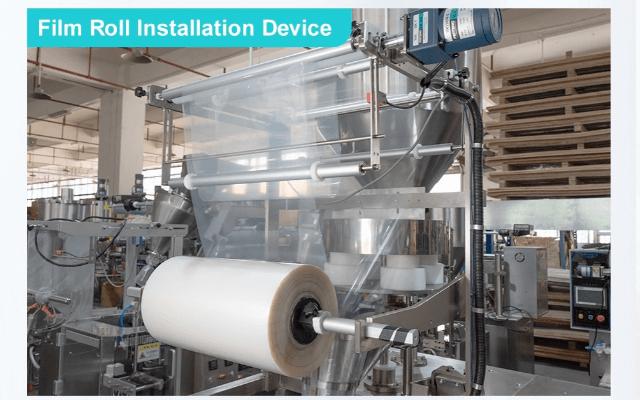
For rollstock, confirm forming-tube clearance, film tracking, registration, and seal overlap for each bag width and length. With premade pouches, check mouth opening, gusset expansion, zipper or feature position, and support during filling. Use production material because stiffness, friction, and sealant response influence machine behavior. Test both the smallest and largest formats with the snack assigned to them; an empty bag run does not reveal product-level interference or the way a full pack exits the sealer.
Some snack projects include gas flushing to support an approved package-atmosphere strategy or provide cushioning. The packaging machine can introduce gas through a defined arrangement, but product shelf life depends on the food, barrier material, seal integrity, residual atmosphere, storage, and distribution conditions. Those outcomes require buyer validation. Specify the gas source, quality requirements, flow-control method, measurement point, and how pouches are sampled without turning a machine option into a shelf-life guarantee.
Gas use can interact with bag volume, product movement, sealing, extraction, and plant ventilation. Observe whether the flow disturbs light pieces or seasoning and whether the pouch retains the intended shape through discharge. If residual oxygen or another measure is part of release, define the instrument, sample timing, and acceptance criteria. A machine trial should demonstrate repeatable operation of the installed system; the brand owner remains responsible for validating the packaged product under intended conditions.
Crumbs and flavor powder can fall after the main dose and enter the cross-seal area. Timing, chute clearance, settling, static control, and local extraction may all influence this risk. Examine the seal region throughout a consecutive run, not only on selected good bags. Frequent jaw cleaning is a symptom to quantify. If product is pinched in seals, determine whether the cause is delayed falling material, overfill, insufficient bag length, unstable film, or a poorly matched outlet before changing heat settings.
Seal temperature, pressure, dwell, alignment, and cooling need an approved material window. Seasoning on the outside can also affect code legibility or downstream belts. Establish pack checks for appearance, weight, seal condition, code, and buyer-defined leakage testing. Reject handling should keep failed bags and loose snack away from accepted output. The machine's job is to create a controlled closing process; food quality approval requires the complete package and inspection plan.
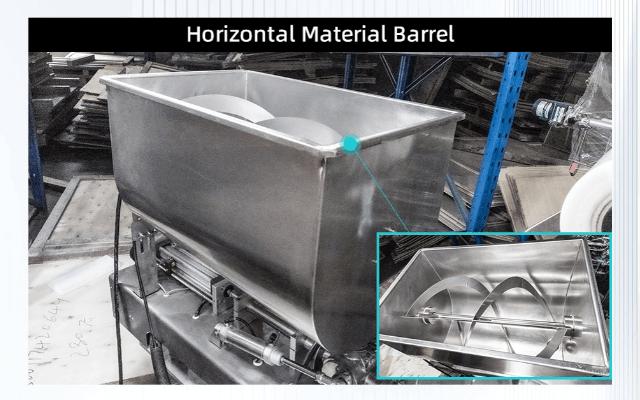
Flavor changes can leave seasoning in feeder pans, weigh hoppers, chutes, forming parts, guards, and ledges. Oil-coated crumbs may adhere where dry powder would fall away. Review access with the final line elevation and platforms installed. The cleaning study should include product removal, disassembly, approved methods, inspection, drying where relevant, reassembly, and line clearance. If allergens are present, the buyer's validated controls determine the required boundary and verification.
Changeover planning also protects product identity. Bags, labels, code data, recipes, and rework should be cleared or reconciled before the next item starts. Distinct change parts need clear identification and protected storage. Witness a difficult flavor or product transition rather than timing only a pouch-size adjustment on an empty line. Usable flexibility is the ability to release the next approved snack correctly, not simply the time needed to move guides.
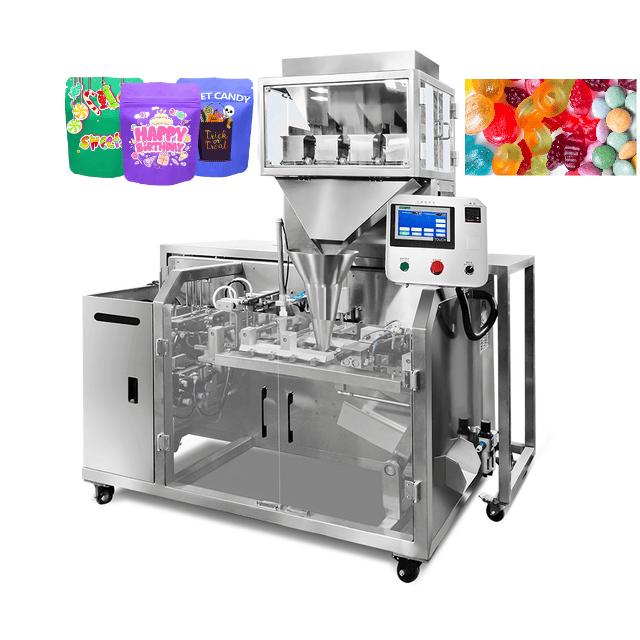
The granular packing machine range provides a starting reference for snack applications. Final configuration should be based on the portfolio's boundary products and a consistent evidence sheet. Give suppliers enough material for stable running, refill, stop, and restart, and identify all samples by condition.
| Snack challenge | Trial focus | Finished-pack evidence | Selection implication |
|---|---|---|---|
| Fragile chips or puffs | Feeder energy, gates, drop path, and pouch entry | Added breakage compared with incoming sample | Gentler handling geometry or operating recipe |
| Dense nuts or seeds | Refill stability, dosing, bag support, and seal timing | Sequential weights and clean closures | Filler range and support sized for the load |
| Sticky dried fruit | Adhesion, bridging, surface finish, and clearing | Stable composition without repeated intervention | Special contact surfaces or feed arrangement |
| Seasoned products | Dust migration, code area, jaws, and sanitation | Acceptable seals and controlled residue | Extraction, cleaning access, and timing controls |
| Mixed components | Separate supply, coordinated dosing, and segregation | Pack composition assessed by an agreed method | Multi-stream filling and replenishment plan |
Compare accepted pouches, product damage, giveaway or underfill findings, operator interventions, cleaning work, and change parts. Keep any untested product outside the approved range until evidence is available. This protects the buyer from paying for theoretical flexibility and gives production a clear recipe-and-parts list for every item that enters the schedule.
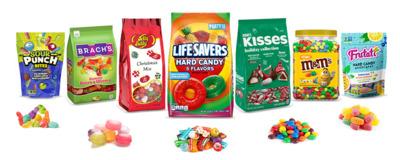
Can one machine pack chips, nuts, and candy? A common pouch platform may be possible, but fillers, chutes, settings, cleaning, and damage controls must be demonstrated for each product group.
What is the hardest snack to test? Choose the item with the greatest breakage, adhesion, seasoning, shape, or composition risk rather than assuming the highest weight is most difficult.
Does gas flushing guarantee shelf life? No. The machine can operate an installed gas system, while shelf-life approval depends on product, barrier, seals, atmosphere measurement, storage, and validation by the responsible company.
Why inspect products before and after each transfer stage? Stage samples help identify where new damage occurs, preventing unrelated machine adjustments and making corrective work more precise.
How should speed be compared? Use accepted, correctly filled and sealed bags under a stated product condition. Include breakage, interventions, replenishment, rejects, and downstream availability.
Snack packaging selection starts with the material's journey through supply, dosing, transfer, bag entry, sealing, and cleaning. Fragility, density, adhesion, seasoning, piece shape, and atmosphere needs change what a successful configuration looks like. A machine family alone cannot answer those differences.
Group the portfolio by handling risk, test the boundary products with production packaging, and retain sequential evidence from incoming snack to finished pouch. The chosen system should be the one that protects sellable quality across planned operating states and makes each product change controllable for operators.

YISEN MACHINERY - The ONE-STOP VFFS PACKING MACHINE SOLUTION SUPPLIER
 Tel: +8617350750975
 Email: info@vffspackingmachinery.com
 MP/WhatsApp: +8617350750975
 Manufacturer Address:Meixi Road, Tongan District, Xiamen,Fujian,China