

Hot Keyword:
Author:YISEN Pouch Packing Machine Manufacturer TIME:2024-09-27
Choose a detergent powder packing machine by matching the formula's flow and dust behavior to the filler, then verifying package material, seal protection, cleanability, corrosion exposure, changeover, and accepted production output. Detergent is not a single easy powder: density, granule content, perfume, moisture sensitivity, and abrasiveness can differ by recipe. A sound purchase specification uses representative product and commercial film, states the plant environment, and requires evidence through refilling and cleaning.
Begin with bulk density, particle-size range, dust, flow, moisture response, electrostatic tendency, abrasiveness, fragrance or oil content, and any granules mixed into the base powder. Note whether the product bridges, floods, segregates, or compacts in current handling. Include expected batch variation and the condition at the packaging hopper.
Describe how detergent is delivered from blending or storage. Screw conveying, pneumatic transfer, gravity supply, and manual tipping can change aeration and density. The packaging filler needs a stable feed, so the upstream method is part of machine selection. State whether the line handles one recipe or frequent changes among colors, scents, or concentrated products.
Provide a meaningful sample quantity for testing. A small container may not reproduce refill, product head, dust accumulation, or segregation. If the supplier cannot use the final production material, list the missing evidence and arrange a later qualification.
Auger fillers can suit many powders because controlled screw movement meters product, but screw geometry, tube, agitation, and drive range must match the formula and dose. Weighing may be considered for suitable granular detergents or blends, provided feed control and dust are manageable. Volumetric methods require careful attention to density stability.
Evaluate the smallest and largest commercial packs. Low doses challenge resolution; large doses challenge chamber volume and fill time. A machine that reaches both target values may still be inefficient or unstable at one end. Ask what physical change parts or alternate fillers are included in the proposed range.
The detergent powder packing machine should interlock filling with valid bag presentation. Check the no-bag/no-fill function, low-product response, hopper refill sequence, and the way rejected or interrupted doses are handled. These controls prevent product loss and questionable packs.
Detergent dust can coat sensors, contaminate sealing faces, enter cabinets, increase housekeeping, and expose workers. The first defense is a controlled product route with limited free fall. A close-fitting fill tube, suitable hopper closure, and coordinated extraction can reduce escape. Extraction must not remove an uncontrolled amount from the dose.
Review the complete machine environment with the plant's safety team. Product safety data and site risk assessment determine required controls; a generic food-powder configuration may not be appropriate. Electrical enclosures, cable entries, ventilation, and cleaning methods need to suit the actual dust exposure.
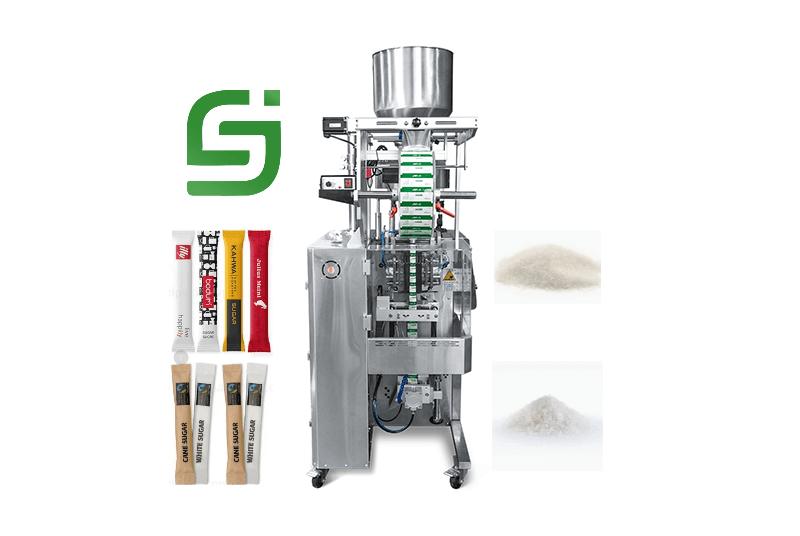
Ask how dust collection is inspected and cleaned. Filters and ducts that are difficult to reach can shift rather than solve the maintenance burden. Alarm and interlock behavior should be defined for loss of extraction where that system is necessary for operation.
The product owner and packaging supplier should define moisture barrier, chemical compatibility, strength, puncture resistance, sealant layer, print, and distribution requirements. Household detergent may be sold in small sachets, pillow bags, gusseted bags, or premade pouches; each format uses different handling and forming equipment.
Provide the intended film or pouch during trials. Rollstock must track, form, register, and seal on the proposed line. Premade pouches must separate, open, grip, fill, and close. Surface additives and dust can affect material behavior. A substitute of the same nominal thickness is not necessarily equivalent.
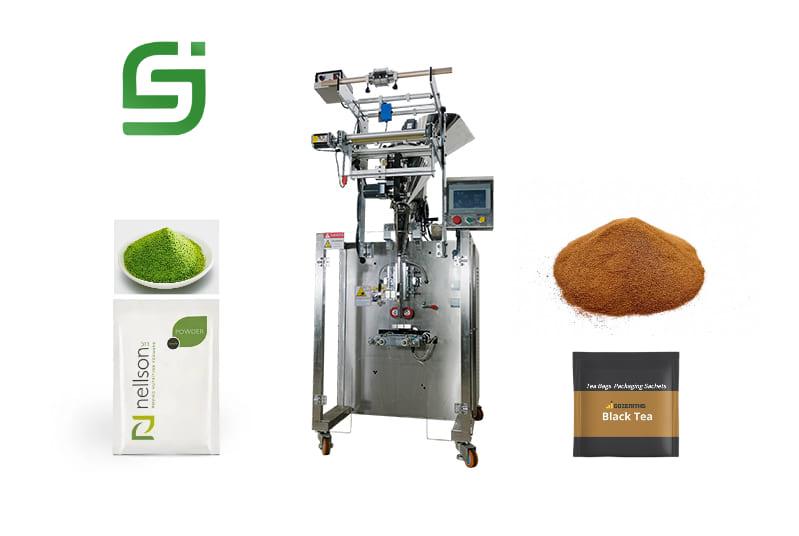
Filled package volume is linked to powder density. Confirm bag dimensions using production-like product and allow adequate headspace. Large bags may need support during filling and discharge so their weight does not stress the hot seal.
Fine detergent across a heat-seal band can create channels or weak areas. The solution begins at filling: stabilize the bag, control the stream, limit dust, provide enough settling time, and keep the dose clear before the jaws close. Increasing heat cannot reliably compensate for product trapped between sealant layers.
Qualify temperature, pressure, dwell, and cooling with the intended material. Inspect longitudinal and transverse seals on formed bags, or the top closure on premade pouches. Consider bag weight and downstream handling when testing integrity. The producer should define its leak or strength method and sampling plan.
Coding must remain readable on the chosen material and should not distort a seal. Agree on response to coder faults. A package that lacks required traceability should not pass into accepted output simply because it is mechanically closed.
Detergent formulations and cleaning agents can affect product-contact materials, seals, and finishes. Abrasive particles may increase wear in screws, tubes, gates, and bends. Perfumes or colored ingredients can remain on surfaces and carry into the next product. Request a compatibility review based on the actual formula rather than a broad material claim.
Inspect access to the hopper, agitator, filler, transfer tubes, forming area, guards, and frame ledges. Removable assemblies should have a safe handling and reassembly method. If wet cleaning is planned, confirm where water can be used, how components drain and dry, and how electrical areas are protected.
| Buying decision | Information the buyer supplies | What the test should show |
|---|---|---|
| Filler configuration | Density range, flow, dose, and product samples | Stable ordered quantities through normal refill |
| Dust control | Safety assessment and housekeeping expectations | Controlled escape without disturbing the dose |
| Package system | Commercial material, sizes, and barrier need | Reliable handling, clean seals, and acceptable appearance |
| Changeover | Recipe sequence and carryover limits | Accessible removal, documented setup, and clean restart |
| Line output | Shift demand and downstream interfaces | Accepted packs after routine stops and replenishment |
Convert sales demand into required accepted packs per shift, allowing for planned changeovers, cleaning, material replenishment, quality sampling, and normal rejects. Nominal cycle rate is only one input. The filler may limit the process on large doses, while film handling or sealing may control another format.
Map the upstream supply and downstream route. Include buffer capacity, checkweighing or other inspection selected by the producer, rejected-pack handling, conveyors, and case packing. Define the stop signals exchanged between machines so a downstream interruption does not create spilled product or bags trapped in the sealing area.
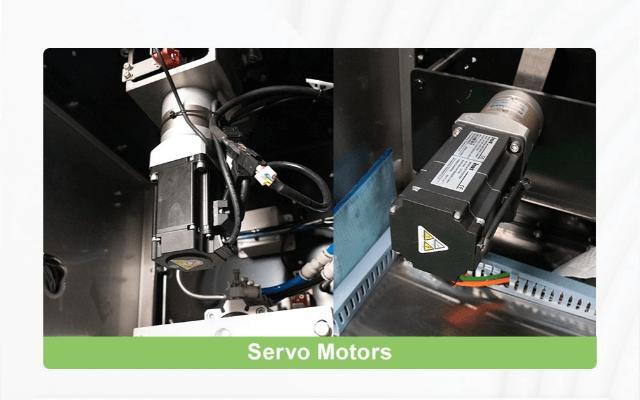
Leave service space around doors, panels, fillers, and extraction equipment. Determine how operators load film, remove components, clean, and recover routine faults. Floor space saved at purchase can become lost availability if technicians cannot reach wear points.
Choose test products and packs that represent low density, difficult flow, greatest dust, smallest dose, largest volume, and demanding material. Use the planned supply arrangement as closely as practical. Agree on quantity sampling, package inspection, reject counting, and acceptable operator interventions before the run.
Observe startup, hopper replenishment, continuous production, stop, and restart. Review fill results in sequence, not only a reported average. Inspect dust, product segregation, seal cleanliness, coding, bag shape, and discharge. Conduct a representative format or recipe change and inspect the equipment afterward.
Record all substitutions and open points. The purchase document should include the approved product-pack matrix, utilities, line interfaces, exclusions, spares, training, manuals, and responsibility for site safety and product validation. Clear evidence is more valuable than unsupported promises of universal powder capability.
Ask maintenance staff to join the technical review before the order is finalized. They can check access to auger drives, hopper seals, heaters, sensors, extraction filters, and format components, and they can compare those tasks with local skills and spare-part practices. A configuration that performs well in a demonstration but requires inaccessible routine service can lose the availability that justified automation.
Review training in the quotation as a deliverable with named products and formats. Operators should practice refill, roll or pouch replenishment, first-off approval, and routine alarm recovery, while technicians need filler setup, sealing checks, utilities, and alignment references.
Confirm that the quoted documentation identifies every product-contact material and routine wear item. This makes formula-compatibility review and future spare ordering possible without relying on visual guesses.
Is an auger always the best filler for detergent?
It is common for many powders, but the best method depends on formula, dose range, density stability, dust, and required changeover. Trial the proposed configuration.
Can one line run both powder and detergent granules?
Potentially, with suitable filling arrangements and cleaning. The product matrix should identify which components and recipes apply to each form.
How should dust extraction be selected?
Base it on product behavior and the site's safety assessment, then verify capture at the filling point without removing saleable product or disturbing film.
Why test the commercial film?
Its stiffness, friction, sealant, barrier, print registration, and response to powder contamination determine real package performance.
What output figure should be written into acceptance?
Use accepted finished packs under named product, size, and test conditions, with normal rejects and interventions recorded separately.
A detergent line should be selected as a powder-handling and packaging system, not as an isolated bag maker. Characterize the formula, stabilize dosing, contain dust, qualify the package, protect seals, and confirm cleaning and line flow. When suppliers test the same demanding products under an agreed acceptance plan, the buyer can compare configurations on usable evidence and choose equipment that fits daily production.

YISEN MACHINERY - The ONE-STOP VFFS PACKING MACHINE SOLUTION SUPPLIER
 Tel: +8617350750975
 Email: info@vffspackingmachinery.com
 MP/WhatsApp: +8617350750975
 Manufacturer Address:Meixi Road, Tongan District, Xiamen,Fujian,China