

Hot Keyword:
Author:YISEN Pouch Packing Machine Manufacturer TIME:2024-10-12
No bag style is correct for every detergent. The package must contain dust or liquid, close reliably despite product near the seal, survive distribution, and run within the machine's format range. Start with product and use conditions, then select the bag.
Detergent packing machines commonly use small sachets, pillow bags, gusseted bags, reinforced larger bags, and premade stand-up pouches. The usual choice depends on whether the detergent is powder, granules, tablets, or liquid; the target quantity; moisture and chemical resistance; retail presentation; and whether the line forms bags from rollstock or fills premade packs.
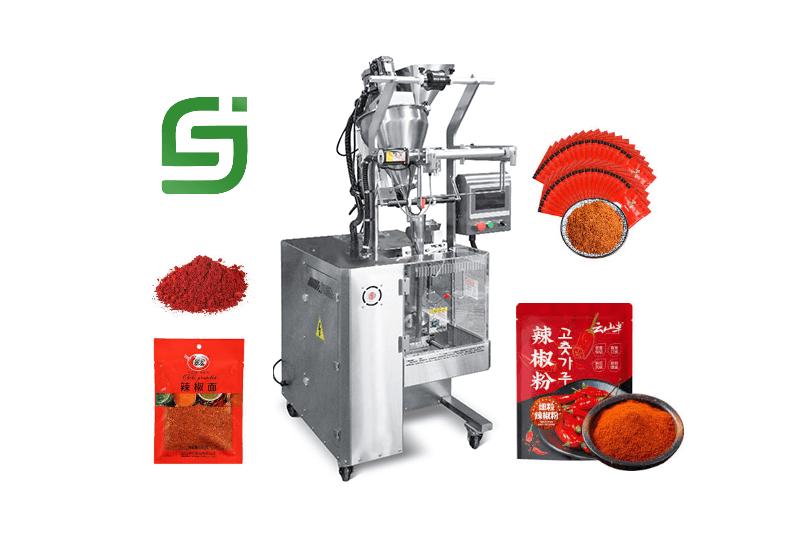
Powder detergent may be dusty, hygroscopic, abrasive, or prone to settling. Granular blends can separate during vibration. Liquid detergent varies in viscosity and can drip at nozzle cutoff. Tablets and unit-dose products need counting or gentle placement rather than bulk dosing. These behaviors determine filler, bag opening, seal protection, and package strength.
Document particle distribution, bulk density, moisture sensitivity, dust level, chemical compatibility, and target fill for dry products. For liquids, record viscosity and temperature range, foaming, particles, and required contact materials. For discrete units, define dimensions, count, fragility, and any orientation requirement.
Detergent formulations can interact with packaging materials, inks, adhesives, and seal layers. The packaging supplier and qualified product team should establish compatibility and required barrier through testing. A machine supplier can confirm runnability but should not be the sole source for shelf-life decisions.
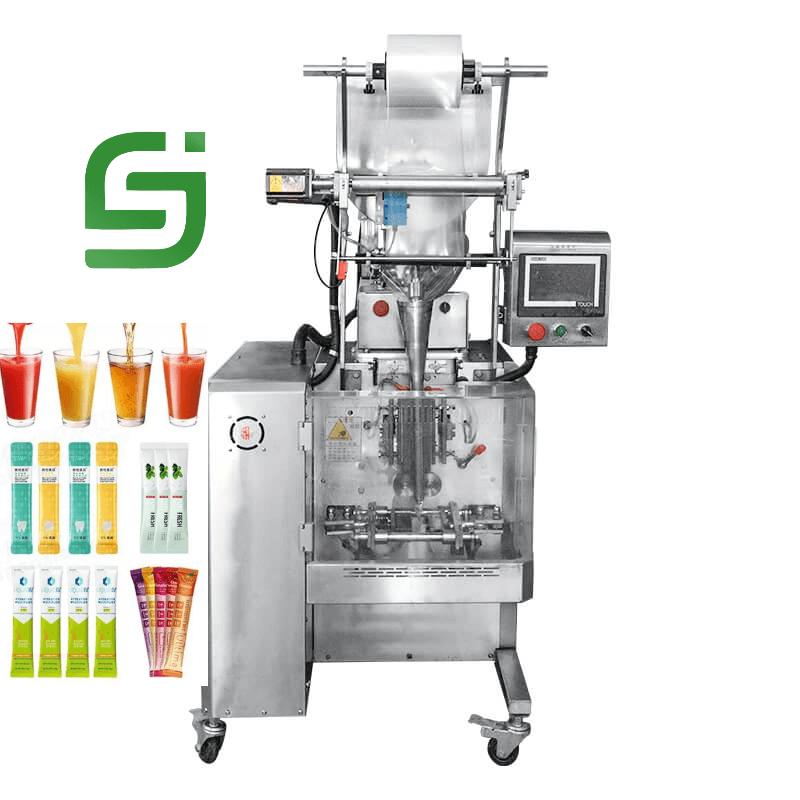
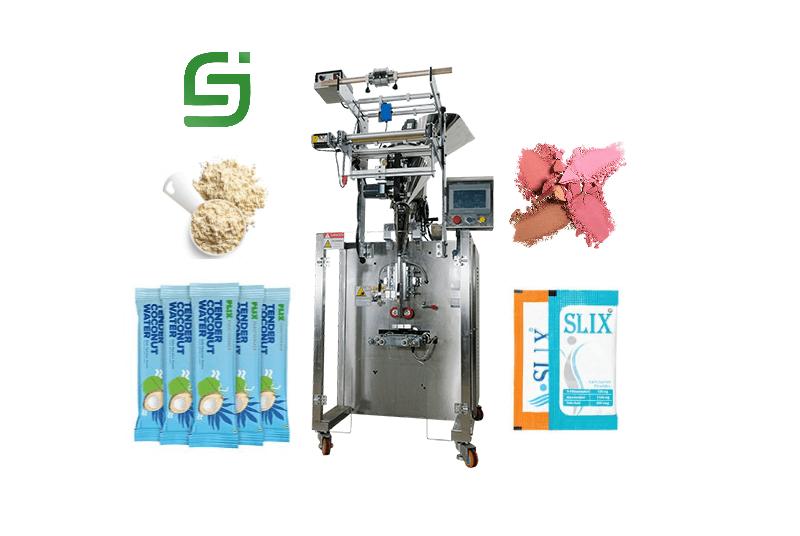
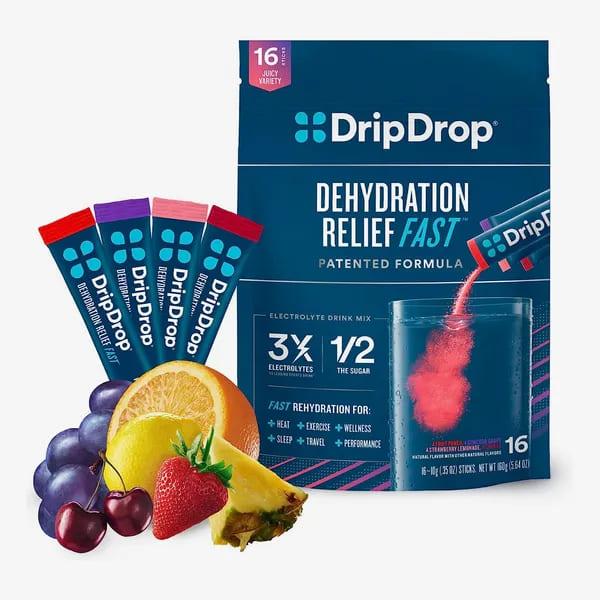
Three- or four-side-seal sachets and small pillow packs can suit samples, travel quantities, single washes, or concentrated doses. They use relatively little package volume, so the dosing device must control the target and keep product away from narrow seals. Powder dust or a liquid tail can cross much of the seal band.
The package should open and dispense as intended. Test tear notches, pour behavior, static, powder retention, and consumer handling. A strong seal that is frustrating to open is not a complete success. Printed registration and cut position also matter because the small face gives little room for error.
Compact formats may run on dedicated sachet equipment rather than the same frame used for large retail bags. Treat the small end of a proposed range as its own process case.
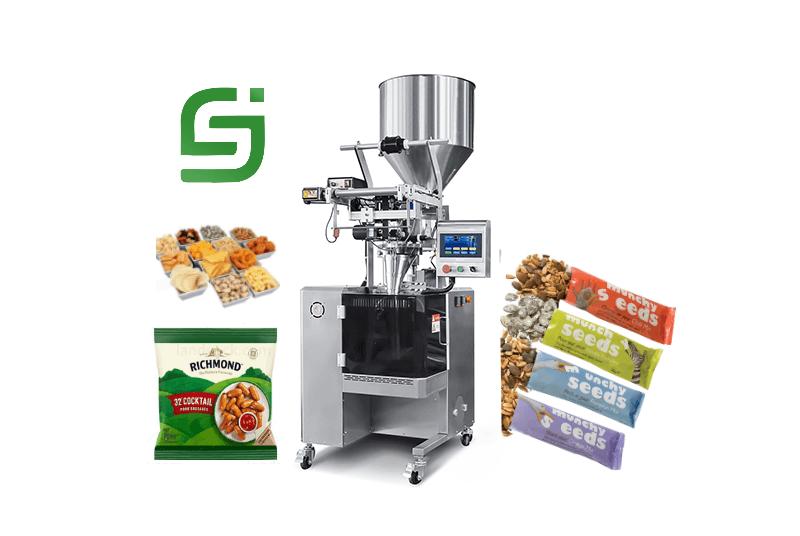
A pillow bag is formed from a continuous web with a longitudinal seam and cross seals. It can be practical for repeated sizes and straightforward retail or refill packs. Side or bottom gussets add volume and influence the finished shape. The machine requires appropriate forming hardware for each geometry.
For powder, film movement and product drop must control dust. For granules, sharp particles cannot remain in the jaws. Larger fills need time to settle below the top seal. The bag material should resist puncture and flexing during distribution while maintaining the barrier needed to prevent moisture uptake.
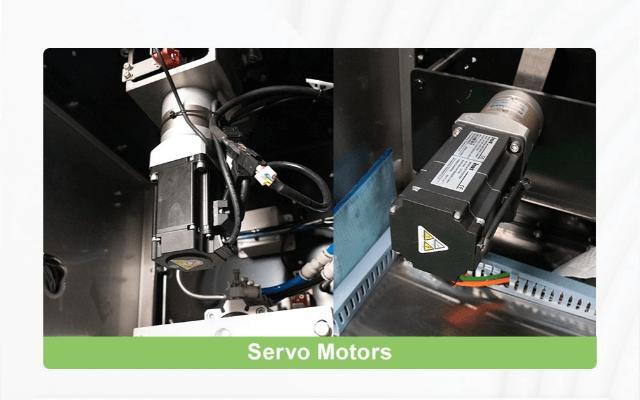
Gusset dimensions and filled thickness should be agreed on a drawing. A bag may fall inside flat width limits but become too bulky for guides or conveyors once filled.
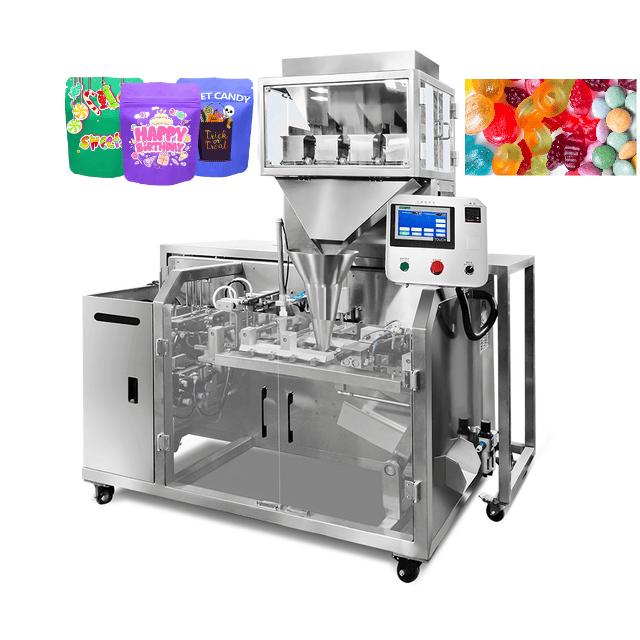
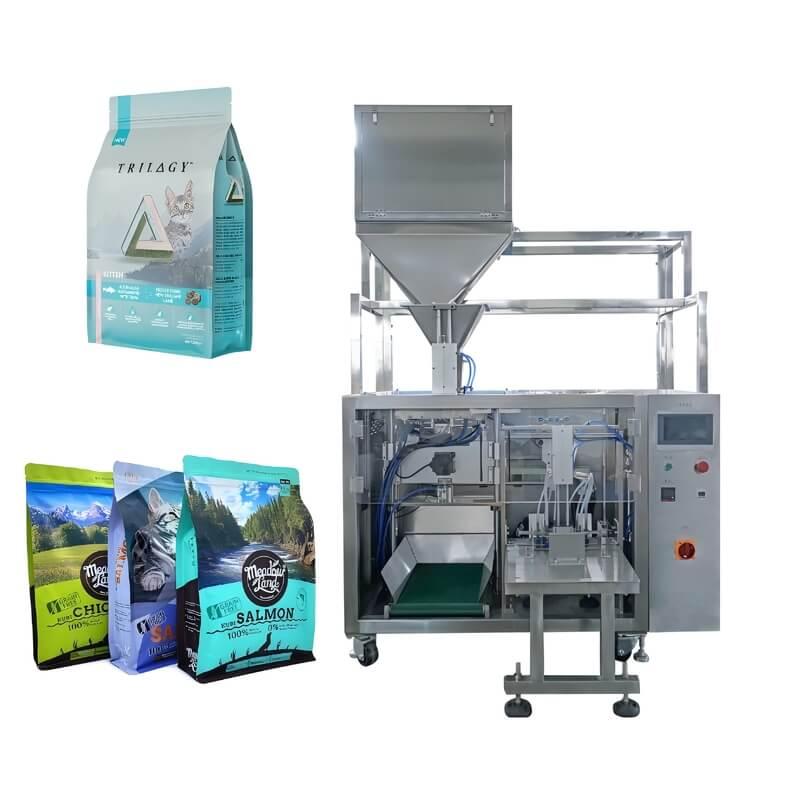
Stand-up pouches arrive with the bottom gusset and side seals already made. They can provide broad graphics, a stable shelf face, zipper reclosure, handles, or shaped details. A premade-pouch machine separates, opens, fills, and top-seals them. This differs from rollstock forming.
Powder or granule flow must enter through the available mouth without contaminating a zipper or top seal. Vacuum pickup and grippers need clear, consistent pouch areas. Pouch curl, stiffness, surface texture, and feature position influence handling.
Reclosure may suit multi-use detergent, but the package owner should assess whether powder trapped in the zipper affects usability. For liquid, a conventional open-top pouch and a spouted pouch follow different filling routes; do not treat the spout as a simple optional detail.
As fill quantity increases, the package carries more load and may experience harder drops, stacking pressure, and repeated flexing. The line needs controlled deceleration, bag support during filling, enough headspace, and downstream conveyors that do not damage a fresh seal.
Reinforced laminates, quad-style seals, or heavy-duty bag constructions may be considered according to the product and distribution study. The name of a bag does not guarantee strength. Filled-package drop, compression, leak, and transport tests should reflect the actual case count and handling route.
Large industrial formats may use different equipment, dosing, dust extraction, and closing methods from small flexible retail bags. A broad requested range can be better served by two purpose-matched lines.
Detergent packaging may need protection from moisture, resistance to oils or fragrances, puncture strength, and safe containment. The complete laminate or film should be reviewed for the formulation. For paper-containing or recyclable-oriented structures, verify machine behavior and product protection rather than relying on a material-family claim.
Film stiffness and friction affect forming and tracking; pouch stiffness affects pickup and opening. The inner seal layer must provide a stable process window on the installed jaws. Printed film needs confirmed eye marks, unwind direction, repeat, and code adhesion.
The chosen powder packing machine should list approved bag codes, materials, format parts, and recipes. This control matters when purchasing teams consider a replacement converter or lower-gauge option.
| Bag format | Potential project fit | Key proof point |
|---|---|---|
| Small sealed sachet | Sample, travel, or measured single-use dose | Fill control, clean seals, easy and contained opening |
| Rollstock pillow bag | Standardized refill or retail quantities | Forming stability, dust management, cross-seal integrity |
| Gusseted formed bag | More volume or a defined filled shape | Gusset formation, settling, finished dimensions |
| Premade zipper doypack | Multi-use retail presentation and reclosure | Opening, zipper cleanliness, top sealing, user test |
| Reinforced heavy pack | Higher fill and demanding distribution | Support during filling plus filled-package transport tests |
Create a bag matrix with product form, target, dimensions, material, opening, seal band, filler, and machine route. Select the dustiest powder, most difficult liquid cutoff, smallest sachet, and heaviest pack for trials. Use production material and enough product to include starts, stops, and refilling.
Record dosing variation, dust or drips, tracking or pouch pickup, seal contamination, cut and code, waste, finished shape, and accepted output. Inspect all lanes where applicable. Run the package through normal discharge and secondary handling.
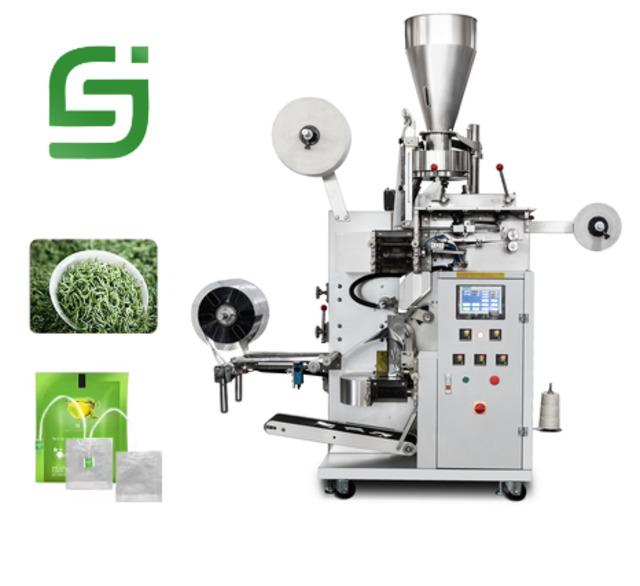
Retain approved samples and settings. If a bag style passes only after frequent operator cleaning or adjustment, include that labor in the decision. A usual format becomes suitable only when it is stable for the actual detergent.
Retail and industrial handling should be studied separately. A bag placed upright on a shelf experiences different loads from a refill pouch compressed inside a shipping case or an industrial pack moved through a warehouse. Define pallet pattern, case orientation, stacking duration, vibration, and expected drops when developing the material and seals.
Printing and coding must remain readable around dusty production. Locate the code away from textured gussets and high-friction guides. Confirm ink or ribbon adhesion on the final surface and check whether detergent residue can obscure the mark. Artwork should leave a clear eye mark and sealing region.
Powder containment includes the empty-bag and reject route. A missed pouch, open seal, or damaged film can release detergent into drives and walking areas. Review extraction, guarding, safe cleanup, and the machine response to a missing package. Repeated spills are an equipment or process issue, not a normal housekeeping condition.
If the line runs both fragranced and unfragranced products, packaging material storage should prevent odor transfer and mix-ups. Control part-used rolls and pouch cartons by SKU and lot. This supply discipline supports the same product separation expected from cleaning the filler.
Before approving a new bag, review how consumers pour or scoop the product. Opening size, stiffness, reclosure, and dust release can affect use. A machine-compatible package still needs to work safely and conveniently after purchase.
Seal verification should reflect the detergent's route to the user. Fine powder can hide in a narrow channel, liquid can migrate under pressure, and heavy bags can peel at layered gussets. Select package tests with the packaging engineer, retain samples from production, and investigate any defect by location rather than treating all leaks alike.
Can powder and liquid detergent use the same bag?
They may require different barrier, chemical resistance, sealant, geometry, and filling process. Qualify each formulation and format separately.
Are zipper pouches common for multi-use detergent?
They can be considered where reclosure supports use, but zipper cleanliness, opening force, and product interaction need testing.
What bag is best for a large powder fill?
Choose from filled-load, barrier, handling, dosing, and machine trials. Gusseted or reinforced formats may be candidates; no name alone proves suitability.
Can a rollstock machine run premade pouches?
Normally the handling architectures differ. Confirm the intended package route before selecting equipment.
Why is headspace important?
It allows product to enter and settle while preserving a clean, controllable seal area. Too little headspace raises contamination and closure risk.
Detergent bags range from compact sachets to gusseted rollstock packs and feature-rich premade pouches. Product form, fill load, barrier, opening, seal cleanliness, and distribution determine which format belongs on a line. A tested bag matrix gives a more dependable answer than choosing the package consumers see most often.

YISEN MACHINERY - The ONE-STOP VFFS PACKING MACHINE SOLUTION SUPPLIER
 Tel: +8617350750975
 Email: info@vffspackingmachinery.com
 MP/WhatsApp: +8617350750975
 Manufacturer Address:Meixi Road, Tongan District, Xiamen,Fujian,China