

Hot Keyword:
Author:YISEN Pouch Packing Machine Manufacturer TIME:2024-10-18
The value appears when pouch pickup, opening, weighing, gentle product transfer, sealing, and downstream handling are matched to the snack. Buyers should compare this route with rollstock using accepted-pack cost, product damage, changeover, material supply, and the commercial package brief.
A premade bag packaging machine can benefit snack producers by handling converter-made pouches with stand-up gussets, zippers, premium print, and shaped features while separating bag production from filling. Its practical advantage is format capability and controlled retail presentation, not an automatic promise of higher speed or lower cost.
Premade pouches can arrive with a defined bottom gusset, zipper, tear notch, rounded corners, hanging feature, or shaped outline. The converter controls these features before the snack reaches the filling line. A broad front and back can support artwork and product information, while a stable base may help the filled package stand.
This flexibility is useful when package identity is central to the product launch. It also allows brands to source a complex pouch without installing all corresponding converting operations in the factory. However, the machine still needs suitable clear areas for vacuum pickup, grippers, sensors, and top sealing.
Commercial design should be reviewed jointly by the pouch converter, machine builder, and snack producer. A zipper or notch placed for appearance can conflict with opening devices or the final seal. Freeze a controlled drawing before tooling and artwork are committed.
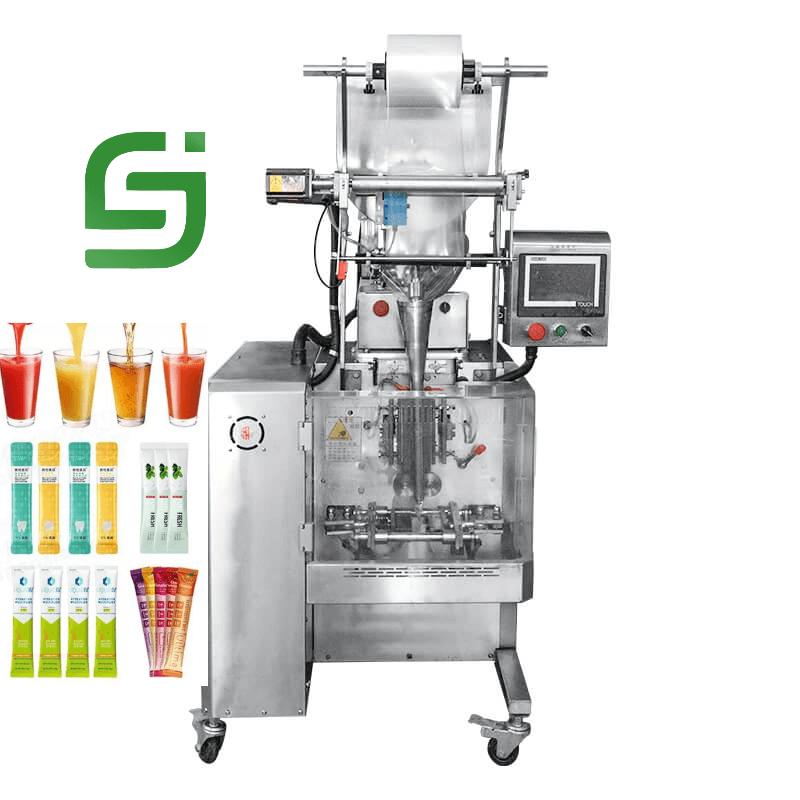
On a premade route, side seals, gussets, and optional features are produced on dedicated converting equipment. The packing machine receives individual empty bags, opens them, fills them, and closes the top. This division can make a sophisticated format accessible without forming it from rollstock at the snack plant.
The benefit depends on pouch consistency. Width, mouth position, zipper force, flatness, thickness, and surface characteristics affect pickup and opening. Incoming inspection should compare lots with the approved specification. Pouches stored under heat, humidity, or poor stacking may curl or block.
Converter quality and lead time become important supply factors. Plan forecast, storage, artwork versions, and contingency material. Premade inventory occupies space, and a printed design change can leave unusable stock, so purchasing flexibility is not the same as machine flexibility.
Chips, crackers, nuts, candy, dried fruit, and mixed snacks differ in fragility, oil, seasoning dust, size, and flow. The filler should measure the intended amount without excessive breakage or segregation. Drop height, chute angle, timing, and pouch support influence how the product arrives.
A wide premade mouth can help accept bulky pieces, but usable opening is reduced by gripper position, zipper, and pouch geometry. Test the largest and lightest pieces as well as fines. Product trapped at the mouth can weaken the top seal or create an untidy pack.
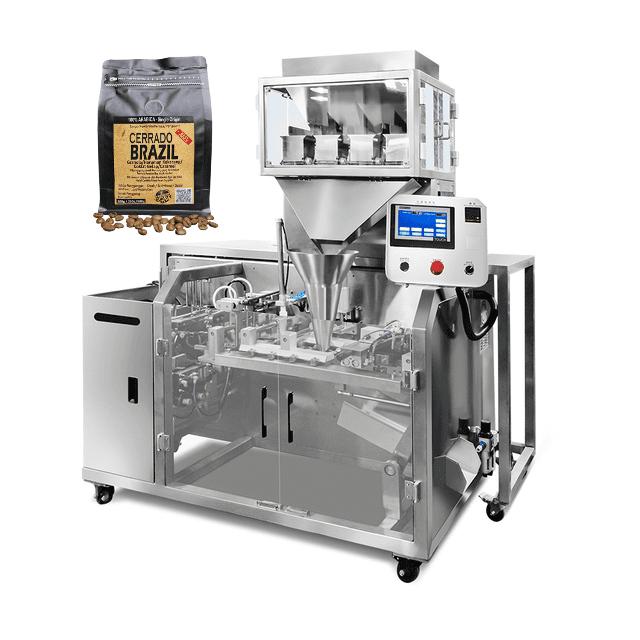
Gas flushing may be specified for some products, but its need and performance must be determined by the package-development and quality teams. If included, verify gas supply, pouch evacuation or displacement method, residual criteria, seal timing, and monitoring under the final configuration.
A zipper may support a multi-serving snack by allowing the user to close the pouch between occasions. Its actual value depends on opening force, resistance to crumbs and seasoning, repeated use, and enough headspace for access. A zipper can also add material and converting complexity.
The machine may need to separate the zipper before filling, protect it from product, press it to the required state, and create a tamper-evident top seal above it. Layer buildup changes sealing. Test closure after product has contacted the zipper during normal use, not only on an empty pouch.
Tear notches and laser-score features can guide initial opening when qualified. Their position must avoid grippers and should not reduce package strength during transport. Consumer panels or structured use tests can reveal issues that machine acceptance does not.
Premade machines can often adjust for several pouch sizes within a declared envelope. Magazine width, pickup position, gripper opening, pouch-opening devices, filling funnel, support, seal jaws, and recipe values may change. Some conversions need parts as well as adjustments.
Measure the entire changeover: line clearance, removal of old pouches, mechanical setting, recipe selection, product and scale setup, code change, first-off inspection, and release. A fast mechanical adjustment has limited value if quality approval is lengthy or hard to repeat.
The doypack packing machine should have a format sheet for each snack SKU. Photos, gauge positions, part numbers, and approved sample packs can support operators without encouraging informal trial and error.
Premade bags can cost more per unit than rollstock because conversion occurs upstream and empty pouches must be handled individually. Storage, freight volume, converter waste allowance, print inventory, and changeover stock belong in the calculation. Machine format capability may offset other costs for the right product, but it does not erase them.
Measure pouch pickup failures, opening rejects, product giveaway, broken snack, seal rejects, and startup waste. Include labor for loading, cleaning, quality sampling, and format changes. A lower nominal rate may still suit a premium product; a high-volume standard pack may favor a different route.
Compare options over the expected SKU mix. One package with excellent margins should not hide poor performance across the rest of the planned portfolio.
| Project priority | Possible premade-pouch advantage | Evidence required |
|---|---|---|
| Distinctive stand-up retail format | Converter-made gusset, shape, print, and feature control | Approved drawing plus stable pickup and opening trial |
| Multi-serving snack with reclosure | Integrated zipper supplied in the empty pouch | Filling cleanliness and repeated consumer-use checks |
| Several premium package designs | Format changes without forming every feature on the line | Complete changeover time and repeatable first-off quality |
| Fragile or bulky pieces | Wide opening and tailored pouch support | Breakage, mouth contamination, and filled-shape data |
| Standard high-volume commodity bag | Benefit may be limited against rollstock alternatives | Total accepted-pack comparison for both routes |
Supply production pouches from the selected converter and enough normal snack for a sustained run. Include the pouch most likely to curl or resist opening, the lightest fragile product, the bulkiest mix, and the largest fill. Agree on breakage, weight, seal, appearance, and output criteria.
Record missed picks, double picks, opening failures, filler waits, product spills, seal contamination, code issues, and operator intervention. Include magazine replenishment, a stop, restart, and a format change. Inspect the zipper and opening feature after normal downstream handling.
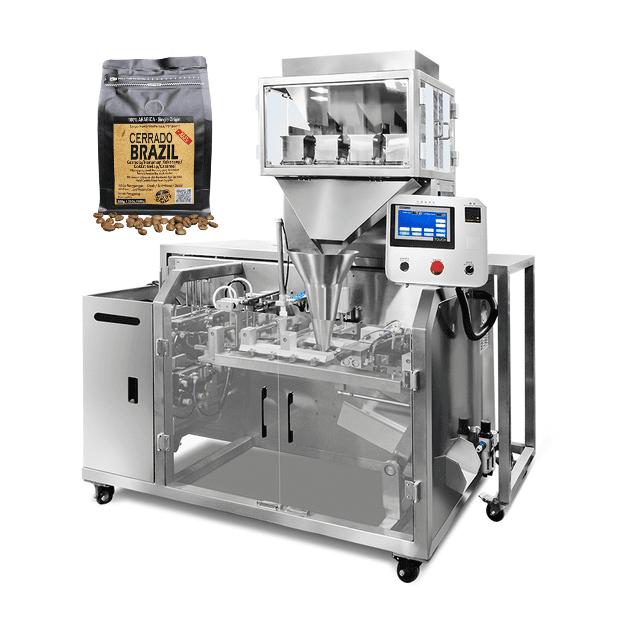
Use the results to build a per-SKU cost and capability matrix. A premade system earns its place when the verified package features and operating performance support the product strategy better than the available alternatives.
Line balancing can strengthen or erase the apparent format advantage. A multihead weigher may wait for an unopened pouch, while the pouch machine may wait for a difficult combination. Review signal timing and short-term accumulation using the real snack. The optimal sequence may vary between a light bulky product and a dense nut mix.
Quality sampling should identify pouch converter lot and machine station. If opening failures rise, separate pouch flatness, vacuum condition, magazine setup, and surface friction as possible causes. Keeping failed empty pouches for review can help the converter and machine supplier resolve the issue without blaming each other.
Plan the end of an artwork life. Premade pouches cannot be reprinted or easily repurposed, and each version may carry product or regulatory information. Forecast obsolete stock, define controlled destruction or disposition, and coordinate the first new artwork lot with a machine qualification when material properties change.
Secondary packaging deserves a trial because stand-up bags can be wider and less predictable than flat pillow packs. Verify orientation, case count, compression, and pallet stability. A premium pouch should reach the shelf without scuffing, bent zippers, or weakened top seals.
Maintenance inventory should reflect pouch-handling wear. Vacuum cups, gripper pads, opening devices, heaters, temperature sensors, and seal coverings can stop the line even when the filler is healthy. Track service life by pouch family and keep approved replacements protected, because surface and hardness differences can change pickup performance.
Are premade pouch machines faster than rollstock machines?
Not inherently. Speed depends on product, pouch, filler, opening, sealing, and line design. Compare accepted output for the intended SKU.
Can they pack chips without breakage?
They can be configured for fragile snacks, but weighing, drop height, funnel, pouch support, and downstream handling must be tested with the real product.
Does every premade machine run zipper pouches?
No. Zipper position, opening method, layer thickness, fill cleanliness, and top-seal geometry must match the equipment.
Can pouch converters be changed freely?
A new converter's tolerances, material, surface, zipper, and flatness may affect handling. Review specifications and run a controlled qualification.
What is the biggest purchasing tradeoff?
The route offers rich package options but adds individual pouch cost, inventory, storage, and pickup requirements. Compare these against commercial value and reliable output.
Premade pouch equipment is advantageous when a snack's retail identity and converted features justify the route and the line can handle the product gently. Its value should be proven through converter quality, opening reliability, seal cleanliness, changeover discipline, and accepted-pack economics. That evidence turns a visually attractive package into a workable production choice.

YISEN MACHINERY - The ONE-STOP VFFS PACKING MACHINE SOLUTION SUPPLIER
 Tel: +8617350750975
 Email: info@vffspackingmachinery.com
 MP/WhatsApp: +8617350750975
 Manufacturer Address:Meixi Road, Tongan District, Xiamen,Fujian,China