

Hot Keyword:
Author:YISEN Pouch Packing Machine Manufacturer TIME:2025-03-05
The correct line depends on particle behavior, chemical compatibility, exposure controls, package construction, cleaning method, and distribution route. Buyers should bring current material data and site requirements into the design review before comparing filler types or digital features. The result should be an engineered process boundary with named responsibilities, not a generic powder-machine claim.
In chemical production, powder packaging equipment is useful when it contains material, meters a controlled amount, closes the specified package, and records abnormal events inside the plant's safety and quality system. Automation can reduce open handling and improve repeatability, but it cannot make an undefined or hazardous powder safe by itself.
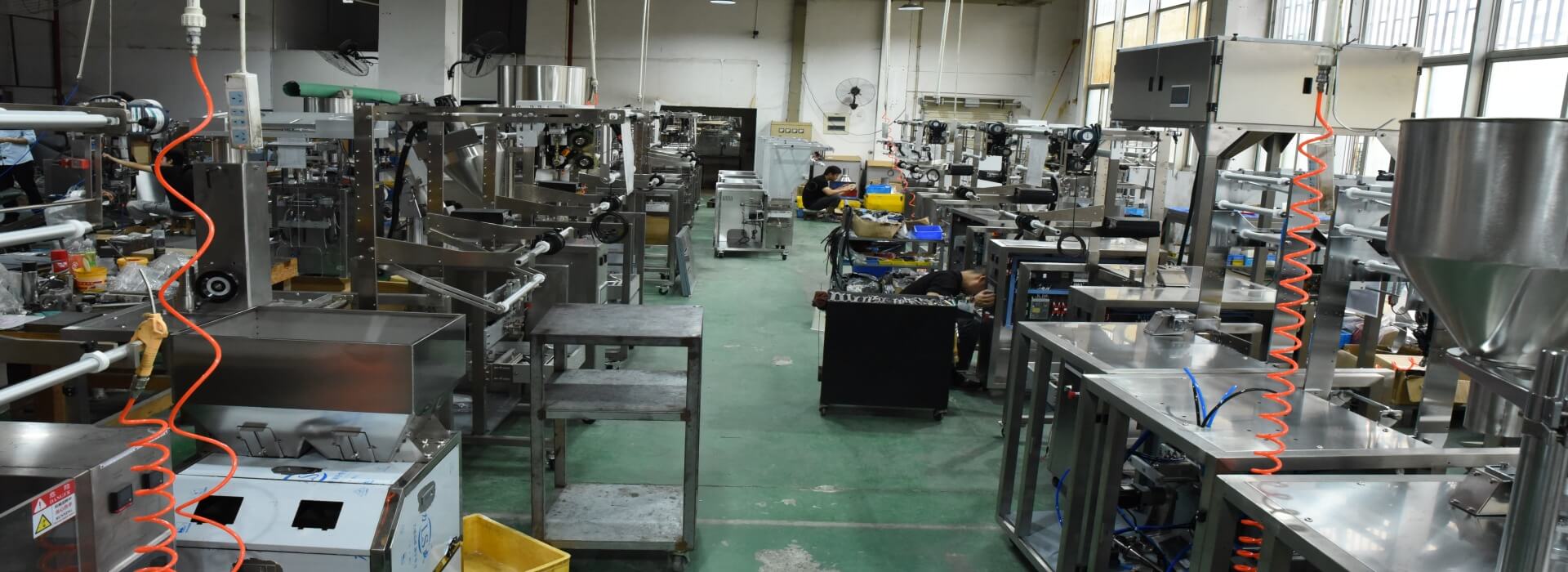
Draw the material route from the process vessel or bulk container to the sealed shipping unit. Include intermediate hoppers, transfer equipment, sampling points, dust collection, weighing, bag presentation, rejects, and finished-pack handling. At each interface, identify who supplies the equipment and who approves performance. A packaging skid can operate correctly while an uncontrolled upstream refill releases dust or a downstream drop damages closures, so the complete route belongs in the project scope.
Operating states matter as much as the normal cycle. Define startup, product change, low supply, blocked flow, bag fault, planned stop, emergency response, and restart. State what happens to powder already inside the feeder and to a partially filled package. Site specialists should assess material-specific hazards and applicable requirements using current information. The machine supplier can explain equipment functions and limitations, while the buyer remains responsible for the actual chemical process and installation.
Record particle-size distribution, bulk density, cohesion, aeration, moisture response, abrasiveness, static, temperature, and any tendency to cake or separate. Provide relevant chemical, corrosion, contamination, and exposure information to qualified project parties. A fresh laboratory sample may flow differently from product stored in a large container or transferred through a long screw. Trials should use identified material that represents the difficult production state as well as the normal one.
Review product-contact metals, polymers, gaskets, surface finishes, joints, and seals against the material and cleaning method. A broad stainless-steel description does not establish compatibility at every component. Hidden crevices, threaded connections, flexible hoses, bearings near the product zone, and lubricants deserve explicit review. Document exclusions where the supplier lacks enough information. Compatibility decisions should be traceable to responsible approval rather than inferred from previous work with a different powder.
Augers are often evaluated for fine or less freely flowing powders because screw rotation can provide a controlled discharge. Gravity or volumetric devices may suit certain stable, free-flowing materials, while weight-based systems may be considered where the dose and cycle support them. These are application concepts, not universal rankings. Hopper geometry, agitation, screw design, product head, cutoff, refill, and the package interface influence the finished result.
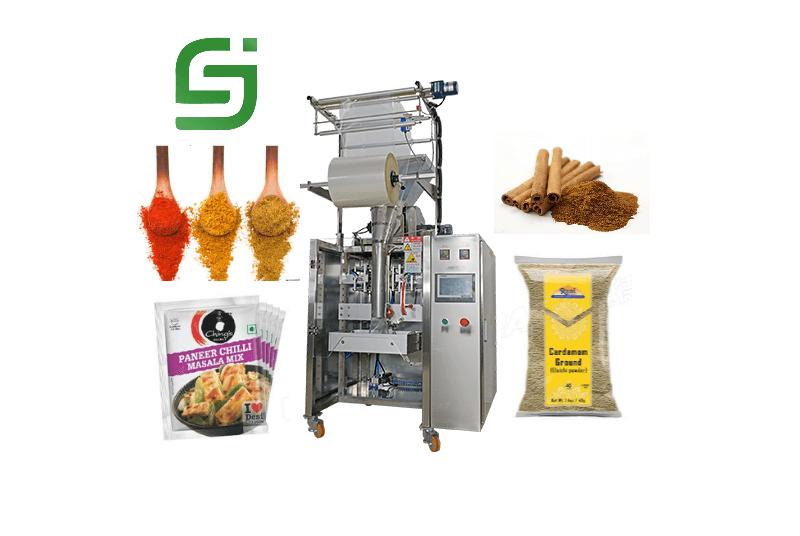
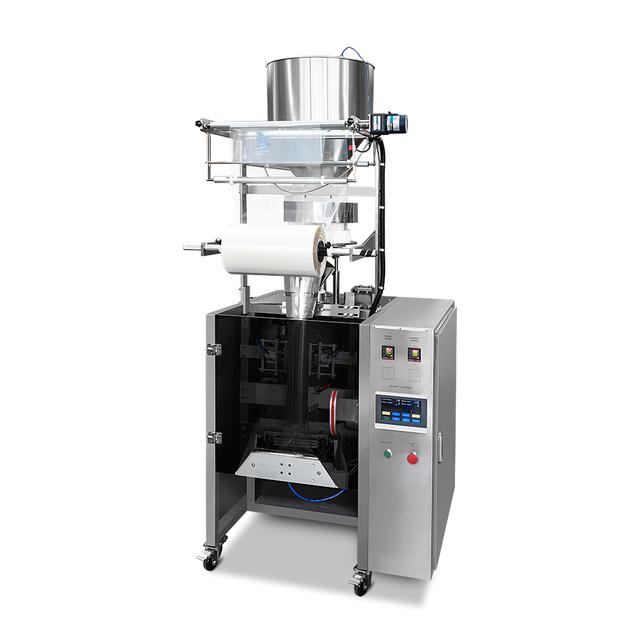
Test the lowest and highest required dose with realistic hopper states. Collect results consecutively and annotate refill, pauses, adjustments, and interventions. Observe compaction, segregation, leakage, dust, and material left after stopping. If separate screws or funnels are needed, include identification, storage, cleanout, and setup checks. The relevant powder packing machine range can frame the discussion, but only the demonstrated configuration belongs in the approved operating envelope.
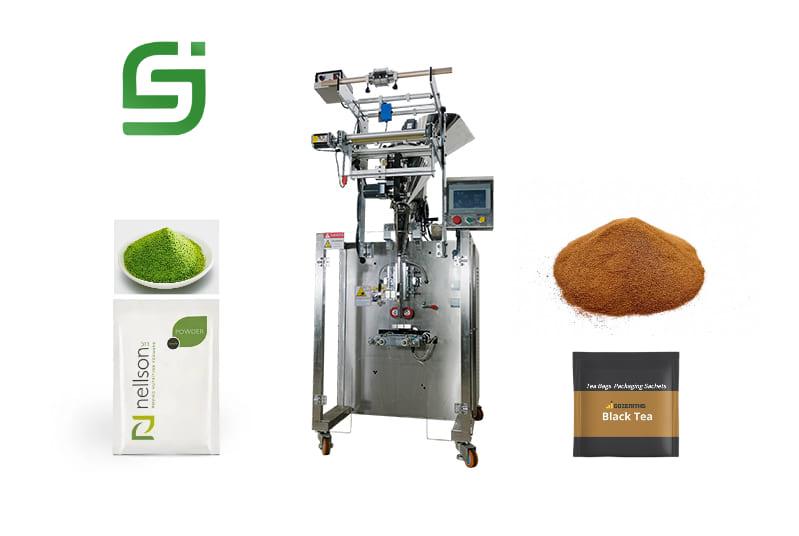
Containment design should cover more than the filling outlet. Operators load empty bags, replenish product, collect samples, remove rejects, clear faults, clean surfaces, and replace parts. Maintenance opens guards and product paths that stay closed during production. Map each task and determine the required enclosure, connection, extraction interface, isolation, protective practice, and waste route under the buyer's site controls. Moving dust into a filter or adjacent room is not containment unless that destination is designed and maintained for it.
Verify that extraction does not remove a meaningful fraction of product or upset a blend. Inspect pickup location, airflow indicators, hose condition, filters, collection vessels, and the response to a blocked or unavailable system. Challenge alarms and confirm what the packaging line does. Product-specific risk assessment must determine whether additional provisions are needed for combustible dust, toxic exposure, reactive material, or other hazards; no general equipment description should be used as evidence of suitability.
Chemical powders may use small flexible packs, larger sacks, lined bags, premade pouches, or other approved containers. Define dimensions, usable volume, material layers, barrier needs, sealant or closure, valve or liner, code area, and required handling strength. The package must be compatible with the product and intended route. That approval belongs to qualified parties using the real material, storage period, transport conditions, and applicable rules.
On the machine, check bag opening, support during filling, dust at the closure, sealing or closing action, code legibility, and controlled discharge. Heavy packs need support that avoids pulling on a fresh seal. Fine powder can enter heat-seal bands or closure parts after the main dose appears complete. Run filled units through weighing, inspection, conveyors, palletizing, and representative distribution handling. Empty-package movement cannot reveal these stresses.
Chemical campaign changes may involve incompatible, reactive, colored, high-purity, or sensitizing materials. The buyer should define the cleanout standard and verification method. Witness product recovery, isolation, disassembly, residue removal, cleaning, inspection, drying where relevant, reassembly, line clearance, and first-off release. Long screws, flexible connections, dust ducts, valve cavities, and ledges can retain material even when accessible surfaces look clean.
Identify recovered product, cleaning waste, used packaging, and filters throughout the process. Parts dedicated to a material should have unmistakable identity and protected storage. If wet cleaning is permitted, confirm drainage and complete drying before introducing a moisture-sensitive powder. A quick guide adjustment is not a campaign changeover; production capacity should include the full elapsed work required to release the next chemical safely and correctly.
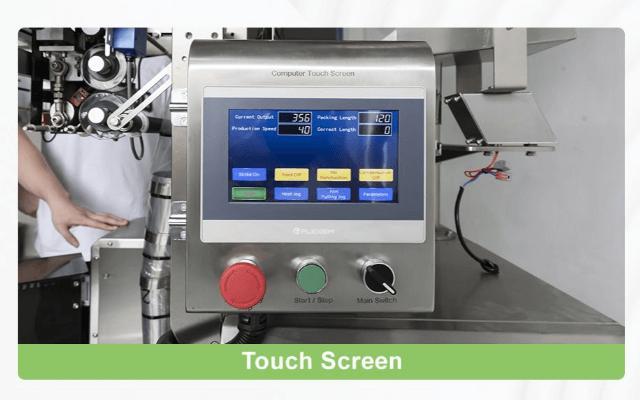
Recipes can protect approved settings, but physical parts, material identity, bag stock, and downstream routing still need verification. Apply access levels to critical changes and maintain a controlled backup. Event logs should connect batch, recipe, operator, material lot, alarm, intervention, and package disposition where the project requires it. Data has value only when a role reviews it and a defined result triggers an action.
Inspection devices may confirm weight, code, package presence, or another specified characteristic. Challenge each detection and reject route with controlled test conditions. Reconcile rejected units so they cannot return unnoticed. After an alarm, the control should tell operators what stopped, what happened to current material and bags, and which checks permit restart. A dashboard without trustworthy sensors or response rules can create confidence without control.
Promising developments include more accessible change parts, better condition monitoring, improved recipe governance, connected inspection, remote diagnostics, and data that helps predict wear or flow drift. Modular filling or closing components may extend a line's range. Each feature also introduces interfaces, software support, calibration, cybersecurity, training, and spare-part questions. Innovation should solve a documented problem rather than become a reason to add complexity.
Use a baseline and staged acceptance plan. Measure the current loss or risk, define the expected change, pilot the option with operators and maintenance involved, and compare results at equal package quality. Keep a supported fallback for a sensor or connected service failure. The decision table below turns broad benefit claims into evidence.
| Decision area | Evidence to collect | Question before approval | Owner |
|---|---|---|---|
| Material route | Flow drawing, exposure tasks, product condition, and interfaces | Is powder controlled in normal and upset states? | Buyer process and safety team |
| Dosing | Sequential results at boundary doses and hopper levels | Does the installed feeder stay inside the written range? | Supplier and buyer quality |
| Package release | Dose, closure, code, contamination, and handling checks | Can each accepted unit be linked to approved conditions? | Buyer quality team |
| Campaign change | Recovery, cleanout, inspection, parts, and first-off samples | Is residue controlled before the next material enters? | Operations and sanitation roles |
| Future option | Baseline and pilot results plus support and fallback plan | Does the feature improve a defined production outcome? | Project owner |
Is chemical powder equipment the same as a food powder line? Not necessarily. Material hazards, compatibility, exposure controls, cleaning, packaging, and site requirements can lead to a different engineered scope.
Does automation eliminate operator exposure? It may reduce selected open tasks, but replenishment, sampling, rejects, fault clearing, cleaning, and maintenance must also be assessed.
Which dosing system is most accurate? Accuracy depends on product state, dose, feeder geometry, supply, environment, and verification method. Representative trials are required.
Can supplier material claims replace the buyer's review? No. Contact compatibility and chemical-process suitability require current product information and approval by responsible qualified parties.
What makes a future technology worth purchasing? It should solve a measured safety, quality, traceability, maintenance, changeover, or resource problem and pass a staged test.
Powder packaging supports chemical production when material characterization, contained handling, controlled dosing, compatible contact parts, package closure, cleanout, and traceability are designed as one process. The line's benefit is repeatable execution of an approved boundary, not an automatic guarantee for every powder.
Give suppliers representative materials and a complete flow diagram, witness difficult operating states, and keep unresolved conditions visible. Adopt advanced sensing or connected functions only after basic mechanics and records are stable and a pilot demonstrates a practical improvement.

YISEN MACHINERY - The ONE-STOP VFFS PACKING MACHINE SOLUTION SUPPLIER
 Tel: +8617350750975
 Email: info@vffspackingmachinery.com
 MP/WhatsApp: +8617350750975
 Manufacturer Address:Meixi Road, Tongan District, Xiamen,Fujian,China