

Hot Keyword:
Author:YISEN Pouch Packing Machine Manufacturer TIME:2024-10-22
The application should be defined from the product's behavior and the finished package, then verified under the plant's food-safety and quality program.
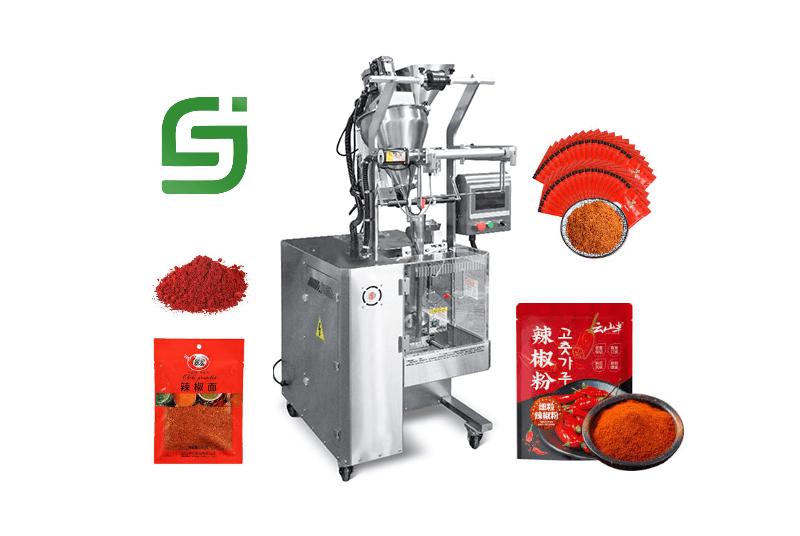
Powder packaging equipment is used in food production for portioning and enclosing products such as flour-like ingredients, drink mixes, milk or nutrition powders, coffee, sugar, salt, spices, starches, and bakery premixes. Each application needs its own feeding, dust, hygiene, barrier, and changeover solution. Food use does not make every powder or machine configuration interchangeable.
Fine cohesive powders can bridge or retain air, free-flowing crystals can leak through small clearances, and blends can segregate by particle size or density. Fat-containing or hygroscopic ingredients may coat surfaces or cake after exposure. Record bulk density, flow, dust, particle range, moisture sensitivity, temperature, and normal supplier variation for every application family.
The product owner should identify food-safety, allergen, oxidation, aroma, and quality requirements. Machine configuration supports these requirements but does not create them. Keep representative samples from normal and difficult lots. A trial with an easy substitute may demonstrate motion while providing little evidence for the commercial ingredient.
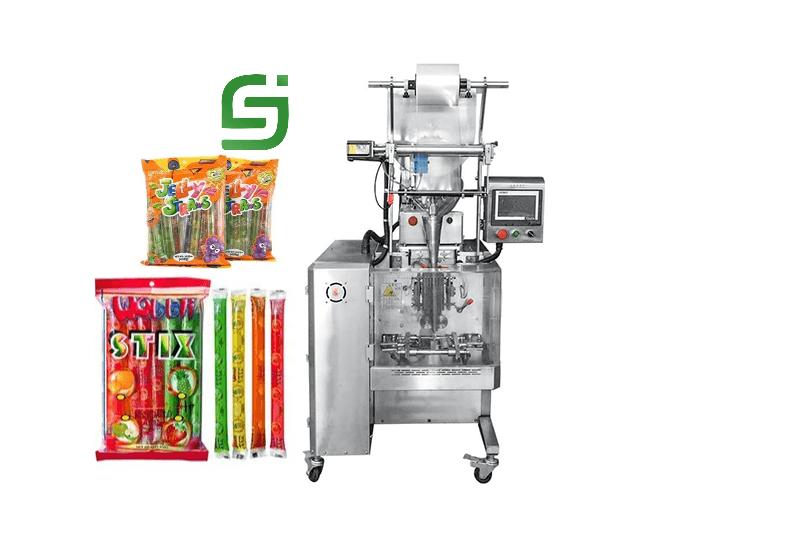
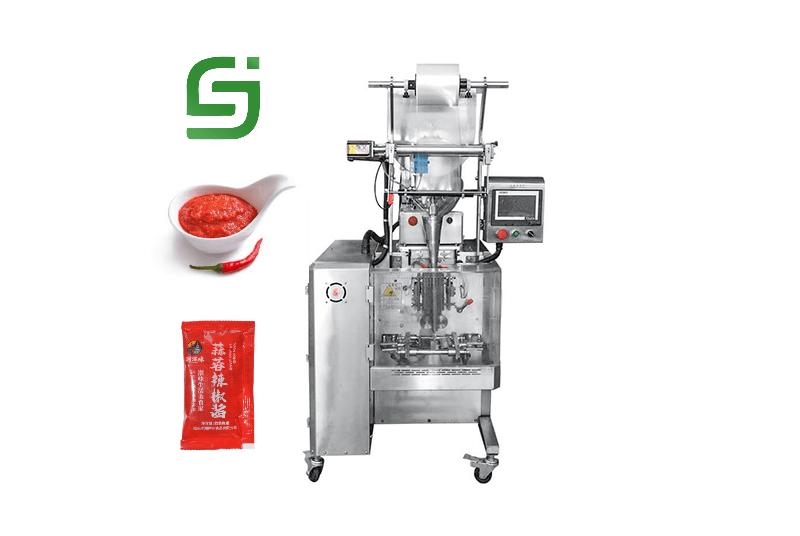
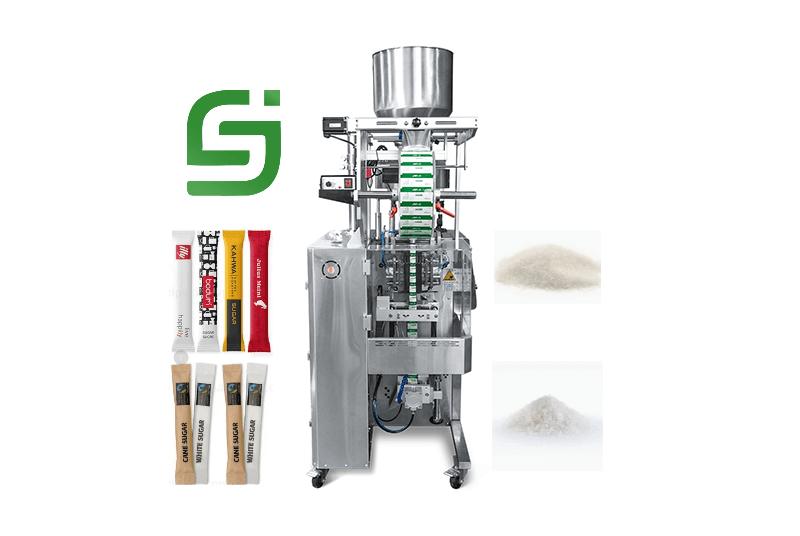
Single-serve drink mixes, condiments, coffee powders, supplements, and similar products may use narrow stick or sachet formats. Small openings require controlled cutoff and effective dust management. The target dose, stick width, headspace, seal widths, tear feature, artwork, and code area should be developed together so product can enter without coating the film.
Multi-lane arrangements may provide parallel output, but every lane needs its own dose and seal evidence. Sample lane identity rather than combining all packs in one average. Changeover and cleaning complexity increase with repeated feeders and film paths. Select lane count from accepted demand and the site's ability to inspect and maintain the system.
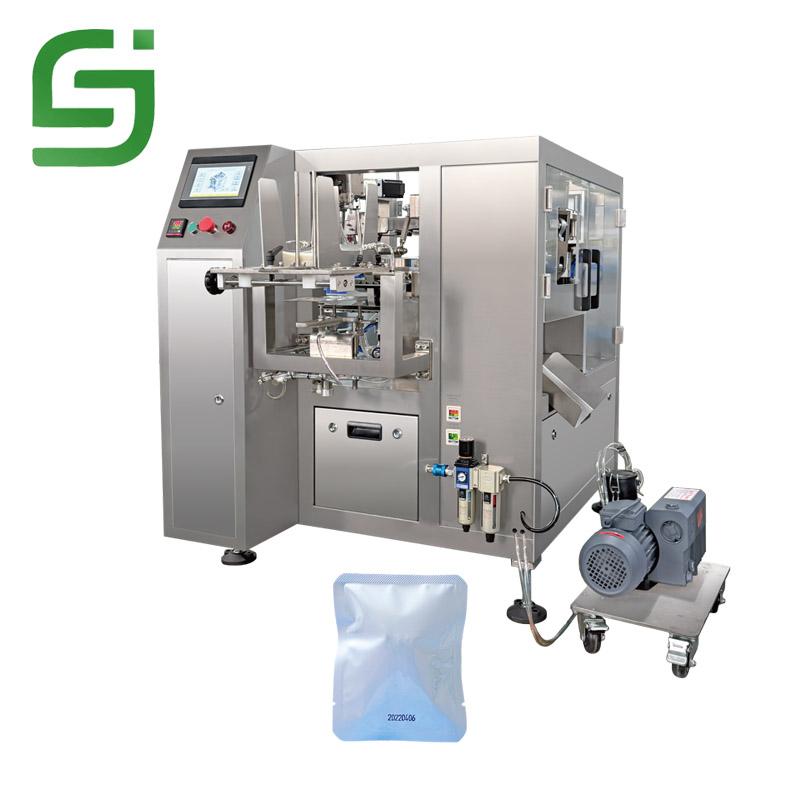
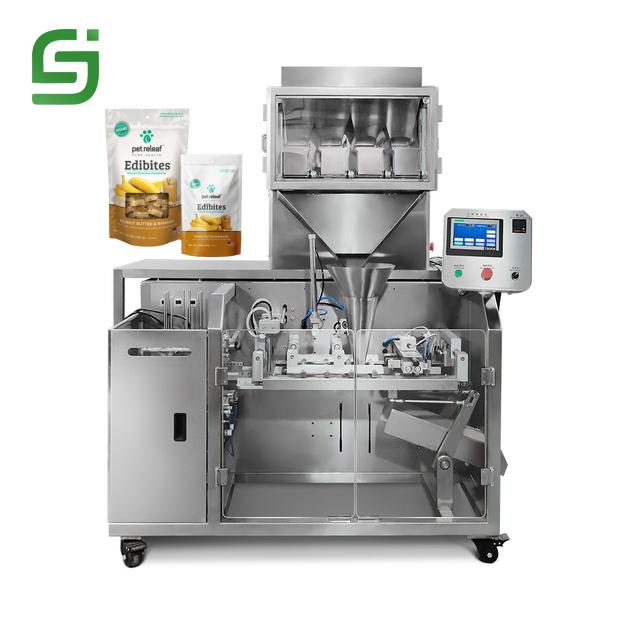
Larger pillow, gusseted, block-bottom, or premade pouches can serve retail and food-service quantities. Their greater opening can ease filling, yet a heavier powder dose places more load on seams and discharge handling. Define support, fill level, de-aeration if needed, sealing, cooling, and conveyor transfer. Test packages after realistic handling.
Premade pouches may include zippers or display features, while rollstock systems form bags during production. The choice affects converter tolerances, storage, material cost, format flexibility, and machine mechanics. The finished package and production schedule should lead this decision rather than using one packer for every product simply because it is already available.
Auger fillers are often considered for fine or less free-flowing powder; volumetric devices can suit stable free-flowing materials; weighing systems may fit other applications. These are screening principles, not guarantees. Screw geometry, hopper agitation, cup size, feed control, load-cell environment, and cutoff must be tested with the ingredient and quantity.
Upstream supply affects all methods. Conveying can aerate powder or separate a blend, while refill changes hopper level and density. Evaluate consecutive finished packs through startup, steady running, refill, low level, and restart. Keep tooling and recipes identified by product and format.
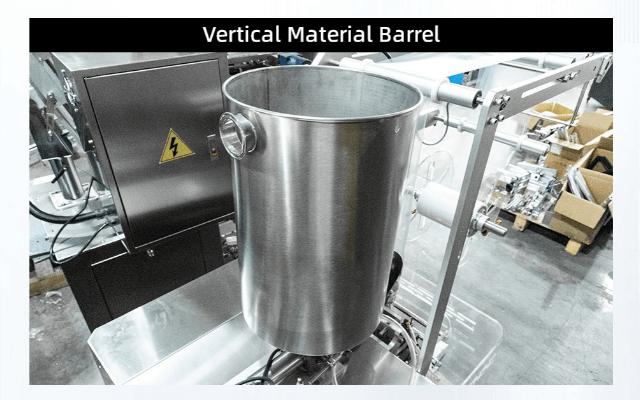
Review hopper, agitator, dosing components, funnels, formers, seals, joints, fasteners, and all ledges exposed to product. The facility should define approved cleaning methods, agents, inspection, drying, line clearance, and any validation. Easy removal is valuable only when operators can handle and refit parts safely without damaging calibrated or polished surfaces.
Material claims should be documented for the supplied equipment and assessed against the actual food and cleaning chemistry. Avoid broad statements about universal compliance. Access to hidden powder routes, prevention of hollow contamination traps, protection from lubricants, and identification of contact parts are practical matters to witness before purchase.
Food quality can depend on moisture, oxygen, light, aroma, and physical protection. Qualified packaging specialists should define film structure and shelf-life evidence. The machine supplier must show that the commercial film unwinds, forms or feeds, registers, seals, codes, and cuts within its approved window. Barrier performance without machinability does not create an acceptable pack.
Powder in a seam causes channels and weak areas. Control the product drop, air displacement, static, timing, and headspace before increasing jaw settings. Inspect seals by defect type and use the site's selected test. Coding and cut position also belong to release because incorrect identity or poor opening can make a physically sealed pack unusable.
Plan the production sequence around allergen and flavor risk, cleaning effort, package formats, and ingredient behavior. A digital recipe can restore parameters but cannot remove residue or confirm that the correct auger, tube, former, and film are fitted. Use identified parts, a written line-clearance route, code verification, and first-off samples.
Measure changeover from the last accepted pack of one run to the first accepted pack of the next. Record product recovered or discarded, labor, tools, cleaning, inspection, setup, and rejects. This exposes whether a flexible machine is practical for short food campaigns or only appears flexible in a size-range table.
A useful protocol names the ingredient, lot condition, package material, format, quantity, filler, tooling, inspection methods, and operating events. Include difficult flow, refill, pause, restart, and end cleaning. Record every manual intervention and whether temporary equipment is used.
| Food application | Primary machine question | Evidence before release |
|---|---|---|
| Fine drink or nutrition powder | Can dust and density be controlled? | Ordered doses, clean seals, inspected residue routes |
| Crystal or free-flowing ingredient | Will product leak, bounce, or damage film? | Stable cutoff and complete package inspection |
| Multi-component premix | Does the blend remain representative? | Approved composition sampling through refill |
| Hygroscopic product | Can exposure and caking remain controlled? | Defined environmental window and restart result |
| Allergen change | Can line clearance meet the food-safety plan? | Witnessed cleaning, inspection, and release record |
For a powder packaging machine, list all demonstrated applications and all open ones. A machine family may support many foods, while each recipe and package still requires controlled qualification.
Can the same filler handle flour and sugar?
Possibly with different tooling and settings, but their flow and density differ. Test each ingredient and define cleaning before sharing the system.
Is food-grade material enough to prove hygienic design?
No. Contact material is one factor; access, joints, drainage, fasteners, contamination traps, cleaning procedure, and actual regulatory requirements also matter.
How is powder kept out of the seal?
Control cutoff, fall path, dust, air, static, headspace, and timing. Diagnose the physical entry route before changing heat or pressure.
What should a multi-lane trial report?
Identify each lane's quantity, seals, registration, rejects, settings, interventions, and recovery so uneven performance remains visible.
When does a new supplier require review?
Assess changes in density, particle distribution, flow, dust, moisture, ingredients, and package response before using the old recipe without confirmation.
Coding and product identity are central in food applications. Define printed information, source of variable data, location, readability, verification, and the response to missing or wrong codes. A coder should be tested at startup, after material changes, and at normal pack motion. If vision is used, agree on the defect set and challenge method; presence detection alone may not confirm that every character is correct.
Downstream equipment must preserve package quality. Powder bags can trap air, remain warm at the seal, or present unstable shapes. Conveyors, metal detection or other inspection, checkweighing, rejection, counting, and cartoning need compatible spacing and support. Clarify which device owns the stop and recovery sequence. A blockage after the bagger should not create untracked packs or pull newly made seams.
Utilities and the room environment affect food powder behavior. Compressed air, extraction, humidity, temperature, power, and cleaning services should remain within documented limits. Record those conditions during supplier and site trials. A process that works only in unusually dry demonstration conditions may cake or dust differently in the production room.
Review product and packaging yield when comparing applications. Count powder retained in contact parts, collected by extraction, discarded during line clearance, and lost in rejected bags. Add film used during startup, splices, and format setup. A high nominal rate can coexist with poor campaign yield. Accepted-output and material-loss data provide a better basis for deciding whether one flexible line or dedicated equipment fits the portfolio.
Scale-up from development to production should preserve the powder and package conditions used in trials. Larger bulk containers, longer transfer, different room exposure, or commercial film rolls can change behavior. Site acceptance should repeat key boundary products rather than assuming the supplier test transfers automatically.
Operator training should cover ingredient identification, approved tooling, recipe selection, dust or flow changes, seal-defect classification, code checks, allergen line clearance, and escalation. Use real accepted and rejected packs. Competence should be verified under the site's program; attendance at a startup demonstration does not prove independent operation.
Future products should enter through formal application review. Compare their powder behavior, allergen and cleaning needs, package, dose, and line schedule with the approved matrix. A similar food name does not justify copying tooling or release criteria without confirmation.
Food-industry powder applications range from narrow portions to large retail bags, but every successful project connects ingredient behavior with dosing, hygiene, film, sealing, and changeover. Use representative lots and commercial packaging to qualify each family. A documented application matrix gives production flexibility without turning broad equipment capability into unsupported food or performance claims.

YISEN MACHINERY - The ONE-STOP VFFS PACKING MACHINE SOLUTION SUPPLIER
 Tel: +8617350750975
 Email: info@vffspackingmachinery.com
 MP/WhatsApp: +8617350750975
 Manufacturer Address:Meixi Road, Tongan District, Xiamen,Fujian,China