

Hot Keyword:
Author:YISEN Pouch Packing Machine Manufacturer TIME:2025-03-05
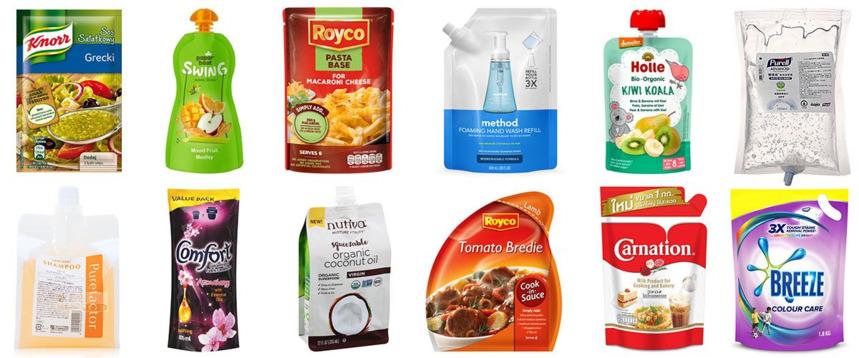
Premade-pouch equipment can improve daily-chemical packaging by separating pouch conversion from filling operations, supporting distinctive bag formats, and automating pickup, opening, dosing, sealing, coding, and discharge. Efficiency depends on matching the product path to shampoos, conditioners, detergents, gels, or powders and on controlling changeovers. A ready-made pouch does not remove the need for material qualification, clean cutoff, compatible seals, and safe chemical handling.
Daily-chemical is a broad category. A free-flowing liquid cleaner, viscous conditioner, abrasive detergent powder, concentrated refill, and fragranced gel can require different fillers, contact materials, containment, and cleaning. Start with a product matrix showing viscosity or powder behavior, temperature, particles, foaming, corrosion concerns, fragrance or color carryover, fill quantities, pouch types, closures, and production campaigns. Include the safety information and site handling requirements for every formulation. Then map upstream supply, premade-pouch storage, coding, inspection, case packing, and pallet flow. Capacity should reflect accepted packs after refills, pouch loading, cleaning, and format changes. Review ergonomics, ventilation or extraction, spill containment, drainage, service clearances, and access for removing product parts. The best platform is the one that can be changed and supported by the actual shift team, not the design with the longest option list. Sustainability goals should be translated into verifiable package and process requirements. Premade pouches may use less material than some rigid alternatives, but the result depends on laminate structure, pack size, product protection, rejects, transport, and the available recovery system. A thinner or recyclable pouch can behave differently in the magazine, opening station, zipper, or seal jaws. Treat any material change as a controlled trial with converter support instead of assuming that existing settings transfer unchanged. Branding features also carry engineering consequences. Shaped edges, matte surfaces, windows, handles, and special closures can alter pickup points and sensor contrast. Approve artwork only after critical machine zones are shown on the drawing. Finally, confirm the business's demand by format and campaign; a pouch with exceptional shelf presence may still be unsuitable if converter minimum orders create obsolete printed inventory. Procurement, marketing, quality, engineering, and operations should review these tradeoffs together before the gripper and jaw designs are frozen.
Shampoo and conditioner can be viscous, stringy, foamy, or sensitive to temperature; thin cleaners may drip and splash; gels can trap air; powders may dust, compact, or abrade contact parts. Fragrance and color can carry into a following product even when no visible bulk residue remains. Corrosive or aggressive formulations can restrict metals, elastomers, hoses, and cleaning agents. Record these conditions with representative lots and provide current safety information. A premade bag packaging machine is only the pouch-handling platform until a suitable hopper, pump, piston, auger, weigher, valve, or nozzle is installed. Classify products into configurations that share a proven contact path, then identify exceptions requiring dedicated parts or a separate line.
Finished bags enter through a magazine or conveyor, are separated one at a time, transferred to grippers, opened, and confirmed before filling. Zippers, spouts, gussets, shaped profiles, and high-gloss print can influence vacuum contact and sensor response. The converter should supply dimensioned drawings, tolerances, laminate structure, and representative production lots. Test the bottom and top of multiple bundles because curl, blocking, static, or compression can vary through storage. A no-pouch or no-open interlock should inhibit filling and keep rejected bags identifiable. Magazine capacity reduces loading frequency but cannot correct inconsistent pouch manufacture. Store pouches to prevent deformation, dust, or chemical exposure that changes their handling.
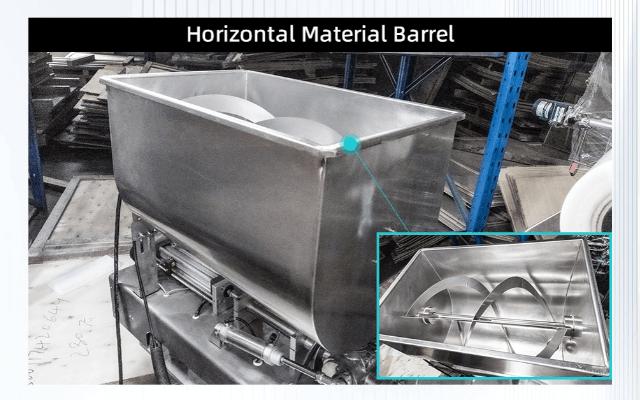
Liquid and gel products need a metering path that covers the quantity and viscosity range while finishing the dose cleanly. Tank conditioning, pump pressure, valve bore, nozzle height, suck-back where suitable, and fill profile can determine whether product reaches the seal area. Powders need stable hopper feed, an appropriate meter, a short controlled discharge, and containment of displaced air. Test high and low supply levels, refill, planned stops, and restart. A few selected packs cannot reveal pressure settling, aeration, bridging, or dribble. Record installed parts and recipes for each product family. If the machine changes from liquid to powder, define how modules are removed, lifted, protected, cleaned, connected, and verified rather than describing the conversion as a simple touchscreen choice.
A refill pouch must tolerate the formulation, required barrier, shelf period, distribution, consumer handling, and sealing process defined by the brand owner. The machine trial confirms pickup, opening, fill placement, top condition, closure, coding, and discharge on that approved material. Headspace should prevent liquid or powder from entering a zipper or top seam. Spouted and fitment pouches add components and interfaces that need their own controlled checks. Inspect seal alignment, folds, channels, contamination, cooling, and response after case packing. A pouch can look attractive at the machine yet slump, leak, or become difficult to pour after transport. Retain packs from range extremes and test them through the owner's approved integrity and usability methods.
Frequent product and pack changes can consume more usable time than the filling cycle. Include draining, recovery, cleaning, disassembly, inspection, part replacement, pouch-guide adjustment, sensor teaching, recipe selection, coding, priming, and first-off release. Identify change parts by product and size, store them near the line without contamination, and use a checklist that ties physical setup to software. Time the complete interval from last acceptable old product to first approved new product. Sequence planning can reduce difficult transitions, but it must respect the site's contamination and safety rules. Trend recurring delays: an awkward hose connection, hard-to-clean valve, or poorly accessible gripper may justify an engineering improvement that contributes more than a higher headline speed.
The owner must assess exposure, compatibility, ventilation, extraction, spill response, drainage, waste, and personal protection for each formulation. Guards and interlocks control machine hazards but do not replace chemical procedures. Cleaning should map tanks, fillers, valves, hoses, nozzles, powder outlets, grippers exposed to splash, seal areas, drip trays, and retained-product locations. Use only approved chemicals and methods compatible with the construction. Verify isolation before removal and restore utilities through an authorized sequence. Strong fragrances, dyes, allergens where relevant, or hazardous ingredients can require dedicated verification beyond visual inspection. After reassembly, check for leaks, correct orientation, tool accountability, and first packs before production release.
An improvement case should show how the line performs through the plant's ordinary pattern. The matrix identifies useful records for daily-chemical production.
| Operating area | What to measure | Why it matters |
|---|---|---|
| Pouch handling | Missed picks, failed openings, and material-lot pattern | Separates pouch supply issues from machine adjustment |
| Filling | Accepted quantities, drips, dust, and interventions | Shows whether the product module remains controlled |
| Sealing | Contamination, wrinkles, channels, and integrity results | Connects headspace and cutoff with package quality |
| Changeover | Elapsed time by draining, cleaning, setup, and release | Exposes the true cost of flexibility |
| Fault recovery | Suspect packs, restart checks, and time to stable output | Protects traceability and shift capacity |
Define who supplies product tanks or feeders, pouch loading, coder, extraction, checkweigher or inspection, conveyors, counting, cartoning, and production data. Signals need named ownership and fault behavior. Downstream accumulation should not squeeze warm seals or mix lots after an alarm. The premade pouch packing machine range can introduce platform choices, while the final purchase scope should list contact materials, modules, pouch range, utilities, guarding, documents, training, software backup, spares, and exclusions. Factory testing should use difficult products and approved pouches through startup, stable running, refill, stop, restart, and changeover. Preserve retained packs, recipes, component identifiers, drawings, and open-item closure for installation.
Can one premade-pouch line fill both shampoo and detergent powder? A platform may accept different modules, but product paths, containment, cleaning, lifting, controls, and package setup require separate engineering and witnessed conversion.
Why do finished pouches fail to open? Curl, static, blocking, inconsistent dimensions, zipper position, vacuum contact, guide settings, or sensor response can contribute. Test several production bundles.
How should daily-chemical output be reported? Use accepted packs over a representative run and include pouch loading, product refill, rejects, interventions, stops, cleaning, and changeover.
Do premade bags reduce all material waste? They remove on-machine bag forming, but scrap and rejects can still result from pouch defects, failed opening, contamination, sealing faults, coding, and startup.
What should be checked after a chemical-product change? Confirm isolation closure, cleaning release, correct contact parts, secure connections, recipe and pouch, code, leak-free priming, and first-off pack quality.
Premade bags can support efficient and distinctive daily-chemical packs when product modules, pouch supply, closure, sanitation, safety, and changeover are treated as one process. Real efficiency comes from accepted output and controlled recovery, not from skipping essential checks. A product matrix, timed conversions, representative trials, and explicit interface ownership give the plant a flexible line that remains understandable after handover. The team should also agree how trial pouches are labeled and retained. Samples from startup, stable operation, restart, range limits, and deliberate defects help trainers explain why a pack was accepted or rejected and preserve context when supplier specialists leave the site. This sample library becomes part of practical production knowledge for later shifts and audits.

YISEN MACHINERY - The ONE-STOP VFFS PACKING MACHINE SOLUTION SUPPLIER
 Tel: +8617350750975
 Email: info@vffspackingmachinery.com
 MP/WhatsApp: +8617350750975
 Manufacturer Address:Meixi Road, Tongan District, Xiamen,Fujian,China