

Hot Keyword:
Author:YISEN Pouch Packing Machine Manufacturer TIME:2026-08-21
The key is to prevent cleaning from disturbing setup references. A line can look clean yet misplace tags, pull filter material, or weaken outer seals after reassembly.
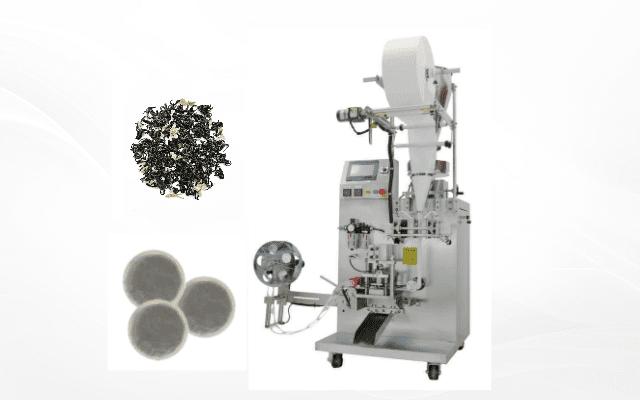
Clean and maintain an inner-and-outer tea bag line by following four separate paths: tea contact, filter-material handling, tag and string handling, and outer-film sealing. Remove leaf dust before it reaches sensors or jaws, protect calibrated dosing parts, keep thread routes free, and release the machine with complete inner and outer packs. All work must follow the supplier's manual and the facility's isolation and food-safety procedures.
The tea-contact zone includes hopper, feeder, measuring components, funnels, and exposed product paths. The inner-pack zone covers filter roll handling, forming, sealing, and cutting. The attachment zone manages thread, tag, and connection points. The outer zone presents protective film, codes, seals, and cuts. Marking these zones prevents one general cleaning instruction from overlooking different risks.
Define daily, product-change, campaign-end, and planned technical tasks for each zone. State which tasks operators may perform and which need authorized maintenance. Include safe cooling, isolation, dust collection, tools, approved agents, inspection, drying, part storage, and waste handling. Never use compressed air or improvised scraping unless the approved procedure specifically allows it.

Empty the supply path under the stated procedure and identify product that may be returned, segregated, or discarded. Tea leaves and dust can remain in hopper corners, gates, cups, weigh components, funnels, and flexible joints. Inspect with suitable lighting. A visibly empty hopper does not prove that a previous flavor or allergen has been cleared from the complete path.
Protect calibrated and delicate parts. Do not strike load cells, bend gates, change cup volume, or move sensor brackets while cleaning. Identify removable tooling by tea and dose range, then store clean pieces in a protected location. After reassembly, verify free movement and correct orientation without reaching into powered equipment.
Tea dust on rollers, guides, tension elements, registration devices, formers, and seal faces can alter material tracking or create weak areas. Clean surfaces with methods compatible with the supplied filter substrate and equipment. Inspect for scratches, residue, loose fasteners, worn coverings, and edges that could snag or shed material.
Document forming and guide references before removal. When the inner bag changes after cleaning, check correct roll loading, former seating, guide position, tension parts, sensor alignment, jaw contact, and cutter condition before compensating through parameters. Repeated tension increases can hide slip while deforming the bag.
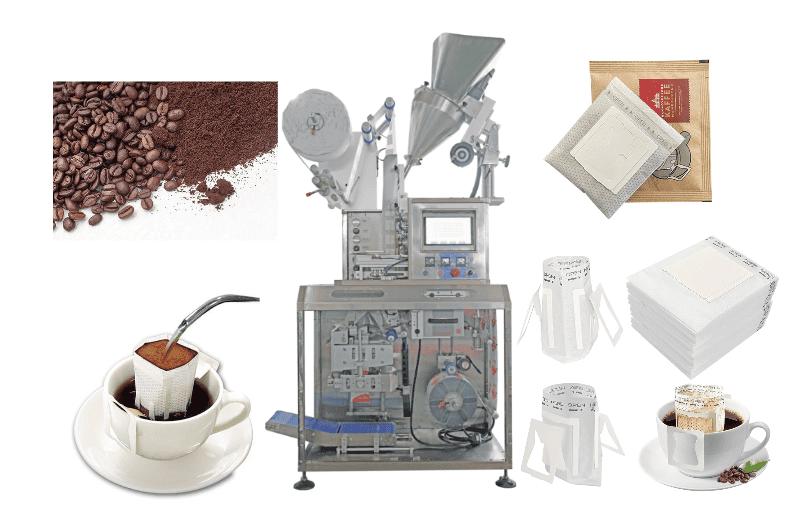
Thread dust, loose fibers, adhesive or attachment residue, and tag fragments can collect around guides, tension devices, cutters, applicators, and sensors. Follow the documented routing and keep a clear reference diagram at the machine. Avoid pulling thread across sharp edges or changing guide positions solely to clear a temporary jam.
Inspect tag supply, print orientation, dimensions, separation, thread length, attachment point, and cutter condition. A worn or dirty mechanism may create intermittent tangles that appear only after a roll change. Test several complete cycles after service and confirm the tag remains correctly presented through outer wrapping.
Outer film can pick up tea dust, thread pieces, or adhesive that later enters the seal. Clean unwind and tracking components, registration sensor, coder area, pull surfaces, jaws, and cutters under the approved cooled and isolated condition. Check sensor lenses, cable security, jaw coverings, temperature devices, and cooling or discharge surfaces.
Classify outer-pouch defects before changing heat: contamination, wrinkle, print misregistration, incomplete fusion, thermal damage, poor cut, or stress after discharge. Cleaning should restore the physical path, not create a hotter recipe. Use commercial film and the specified seal test when the machine returns to service.

Begin with supplier intervals, then refine local observations using operating hours, tea dust, attachment faults, material tracking, reject categories, and component condition. Daily checks can cover guards, residue, unusual sound, leaks, tag or thread path, sample appearance, and outer code. Planned work can include drives, bearings, cutters, heaters, sensors, pneumatic parts, electrical protection, and safety functions.
Lubricate only specified points with identified materials and quantities. Keep lubricant away from tea, filter material, thread, film, and seal faces. Over-lubrication can attract dust and conceal a failing seal. Investigate recurring wear or looseness rather than simply shortening replacement intervals.
Account for tools and loose components, restore guards, confirm utilities, and select the approved tea, tooling, filter material, tag, thread, outer film, and recipe. Start in the supplier's documented sequence. Initial material should be handled under the site's line-clearance and release procedure.
| Zone serviced | First post-clean check | Finished-pack evidence | Stop condition |
|---|---|---|---|
| Tea contact and dosing | Correct parts, free movement, no old residue | Ordered quantity and blend samples | Carryover, unstable feed, abnormal damage |
| Filter path | Roll direction, tracking, former, jaw condition | Bag dimensions and intact inner seams | Snag, wrinkle, weak seam, poor cut |
| Tag and thread | Routing, tension, attachment, print orientation | Correct length and secure presentation | Tangle, detachment, misplaced tag |
| Outer wrapper | Film, code data, registration, clean jaws | Readable code and tested closed pouch | Wrong identity, contaminated or weak seal |
Release only after complete packs pass quantity, appearance, inner integrity, attachment, code, outer seal, and handling requirements. A mechanism moving without alarms is not enough. Retain samples after startup and a normal stop-restart cycle.
Record observed condition, tea and materials, work performed, parts changed, parameters touched, safety checks, sample results, and release authority. Trend recurring tag jams, filter drift, dose variation, and outer-seal defects against cleaning and maintenance events. This can expose a moved guide or wearing cutter that ordinary totals hide.
For an inner and outer bag tea packaging machine, stock critical items according to failure consequence and lead time. Confirm exact revisions for cutters, heaters, coverings, sensors, belts, suction or pneumatic parts, tag components, and product-contact wear pieces. Preserve manuals, routing diagrams, recipes, software backups, and clean reference photographs with the installed configuration.
How often should the product path be cleaned?
Use the tea, allergen or flavor plan, campaign length, visible condition, and approved facility procedure. Immediate cleaning is needed when residue threatens seals or identification.
Why do tags tangle after a cleaning changeover?
Thread routing, guide position, tension, cutter condition, tag orientation, or reassembly may differ from the approved reference. Compare the physical path first.
Can water be used throughout the machine?
Not unless the supplied equipment and approved cleaning program permit it. Electrical, filter, thread, adhesive, and hidden areas may require different methods.
What should be checked after replacing a jaw covering?
Confirm correct part and installation, clean contact, temperature feedback, alignment, approved material, inner or outer seam quality, and restart samples.
Which cleaning evidence is most useful later?
Keep the route, tools, removed parts, residue findings, condition photographs, reassembly checks, complete pack samples, deviations, and release record.
Cleaning frequency should reflect the tea and observed condition. Fine dusty blends can coat sensors and seal faces quickly, while oily or flavored ingredients may leave residue that affects the next product. Review campaign length, allergen or flavor sequence, room conditions, and defect history. A fixed calendar can be either insufficient or unnecessarily disruptive when product severity differs.
Line clearance must include loose tea, filter rolls, tags, thread, printed outer film, coder data, rejected packs, samples, labels, and secondary cartons. Reconcile product identity before the next campaign. An inner bag left below a guard or an old tag roll can create a mix-up even when all product-contact surfaces have been cleaned.
Utilities and environmental systems deserve maintenance attention. Air leaks, unstable vacuum, extraction imbalance, temperature changes, and electrical cooling filters can affect pickup, attachment, dust control, and sealing. Record utility condition when faults recur. Repeatedly adjusting the machine around a facility problem consumes time and erases the useful baseline.
Periodically audit the cleaning procedure by watching trained staff perform it with normal guards and tools. Compare the written sequence with actual access, part handling, drying, storage, and inspection. Update documents through the site's control process when a safer or more reliable method is approved. Informal shortcuts should not become the default merely because they save a few minutes.
Keep reference samples after major maintenance. A clean empty run can confirm motion but not dose, tea containment, attachment, outer registration, code, or seams. Use the product and materials affected by the work and include the normal replenishment or restart event that previously exposed the fault.
Cleaning design should be considered when buying future options. New tag modules, mesh formats, printers, or conveyors can create hidden ledges and additional parts. Ask the supplier to update access, tools, spares, and service instructions with every installed modification instead of relying on the original manual.
Review service access after any guard, coder, conveyor, or attachment modification, and revise the approved task before the next maintenance interval.
Reliable tea-line maintenance depends on treating product, inner material, attachment, and outer wrapping as separate but connected zones. Remove residue without losing setup references, inspect wear by its pack-quality effect, and release with complete samples. Precise records turn recurring dust, tag, tracking, or seal issues into preventable maintenance work.

YISEN MACHINERY - The ONE-STOP VFFS PACKING MACHINE SOLUTION SUPPLIER
 Tel: +8617350750975
 Email: info@vffspackingmachinery.com
 MP/WhatsApp: +8617350750975
 Manufacturer Address:Meixi Road, Tongan District, Xiamen,Fujian,China