

Hot Keyword:
Author:YISEN Pouch Packing Machine Manufacturer TIME:2026-08-21
Buyers should define the complete accepted pack before trials. Every station then has a measurable contribution and a clear failure category.
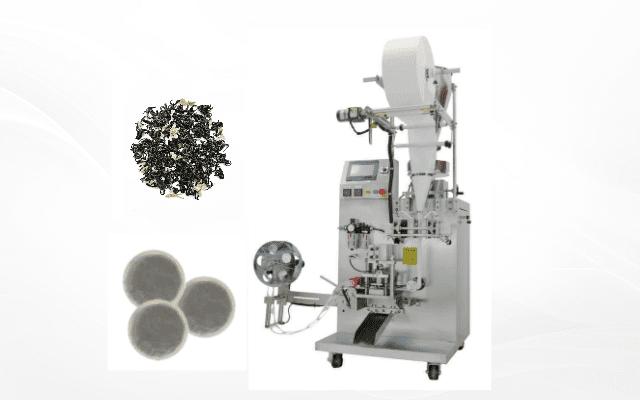
Inner-and-outer tea equipment ensures packaging quality only when it controls tea quantity, inner filter-bag integrity, tag and string placement, outer-pouch identity, sealing, and rejection as one traceable process. Quality comes from compatible materials, stable mechanical references, inspection, and documented response to defects. Automation can repeat a good setup, but it can also repeat a bad one quickly.
Define tea identity and quantity, inner dimensions, filter material, seam geometry, cut, string length, attachment, tag print and orientation, outer-pouch dimensions, material, artwork, code, opening feature, and seal requirements. Add the sampling and test methods plus defect classifications. “Good appearance” is not sufficient for consistent release.
Use drawings, approved samples, and tolerances that recognize converter and machine variation. Separate critical functional defects from cosmetic conditions. Product in a seam, wrong tea, missing code, or detached string may carry different consequences from a minor panel shift. The quality plan should state who decides disposition.
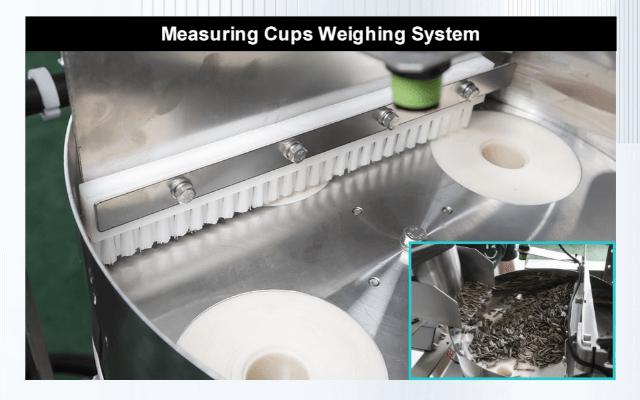
Characterize leaf size, density, dust, fragility, static, and blend composition. The feeder and doser must receive a stable supply without crushing or segregating ingredients. Record tooling and recipe. Test low hopper, refill, and batch end, because these conditions can change quantity or the share of large pieces and fines.
Measure ordered finished inner bags using the approved method. Total mass does not prove blend uniformity, so mixed teas may need separate composition checks. Observe tea lost before the bag, trapped in the seal, or collected as dust. Quantity results should connect to the actual sealed package.
The filter roll must unwind, track, form, seal, and cut without stretching, snagging, or shedding beyond the accepted specification. Confirm roll direction, dimensions, material construction, joints, and tolerances. Inspect bag length, width, folds, seam continuity, cut position, and any corner or attachment stress.
Use the tea product team's defined brewing or hot-water check where required. A seam can appear acceptable dry and fail during use. Product dust across the seal, damaged jaw surfaces, incorrect material orientation, unstable temperature feedback, or pulling before cooling can create different failure patterns. Classify the sample before adjustment.
Specify tag dimensions, print, orientation, thread type and length, attachment position, and pull or use requirement defined by the buyer. Check component presentation and roll or stack quality. A tag can be printed correctly but reversed, attached at the wrong location, or captured in an outer seam.
Inspect guides, tension, cutters, attachment parts, and sensors for buildup or wear. Verify replenishment and roll joints. Sample attachment through startup and restart, not only during a smooth run. When the attachment method changes, reassess both inner-bag strength and consumer use.
The outer material carries product identity and may provide protection defined by the packaging program. Verify construction, dimensions, print mark, unwind, stiffness, sealant, and code area. Ensure the completed inner bag, thread, and tag enter without folding into the outer seam or obscuring the code.
Inspect registration, pouch dimensions, opening feature, code content and readability, seam continuity, thermal damage, and cut. Apply the site's selected seal or leak test and expected handling. Barrier and shelf-life performance require separate qualified evidence; a good machine seal alone cannot establish the full product claim.
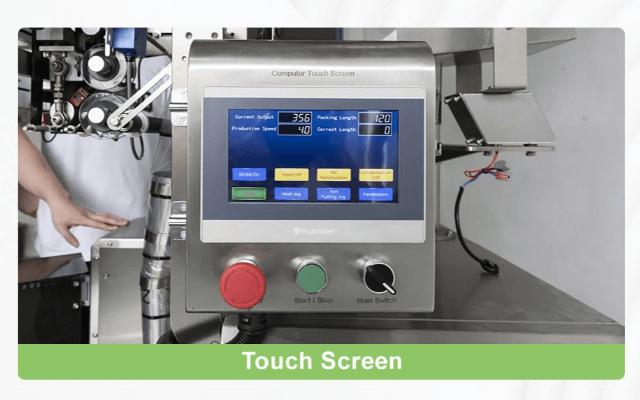
Sensors or vision may check material presence, registration, tag, code, seal region, or another configured attribute. Each function needs a documented defect set, challenge piece, test frequency, line response, and failure state. Presence detection does not prove correct identity or complete print unless the supplied inspection has demonstrated that capability.
Rejected packs must remain separated from accepted output and retain a reason. An empty inner bag, missing tag, bad code, and weak outer seam point to different stations. Track the package through the cycle so an early fault does not consume tea or outer material unnecessarily. Product recovery should follow the site's approved procedure.
Factory or site acceptance should use representative tea, filter roll, attachment components, and commercial outer film. Include startup, steady running, tea refill, tag and thread replenishment, roll change, planned stop, restart, and a common changeover. Keep lane or station identity where applicable and record every manual correction.
| Quality layer | Attribute to inspect | Challenge event | Evidence retained |
|---|---|---|---|
| Tea dose | Quantity, composition, leaf condition | Refill and low supply | Ordered samples and product references |
| Inner bag | Dimensions, seam, cut, hot-water integrity | Filter roll change and restart | Dry and use-condition samples |
| Attachment | Tag identity, orientation, thread, secure joint | Component replenishment | Pull or use checks and defect examples |
| Outer pouch | Identity, code, registration, seal, opening | Film splice and downstream handling | Tested retail packs |
| Reject system | Detection, tracking, separation, alarm | Known defect challenges | Challenge log and controlled rejects |
Acceptance counts only complete packages that meet the written checks. Any untested tea, material, format, or inspection function remains an open qualification item with an owner and required evidence.
Control recipes, tooling, component references, material suppliers, code data, and adjustment authority. First-off and periodic samples should cover the complete pack, while trend records separate quantity, inner, attachment, outer, and code defects. Sudden changes should be connected to product lot, component replenishment, cleaning, maintenance, or parameter edits.
An inner and outer bag tea packaging machine supports quality when maintenance protects its references and staff understand defect origins. After service, repeat affected checks before release. Preserve accepted samples, rejected examples, calibration or verification records where applicable, and software backups so future teams can compare the installed state.
Can one sensor guarantee complete pack quality?
No. Tea quantity, inner integrity, attachment, identity, code, outer seal, and handling require different evidence and defined sampling.
Why should rejected packs be classified?
Classification connects the defect to its originating station, supports product disposition, and directs corrective work instead of hiding issues in one total.
Does a correct average dose prove every tea bag is acceptable?
No. Individual variation, blend composition, leaf damage, seal contamination, and missing packs can be hidden by an average.
What should be checked after an outer-film change?
Confirm identity, roll direction, registration, dimensions, code, seam, cut, opening, and any change in material handling or seal process.
When is requalification appropriate?
Assess significant tea, material, tag, thread, tooling, software, inspection, format, supplier, or seal changes before extending the approved state.
Incoming material control protects the approved package. Inspect filter roll, thread, tags, outer film, and coding consumables against defined identity and critical dimensions. Preserve supplier lot information. If defect rates change after replenishment, this traceability helps distinguish converter variation from machine drift without readjusting the line around a bad lot.
Measurement and inspection devices require their own verification. Scales, temperature feedback, registration sensors, code readers, and seal tests should follow the site's approved procedures and intervals. A displayed number or green indicator is evidence only when the device's status and challenge are controlled. Record failures and affected production.
Code reconciliation is essential when outer films or varieties change. Identify the last accepted previous package and first accepted new package, remove old materials, confirm data, and control printed rejects. A perfect inner bag with wrong outer identity is a serious quality failure that mechanical seal inspection will not detect.
Downstream transport can create defects after primary inspection. Observe hot outer seams, conveyor transfers, accumulation, cartoning, and compression. Define how rejected packs leave the line and prevent them from rejoining accepted output. Repeat handling checks with the heaviest or most fragile complete package.
Operator qualification should include defect samples and abnormal events. Staff need to recognize whether a fault began in tea feed, inner material, attachment, outer film, coding, or discharge, and know their adjustment limits. Consistent classification improves corrective work and prevents random parameter changes under production pressure.
Package quality also includes consumer opening and brewing behavior defined by the product team. A correctly sealed outer pouch should open at the intended feature without tearing the inner bag, and the tag or string should remain usable. Include these checks in development and repeat them after meaningful component changes.
Supplier corrective action should begin with preserved evidence. Send defect samples, lots, settings, event time, and photographs rather than only a description. Material converter, machine supplier, tag provider, and tea team may all own part of the cause. A shared factual record avoids adjusting one system around another supplier's variation.
Periodic review should compare defect trends with tea lots, material suppliers, maintenance, and format changes. A slow increase in one category may appear before a limit is exceeded. Investigate the pattern while evidence remains available, and confirm that corrective work improves the original complete-pack attribute.
Review these standards after customer complaints, stability findings, or repeated station-specific defects, and document any approved revision before production resumes.
Tea packaging quality is a layered result: controlled product, intact filter bag, reliable attachment, correct outer identity, closed seams, and disciplined rejection. Write the full package standard and challenge each layer under normal events. This gives buyers evidence that the integrated line repeats accepted packs rather than merely completing cycles.

YISEN MACHINERY - The ONE-STOP VFFS PACKING MACHINE SOLUTION SUPPLIER
 Tel: +8617350750975
 Email: info@vffspackingmachinery.com
 MP/WhatsApp: +8617350750975
 Manufacturer Address:Meixi Road, Tongan District, Xiamen,Fujian,China