

Hot Keyword:
Author:YISEN Pouch Packing Machine Manufacturer TIME:2024-12-01
The process is best understood station by station. A fault at pickup can appear later as a fill or seal defect, so each transfer needs its own check and reject response.
A premade-pouch line works by loading converted pouches, separating and picking one pack, opening and confirming it, presenting it to a filling station, clearing the top area, sealing it, and discharging the finished package. Rotary and horizontal arrangements organize those steps differently, but both rely on accurate pouch presentation and coordination with the chosen filler.
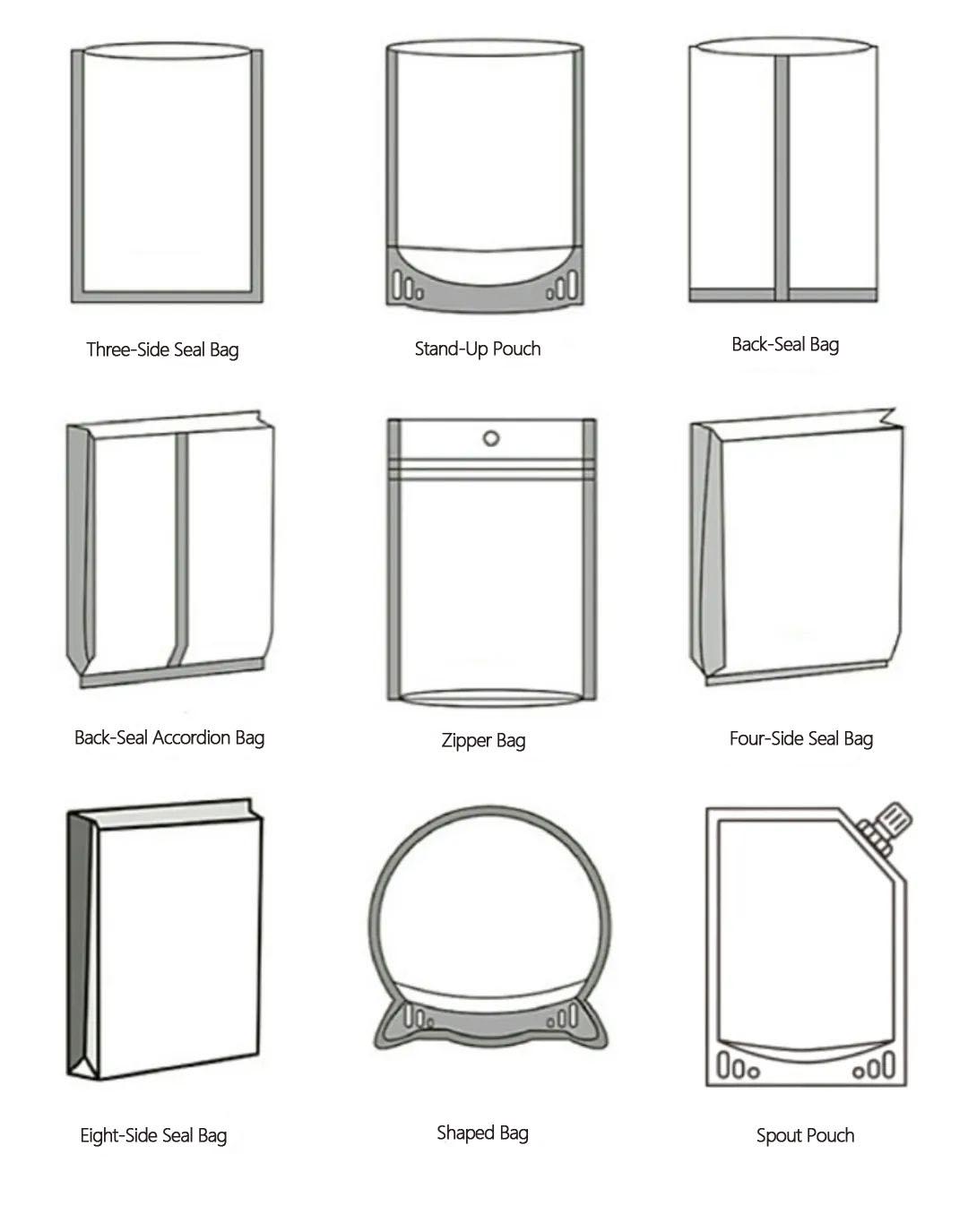
Operators place bundles or stacks into a magazine according to the converter's presentation direction. Pouch dimensions, curl, static, zipper thickness, spout position, gusset folding, and surface friction affect how the supply behaves. The magazine guides should support the pack without distorting it and allow replenishment under the approved operating procedure.
Material specifications should include dimensions and tolerances, bundle orientation, storage, and any interleaving or packaging used by the converter. Test pouches from normal production lots. A perfectly flat hand sample does not represent packs exposed to storage pressure or humidity. Poor presentation at the magazine often leads to double picks or missed cycles.
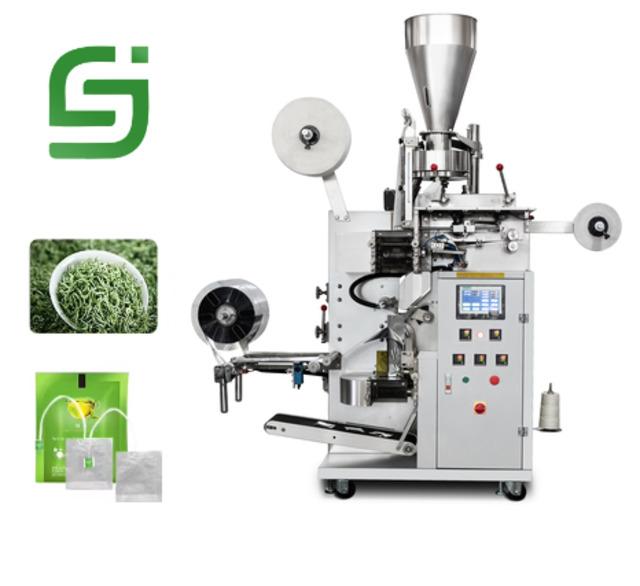
Vacuum cups, grippers, belts, or other mechanisms separate the leading pouch and transfer it to a holder. Pickup position and surface condition are important; artwork coatings, dust, wrinkles, or a zipper can reduce grip. Vacuum level alone does not prove that one pouch was selected. Some systems use presence or double-pouch checks, whose behavior should be tested.
The transfer must keep the pouch square and at a repeatable height. A skewed pack may still reach the filler but seal at an angle. Inspect suction cups and grippers for wear and cleanliness, and protect their reference positions. If a pouch is missing or doubled, the machine should follow a defined reject or no-fill sequence rather than releasing product blindly.
Opening devices pull apart the top layers while air or mechanical features may help establish the cavity. Zippers and gussets can make this step more demanding. The pouch holder needs to maintain the correct mouth width and depth without tearing the material. The filler should not enter until the package is confirmed open where that control is supplied.
Test the smallest opening, stiffest material, and normal converter variation. Observe whether corners remain closed, the zipper is fully separated, or the pouch collapses before filling. Opening failure should be classified separately from pickup failure. This makes it possible to adjust guides, suction points, material condition, or timing based on evidence.
The filler is selected for powder, granules, pieces, liquid, or paste and communicates with the pouch cycle. Its nozzle, funnel, or chute must fit the opening with clearance for product variation. Product supply and dosing should be stable before the fill permission is given. A valid pouch should receive one dose; a missing or unopened pack should receive none.
Watch the full product drop. Long pieces can bridge, powder can dust, granules can bounce, and liquids can drip. The fill station may use support or vertical nozzle motion according to the application. Accuracy and product condition must be measured in finished pouches through startup, refill, and restart.
After filling, the pouch may need time or controlled motion to settle product below the closing area. Features can flatten the mouth or remove excess air depending on the pack. Dust extraction, deflection, or cleaning devices may be proposed, but they must not remove product unpredictably or damage the material.
The top area must arrive flat, aligned, and clean. A zipper, spout, notch, or gusset changes the available sealing region. Define fill level and headspace from the finished package drawing. If product remains in the seal, correct the fill path and settling process rather than relying on greater heat to close across contamination.
Guides bring the top layers together before heat-seal jaws apply the process required by the commercial laminate. Temperature, pressure, dwell, jaw contact, and material orientation must remain inside the qualified window. Some configurations use more than one sealing or cooling station. The exact sequence should be shown in the machine layout and functional description.
Inspect seam continuity, position, wrinkles, channels, thermal damage, zipper contamination, and handling strength. Cooling and discharge matter because a hot seam can be pulled by the pouch weight or conveyor. Use the buyer's agreed leak or seal test and retain samples after normal stop and restart.
The holder releases the pack to a conveyor, chute, or collection point. Heavy or unstable pouches may need bottom support and limited drop. Confirm orientation for coding, inspection, counting, cartoning, or case packing. A package that leaves the sealer correctly can still be punctured, folded, or stressed by an unsuitable transfer.
| Cycle station | Required confirmation | Typical defect if uncontrolled |
|---|---|---|
| Magazine and pickup | One pouch in correct orientation | Missed, doubled, or skewed package |
| Opening | Mouth fully available for filling | No fill, spill, damaged top, incomplete dose |
| Filling | Correct product and controlled cutoff | Wrong quantity, damage, contamination |
| Top preparation | Flat and clean seal region | Wrinkle or product channel |
| Sealing and discharge | Qualified seam protected during transfer | Leak, hot-seam pull, puncture, poor orientation |
Quality checks can include package identity, quantity, appearance, code, closure, seam, and downstream handling. The reject path must keep failed packs controlled and prevent rejected product from being counted as accepted output.
Control logic tracks each pouch through the stations so product is not dispensed into an invalid position. Test what happens after an opening fault, filler not ready, seal-temperature deviation, guard opening, downstream blockage, and power recovery. The restart sequence should identify affected pouches and the checks needed before normal production resumes.
For a prefabricated bag packaging machine, changeover includes magazine guides, pickup position, holders, opening devices, filler parts, top guides, seals, recipe, and code. Witness the full conversion with actual packages. A broad pouch-size range does not show how much mechanical work or inspection each format requires.
Why does the machine sometimes pick two pouches?
Static, curl, surface friction, magazine pressure, worn pickup parts, or package variation can contribute. Inspect material and pickup conditions before changing vacuum.
How does the line avoid filling a closed pouch?
Opening confirmation and cycle tracking can inhibit fill, depending on the configuration. The buyer should test the supplied detection and failure response.
Can one machine run zipper and plain pouches?
It may, with suitable pickup, opening, guides, sealing, and recipes. Both commercial formats require trials and documented change parts.
What causes wrinkles in the top seal?
Skewed presentation, poor mouth flattening, gusset position, product, zipper, material curl, or uneven jaw contact can create wrinkles. Identify the physical source.
Is a rotary design always faster than a horizontal design?
No universal conclusion is valid. Compare exact configurations by accepted output, pouch range, filler integration, changeover, access, and plant layout.
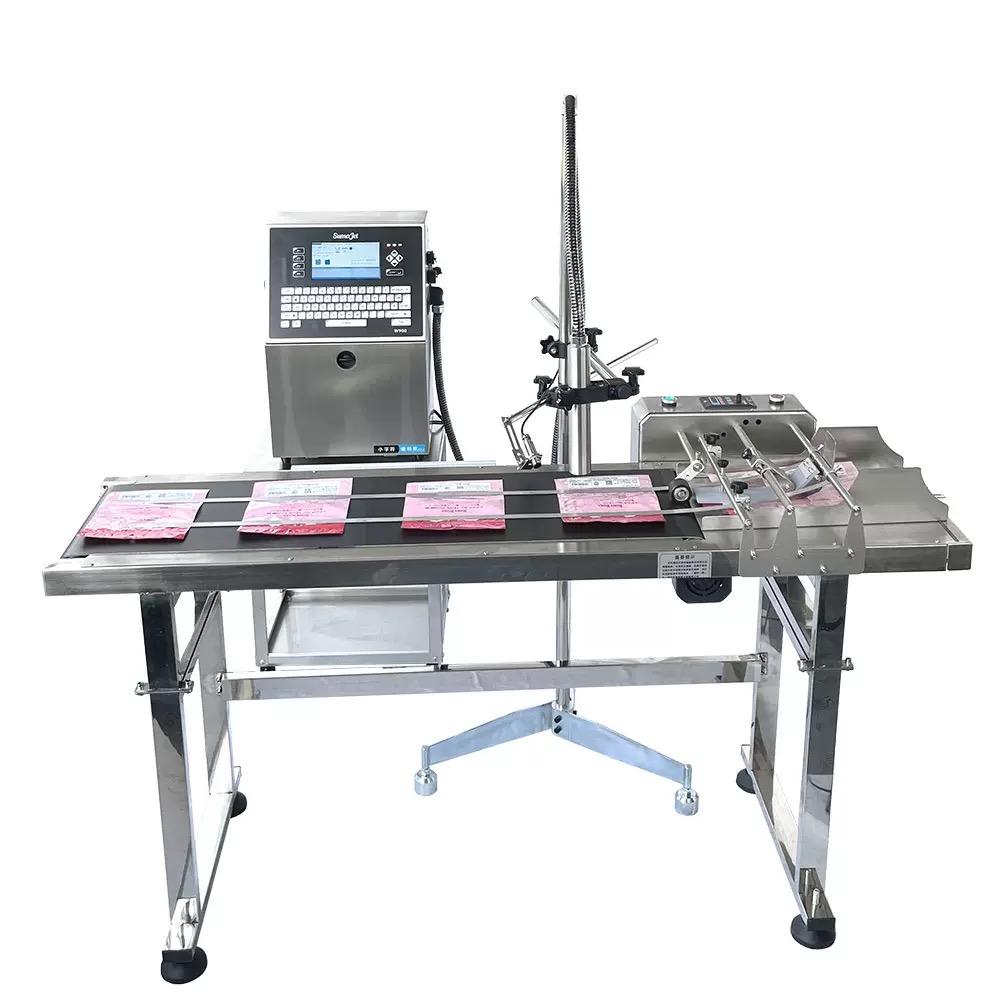
Coding may occur before or after filling depending on the line. Its trigger must follow the correct pouch and place legible information within the approved area. Test missing supply, incorrect data, and a stopped conveyor. If a pouch is rejected earlier in the cycle, tracking should prevent the next package from receiving mismatched variable information.
Reject handling deserves physical review. An unopened, empty, misfilled, or poorly sealed pouch may require a different disposition, particularly when product can be recovered only under an approved process. The reject station should keep failed packs separate from accepted output and provide enough information to investigate the originating station. A bin count alone does not identify the cause.
Utility variation can expose weak station control. Test approved low-air or vacuum alarms, loss of filler-ready signal, and recovery after temperature interruption. The machine should stop in a predictable position and identify pouches that might be incomplete. Restoring utilities should not cause an automatic dose into a package whose opening state is unknown.
Maintenance access should allow inspection of pickup cups, grippers, holders, opening parts, filler interfaces, top guides, jaws, and sensors without losing all setup references. Ask for wear indicators and recommended spares. After parts are replaced, repeat station checks in order so a skew introduced at pickup is not discovered only at the sealer.
Pouch inventory management can prevent apparent machine faults. Rotate lots according to the package supplier's guidance, preserve bundle orientation, and avoid crushing stacks under excessive weight. Before adjusting pickup around a new delivery, compare dimensions, curl, surface, and storage with the approved reference.
Capacity should be reported as accepted pouches through normal replenishment and reject handling. Missed cycles may protect product quality by refusing invalid packs, but they still affect output. Track the station causing each miss so improvements target presentation rather than simply weakening detection.
Retain accepted station references after each qualified format change.
Premade-pouch operation is a chain of package presentation, verified opening, synchronized filling, clean top preparation, sealing, and protected discharge. Each station must pass correct information to the next and respond predictably to faults. A station-by-station trial with commercial pouches reveals the real operating capability and supports a controlled changeover plan.

YISEN MACHINERY - The ONE-STOP VFFS PACKING MACHINE SOLUTION SUPPLIER
 Tel: +8617350750975
 Email: info@vffspackingmachinery.com
 MP/WhatsApp: +8617350750975
 Manufacturer Address:Meixi Road, Tongan District, Xiamen,Fujian,China