

Hot Keyword:
Author:YISEN Pouch Packing Machine Manufacturer TIME:2026-08-21
Buyers should evaluate applications by product behavior, package architecture, campaign size, cleaning, and complete-pack acceptance. The limits are as important as the options.
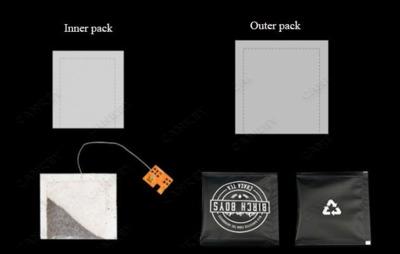
An inner-and-outer tea bag line can serve multiple applications when its feeding and dosing system covers the approved tea range, its filter-bag and attachment tooling supports defined formats, and its outer wrapper handles qualified materials and artwork. Multi-function capability is a matrix of proven combinations, not one recipe that packages every leaf, bag, and sales channel.
Create families using leaf dimensions, density, dust, fragility, inclusions, dose, inner bag geometry, filter substrate, string and tag, outer material, code, and secondary package. Products can share a family only when one controlled configuration and cleaning method produce accepted packs across the stated variation.
List the most difficult member of each group. Fine tea may challenge dust and seals; long leaves may bridge; fruit pieces may segregate; a thick tag may misfeed; a paper-like outer roll may track differently. This boundary member should lead the trial instead of an easy reference tea.
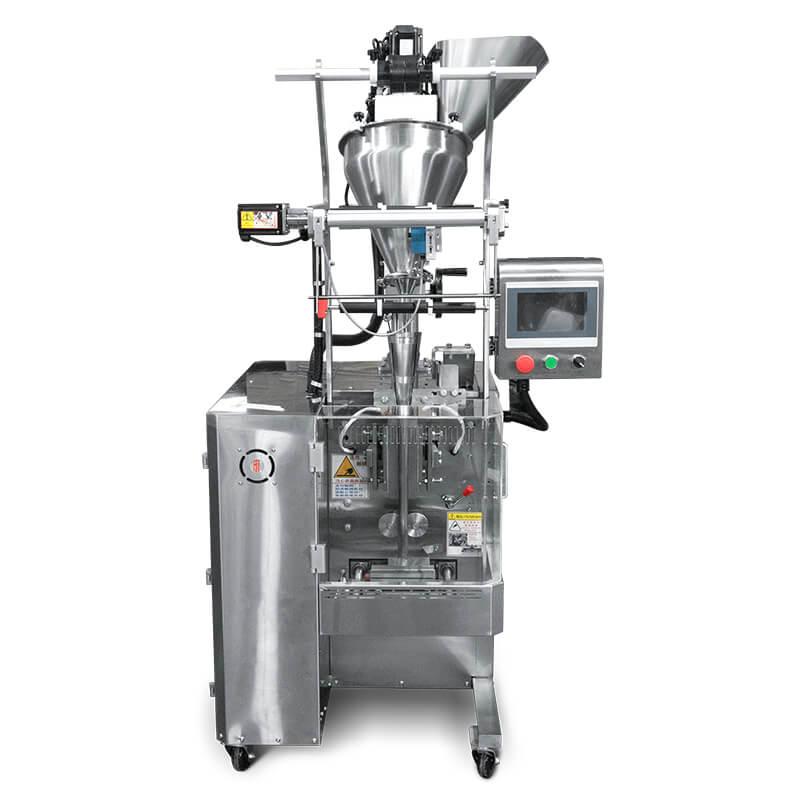
Cut tea, fannings, and relatively uniform blends may support compact inner bags and common serving quantities when the feeder controls dust and density. Define the dosing method, hopper level, filter opening, seam cleanliness, and outer protection. A free-flowing tea can still change after refill or absorb moisture in an open hopper.
Everyday formats often prioritize repeatable portions, readable variety codes, easy opening, and efficient cartons. Measure accepted output during the normal order size rather than a short stable window. Include tag and film replenishment, sampling, and transition between common varieties.
Whole leaves, herbs, flowers, and fruit blends need larger passages, gentle movement, and enough inner volume. Measure three-dimensional pieces and blend composition. A tea that fits the hopper may still catch in the dosing gate or filter opening. Excess vibration can create fines and separate light from dense ingredients.
Compare incoming and packed condition plus ordered composition samples. Select a bag size that leaves headspace and supports the product team's brewing requirement. If the standard flat inner format cannot meet the need, a different forming module or another machine family may be required; multi-function should not force a poor package.
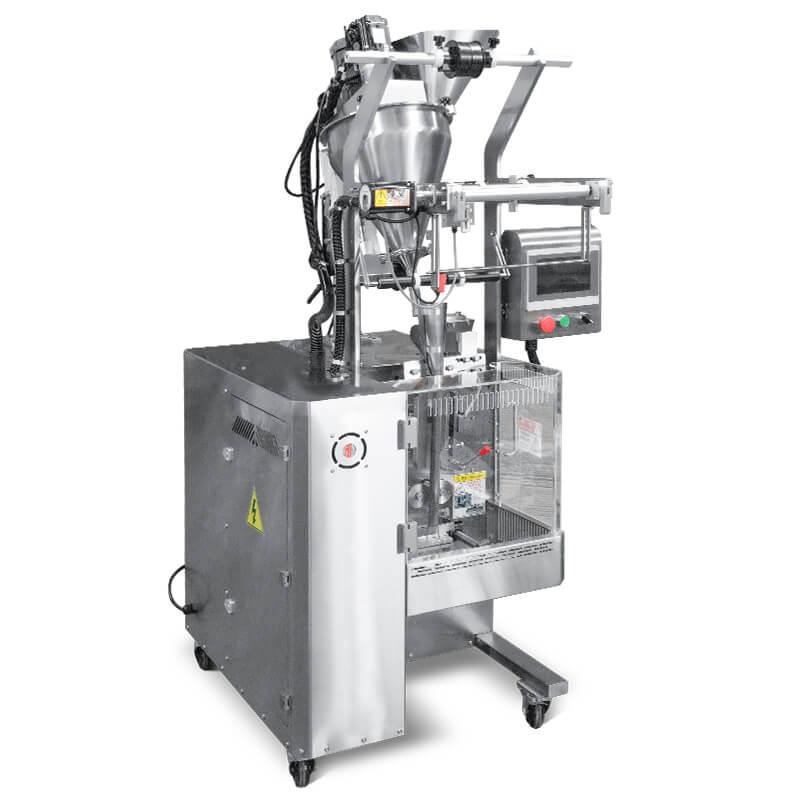
Hospitality packs may require clear identification, compact cartons, and dependable opening for fast service. Retail products may use stronger branding, individual protection, and varying pack counts. Assortment boxes add the need to control variety and code during secondary packing. The primary line should discharge in an orientation and sequence compatible with these tasks.
One inner bag can sometimes serve several channels through different outer artwork and cartons, provided product protection and package rules remain qualified. This reduces tooling changes while preserving channel identity. Conversely, a customer-specific tag, outer dimension, or language code may create a distinct component family even when the tea is unchanged.
A string and tag support consumer handling and can identify brand or variety. Specify length, attachment, print, orientation, and feed presentation. The outer pouch can support the defined barrier, identity, opening, and cleanliness. Coding can provide required variable information when its authorized source, position, and verification are controlled.
Each function adds material and failure modes. Tags can tangle, thread can enter the seal, outer film can drift, and code can be wrong while perfectly legible. The line should detect or sample these conditions through a written plan and classify rejects by the originating station.
Recipe changes can restore approved dose, length, seal, code, and timing. Tooling conversions may replace cups, chutes, formers, guides, tag parts, seal sets, or cutters. A new filter substrate, attachment method, inner geometry, or unsupported outer format may need engineering. Document the category and acceptance path for every application.
Keep physical components identified and connect them to recipes. Software cannot confirm that the correct former or dosing part is installed. Measure changeover from last accepted to first accepted pack, including tea removal, cleaning, materials, code, setup, and release. A wide nominal range may be impractical for short campaigns.
Use a trial matrix rather than demonstrating applications one by one without structure. Challenge the largest leaf, dustiest tea, smallest and largest dose, narrowest inner bag, longest string, thickest tag, and most demanding approved outer material. Include refill, component replenishment, stop, restart, and a representative conversion.
| Application family | Difficult boundary | Complete-pack checks | Conversion need |
|---|---|---|---|
| Fine everyday tea | Dust and low-dose repeatability | Quantity, inner seam, code, outer seal | Recipe or dosing-part confirmation |
| Whole-leaf tea | Largest fragile pieces and bag space | Damage, composition, dimensions, brewing sample | Chute, doser, or forming tooling |
| Herbal or fruit blend | Density and ingredient segregation | Representative mix and clean package | Feed settings plus cleaning review |
| Hospitality range | Frequent variety and code transitions | Identity, opening, count-ready discharge | Material and code recipe control |
| Premium retail pack | Tag and outer presentation | Attachment, artwork, seal, handling | Component and material qualification |
Approve only the demonstrated combinations and variation. A successful whole-leaf run does not automatically qualify another blend with larger fruit pieces. Keep untested applications in a development state.
Compare demand, order size, tea and material yield, component minimums, storage, obsolescence, cleaning, changeover, quality sampling, downstream work, and maintenance. Flexible equipment can reduce the need for separate lines, but frequent conversions may lower usable capacity and increase startup material.
The inner and outer bag tea packaging machine proposal should name installed applications, tooling, recipes, material ranges, coding, secondary interfaces, spares, documents, training, and acceptance. Ask the supplier to price future modules separately and state what evidence will be needed. This makes portfolio growth a controlled decision.
Maintenance capability also limits multi-function use. More tooling and materials create more reference positions, wear parts, storage locations, and post-service checks. Build visual standards and preventive tasks for each family. A platform remains flexible when the local team can restore every approved setup, not only when the supplier can demonstrate it.
Production scheduling can improve effective flexibility. Sequence products by tea similarity, cleaning risk, inner tooling, tag, and outer material while respecting quality requirements. Prepare future campaign components outside the stopped machine where safe. This reduces change time without weakening line clearance or forcing incompatible products into one family.
Can the same machine package black, green, and herbal tea?
Possibly, when their physical behavior, dose, inner format, cleaning, and materials remain within separately tested and approved combinations.
Does a saved recipe complete the format change?
No. It restores parameters while parts, tea, filter roll, tag, thread, outer film, code, cleaning, and first-off quality still need confirmation.
When should a separate machine be considered?
Consider it when geometry, product handling, contamination control, campaign demand, or conversion time makes one shared platform impractical.
How should future applications be specified?
Provide tea samples and properties, package drawings, materials, dose, components, demand, utilities, inspections, and the evidence required for approval.
What proves genuine multi-function performance?
Boundary trials, repeatable changeovers, complete accepted packs, controlled cleaning, documented tooling, and local operator recovery provide meaningful evidence.
Variable coding can extend applications across dates, lots, languages, or customer programs, but its data source and approval need control. Test print position and readability with every qualified outer material. Reconcile old and new packages at transitions so flexibility does not create an identity mix.
Secondary packaging determines whether one primary format can serve several channels. The same outer sachet may enter a retail carton, hospitality box, or assortment when code, count, orientation, and protection remain suitable. Document the manual or automatic interfaces and include their capacity in the portfolio decision.
Utilities and facility layout can limit application changes. New modules may require air, extraction, heating, electrical load, drainage, or more service space. Confirm installed connections and safe access for every approved configuration. Do not assume an option fits because the control system can display its recipe.
Service planning should preserve the multi-function matrix. Stock common and format-specific wear parts, keep backups, and train technicians to restore reference positions. After maintenance, release the affected family with its difficult boundary product. Change control prevents a repair for one application from reducing capability for another.
Application expansion should follow a formal intake process. Require samples, product data, package drawings, demand, cleaning, code, and acceptance before assigning a trial. This stops urgent sales requests from bypassing the technical boundary and creating undocumented recipes.
Retain one approved complete pack and setup record for each active family. During future changeovers or fault reviews, teams can compare dimensions, materials, code, tag orientation, and appearance directly. Remove obsolete references promptly so they cannot be mistaken for current production standards.
Audit the active matrix periodically against real orders. Remove unused options, consolidate compatible materials, and plan new trials only where demand and technical fit justify the work.
Keep all untested combinations clearly outside the production-ready matrix.
Multi-function tea packaging is a managed portfolio of product and package families. Group applications by real behavior, qualify difficult boundaries, identify recipe and tooling changes, and include campaign economics. The result is useful flexibility with explicit limits, rather than a broad capability statement that production cannot repeat.
Format trials should govern feature selection.

YISEN MACHINERY - The ONE-STOP VFFS PACKING MACHINE SOLUTION SUPPLIER
 Tel: +8617350750975
 Email: info@vffspackingmachinery.com
 MP/WhatsApp: +8617350750975
 Manufacturer Address:Meixi Road, Tongan District, Xiamen,Fujian,China