

Hot Keyword:
Author:YISEN Pouch Packing Machine Manufacturer TIME:2024-12-09
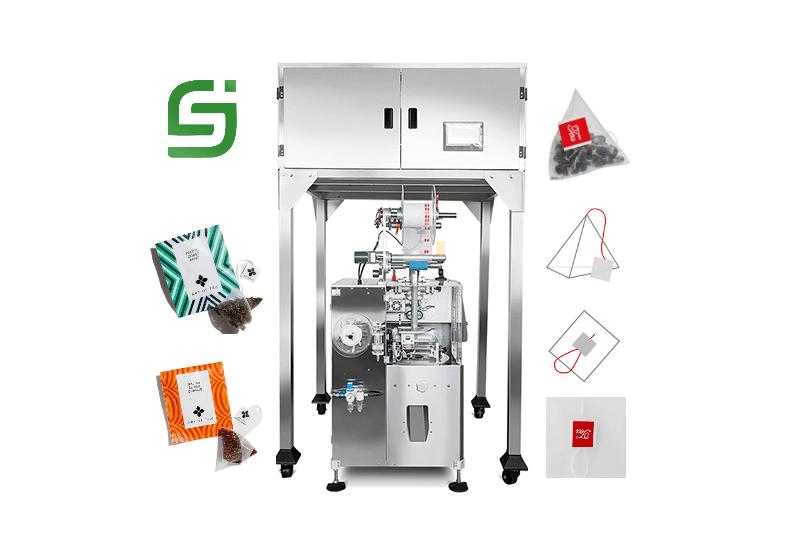
A lower cutter on a tea bag packaging machine separates or trims material at a defined lower cutting position so the package can achieve its intended length, edge, and transfer condition. Its exact function depends on the machine design: it may work with a sealing cycle, a web path, or another cutter rather than acting as an independent quality feature. Buyers and technicians should identify the cutter on the delivered drawing and observe what material it cuts before adjusting it. Correct timing, alignment, sharpness, and guarding determine whether it supports clean packages or creates tears and stoppages.
Tea bag machines use different forming and material routes. A component called the lower cutter by one supplier may not have the same location or duty on another model. Consult the machine drawing, parts list, operating sequence, and supplier description. Trace the material from unwind or feed to sealing and discharge.
Observe the cutter during a safe, authorized setup or test mode as specified by the manufacturer. Determine whether it separates filter paper, mesh, envelope film, thread, a connected package strip, or another element. Note which preceding seal or index establishes the cut position and what downstream station receives the separated material.
This identification prevents incorrect maintenance. Replacing or moving a cutter based on a generic article can disturb package length, seal allowance, synchronization, or safety. The installed configuration is the controlling source.
A controlled cut establishes a physical boundary. It may separate one finished inner tea bag from the next, trim excess material, or prepare a unit for transfer. The position should leave the intended seal allowance and produce an edge that does not fray, pull, curl excessively, or remain connected.
Package length is created by material feed and cut timing together. If the web advances incorrectly, changing cutter position may hide the dimension briefly while moving the cut into a seal. Measure feed, registration where present, seal position, and finished length before deciding which component is responsible.
A clean cut also supports transfer. A partially connected bag can drag, rotate, or jam the next station. A prematurely separated unit can fall before a gripper or conveyor is ready. Cutting is therefore part of material handling, not only appearance.
Many flexible packages are sealed before or around the cutting event. The cutter should separate material in an approved area without reducing the functional seal or contacting product. If the cut enters a heat-affected or thick multilayer region, force and edge quality may change. The package drawing should show the intended reference.
Tea fragments in the seal can create an uneven surface and interfere with cutting. Diagnose product contamination at dosing and drop timing rather than increasing cutter force. Likewise, a weak or incomplete seal is not repaired by a cleaner edge.
A tea bag packaging machine should be released by checking both operations. Inspect seal continuity and integrity with the producer's method, then examine cut location and edge. Treating them as one vague defect can lead to the wrong adjustment.
Filter paper, nonwoven or mesh structures, thread, and envelope film have different fibers, thickness, stiffness, coatings, and sealing layers. A blade and anvil combination that cuts one cleanly may pull or crush another. Material direction and tension can also influence the edge.

Use production material during qualification. Record supplier, specification, lot, orientation, and machine setup. A plain substitute can prove motion but cannot establish final cut quality. If the material changes, review blade suitability, timing, support, and seal relation before production.
Keep the material path clean. Adhesive residue where used, melted film, tea dust, fibers, or damaged guides can alter tension and contaminate the cutter. Cleaning methods should protect sharp edges and precision surfaces.
The cutter must reach the material at the correct machine phase and across the intended line. Timing may be mechanical or controlled, depending on design. Alignment, blade-to-anvil relationship, support, and clearance affect cut force and wear. Follow the manufacturer rather than using an invented universal gap.
Before adjustment, verify material feed, sensor or mark detection, sealing position, fasteners, bearings or guides, air supply where pneumatic, and drive condition. Change one reference at a time and record the original position. Repeatedly moving the blade to chase a wandering web will not correct tracking.
| Cut symptom | Evidence to inspect first | Likely decision path |
|---|---|---|
| Edge is incomplete across full width | Blade condition, support, actuation, and material | Restore cutting condition before increasing force |
| Only one side remains connected | Parallelism, local wear, contamination, and alignment | Map the defect position and correct the local cause |
| Cut enters the seal | Feed length, registration, timing, and package reference | Identify which position shifted before moving hardware |
| Material tears instead of cutting | Sharpness, blade type, tension, and approved specification | Review tool condition and material compatibility |
| Bag jams after separation | Release timing and downstream transfer state | Coordinate cutter with the receiving mechanism |
After adjustment, tighten and verify using the specified method. Do not leave an undocumented temporary offset. It can make later changeover or maintenance start from a false baseline.
Retain failed packages in production order and mark their orientation. A defect that stays on one side suggests local blade, anvil, alignment, or support. A cut that moves relative to print or seal suggests web feed, registration, tension, or timing. Intermittent tearing after residue accumulates points toward cleaning or material behavior.

Compare failures with startup, roll splice, speed change, stop, restart, and material lot. A cutter may perform while warm, clean, and stable but fail after a pause or roll replacement because another condition changed. Evidence should lead the sequence of checks.
Avoid compensating for wear with escalating force or timing beyond approved limits. This can overload actuators, bearings, anvils, and safety systems. Replace or restore the worn component and then return to the documented reference.
Cutters present laceration and stored-energy hazards. Isolate the machine using the manufacturer's and site's approved procedure before cleaning, inspection, removal, or replacement. Use suitable handling tools or protection specified for the blade. Never reach through guards or defeat an interlock to clear a partially cut bag.
Inspect blade edge, mounting, anvil or support, fasteners, actuation, guides, sensors, and guarding. The maintenance interval depends on material, cycles, contamination, and evidence. Track replacements and defect trends rather than changing blades only after repeated production failure.
Store spare blades in protective packaging with clear part identity. Confirm compatibility with the installed holder and material. Dispose of worn sharp parts through the site's controlled process.
Restore guards, account for tools, confirm correct parts, and follow the prescribed startup. Use intended material and tea. Inspect first packages for dose, seal, finished length, cut location, edge condition, thread or tag where applicable, and transfer into the next station.
Run enough output to reach normal temperature and speed, then include a controlled stop and restart. A cutter can appear correct in slow setup mode yet interact differently with production web tension or transfer timing. Record samples and the final reference.
Close the maintenance record with symptom, cause, part, adjustment, safety check, package results, and approver. If material was substituted during service, schedule confirmation with the commercial specification before release.
Include the cutter in format-change documentation when different bag lengths, materials, or cutting positions are approved. The sheet should identify blade or holder part, mechanical reference, timing or recipe value, material orientation, and first-off edge criteria. This prevents a successful setup from being lost when another tea bag format runs.
When ordering a machine or spare, ask the supplier for a clear component name, drawing location, material duty, replacement procedure, compatible part number, expected adjustment references, and acceptance sample. These details are more useful than requesting a lower cutter option without knowing how it participates in the delivered package sequence.
Keep one accepted cut sample with the maintenance reference where site procedures allow. It gives technicians a clear edge and position target after future replacement.
Does every tea bag machine use the same lower cutter design?
No. Location, material, actuation, and relationship with sealing differ. Use the delivered drawings and supplier information.
Can a cutter fix a tea bag with an open seal?
No. Cutting and sealing interact physically, but seal integrity requires clean compatible material and a controlled seal process.
Why does only one side fail to cut?
Local wear, contamination, support, pressure, or alignment may be involved. Preserve orientation and map repeated defects.
Should cutter force be increased as the blade wears?
Do not exceed approved settings to hide wear. Inspect and replace or restore the cutting components as specified.
What must be checked after cutter replacement?
Verify guarding, part identity, alignment, timing, package length, seal allowance, edge, and downstream transfer under production conditions.
The lower cutter gives material a controlled boundary and supports package separation and transfer, but its exact duty belongs to the installed machine sequence. Identify what it cuts, preserve the seal reference, qualify the material, and diagnose defects by location and event. Safe maintenance followed by a production-speed package test keeps the cutter from becoming an undocumented adjustment point.

YISEN MACHINERY - The ONE-STOP VFFS PACKING MACHINE SOLUTION SUPPLIER
 Tel: +8617350750975
 Email: info@vffspackingmachinery.com
 MP/WhatsApp: +8617350750975
 Manufacturer Address:Meixi Road, Tongan District, Xiamen,Fujian,China