

Hot Keyword:
Author:YISEN Pouch Packing Machine Manufacturer TIME:2025-04-07
The configuration is most persuasive when lane-specific trials show clean cutoff, balanced dosing, registered packages, and practical changeover with the actual liquid and film.
An intermittent multi-lane liquid line is worth considering when a plant needs many small, repeated flexible packs and can keep every lane supplied, dosed, sealed, inspected, and cleaned consistently. Parallel lanes can increase simultaneous output and use one coordinated web path, but they also multiply nozzles, seals, cuts, and quality samples. The reason to choose one should be accepted demand, not the largest cycle figure.
In an intermittent process, film or package motion pauses for defined operations before advancing. Several narrow packs can be formed and filled across the web in parallel. This arrangement can provide time for coordinated dosing and sealing, but the exact cycle depends on package length, material, filler behavior, seal requirements, cut mechanism, and connected equipment.
The motion label does not prove suitability for every liquid. Viscosity, particles, foaming, stringing, temperature, and cutoff affect how quickly each lane can deliver a clean dose. Buyers should compare the exact model and product trial rather than assuming intermittent or continuous motion is inherently superior.
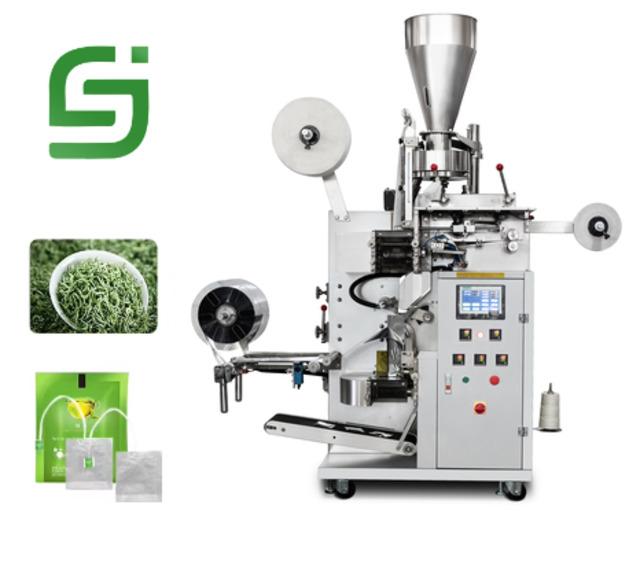
Calculate required packs by shift and product campaign, then subtract planned cleaning, film loading, product refill, quality sampling, format change, and downstream handling time. Use good output after inspection. Multiplying lanes by nominal cycles can overstate production if one faulty lane causes repeated stops or if operators cannot collect and check the parallel packs.
Review upstream and downstream capacity. The liquid supply must maintain condition and level without starving the filler, while coding, counting, cartoning, or bulk collection must accept the combined discharge. A multi-lane packer simply moves the bottleneck when connected systems cannot keep pace.
The product route may divide from a common tank or manifold into repeated pumps, pistons, valves, hoses, and nozzles. Geometry, pressure, temperature, air, and hose condition can create lane differences. The design should allow inspection, drainage, identification, and controlled adjustment. Dead legs or long unequal paths deserve specific review.
Test at normal and low supply, during refill, and after a pause. Watch each nozzle for delayed drops, splash, stringing, or particles. If heating or agitation is used, verify that product condition remains representative at all branches. Record the installed parts and do not average away one unstable lane.
Label samples by lane and sequence. Quantity, contamination, seam, code, and cut defects should remain traceable. A combined average can appear acceptable while one lane consistently fills high and another low. Sampling plans need enough coverage to show startup, stable operation, refill, stop, and restart behavior.
Correction should follow the physical cause. A valve or nozzle problem needs inspection; a common product-condition shift may affect every lane; one seal station may have local contact or contamination. Lane-level data is useful only when the team can connect it to hardware and a controlled response.
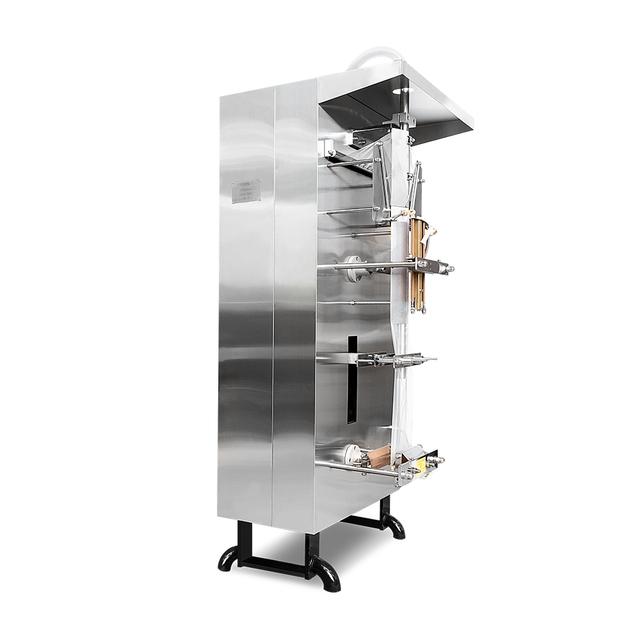
A wide printed web must remain square and tensioned so artwork, longitudinal seals, transverse seals, and cuts align across all lanes. Converter tolerances, roll winding, edge condition, stiffness, curl, and print marks can affect the result. Test commercial film through splices and normal roll changes.
Inspect edge and center lanes for temperature, pressure, and contact differences. Confirm seal widths, channels, thermal damage, code placement, cut separation, and opening features. Cooling and discharge should not tangle or pull connected packs. If strips remain joined for downstream counting, define perforation or cut requirements explicitly.
Multiple lanes create repeated contact parts and more opportunities for residue or incorrect reassembly. Trace the tank, manifold, pumps, valves, hoses, and nozzles. Define draining, removal, cleaning agents, inspection, storage, and lane identification. A fast rinse claim does not show whether every branch is reached and released.
Witness cleaning after a realistic run, not only with unused equipment. Confirm access without unsafe reaching, tools, part weight, gasket control, and the checks required after assembly. If one lane retains product, it can contaminate the next recipe or cause an unstable first dose.
Changing sachet width may require a different lane arrangement, sealing set, slitting or cutting parts, film, and filler spacing. Bag length and quantity can be recipe variables only within mechanical and product limits. Ask which formats use the same lane count and which require substantial conversion.
Use the production mix to value flexibility. A high-lane configuration is efficient for long campaigns but may be less attractive for many short runs requiring full cleaning and tooling changes. Estimate last-good to first-good conversion time and material used during setup. Include storage and handling of wide rolls and change parts.
Run the most difficult liquid, smallest opening, and commercial film through representative events. Record each lane's samples, interventions, reject category, web adjustments, refill, and restart. Challenge missing film registration, low product, coder fault, and downstream stop where those functions are included.
| Purchase reason | Evidence that supports it | Hidden cost or risk to examine |
|---|---|---|
| Parallel accepted output | Lane-specific good-pack count over defined time | Sampling, collection, and one-lane stoppages |
| Consistent small doses | Ordered quantity data for every lane | Manifold imbalance, valve wear, product refill |
| Compact primary packaging | Approved web layout and facility drawing | Wide-roll handling and service clearance |
| Repeatable presentation | Registration, seal, code, and cut samples | Across-web variation and converter tolerance |
| Campaign efficiency | Usable output including cleaning and changeover | Repeated contact parts and format tooling |
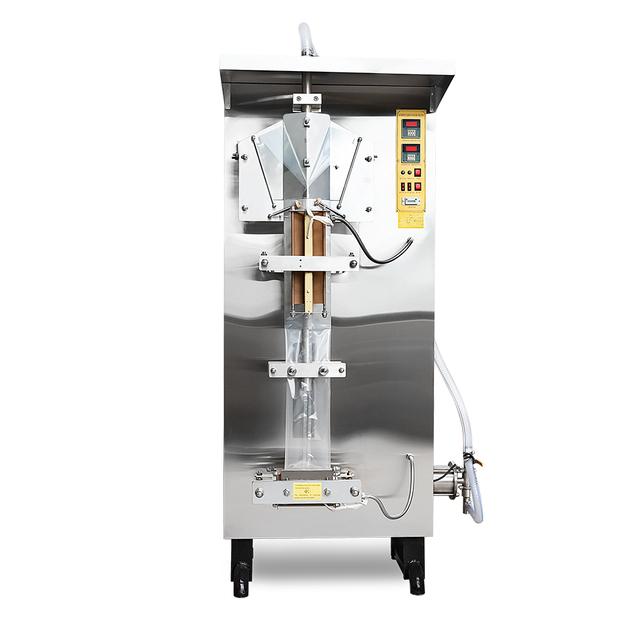
The automatic liquid packaging machine scope should itemize supply, dosing lanes, film system, coding, inspection, discharge, utilities, controls, guarding, documents, spares, training, and acceptance. This makes the business case traceable to included equipment.
Does adding lanes always increase usable output?
No. Product supply, lane balance, web control, quality sampling, cleaning, and downstream handling determine whether parallel cycles become accepted packs.
How should dosing accuracy be reported?
Keep lane and sequence identity through key operating events. Do not use only one overall average for all nozzles.
Can lanes be disabled individually?
This depends on the design and control strategy. Ask how disabled lanes affect film use, dosing, seals, rejects, and acceptance.
Which liquid is most useful for the trial?
Use a representative difficult condition, considering viscosity, particles, temperature, foam, and cutoff, plus the intended film and quantity.
What is the main maintenance concern?
Repeated product and sealing components must remain identifiable, cleanable, balanced, accessible, and supported with appropriate spares.
Utility demand can scale with lane count. Review compressed air, electrical load, heating, product conditioning, extraction, cooling, and gas supply where applicable under simultaneous operation. Pressure or temperature at the common inlet may look acceptable while the farthest branch receives different conditions. Include approved low-utility challenges and alarms in functional testing.
Web yield deserves its own calculation. Wide film can create substantial scrap during threading, registration, splicing, seal setup, and format change. Record material from roll loading to first accepted multi-lane output and at campaign end. A high production rate can offset setup loss on long runs but perform poorly on short orders. Use the actual order pattern.
Ask how the system behaves when one lane is unavailable. Some designs may continue with controlled blank positions; others require the full web and lane set. Define product dosing, seals, cuts, coding, reject tracking, and accepted-output counting in that state. Never improvise disabling a nozzle or heater without supplier and site authorization.
Quality staffing must match the number of simultaneous packs. Establish lane identification, sample collection, scale or test capacity, retained-pack storage, and response to one-lane failure. Automated inspection can help only when its challenge and reject process are defined. If samples lose lane identity at discharge, slow drift may remain hidden.
Workforce capability should be considered alongside technology. Multi-lane cleaning, hose or nozzle identification, across-web alignment, and troubleshooting require disciplined training. Use visual references and controlled parts storage. During acceptance, let site users perform a supervised recipe change and recovery so the supplier can correct unclear instructions before handover.
Product-contact parts should carry durable lane identification. Hoses, valves, nozzles, seals, and change parts that look identical can still have matched calibration or wear history. Cleaning and maintenance carts should keep lanes separated until verified reassembly. After swapping parts for diagnosis, document the move and repeat the affected samples.
Expansion planning should distinguish installed spare capacity from a future promise. Additional lanes may require a new manifold, wider web handling, sealing hardware, controls, utilities, and downstream equipment. Ask the supplier to define the physical and software limits of the purchased frame. Reserve only interfaces that have a realistic business case.
Commissioning should verify the lane map from control screen to physical nozzle, seal, cut, code, and sample position. Clear identification prevents a quality alert on one lane from sending technicians to the wrong hardware.
Intermittent multi-lane liquid equipment is compelling when repeated small packs, stable campaigns, and connected line capacity justify parallel operation. Its value must be proven lane by lane through dosing, web handling, seals, cuts, cleaning, and recovery. A full-scope trial shows whether the extra channels create accepted output or merely additional complexity.

YISEN MACHINERY - The ONE-STOP VFFS PACKING MACHINE SOLUTION SUPPLIER
 Tel: +8617350750975
 Email: info@vffspackingmachinery.com
 MP/WhatsApp: +8617350750975
 Manufacturer Address:Meixi Road, Tongan District, Xiamen,Fujian,China