

Hot Keyword:
Author:YISEN Pouch Packing Machine Manufacturer TIME:2025-04-10
Begin with the finished pack rather than a catalog speed. Potato chips in a pillow bag, nuts in a zipper pouch, a cereal bar in a fin-seal wrap, and bite-size pieces in a lidded cup need different product paths. This guide explains where each equipment type fits, what tends to limit it, and how to compare options with representative product and packaging materials.
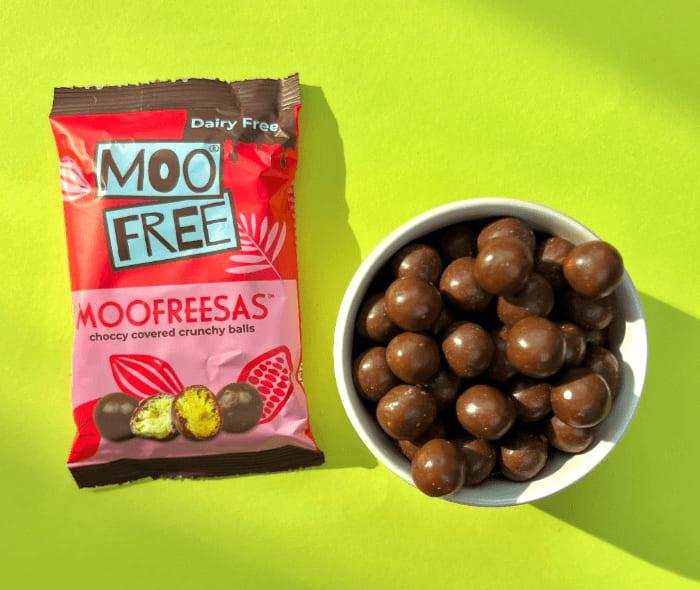
Four machine families cover most common snack projects: vertical form-fill-seal systems for loose product, premade-pouch lines for retail formats with more features, horizontal flow wrappers for individual or grouped pieces, and fillers for rigid cups, tubs, jars, or trays. None is universally best. The sensible choice follows the product's fragility and flow, the package customers will handle, and the amount of format change the plant can manage.
A snack description should include the variation a machine will encounter. Record the largest and smallest pieces, bulk density range, fines, surface oil or seasoning, static, breakage sensitivity, and tendency to bridge or segregate. Note whether product arrives warm, whether it changes after holding, and whether a refill surge alters the mixture. A bag of regular chips and a bag containing irregular clusters can behave differently in the same hopper.
Define the commercial pack just as precisely. Film or pouch drawings should show dimensions, seal zones, print registration, zipper or notch position, gas-flush requirement if applicable, and acceptable headspace. Rigid packs need rim geometry, nesting behavior, lid or membrane details, and closure checks. State whether packs are sold individually, loaded into display cartons, or combined upstream, because the discharge arrangement has to support the next operation.
Finally, separate current formats from possible future ones. A machine can be made flexible, but wider ranges may add change parts, adjustment points, cleaning work, or unused capability. Ask the supplier to mark every quoted format as tested, calculated, or still subject to a trial.
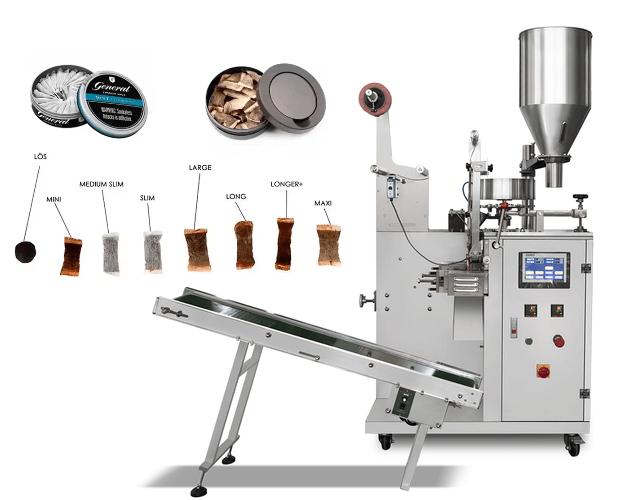
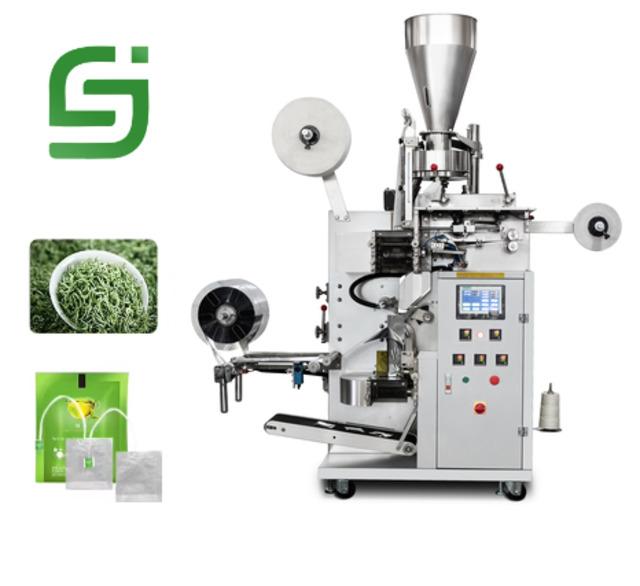
A vertical system forms a bag from rollstock around a forming tube, makes the longitudinal seal, receives a measured portion, and closes the cross seals. It is a practical starting point for loose snacks sold in pillow, gusseted, or related flexible formats. A combination weigher is often paired with the bagger when the product divides into pieces that can be distributed among weigh buckets.
The bagger and dosing unit must be evaluated as one process. A short vertical drop can help limit breakage, while poorly arranged transfer chutes can undo that advantage. Lightweight pieces may bounce or catch at the forming tube; seasoning can collect on contact surfaces; fines may reach the seal. Product timing, bag length, anti-static provisions where required, and jaw-close timing all influence the finished result.
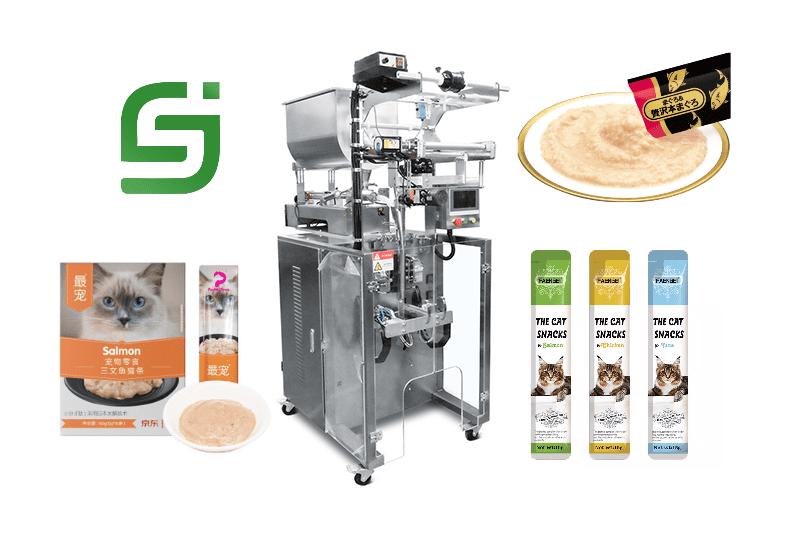
Rollstock can make this family attractive for repeated bag production, but film behavior must be proven. Check tracking, curl, friction, registration marks, sealant response, and the effect of trapped product. Review the smallest and largest intended bag because forming-tube clearance and product fall time can change the operating window.
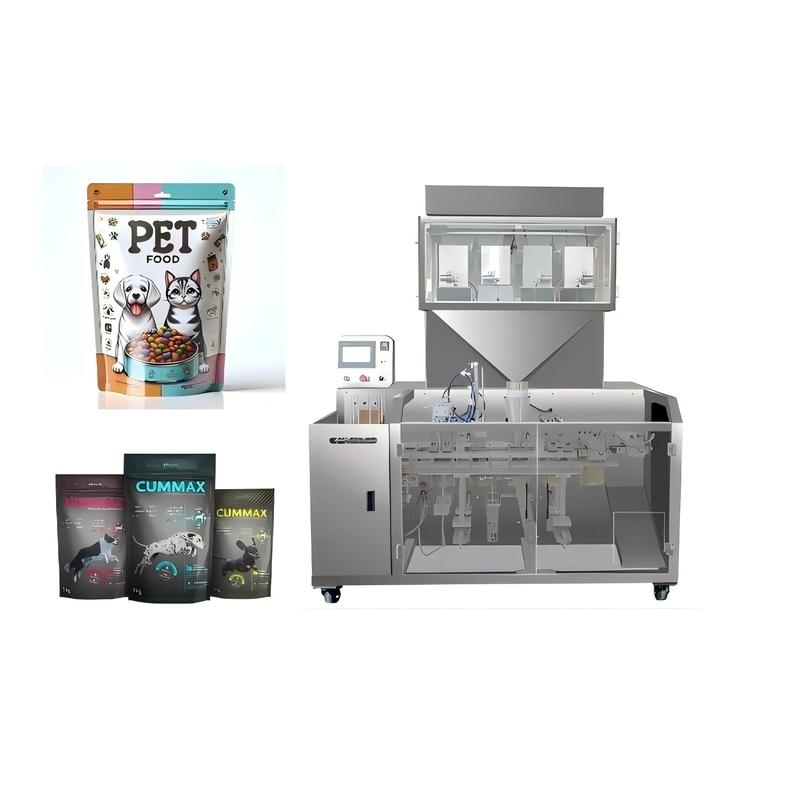
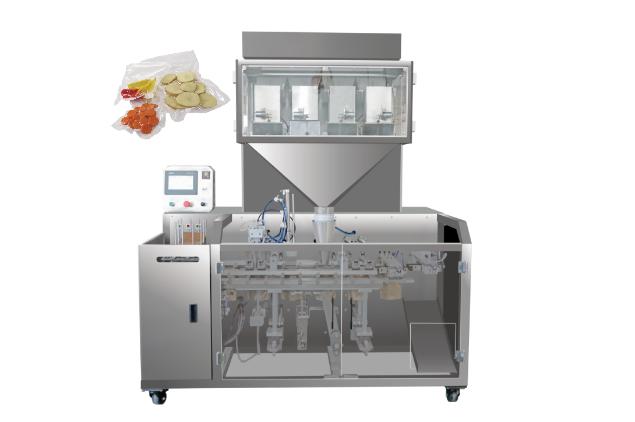
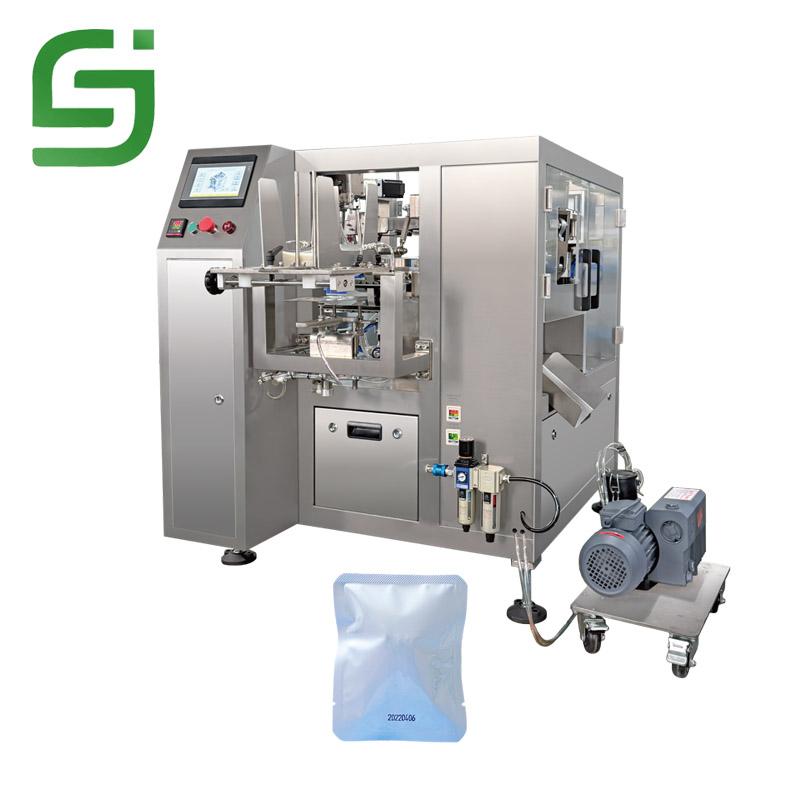
Premade-pouch equipment receives an already converted pouch, opens it, presents it for filling, and closes the top seal. This route suits formats whose construction is difficult or undesirable to create from rollstock on the packaging line, including stand-up pouches, zipper packs, and shaped presentations. It also shifts part of package formation to the pouch converter, which changes both material cost and incoming-quality control.
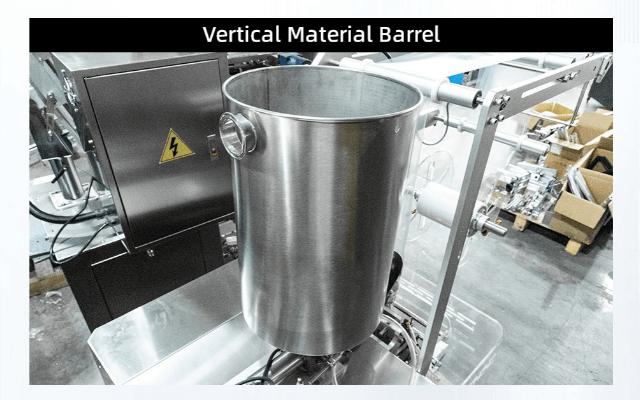
Pouch pickup and opening are central checks. Variations in mouth cut, stiffness, zipper profile, static, curl, or stacked orientation can create intermittent faults that a short demonstration misses. The grippers must hold the pouch through opening, dosing, settling, and sealing without distorting the top. If the product is bulky, the open mouth and fill funnel need enough usable area to prevent pieces from resting across the seal band.
Ask how unopened, unfilled, and unsealed pouches are detected and handled. Wasting an empty pouch is different from releasing a product-filled pack with a weak closure. A meaningful trial includes normal pouch variation and verifies zipper cleanliness, top-seal appearance, coding location, and downstream stability.
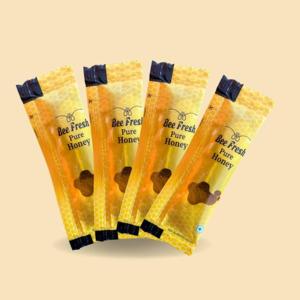
A horizontal flow wrapper carries discrete items along an infeed, surrounds them with film, creates a longitudinal fin or lap seal, and makes end seals between products. It is commonly considered for bars, biscuits, cakes, crackers in orderly groups, and other pieces that can be presented with controlled spacing. Unlike a loose-product bagger, its performance begins with individual product orientation and pitch.
The infeed is therefore part of the packaging machine, not a simple conveyor to purchase later. Products arriving in contact, turned sideways, broken, or at uneven intervals can place material in the end-seal zone. Feeding may be manual, lane-based, or automated, but the agreed supply condition must match the test. Where pieces vary in length, sensor strategy and cut position need to be demonstrated with that variation.
Film machinability, seal temperature window, product clearance, and package tightness affect presentation. A wrapper that looks suitable for a firm bar may not treat a delicate coated cake the same way. Inspect scuffing, crumbs near seals, crushed edges, empty wraps, and the behavior of packs during acceleration into downstream handling.
Cups, tubs, jars, and trays provide structure that flexible packs do not. They may suit snacks needing reclosure, portion sharing, display stability, or physical protection. The line normally denests or indexes containers, meters product, controls the rim area, applies a lid or membrane, and discharges the closed pack. Closure technology and container supply are as important as the filler.
Test denesting with the approved container, including surface finish and dimensional variation from normal production. Static or tight nesting can cause doubles and misses. During filling, the container must remain stable while pieces settle without contaminating the rim. A lightweight cup filled with a high, uneven product heap may behave poorly during transfer even if the target mass is correct.
Closure checks depend on the chosen pack. Snap lids need engagement around the circumference; heat-sealed membranes need a clean flange and a compatible sealing structure; jars may require controlled cap application. Define inspection and reject logic for missing containers, missing doses, contaminated rims, and incomplete closures before treating the rigid format as a solved project.
Breakage is cumulative. Each elevator, hopper, feeder, weigh bucket, chute, and drop adds an opportunity for impact or abrasion. Map the product path from the line inlet to the bottom of the pack. Compare samples before and after the system using an agreed method, such as a sieve profile, count of visibly damaged premium pieces, or another measure relevant to the product. Avoid inventing a universal breakage limit.
Portion control must reflect what is being sold. Net-weight products need a sampling and control plan that accounts for individual piece mass and product distribution. Counted products need reliable separation and detection. Volumetric dosing can be useful where bulk density is stable enough for the commercial requirement, but seasoning, fines, and settling may change the relationship between volume and mass.
Control refill conditions during the trial. A full hopper may feed differently from a low one, and mixed snacks can segregate as small dense pieces settle. Record weight behavior, recipe distribution, and piece condition after a refill instead of evaluating only the easiest stable interval.
The machine type narrows the field; it does not finish the selection. Space, operator access, material logistics, coding, checkweighing, reject handling, cleaning, format change, and downstream case packing can decide whether a concept works in the plant. Compare accepted production over a defined period, including stops and rejected packs, rather than comparing nominal cycles from different scopes.
| Machine family | Best starting application | Critical proof point |
|---|---|---|
| Vertical form-fill-seal | Loose snacks in rollstock bags | Product fall, film tracking, and seal cleanliness at format limits |
| Premade-pouch line | Feature-rich retail pouches | Reliable pickup, opening, grip, and top sealing across pouch variation |
| Horizontal flow wrapper | Individual or grouped pieces | Infeed spacing and end-seal clearance with real product variation |
| Rigid-container filler | Cups, tubs, jars, or trays | Denesting, rim control, closure integrity, and stable discharge |
Ask for one scope sheet that identifies every included feeder, platform, guard, conveyor, coder interface, inspection signal, and format set. A low machine price can become an expensive line if essential product handling or change parts are outside the quotation.
Send normal product plus the approved extremes: light and dense pieces, the fragile shape, a high-fines sample, and product carrying its typical oil or seasoning. Supply commercial film, pouches, and containers rather than convenient substitutes. Agree on pack quality checks, sampling points, permitted adjustments, and the duration of the observed run before the trial begins.
Include startup, steady operation, low product level, refill, a planned stop, and restart. Record every correction and reject by reason. Keep finished packs from each condition so weight, seal, appearance, breakage, and closure can be reviewed together. A short video is useful context, but it should accompany a run log and samples rather than replace them.
When loose snacks and flexible bags are the confirmed route, the snacks packaging machine options can be reviewed against that evidence. The supplier response should show which formats were demonstrated, which require parts or development, what the buyer must provide upstream, and how unresolved items will be closed before dispatch.
Which type is usually considered for potato chips?
A vertical bagger with a suitable weighing and transfer system is a common starting concept. The answer still depends on bag style, fragility, seasoning, fill volume, gas handling, and required accepted output.
When is a premade pouch worth considering?
Consider it when the retail pouch has features or construction better supplied by a converter, and when the plant accepts the incoming-pouch controls and material economics. Opening and sealing trials remain essential.
Can one machine pack both bars and loose nuts?
Those products normally require different feeding and package-forming concepts. A flow wrapper controls discrete pieces; a loose-product bagger receives measured portions. Shared downstream equipment may be possible, but the primary machine should match the product presentation.
How can snack breakage be evaluated fairly?
Agree on a product-specific measurement, sample before and after the line, and test at normal refill and speed conditions. Keep handling outside the machine consistent so the comparison remains meaningful.
Should the fastest quoted option win?
No. Compare accepted packs, intervention frequency, changeover work, waste, cleaning, labor, and downstream compatibility. A higher cycle setting has little value when the rest of the line cannot sustain it.
The four equipment families solve different packaging problems. Vertical systems form bags around measured loose product; premade-pouch machines handle converted retail packs; flow wrappers enclose controlled pieces; rigid-container lines fill and close cups, tubs, jars, or trays. Choosing among them is primarily a product-presentation and package decision.
Once that family is selected, test the full product path with commercial materials and realistic operating events. The strongest buying record links piece quality, portion control, closure integrity, rejects, stops, and format work to specific trial conditions. That evidence reveals which line can protect the snack and deliver the pack the market actually needs.

YISEN MACHINERY - The ONE-STOP VFFS PACKING MACHINE SOLUTION SUPPLIER
 Tel: +8617350750975
 Email: info@vffspackingmachinery.com
 MP/WhatsApp: +8617350750975
 Manufacturer Address:Meixi Road, Tongan District, Xiamen,Fujian,China