

Hot Keyword:

Author:YISEN Pouch Packing Machine Manufacturer TIME:2026-08-22
Checklist for Tea Bag Machine Buyers Before Factory Acceptance Testing is best understood as a structured buying question rather than a simple product label.
A professional article should not treat these details as separate fragments.
The scope also includes what the article does not claim. It does not promise one universal answer for every project.
Classification is the first step in serious evaluation.
| FAT phase | Tea bag line condition | Evidence to retain |
|---|---|---|
| Cold startup | Real tea and approved packaging materials loaded from a stopped machine | Startup settings, first acceptable bag, and rejected setup pieces |
| Stable production | Agreed bag format and target fill running without hidden intervention | Timed sample groups, dose checks, seal views, thread/tag position, and envelope condition |
| Stop and restart | Short controlled stop followed by normal recovery | Restart time, rejected output, corrections, and first released sample |
| Fault challenge | Selected material shortage, tracking, temperature, or tag/thread condition | Alarm response, safe correction steps, and output isolation method |
| Handover | Operator repeats approved setup and inspection without technician takeover | Signed training record, recipe, manuals, spares, and open punch-list actions |
FAT terminology: A trial phase identifies when a sample was produced. A retained sample links visible output to settings and materials. A punch-list item records an unresolved defect, document, training action, or follow-up. Shipment approval means the agreed blockers have been closed with evidence; it does not mean destination-site installation checks can be skipped.
The working principle is the cause-and-effect logic behind the buying decision. Buyers should ask how each specification changes real performance. The article should therefore explain relationships, not only list features.
For example, filling accuracy cannot be judged alone. It interacts with seal temperature, bag length, and the surrounding operating environment.
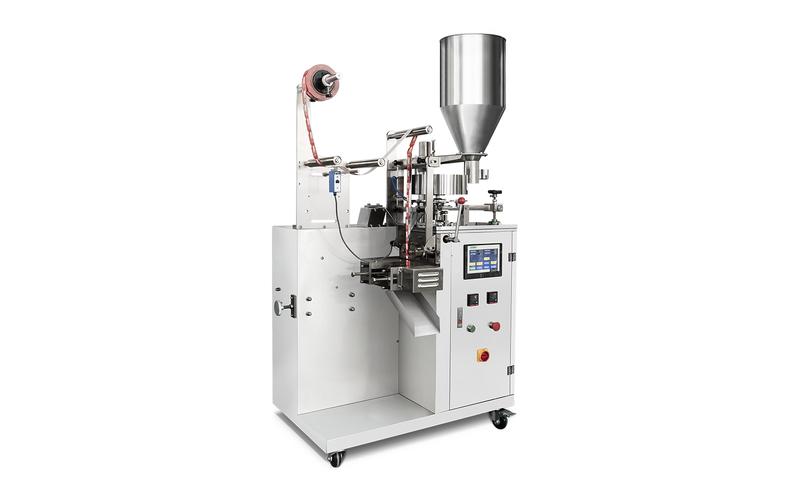
Before requesting a quote, buyers should convert the topic into a specification checklist. The checklist should contain measurable facts, not only adjectives.
| Inspection point | What the buyer checks | Record |
|---|---|---|
| Tea dose | Sample collection method and variation across startup, stable run, refill, and restart | Sample ID, measured result, target, and disposition |
| Inner bag | Shape, paper or mesh condition, product near the seal, cut position, and containment | Accepted and rejected physical samples |
| Thread and tag | Attachment, length, position, movement, and consistency where fitted | Close photographs and labeled samples |
| Outer envelope | Registration, wrinkles, seal continuity, code, and relationship to inner-bag count | Material lot, setting, and finished envelope sample |
| Reject handling | How doubtful bags are detected, separated, counted, and investigated | Reject category and correction evidence |
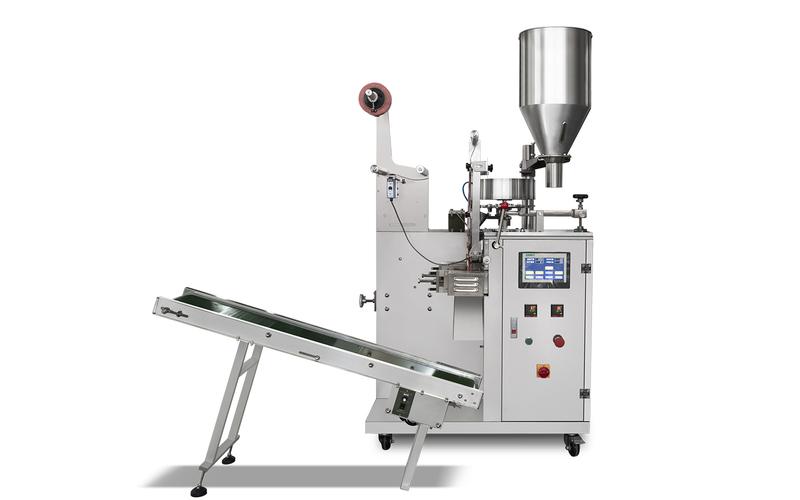
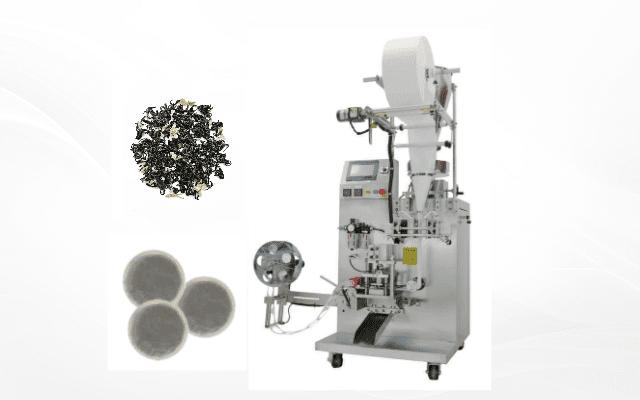
During FAT planning, confirm the exact scope shown on the tea bag packaging machine options page and reconcile it with the tested filler, bag format, thread/tag, envelope, coding, and discharge functions.
Method note: A practical evaluation method is to divide the decision into three layers: product evidence, operating evidence, and supplier evidence. Product evidence includes measurable facts such as filling accuracy, seal temperature, and bag length. Operating evidence includes how the product behaves during repeated use.
Evidence should be proportional to order risk.
Limitations and buying assumptions: No specification can answer every project condition by itself. Buyers should therefore read every claim as conditional.
Evidence summary: Reliable evaluation depends on measurable facts, realistic conditions, supplier transparency, and buyer preparation.
Acceptance note: A useful tea bag FAT makes rejected output, recovery work, and operator actions visible. A flawless short run with no retained record gives the buyer less protection than a structured trial that explains what changed and why the final sample was released.
The buyer decision framework should begin with the problem, not the catalog. This framework turns a general inquiry into a professional procurement discussion.
| Punch-list class | Decision rule | Required closure |
|---|---|---|
| Shipment blocker | Approved tea bag cannot be produced or a safety/containment requirement is unresolved | Correct and repeat the affected FAT condition before approval |
| Document blocker | Configuration, recipe, drawing, manual, or included scope does not match the tested line | Issue the corrected controlled document |
| Training action | Local operators cannot repeat an essential setup, recovery, cleaning, or inspection task | Repeat the task and record operator sign-off |
| Minor follow-up | Accepted output is possible and the remaining item does not change locked scope | Owner, evidence, and completion date recorded |
Supplier questions should be concrete. These questions turn the article into a working procurement tool.
Useful questions include: What evidence supports the main claim? What changes the recommendation? What test or inspection can be done before payment? What maintenance is required after delivery? What support is available if the product does not match the approved specification?
The final FAT summary should name the tested configuration, approved materials, unresolved limits, and shipment decision.
Number every retained sample: Use a simple code that links the pouch to the trial phase, material lot, machine setting, and inspection result. The code lets the buyer compare a later photograph or physical sample with the FAT sheet without guessing when it was produced. Note whether the piece was accepted, rejected, or retained only to illustrate an adjustment. Sample identification is especially useful when several tea grades, filter papers, tags, or envelope films are tested on the same day.
Confirm transfer to the destination factory: The FAT should identify which conditions must be recreated after shipment, including utilities, environment, material storage, operator preparation, lifting, leveling, and verification after assembly. State which settings can be loaded directly and which require site adjustment. Define how the buyer reports problems and what evidence the supplier needs for remote diagnosis. A complete FAT reduces uncertainty, but it does not replace installation checks at the final site.
Inspect sample distribution: Do not approve performance from a short group collected at the end. Label samples from the first acceptable output, the middle of stable production, after replenishing tea or packaging material, and after restart. Compare fill consistency, paper or mesh condition, seal continuity, thread and tag alignment, envelope appearance, and counting. Keep enough samples for buyer review after the visit. If the project has several bag formats, create a separate record for each approved combination.
Challenge foreseeable faults: Ask the technician to demonstrate the response to low material, missing tag stock, thread interruption, paper tracking error, temperature alarm, and an intentionally rejected bag where the controls support those conditions. The operator should identify the alarm, place the machine in a safe state, correct the cause, remove questionable output, and restart with an inspection sample. Record which faults require tools or maintenance access. This exercise reveals whether training covers recovery or only normal running.
Use a signed evidence record: The FAT sheet should identify each check, the sample or measurement used, the pass condition, the person responsible, and any open action. Separate shipment-blocking defects from adjustments that can be closed with dated evidence. Confirm that operators receive the approved recipe, material-threading diagram, cleaning sequence, wear-parts list, electrical information, and alarm guidance. Shipment approval should follow closure of the agreed punch list, not the end of the factory visit. This makes the acceptance decision traceable when production begins at the buyer's site.
Divide the trial into observable phases: Collect results from cold startup, adjustment, stable running, a planned speed change, a short stop, and restart. The buyer should see how the line threads materials, finds registration, establishes dose control, forms the tea bag, handles thread and tag, seals the envelope, counts output, and responds when a material is missing. Record the settings used in each phase and keep rejected pieces on the inspection table. A smooth video of continuous running does not show how much operator intervention was required to reach that condition.
Build the run plan before the FAT date: Send production materials early enough for the supplier to confirm that they can be handled safely. The FAT lot should include the actual tea or representative blends, filter paper, thread, tag stock, and outer-envelope material when an envelope is part of the scope. State the target fill, accepted bag style, code or print requirement, and the number of samples the buyer wants retained. If the future factory will run both fine tea and larger herbal pieces, include both. Testing only the easiest material leaves the buyer without evidence for the most difficult production condition.
Which materials should be used during a tea bag machine FAT? Use the real tea grades and the approved filter paper or mesh, thread, tag stock, and envelope film. Include the most difficult blend and enough material for startup, stable production, refill, stop, and restart checks.
Is a continuous high-speed video enough for shipment approval? No. The record should also show setup losses, rejected bags, operator intervention, alarms, restarts, measured samples, and the settings used to produce the accepted output.
What should happen when a FAT item fails? Identify the affected requirement, retain the failed evidence, assign a corrective action, and repeat the same condition after correction. Shipment blockers should be closed before approval.
Who should sign the FAT record? The supplier representative and the buyer's authorized inspector should sign the result, open-action list, and shipment decision. Remote inspections need the same named responsibility and traceable evidence.
Does FAT replace commissioning at the destination factory? No. Site utilities, transport reassembly, local materials, operator performance, and final installation still require checks after delivery.
A useful tea bag machine FAT proves the purchased configuration with controlled materials, defined trial phases, measured output, visible rejects, and named responsibilities. The buyer should be able to connect every accepted sample to a machine setting and every unresolved issue to a closure record.
Shipment approval should follow the agreed evidence and punch-list rules. That discipline gives the destination team a reproducible baseline for installation, training, material changes, and future troubleshooting.

YISEN MACHINERY - The ONE-STOP VFFS PACKING MACHINE SOLUTION SUPPLIER
 Tel: +8617350750975
 Email: info@vffspackingmachinery.com
 MP/WhatsApp: +8617350750975
 Manufacturer Address:Meixi Road, Tongan District, Xiamen,Fujian,China