

Hot Keyword:
Author:YISEN Pouch Packing Machine Manufacturer TIME:2026-08-23
How to Calculate Total Cost for an Automatic Tea Bag Packing Machine is best understood as a structured buying question rather than a simple product label.
A professional article should not treat these details as separate fragments.
The scope also includes what the article does not claim. It does not promise one universal answer for every project.
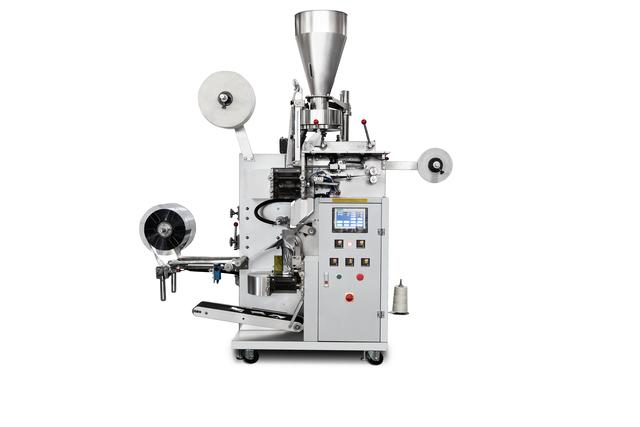
Classification is the first step in serious evaluation.
| Cost ledger | Typical tea bag project items | Evidence source |
|---|---|---|
| Acquisition | Base machine, filler, thread/tag, envelope, coder, discharge, and agreed options | Normalized supplier quotation and technical agreement |
| Delivery and commissioning | Packing, freight, handling, site work, installation, travel, and training scope | Logistics quote and responsibility list |
| Materials and preparation | Filter paper or mesh, thread, tags, envelope film, trials, tooling, and change parts | Approved sample plan and material specification |
| Routine operation | Labor, utilities, cleaning, changeover, normal consumables, and inspection effort | Buyer production plan and supplier operating requirements |
| Risk reserve | Critical spares, support needs, and consequences of long replacement lead times | Spare-parts evidence list and service route |
Cost terminology: Acquisition is the locked equipment scope. Commissioning covers delivery-to-operation responsibilities. Changeover cost includes cleaning, rethreading, adjustment, release samples, and lost production time. Risk reserve is a transparent allowance for verified spare and support exposure, not a hidden markup or guaranteed forecast.
The working principle is the cause-and-effect logic behind the buying decision. Buyers should ask how each specification changes real performance. The article should therefore explain relationships, not only list features.
For example, filling accuracy cannot be judged alone. It interacts with seal temperature, bag length, and the surrounding operating environment.
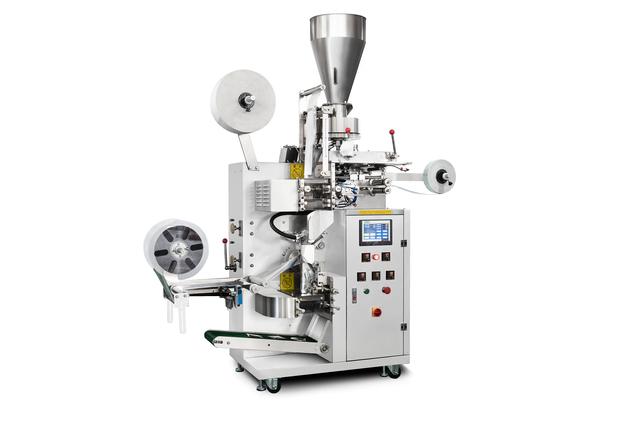
Before requesting a quote, buyers should convert the topic into a specification checklist. The checklist should contain measurable facts, not only adjectives.
| Quote line | Question that prevents omission | Status to record |
|---|---|---|
| Tea bag format | Does the offer include every forming, sealing, cutting, thread/tag, and envelope function required? | Included, optional, excluded, or unconfirmed |
| Filling system | Which tea grades and target fills support the proposed feeder or dosing method? | Tested, assumed, or awaiting samples |
| Coding and counting | Which device, mounting, controls, consumables, and integration work are included? | Locked model and responsibility |
| Installation | Who unloads, positions, connects, starts, tests, trains, and pays travel-related costs? | Buyer, supplier, third party, or shared |
| After-sales scope | Which parts, documents, remote inputs, and on-site services are included after acceptance? | Included term and separately priced item |
Use the tea bag packaging machine options page to identify the functions that belong in the acquisition ledger, then verify every option, service, material interface, and responsibility in the supplier quotation.
Method note: A practical evaluation method is to divide the decision into three layers: product evidence, operating evidence, and supplier evidence. Product evidence includes measurable facts such as filling accuracy, seal temperature, and bag length. Operating evidence includes how the product behaves during repeated use.
Evidence should be proportional to order risk.
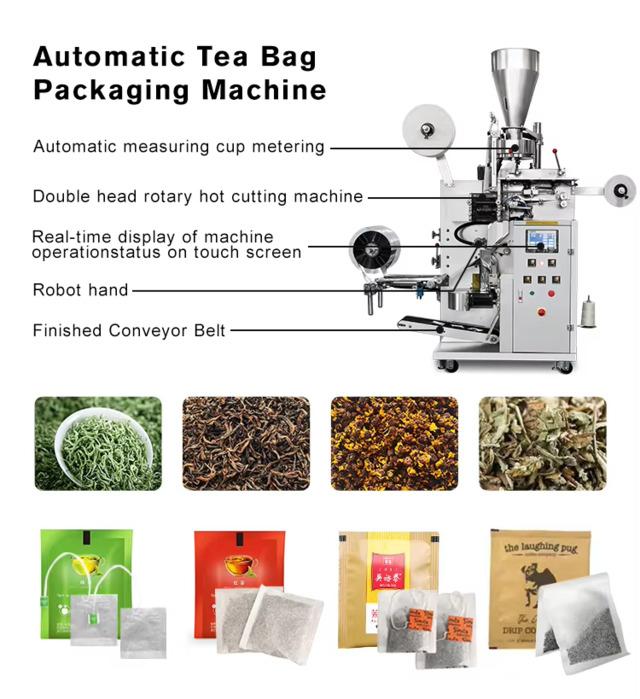
Limitations and buying assumptions: No specification can answer every project condition by itself. Buyers should therefore read every claim as conditional.
Evidence summary: Reliable evaluation depends on measurable facts, realistic conditions, supplier transparency, and buyer preparation.
Cost review: The most useful comparison keeps supplier prices separate from buyer assumptions. When an input is uncertain, record the range and the event that would confirm it. False precision makes a total look complete while hiding the decision that still needs evidence.
The buyer decision framework should begin with the problem, not the catalog. This framework turns a general inquiry into a professional procurement discussion.
| Sensitive assumption | Why total cost can change | Buyer check |
|---|---|---|
| Product range | Additional tea grades may need testing, cleaning, change parts, or another filling approach | List current and planned products |
| Changeover frequency | More rethreading, cleaning, adjustment, and release samples increase labor and waste | Estimate the actual weekly schedule |
| Local material substitution | Different paper or film may require trials, settings, or tooling | Confirm the approved specification and retest trigger |
| Support distance | Travel, language, time zone, and replacement lead time affect recovery cost | Map the practical escalation route |
| Output hours | A line used for one shift has a different downtime exposure from a critical multi-shift line | Use the buyer's operating plan without inventing savings |

Supplier questions should be concrete. These questions turn the article into a working procurement tool.
Useful questions include: What evidence supports the main claim? What changes the recommendation? What test or inspection can be done before payment? What maintenance is required after delivery? What support is available if the product does not match the approved specification?
Keep taxes, duties, exchange effects, and financing outside the machine comparison unless the buyer has verified how they apply to the transaction. Record the date and source of any commercial estimate because freight and local charges can change. Review the ledger again before the final payment milestone so additions approved during testing are not omitted from the project total.
Test the sensitive assumptions: Recalculate the comparison when output hours, labor involvement, changeover frequency, material waste, spare-part lead time, or installation scope changes. If a small change reverses the preferred quotation, that input needs stronger evidence before the order. Keep the original supplier figure, the buyer's working assumption, and the reason for any adjustment in separate columns. This makes the total-cost discussion auditable without presenting an uncertain estimate as a guaranteed financial result.
Compare cost over a defined production period: Use a period that matches the buyer's planning horizon and state the expected products, shifts, changeovers, and maintenance assumptions. Keep uncertain values as ranges or open checks rather than false precision. The purpose is to expose cost drivers and compare quote scope, not to promise savings that have not been measured in the buyer's factory.
Record commissioning assumptions: List who unloads, positions, connects, and starts the line; who provides air, power, lifting equipment, product, packaging material, and local labor; how many training days are included; and which travel expenses are excluded. Add translation, accommodation, local transport, remote support, or return visits only when relevant to the actual plan. This prevents service expectations from being hidden inside an undefined installation line.
Price the packaging-material interface: Confirm whether the quotation assumes a specific filter-paper width, tag stock, thread, envelope film, registration mark, reel core, and accepted material tolerance. Include supplier samples, trial material, freight for samples, and waste during setup. If local materials will replace the samples used at the machine factory, budget a verification run. A machine can meet its quoted function while the project still incurs extra cost because locally sourced paper or film requires tooling, repeated adjustment, or a different sealing window.
Keep five totals instead of one: Track acquisition, delivery and commissioning, material and consumable preparation, routine operation, and risk reserve separately. Acquisition covers the agreed machine and options. Delivery covers freight, insurance, local handling, duties where applicable, and site work. Preparation covers trials and change parts. Operation covers labor, utilities, cleaning, and consumables. The risk reserve covers critical spares and realistic support needs. Compare suppliers only after every missing item has an owner and an assumption. The result is a clearer budget than a headline machine price.
Convert operating effort into a cost category: Estimate how often the factory changes tea, bag size, filter paper, tag, or envelope film. Record the labor and discarded material needed to empty, clean, rethread, adjust, and approve the first acceptable packs. Add the effect of planned maintenance and the likely consequence of waiting for a critical heater, cutter, sensor, forming component, or sealing part. These figures do not need to become a speculative ROI promise. They help the buyer compare whether a configuration fits the production schedule and service conditions.
Normalize the quotation scope first: A low machine price may exclude the filler, thread-and-tag unit, outer-envelope module, date coder, discharge counting, dust control, spare parts, testing materials, or installation support. Put every quotation into the same scope table before comparing totals. Mark each line as included, optional, buyer-supplied, or still unconfirmed. The exercise is especially important when one supplier quotes a simple inner tea bag and another quotes a complete inner-bag, tag, thread, and envelope line under a similar product name.
Which items are commonly excluded from the headline machine price? The filler, thread-and-tag system, outer-envelope module, coder, discharge, change parts, trial materials, freight, site work, installation travel, and critical spares may be separate. Each quote needs a line-by-line scope review.
Should buyers calculate a guaranteed return on investment before testing? No. Use verified production inputs and keep uncertain labor, waste, output, and downtime figures as assumptions or ranges. The comparison should expose cost drivers without inventing savings.
How should local filter paper or envelope film be budgeted? Include samples, transport, setup waste, and a verification run when the local material differs from the material used at the supplier's factory.
Why does changeover belong in total cost? Changing tea, paper, tags, film, or bag format consumes cleaning time, operator work, setup material, and release samples. Frequent changes can matter more than a small difference in purchase price.
When should the cost ledger be updated? Update it after technical scope changes, sample testing, the FAT, and before final payment so approved additions and changed responsibilities are visible.
The total cost of an automatic tea bag packing machine is the sum of the locked equipment scope, delivery and commissioning, material preparation, routine operation, and risk exposure. A buyer cannot compare quotations fairly until omissions and buyer-supplied responsibilities are visible.
Keep supplier figures separate from internal estimates, test the assumptions that can change the result, and update the ledger as the configuration is finalized. This creates a defensible budget without presenting uncertain future savings as fact.

YISEN MACHINERY - The ONE-STOP VFFS PACKING MACHINE SOLUTION SUPPLIER
 Tel: +8617350750975
 Email: info@vffspackingmachinery.com
 MP/WhatsApp: +8617350750975
 Manufacturer Address:Meixi Road, Tongan District, Xiamen,Fujian,China