

Hot Keyword:
Author:YISEN Pouch Packing Machine Manufacturer TIME:2025-02-28
An oil pouch packing machine has a distinctive service burden: its product can lubricate surfaces that should stay dry while attracting dust around sensors, belts, and guards. A useful program combines short operator observations, planned technical work, and a documented release procedure.
The most reliable maintenance strategy for an oil pouch line is to manage the product circuit, film transport, sealing station, and safety devices as separate control zones. Clean leaks before oil migrates, inspect wear before changing recipes, and prove pack quality after every intervention. This avoids the common mistake of altering several settings when one physical condition is responsible.
Start with defects that affect accepted production: oil in the seal, changing fill quantity, crooked film, weak seams, unreadable codes, unplanned stops, and slow cleaning. For each defect, identify the components that can create it and the observation that reveals deterioration early. A weak seam can originate in a dirty pouch mouth, damaged jaw surface, uneven pressure, loose temperature sensor, or unsuitable film. Treating every case as a heat problem produces needless adjustments.
Record the approved recipe, film reference, nozzle position, jaw condition, and normal operating observations after a successful run. The baseline is not a claim that one setting suits every oil. It gives technicians a dependable comparison after repair. Photographs of web alignment and hose routing can prevent reassembly from introducing rubbing, sharp bends, or inaccessible drain points.
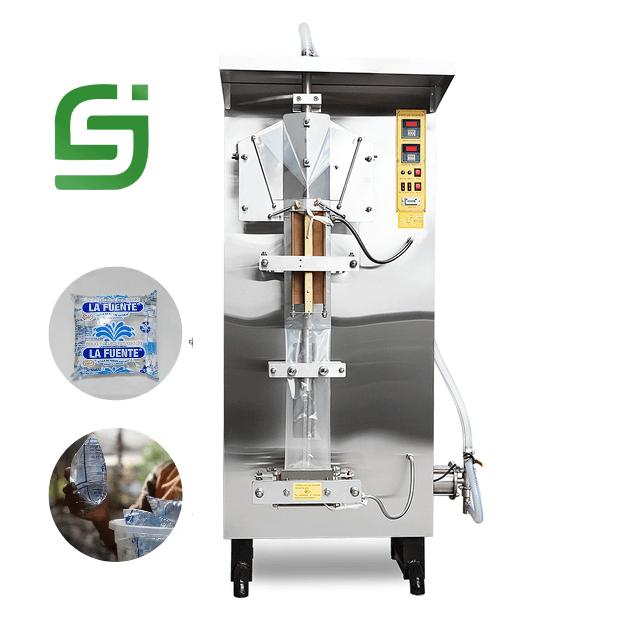
Follow the oil path from supply vessel to discharge point. Look for loose clamps, aging seals, hose discoloration, trapped air, damaged threads, and residue around valve stems. A small seep matters even while fill quantity remains acceptable, because oil can travel along a hose and appear far from its source. Clean the area, operate with guarding in place, and confirm the origin before replacing parts.
Nozzle care should focus on closure quality and repeatable position. A trailing drop can contaminate the pouch mouth and may result from product temperature, valve wear, timing, or residue that prevents closure. Do not compensate automatically by moving the nozzle or extending seal time. Isolate filling behavior first, verify correct assembly, and use the cleaning method approved for both the product and contact materials.
Inspect heat-seal components cold and under the stated isolation procedure. Examine jaw faces, protective coverings, pressure mechanisms, cable routing, and the mounting that keeps opposing surfaces parallel. Remove deposits with tools and agents that will not scratch or soften the surface. A damaged covering can create a recurring seam mark even when temperature control is stable.
Judge the seal as a system after maintenance. The pouch mouth must arrive flat and clean; pressure needs to be even; dwell and heat must suit the approved film; cooling and discharge must not pull a vulnerable seam. Retain samples from startup and a normal stop-restart cycle. Use the site's agreed leak or seal test, and record the specific rejection reason instead of classifying every failure as a bad seal.
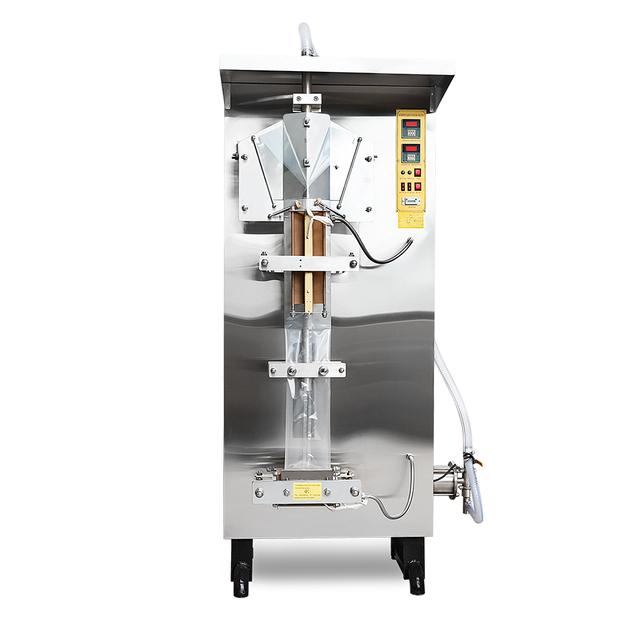
Oil on rollers changes traction and may pull the web sideways. Inspect rollers for contamination, free rotation, surface damage, and alignment before increasing tension. Check belts and pull mechanisms for matched wear, because replacing only one member of a pair can create unequal motion. Registration sensors require a clean optical path and secure bracket; lens cleaning will not solve vibration or changing film reflectivity.
When pouch length drifts, separate mechanical slip from print-mark detection. Mark the film, observe whether advance is consistent, and compare plain-film behavior with registered-film behavior where the machine permits it. Confirm encoder coupling and wheel contact without bypassing guards. This sequence avoids masking a loose drive component with recipe offsets that fail on the next roll.
A shift routine should be short enough to complete and specific enough to act on. Before production, verify guards, emergency functions, oil-path connections, film loading, coding supplies, and the absence of tools. During running, watch for new sounds, repeated alarm locations, residue near the nozzle, film-edge movement, and rising seal rejects. At shutdown, leave the equipment in the agreed safe, drained, and clean condition.
Define escalation boundaries. Operators may clean accessible surfaces and perform approved adjustments, while electrical cabinets, heated assemblies, pressure systems, and guarded drives require authorized people. Log what was observed, where it occurred, which product and film were running, and the action taken. A note that says only “machine checked” gives the next shift no useful evidence.
Calendar intervals are a starting point. Refine them using operating hours, cleaning frequency, oil characteristics, stoppage history, and component condition. Parts near product and heat may deserve closer attention than lightly loaded frame elements. All intervals still need to remain within supplier instructions and the facility's safety program.
| Maintenance area | Evidence to inspect | Action trigger | Release check |
|---|---|---|---|
| Filling circuit | Drips, hose condition, valve closure, trapped residue | Leak, delayed cutoff, damaged seal, difficult cleaning | Dry exterior and repeatable fill samples |
| Sealing station | Jaw surface, pressure pattern, sensor security | Deposit, wear mark, uneven seam, unstable reading | Accepted seams after startup and restart |
| Film transport | Roller cleanliness, belt wear, web position | Slip, edge drift, abrasion, inconsistent advance | Stable tracking through representative material |
| Safety devices | Guards, interlocks, emergency functions | Damage, looseness, failed functional check | Documented test by authorized personnel |
Bundle service tasks only when return-to-production testing remains clear. If a pump seal, jaw covering, belt, and sensor are changed together, diagnosis becomes difficult if output is unstable afterward. For higher-risk work, restore one zone at a time and document its result before moving forward.
First determine where leakage begins: heat seal, fold, cut edge, puncture, or closure feature. Inspect unopened rejects and note whether oil is already above the fill level. If the seal is contaminated, observe nozzle cutoff and pouch presentation. When the seam is clean but separates, examine material orientation, jaw contact, and the validated process window.
Change one variable at a time and keep samples. Higher temperature may make one film appear stronger while damaging another or increasing buildup. More pressure cannot correct a wrinkle entering the jaws. Slower cycling can temporarily reduce contamination without repairing a worn valve. The final action should remove the initiating condition and prove performance at normal production timing.
Stock parts according to failure consequence and realistic lead time, not just purchase price. Product seals, nozzle parts, jaw coverings, sensors, belts, and electrical protection may deserve controlled inventory when their absence stops the line. Confirm part numbers against the installed configuration, protect stock from heat and contamination, and rotate items with storage limits. Never fit a substitute solely because it looks similar.
When evaluating an oil pouch packing machine, request maintenance drawings, recommended spares, access requirements, cleaning instructions, and the division between operator and technician work. Ask the supplier to demonstrate routine removal and refitting with the intended contact parts. Handover is meaningful when the local team can identify a fault, isolate safely, restore settings, and document accepted output after service.
How often should oil-contact parts be cleaned?
Base frequency on the product, run length, hygiene plan, and supplier instructions. Clean immediately when oil can reach sealing or drive areas rather than waiting for a calendar interval.
Should operators lubricate every moving component?
No. Use only specified lubricant at identified points and keep it away from product, film, belts, and jaw faces. Some assemblies are sealed or require authorized service.
Why can leakage return after replacing a heater?
The heater may not have caused it. Recheck mouth contamination, jaw parallelism, pressure, sensor seating, film construction, cooling, and downstream pulling before changing heat again.
What information belongs in the service log?
Include product, film, symptom, alarm, location, observed condition, isolated cause, parts used, setting changes, release samples, and the person authorizing return to production.
Can preventive work eliminate every unplanned stop?
No program removes all failures. It reduces avoidable events and reveals wear earlier, while suitable spares and escalation rules limit the impact of remaining faults.
A periodic review should compare the maintenance record with actual reject and stop data. If one nozzle component is replaced repeatedly, investigate alignment, product condition, cleaning practice, and installation method instead of treating each replacement as an isolated event. Likewise, if seal defects cluster after a particular sanitation shift or film change, use that timing to examine the handover. Maintenance intervals improve when evidence connects component condition to pack outcomes.
Commissioning records are useful throughout machine life. Keep drawings, approved recipes, software backups, contact-part lists, risk assessments, and supplier notices under change control. When a modification is necessary, document why it was made and repeat the checks affected by that change. This prevents gradual, unexplained alterations from becoming the new baseline.
Review trends regularly.
Effective oil pouch equipment care rests on clean product cutoff, protected jaw surfaces, stable film motion, and evidence-based release after work. Separate symptoms from causes, give each role a clear inspection boundary, and use records to refine service intervals. That combination supports dependable packs without indiscriminate adjustments or unsupported performance promises.

YISEN MACHINERY - The ONE-STOP VFFS PACKING MACHINE SOLUTION SUPPLIER
 Tel: +8617350750975
 Email: info@vffspackingmachinery.com
 MP/WhatsApp: +8617350750975
 Manufacturer Address:Meixi Road, Tongan District, Xiamen,Fujian,China